REVIEW · STRATFORD UPON AVON
Stratford Treasure Hunt The Mystery of Shakespeare’s Lucky Quill
Book on Viator →Operated by Mystery Guides · Bookable on Viator
A mystery walk through Shakespeare’s town beats the usual sightseeing route. This one turns Stratford-upon-Avon into a live puzzle hunt, with 18 cryptic clues and a story that keeps unfolding as you go. I like that it covers major landmarks without making you sit in one place, and I really like the self-paced format so you can match the pace to your group.
One thing to consider: you’ll be walking about 3.25km over roughly 3 hours, and a couple clues may take some interpretation rather than being perfectly literal—so it helps to stay patient when you think you’ve found the wrong spot.
In This Review
- Key highlights worth your attention
- How the Lucky Quill hunt really works
- Before you start: time, pace, and what to bring
- Route breakdown: five classic Stratford stops, linked by clues
- Stop 1: Shakespeare’s Schoolroom & Guildhall
- Stop 2: Royal Shakespeare Theatre
- Stop 3: Shakespeare’s Birthplace
- Stop 4: Holy Trinity Church
- Stop 5: Stratford-upon-Avon Canal
- Finding clues without losing your patience
- What I’d call the best part: it’s fun and informative
- Who this is best for (and who might want a different plan)
- The wow moment: how the ending lands
- Price and value (without guessing numbers)
- Should you book Stratford Treasure Hunt: The Mystery of Shakespeare’s Lucky Quill?
- FAQ
- Where does the treasure hunt start?
- How long does the experience take?
- What distance will I walk?
- Is there a guide included with the tour?
- Is it a group activity or can I do it privately?
- What’s included in the booklet?
- Do I need to bring anything?
- Is this experience self-paced?
- Are pets and service animals allowed?
- Is cancellation free?
Key highlights worth your attention

- Self-paced mobile-tickets style: you start at a time that suits you, not on a strict stopwatch.
- 18 cryptic clues across the historic centre, with a story that builds as you advance.
- Five well-known Stratford stops, from Shakespeare-linked sites to the Royal Shakespeare Theatre area.
- Work as a team or compete with friends, making it feel more like a game than a lecture.
- A satisfying wow ending where the villain is revealed as part of the final moments.
- All ages vibe, and even people with slower pace or arthritic knees have found it doable.
How the Lucky Quill hunt really works
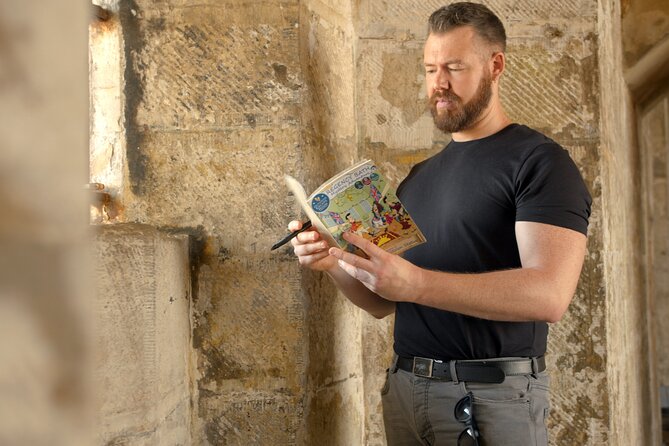
This experience is built around a simple idea: you’re given a Mystery Guide booklet, then you head out on foot to solve clues around Stratford’s historic centre. The clues are cryptic, but not so hard that you feel shut out. Instead, the challenge feels like it’s meant to keep you curious and moving.
The story thread is part of the fun. As you solve each step, you also cross off suspects and narrow in on the mystery. The tour’s big payoff is the moment when you reach the end and the case is solved with the villain revealed before your eyes.
You also get a flexible travel style. No need to wait for a group to finish a photo. You can stop briefly for coffee, then get back into the puzzle rhythm. That makes it a strong fit if you’re squeezing Stratford into a half-day before a show.
You can also read our reviews of more tours and experiences in Stratford upon Avon.



Before you start: time, pace, and what to bring
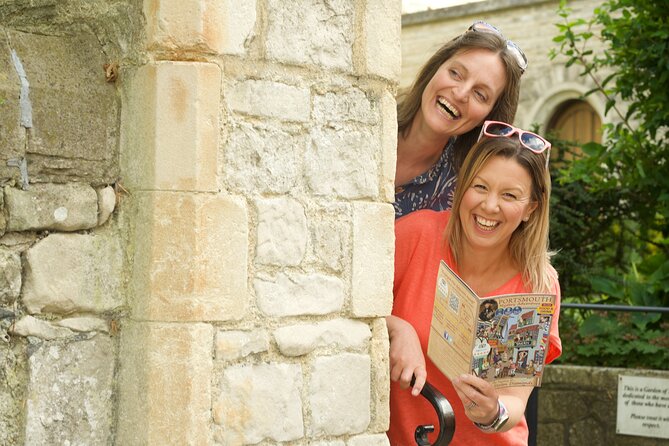
You’ll set off from Lily’s Cafe, 19 Rother St, Stratford-upon-Avon CV37 6LU. The activity is designed to last about 3 hours and covers roughly 3.25km on foot, ending back at the meeting point.
You should plan for steady walking. This isn’t a sit-and-read walking tour. It’s moderate and doable for people with moderate physical fitness, but you’ll want shoes you can trust on uneven pavement and curb cuts.
Bring a small essentials kit:
- A pen if you want to fill in the booklet as you go (people have strongly suggested this).
- A phone with decent battery, just in case you want to reference answers when you’re stuck.
- A mindset that clues sometimes point you toward the idea, not the exact name on a street sign.
Also, the tour is private for your group only. That matters if you’re with kids, a multi-generation crew, or colleagues who want something team-shaped rather than crowd-shaped.
Route breakdown: five classic Stratford stops, linked by clues

The hunt runs through five major points. You’ll move through them in sequence, solving a clue at each stop and using the story to keep the mystery straight.
Stop 1: Shakespeare’s Schoolroom & Guildhall
This is where the game clicks into place. You start with your first clue set and learn how the booklet expects you to read clues, interpret hints, and decide what to do next.
I like this start because it gets you oriented fast. You’re in the historic core right away, so you’re not spending the first part wondering where to look or how the puzzle style works.
Potential drawback: if the first clues feel unfamiliar, don’t panic. Cryptic clue formats usually get clearer once you’ve done a couple steps and understand how the booklet wants you to scan.
Stop 2: Royal Shakespeare Theatre
After your opener, the route carries you toward the Royal Shakespeare Theatre area. This is a nice pivot point because the surroundings help you keep the Shakespeare connection front-and-center while the storyline keeps moving.
This stop also tends to make the hunt feel real. You’re doing the puzzle in the same part of town where people come for shows and big Shakespeare moments. It gives the clues extra energy.
Practical consideration: if it’s busy here, don’t spend too long trying to photograph everything while solving. Solve first, then look around afterward.






Stop 3: Shakespeare’s Birthplace
This stop is a major named landmark in the experience flow. It’s also part of how the booklet guides you through the story arc, gradually steering you from clue-solving toward unmasking the plot.
I like how the hunt uses recognizable places without turning them into the whole point. The clues are what keep you from running straight to the next famous spot with no sense of discovery.
If you’re traveling with kids, this is often where the energy stays high. The storyline and the hunt structure give them a reason to pay attention beyond landmark photos.
Stop 4: Holy Trinity Church
At Holy Trinity Church, the tone of the mystery feels like it fits the setting: quiet problem-solving in a historic atmosphere. You’ll use another clue step to narrow the suspect pool and keep the narrative moving.
This stop can be a good moment to slow down. Take a breath, read the clue carefully, and then look around with intent. If you rush, cryptic clues are easier to misread.
One thing to watch: churches and historic areas often have rules about movement and quiet. If you need to pause to figure out wording, pick a respectful spot and keep the group moving when you’re done.
Stop 5: Stratford-upon-Avon Canal
The final legs bring you toward the Stratford-upon-Avon Canal. This shift is smart for the experience because it changes the “feel” of walking from dense streets to a more open atmosphere.
It can also help you reset your brain before the final reveal. By the time you reach the end, you’ll already have solved enough clue steps to understand what the story wants from you.
Drawback to plan for: canal-side routes can feel cooler in any breeze, especially if your timing lines up with chilly weather. Dress for the walk, not just the starting temperature.
Finding clues without losing your patience
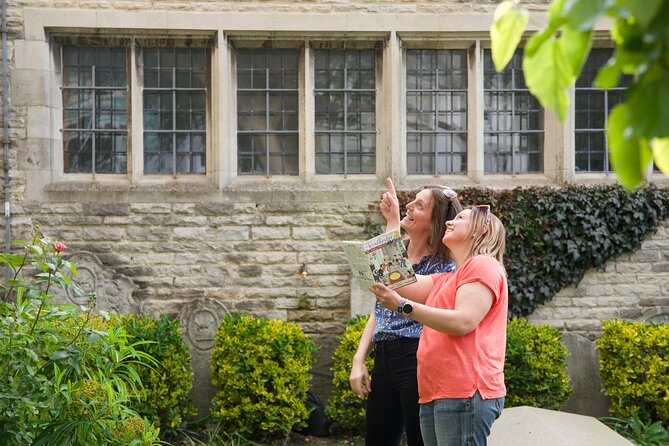
A treasure hunt lives or dies on clue clarity. This one is generally fun and solvable, but it’s worth knowing what can happen so you don’t let frustration steal your best moments.
A couple specific “in-the-real-world” tips stand out:
- If you can’t find a clue at a location, try scanning nearby logic. In one case, a clue (called out as clue 9) was hard to locate until the players checked a picture online.
- Some clues may feel less literal than you expect. One puzzle referred to Tudor gate, but the item wasn’t where the obvious name suggested. The fix was to keep interpreting and then locate it elsewhere.
- The final clue can involve a pub setting. In at least one experience, that created an awkward moment while searching for a poster in a busy pub area. If you hit that kind of situation, be respectful and quick—solve first, then ask staff if there’s a question about where to look.
Also, pace your page-turning. One simple tip that keeps the hunt smooth is to only turn one page at a time so you don’t get ahead of the clue flow or spoil yourself by accident.
What I’d call the best part: it’s fun and informative
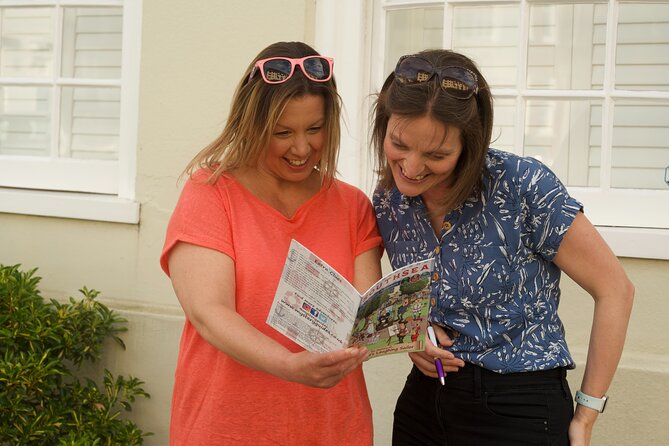
This isn’t just a scavenger hunt where you only care about winning. The booklet includes local history stories and maps, and the story is designed to wow you at the end when the villain is revealed.
That combination is the real value. You’re getting entertainment plus context, and the context comes while you’re moving, not later in a museum lecture. It’s a way to learn without feeling like learning is the main assignment.
If you’re visiting Stratford for the first time, this format helps you get your bearings fast. It also makes a return visit more interesting because it can pull your attention to details you would otherwise miss while walking straight between big stops.
For Shakespeare fans, the hunt structure keeps the material from feeling static. For non-fans, it gives a low-pressure way to understand why certain locations matter.
Who this is best for (and who might want a different plan)
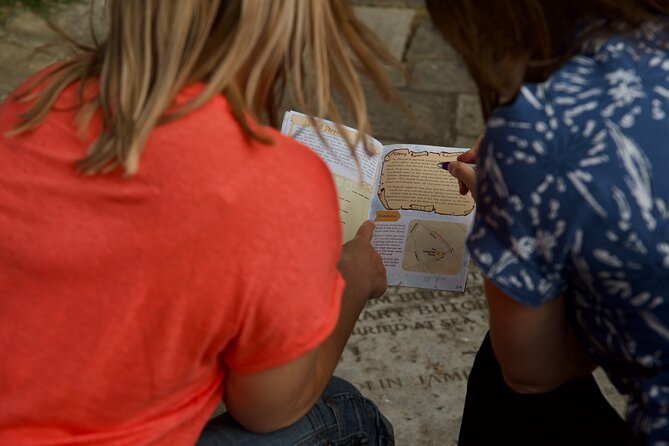
This works well for groups that like interaction. You can compete with friends or solve as a team, which tends to pull everyone in—especially kids, who often enjoy the hunt logic once they start finding clues.
It also plays nicely for multi-age groups. One experience highlighted that a couple in their late 60s and early 70s completed it despite arthritic knees, which suggests the route is not overly punishing as long as you take your time.
Where it may not be perfect:
- If you strongly dislike walking, you might feel the 3.25km adds up.
- If you want a classic guided tour with spoken narration and answers on demand, this doesn’t provide a guide for your group. The booklet does the work.
The wow moment: how the ending lands

The final section is built for a reveal. The case is solved and the villain is revealed before your eyes, which turns all your clue-solving into a payoff moment rather than a checklist you complete and forget.
I like endings like this because they keep you engaged all the way through. Instead of just reaching Stop 5 and feeling done, you get a built-in reason to finish strong and pay attention to how the story wraps.
If you’re planning the rest of your day, this is also helpful. It’s easy to time a show afterward because you know you’ll be back near the start after about 3 hours.
Price and value (without guessing numbers)
No price is provided in the details I have here, but I can still tell you where the value comes from.
You’re paying for:
- A 40-page activity booklet with story, clues, historical information, and maps.
- A self-paced format that can fit into real travel schedules.
- A walking route that covers key Stratford landmarks in about 3 hours.
- A “game + meaning” format, not just a photo-walk.
That combination tends to be cost-effective for families because one booklet can keep multiple people engaged at once. For couples, it’s a nice way to do something different from a standard day out.
And for solo travelers, it still works because the booklet keeps the experience moving without needing conversation with a guide.
Should you book Stratford Treasure Hunt: The Mystery of Shakespeare’s Lucky Quill?
If you like playful problem-solving, a route that mixes famous Stratford locations with discovery, and a story that makes the walk feel purposeful, you should book it. This is one of those experiences that feels friendly to first-timers and still rewarding for people who think they already know the town.
I’d especially recommend it if you’re planning a day around the Royal Shakespeare Theatre and want a meaningful activity before or after the show. It’s also a strong choice for families because the hunt structure gives kids a job while adults get plenty of interesting context.
If you hate cryptic clues or want a strict guided narration, you may find the self-guided mystery style frustrating. But if you can enjoy a little head-scratching, you’ll likely have a genuinely fun Stratford afternoon.
FAQ
Where does the treasure hunt start?
It starts at Lily’s Cafe, 19 Rother St, Stratford-upon-Avon CV37 6LU, UK.
How long does the experience take?
Plan for about 3 hours.
What distance will I walk?
The route is listed as about 3.25km on foot.
Is there a guide included with the tour?
No guide is included. You use the provided activity booklet (Mystery Guide) to do the hunt.
Is it a group activity or can I do it privately?
It’s private—only your group will participate.
What’s included in the booklet?
You get a 40-page activity booklet in English with the story, clues, historical information, and maps.
Do I need to bring anything?
The information provided doesn’t list supplies, but you may want a pen to write or mark answers as you go.
Is this experience self-paced?
Yes. You can set off at a time that suits you, and it’s designed to be self-paced.
Are pets and service animals allowed?
Service animals are allowed.
Is cancellation free?
Cancellation is free up to 24 hours in advance for a full refund. Changes within 24 hours are not accepted, and less-than-24-hour cancellations are not refunded.