REVIEW · WINDERMERE
The Brontes, Wuthering Heights and Jane Eyre
Book on Viator →Operated by English Lakes Tours · Bookable on Viator
One day can make your favorite Brontës feel real. This small-group Brontë tour turns the Yorkshire countryside into story set pieces, from ruined halls to Haworth streets that have barely changed. You get round-trip minivan comfort plus a guide who ties the scenery to what Charlotte, Emily, and Anne wrote.
What I really like is the personal size: no more than 6 guests, so you can actually ask questions instead of shouting over a bus tour. I also like how the route keeps moving, with stops that connect directly to major moments in Jane Eyre and Wuthering Heights, including the Brontë Parsonage Museum and a guided walk through Haworth.
One thing to consider: this is a moorland day in England. The route includes uneven or wet ground and some uphill walking, and the weather can swing fast, so you’ll want proper shoes and a waterproof layer.
In This Review
- Key highlights to know before you go
- Price and what you actually get for $274.22
- From Kirkby Lonsdale to Cowan Bridge: the story behind Lowood
- Wycoller Country Park and the Ferndean Manor connection
- Ponden Hall views, the Industrial Revolution context, and moorland mood
- Entering Haworth Parish Church: graveyard + High Street in one flow
- The Brontë Parsonage Museum stop that anchors the day
- Small group energy: what you’ll notice when it’s not a crowd
- Weather, walking, and what to pack for this moorland day
- Who this tour is best for (and who should look elsewhere)
- Should you book this Brontë tour?
- FAQ
- How long is the Brontes, Wuthering Heights and Jane Eyre tour?
- Where does the tour take place?
- What’s included in the price?
- Is lunch included?
- How big is the group?
- Is the tour offered in English?
- Do I need to bring a ticket or can I use my phone?
- What should I wear or bring for the day?
- Are there age restrictions?
- What happens if weather is poor?
Key highlights to know before you go
- Max 6 guests for a more personal, question-friendly day
- Brontë Parsonage Museum entry included (a big chunk of the day’s value)
- Wycoller Country Park and Cowan Bridge area tied to Jane Eyre and Brontë family history
- Moor views from the road when time doesn’t allow longer walks
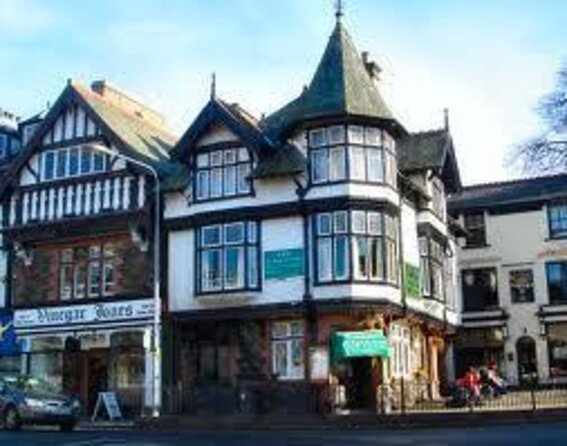
- Haworth Parish Church + graveyard and village streets you can picture in your head
- Comfortable minivans with air-conditioning, WiFi, and charging for most devices
Price and what you actually get for $274.22
At $274.22 per person for about 8 hours 30 minutes, this is not a “cheap day trip.” But when I look at the full shape of the day, the cost mostly makes sense.
You’re paying for three things that add up quickly on your own: transportation, expert guiding, and entrance fees. The tour runs with comfortable minivans (air-conditioning, WiFi, and charging points for many devices), and entrance into the Brontë Parsonage and Museum is included. On top of that, the guide keeps the context going while you’re traveling—so you’re not just hopping between photo stops with no thread connecting them.
A hidden value point: the pace is built for comfort. There are regular photo/refreshment/comfort stops, and the group stays small, which matters when the day includes driving through rural areas and short time windows at each location.
The only part you need to budget separately is lunch. The tour does stop for lunch, but food and drinks are not included. In practice, I’d treat lunch as your one flexible spend. Pick something quick and local nearby the stop, then keep rolling.
You can also read our reviews of more tours and experiences in Windermere.

From Kirkby Lonsdale to Cowan Bridge: the story behind Lowood
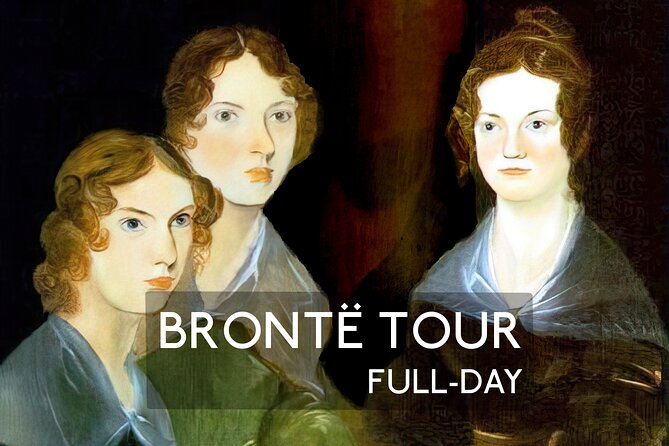
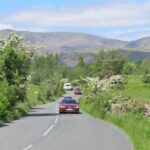
The day starts with a scenic drive through Cumbria, past Kirkby Lonsdale, and onward into the Yorkshire Dales National Park. This matters because the Brontës didn’t write in a bubble. You’re traveling through the same kind of countryside that shaped daily life around Haworth—wet, wind-prone, and full of sharp contrasts between settlements and open moor.
Your first stop is the Cowan Bridge area, connected to the Clergy Daughter’s School that the four Brontë sisters attended—Maria, Elizabeth, Charlotte, and Emily. The guide explains the harsh reality behind it: poor conditions and a strict regime caused a scandal at the time. Maria and Elizabeth died shortly after they returned home, which gives the story a weight that you won’t forget once you’re standing there.
Here’s the literary link that makes this stop more than just a memorial: Charlotte Brontë used the experience as inspiration for Lowood in Jane Eyre. If you love that novel, you’ll likely find yourself reading details differently afterward—because you can connect the setting to real-life hardship rather than just Victorian melodrama.
Then comes the continuation drive into Lancashire, toward the next location with a different mood.
Quick practical note: Wycoller and the surrounding countryside are the kind of places where the light changes fast and the wind can feel personal. If you’re the type who wants photos, plan on taking them during the times the group is stopped—not while you’re rushing between points.
Wycoller Country Park and the Ferndean Manor connection
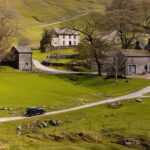
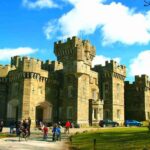
Wycoller is one of those places where you feel the atmosphere immediately. It’s a tiny village with character, including two ancient bridges and a ford crossing Wycoller Beck. The star is the ruined hall, the tour’s big hook for literary fans.
The guide shows you the ruined hall area and explains how it’s considered the model for Ferndean Manor in Jane Eyre. Even if you’re a die-hard Emily fan, Charlotte’s work ties you back into this stop, and you’ll start seeing the Brontë writing as something grounded in specific places rather than vague Gothic vibes.
The “Gothically romantic ruins” part matters, but the real win is the way your guide interprets the village. You’re not just looking at old stones; you’re getting a guided sense of how the terrain and architecture could inspire scenes in a novel.
Timing is also reasonable here. Admission is free, and the visit is about 40 minutes, which gives you enough time to walk a bit, take photos, and absorb the story without feeling like you’re locked into a museum-style queue.
If you have mobility limits or you’re sensitive to uneven paths, this stop is usually manageable—but keep an eye on your footing. England’s countryside terrain can be damp and uneven even when it’s not raining hard.
Ponden Hall views, the Industrial Revolution context, and moorland mood
After Wycoller, the route shifts into storytelling mode that connects the novels to the wider world around them. Your guide places the Industrial Revolution’s impact into context as you pass through towns and villages, including mention of local mills. You’ll even see one of the local mills up close on the way toward Ponden Hall.
Time is tight, so you won’t go inside Ponden Hall—your time there is mainly an outside view. That said, the stop is still useful because it gives you a reality check against your imagination.
Ponden Hall is reputed to have inspired Thrushcross Grange, home of the Linton family in Emily Brontë’s Wuthering Heights. But the guide also explains a key nuance: it doesn’t match the novel’s description exactly and is closer in size and appearance to the farmhouse of Wuthering Heights itself. There’s even another literary hypothesis: Brontë biographer Winifred Gerin believed Ponden Hall could be the original of Wildfell Hall in Anne Brontë’s The Tenant of Wildfell Hall.
So rather than pretending there’s one perfect match, the guide lays out the possibilities and leaves you to decide what fits best in your head. That’s a good approach for readers, because it turns the day into active interpretation, not passive sightseeing.
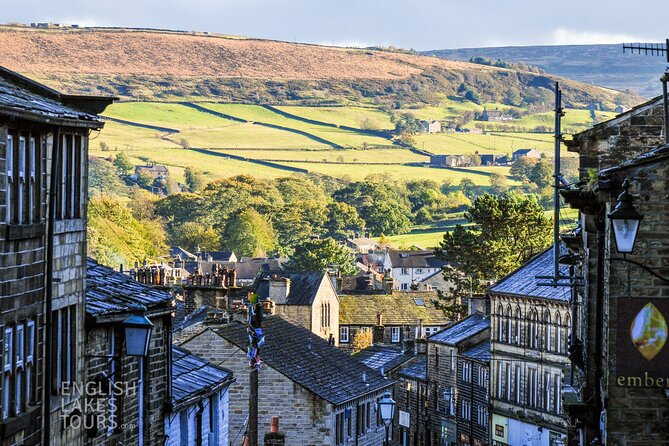
Then you cross the Pennine moors, and the mood shifts on purpose. You’ll hear about how the sisters would wander for escape—from industrial fumes from chimneys nearby and from the charged atmosphere of the parsonage in Haworth. You get moorland views from the road, and the guide points toward the ruined farmhouse area known as Top Withens. There’s no evidence it’s exactly what inspired Heathcliff’s dwelling, but local tradition and the Brontë Society suggest Emily likely had the moor setting in mind when she wrote.
If you want more walking than the schedule allows, you’ll feel the limit here. The tour doesn’t promise long hikes on the moors. It’s built for seeing several key story locations in one day.
Entering Haworth Parish Church: graveyard + High Street in one flow
The payoff of the day comes back in Haworth.
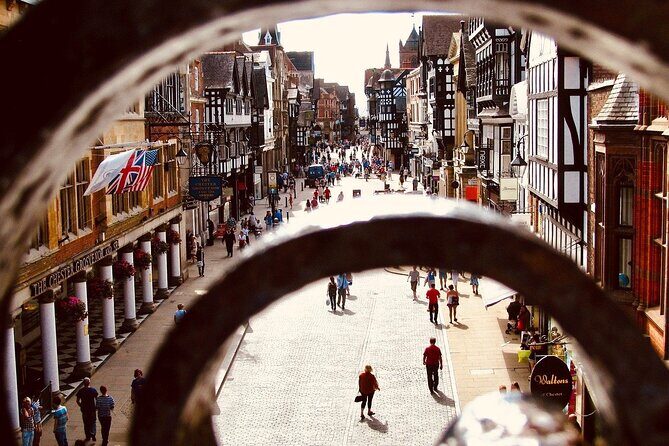
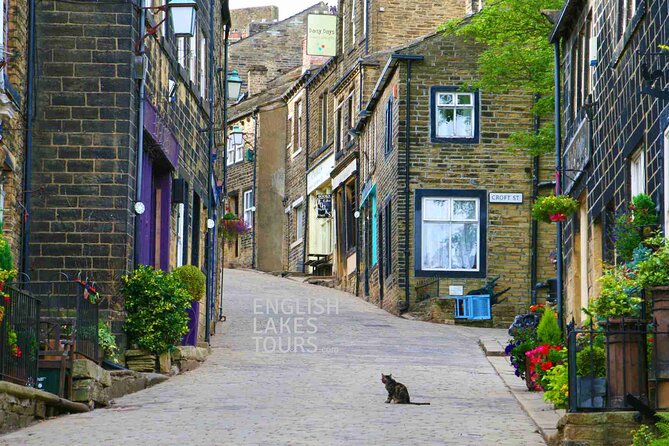
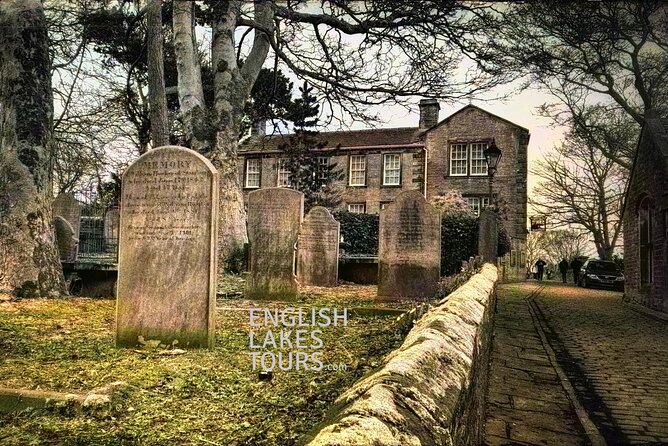
After your Parsonage visit, your guide takes you through Haworth Parish Church and the graveyard first. This is where the Brontë family story becomes personal in a different way. You’ll wander and absorb the village’s feel, then head into the High Street area, which your guide notes has hardly changed since the Brontës walked it about 150 years ago.
The guide also points out specific local landmarks tied to the family, including the Black Bull Inn—linked to Branwell—and the apothecary where he bought laudanum. Those details give you a sharper sense of how the village life and the family’s troubles interlocked.
Then there’s the family vault in the church. The guide explains that all but Anne are buried there. Even if you’re not religious, standing near burial sites tends to change how you experience a story—because it stops being literature and turns into real people and real timing.
This stop is about imagination, too. As you walk, you’re encouraged to connect the cold moor air and the dramatic view lines to the emotional temperature of Wuthering Heights and Jane Eyre. It’s a practical kind of literary thinking: the setting helps explain the writing choices.
The visit is about 30 minutes, so you’ll want to move at a steady pace. If you love lingering, you might feel the time pressure. But the guide’s storytelling keeps it from feeling rushed.




The Brontë Parsonage Museum stop that anchors the day
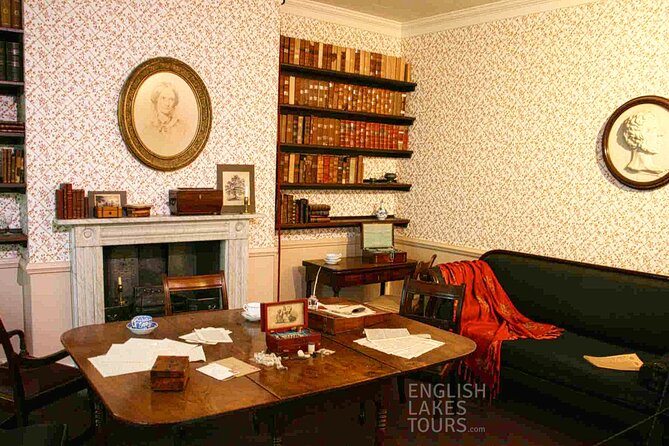
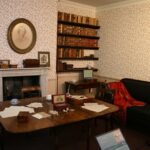
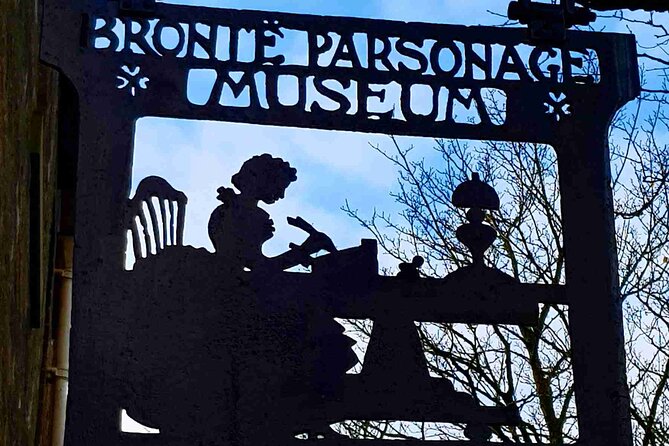
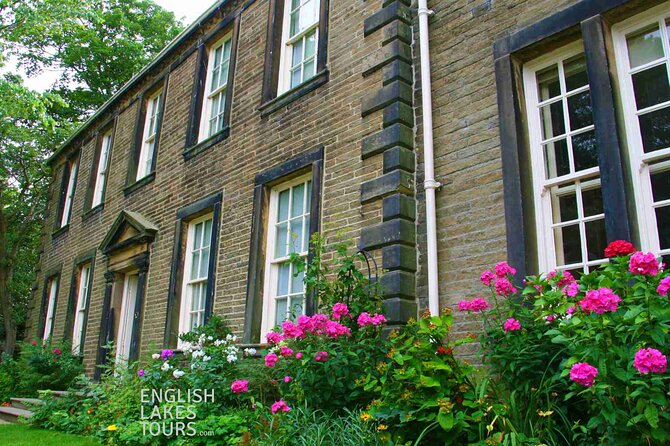
The tour’s middle is where you get the most “real thing” energy: the Brontë Parsonage Museum, with entry included. Expect about 1 hour here.
This stop works because it anchors the day’s earlier story beats. You’ve already heard about Cowan Bridge and how Charlotte drew from it. You’ve already seen ruined hall and heard about Ferndean Manor. Now you can connect those narrative sparks to the sisters’ actual environment and family setting.
Even though the moors are a big part of the day, the parsonage is the emotional center. It’s the place that makes it easier to understand why the novels feel so tied to place and atmosphere, not just plot.
Also, your guide’s context matters. The tour doesn’t treat the museum like a quick hit and move on. The explanation style links what you’re learning to what you’ll see later in Haworth.
If you’re the type who reads the names, dates, and letters in museum displays, you’ll likely enjoy the hour. If you prefer more walking outdoors, you may still appreciate this stop for balance—indoor stories can make the later church and graveyard visit hit harder.
Small group energy: what you’ll notice when it’s not a crowd
One reason this tour earns strong marks is that small-group format. With no more than 6 travelers, the day feels less like a checklist and more like a guided conversation through the region.
You’ll also likely notice the guide quality quickly. In past experiences with English Lakes Tours, names like Gillian show up in the tour stories, and guides are praised for connecting the locations to the writing and family lives. Even if you don’t care about every literary reference, the storytelling style tends to make the time feel worth it.
Another practical bonus: when you’re in a minivan with WiFi and charging points, you’re not stuck watching your battery die while you track photos and maps. It’s a small thing, but on a long rural day it helps you stay present.
The driver also matters. A good driver keeps timing smooth—so you get to each stop without the stress that can ruin a day trip. In accounts of this tour, drivers like Tim and Sandra are specifically mentioned, which tells me the team approach is part of the experience.
Weather, walking, and what to pack for this moorland day
The tour clearly warns you: Lake District weather can change fast, even in summer. And you’re going into moorland areas, where wind can make cool feel colder.
Here’s what I’d pack based on the information you’re given:
- Waterproof coat with a hood
- Comfortable shoes for some uneven or wet terrain and uphill sections
- A layer you can adjust if the day warms up between stops
This is also not a “sprint from spot to spot” day. There’s small walking at each stop, but not long hikes. Still, you should plan for a bit of physical effort—especially if the ground is damp.
If it rains hard, you’ll still get the tour, but your visibility might suffer on the moors. That’s not a guarantee the moors will look dramatic all day—it’s England. But the guide can work with that, turning cloudy weather into part of the mood.
One more practical point: lunch is not included. Build a simple lunch plan so you’re not scrambling when you arrive at the local place.
Who this tour is best for (and who should look elsewhere)
This is best for you if:
- You’re a Brontë fan and want place-based context for Jane Eyre, Wuthering Heights, and the Brontës beyond Charlotte.
- You want a guided day instead of driving yourself through rural routes and trying to find clues on your own.
- You like asking questions and hearing interpretive stories, not just snapping pictures.
It might be less ideal if:
- You want lots of hiking time on the moors. The tour provides moor views, but it doesn’t promise long walks.
- You’re traveling with kids under 7. The tour doesn’t take children under that age, and children must have seats purchased.
Should you book this Brontë tour?
If you love the Brontës and you’d rather understand the books through real geography than through guesswork, this is a strong pick. The best reasons to book are simple: small group size, entry included at the Brontë Parsonage, and a route that links the countryside to the novels with actual historical context.
If you’re nervous about the weather, don’t cancel your own optimism—just pack correctly. Waterproof gear and good shoes matter here, because you’ll be on uneven ground at points and the moors can be windy even when the rest of the day is comfortable.
One last thought for value: at this price, you’re not only buying sights. You’re buying a guide who connects Cowan Bridge, ruined halls like Wycoller, the moors, and Haworth’s graveyard and streets into one coherent Brontë day. If that sounds like your idea of a great afternoon, book it.
FAQ
How long is the Brontes, Wuthering Heights and Jane Eyre tour?
The tour runs for about 8 hours 30 minutes.
Where does the tour take place?
It’s based in the Windermere area and visits locations including the Yorkshire Dales National Park region and Haworth.
What’s included in the price?
Entry into the Brontë Parsonage and Museum is included, along with all entrance fees for locations on the itinerary. Round-trip transportation, a small-group guided experience, and use of minivans with WiFi and charging points are also included.
Is lunch included?
No. The tour stops for lunch, but food and drinks are not included.
How big is the group?
The tour is limited to a maximum of 6 travelers.
Is the tour offered in English?
Yes, the tour is offered in English.
Do I need to bring a ticket or can I use my phone?
You get a mobile ticket.
What should I wear or bring for the day?
Bring a waterproof coat with a hood, and wear comfortable shoes for some uphill and uneven or wet terrain. Weather can change quickly in the region.
Are there age restrictions?
Yes. Children under age 7 are not allowed, and children must be accompanied by an adult.
What happens if weather is poor?
The experience requires good weather. If it’s canceled due to poor weather, you’ll be offered a different date or a full refund.