REVIEW · LIVERPOOL
Western Approaches Self Guided Tour
Book on Viator →Operated by Western Approaches Museum · Bookable on Viator
A bunker museum that feels frozen in time. This is the Western Approaches HQ Museum in Liverpool, a secret WWII control center you can explore self-guided at your own pace. I love that it’s designed to slow you down, not rush you through, with rooms that feel like they were paused at the end of the war.
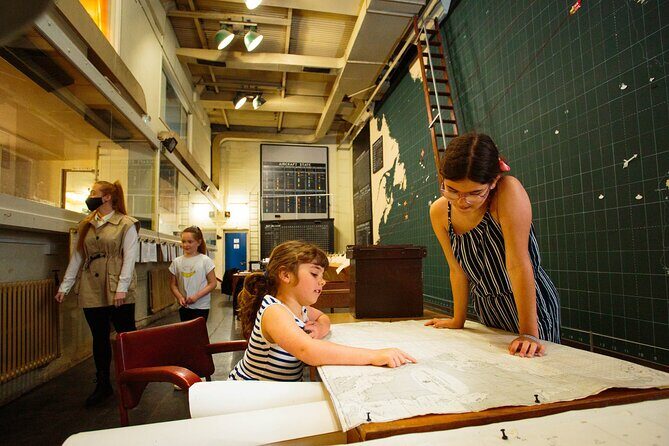
What really won me over is the hands-on feel: you can sit at desks, play with wartime machines like typewriters and teleprinters, and try on uniforms. My second favorite thing is the Map Room setup—this nerve center is described as remaining as it was left when the doors closed on 15 August 1945, so you’re walking through an honest-to-goodness time capsule.
One thing to consider: the experience is partly built on displays and reading, with limited video breaks. If you expect a super slick, audio-heavy production, you may find some parts a bit more old-school than the biggest war museums in London.
In This Review
- Key points before you book
- Western Approaches HQ: a secret Battle of the Atlantic bunker
- Before you go: tickets, timing, and practical logistics
- Stop-by-stop route: from entrance video to the Map Room
- The Map Room: where convoy tracking meets wartime precision
- Tools, documents, and a rare surviving wartime phone
- Hands-on WWII tech: desks, typewriters, teleprinters, and uniforms
- The final room: war-time priced hot drinks, games, and a film
- Price and value for a self-guided war museum
- Getting the most out of your 1 to 2 hours
- Who should book this self-guided tour?
- Should you book Western Approaches self-guided tour?
- FAQ
- How long does the Western Approaches self-guided tour take?
- Is admission to the Western Approaches Museum included?
- Is the tour fully self-guided?
- Are there steps, and is it physically difficult?
- Are service animals allowed?
- What are the opening hours?
Key points before you book
- Entry includes the Battle of the Atlantic Experience inside Western Approaches HQ
- Map Room left as it was on 15 August 1945, so it feels genuinely preserved
- Wartime phone and telephone exchange details included in the route
- Hands-on stations like typewriters and teleprinter machines
- Hot drinks at war-time prices, plus games and a short film at the end
- Annual return admission within 12 months if you want to revisit
Western Approaches HQ: a secret Battle of the Atlantic bunker
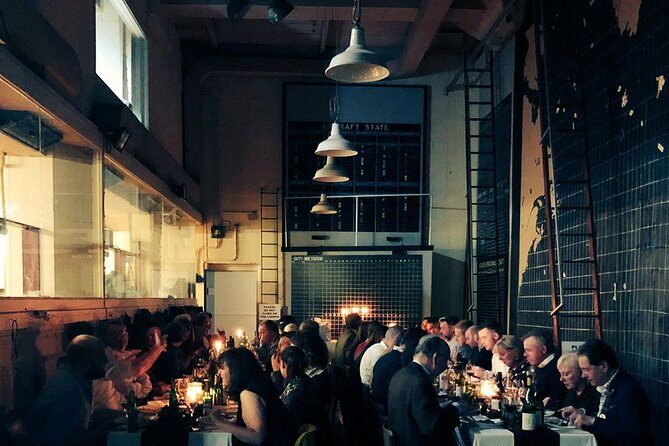
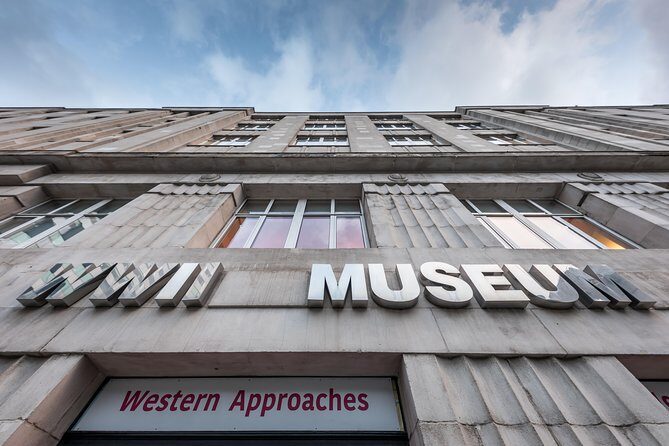
Western Approaches HQ is located right under Liverpool’s city center, built to support the Battle of the Atlantic. The big idea is simple: this wasn’t just war planning in theory. It was the behind-the-scenes intelligence work that helped the Allies protect shipping lanes and respond fast.
The museum’s physical setting matters. You’re moving through corridors and rooms that are part of a WWII bunker layout, not a modern gallery built to look like one. That gives the experience a stronger sense of place, especially when the layout includes working-style stations like the Map Room.
You’re also close to major central landmarks. It’s near Liverpool’s Town Hall, and it’s a short walk from the area around Albert Dock, which makes it easy to fold into a day of sightseeing.
You can also read our reviews of more guided tours in Liverpool


Before you go: tickets, timing, and practical logistics
This is a mobile ticket experience, and it runs daily from 10:00 AM to 6:00 PM (for the stated date range). The visit typically lands in that 1 to 2 hour window, so it’s a good choice when you want something focused that won’t eat your whole day.
At $24.26 per person, it’s priced like a serious museum stop, not a quick photo op. The value improves because admission is included upfront, and you also get an annual pass that allows free return admission within 12 months. That’s a smart perk if you’re the kind of person who reads everything once, then returns to study the details more slowly.
Two practical notes from the experience info:
- There are steps down into the bunker, and the tour is listed for moderate physical fitness.
- It’s also said to be near public transportation, which helps if you’re touring Liverpool without a car.
If you’re visiting with kids or bringing family, keep the pacing in mind. Many people end up staying longer than they expected because the rooms encourage you to pause, read, and interact.
Stop-by-stop route: from entrance video to the Map Room
Your visit starts with the lead-in to the Battle of the Atlantic. You can expect a short orientation video that sets the scene, then the museum’s rooms guide you deeper into how this operation worked.
From there, the tour is a self-guided walk through corridors and themed rooms. The flow is designed so you build understanding step by step: you learn what the intelligence mission was, then you see the tools, documents, and working areas connected to that mission.
The museum guide-style approach is built into the layout. You’ll notice attention to the feel of a working HQ—hidden rooms, equipment, and story-based displays tied to the people who ran the operation.
The Map Room is the centerpiece, and it’s where the story turns from background to action. It’s presented as the nerve center where key staff monitored convoy routes and vital shipping lines and used a huge map laid across a table to pinpoint enemy locations. The emphasis is on accuracy, because the Royal Navy’s ability to contact and destroy threats depended on those updates.
The Map Room: where convoy tracking meets wartime precision
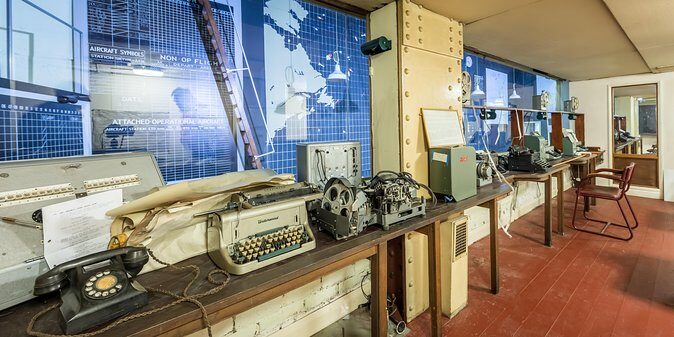
This is the part you’ll remember after you leave. The Map Room is described as remaining exactly as it was left on 15 August 1945, with the same basic setup preserved behind the doors.
The way the museum describes the work makes the stakes easy to grasp. The people here weren’t guessing. They were tracking convoy routes, monitoring shipping lines, and identifying likely enemy locations. The “big map on the table” is the visual that ties it all together, because it’s where the operation’s information becomes decisions.
If you like wartime operations that feel concrete and procedural, this room hits hard. It’s not just uniforms and history photos. It’s the process: monitor, report, act—fast enough to matter.
Tools, documents, and a rare surviving wartime phone
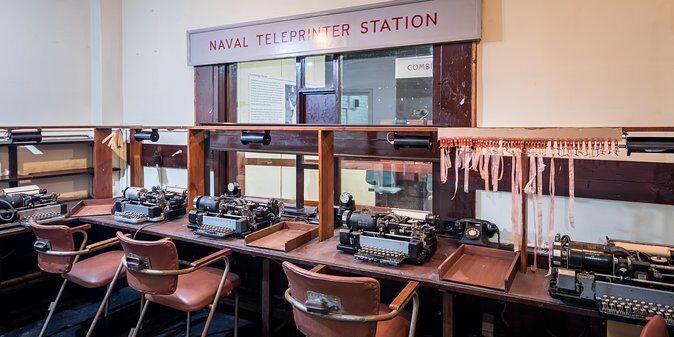
One of the standout details in the museum is the focus on intelligence secrecy. You’ll see references to how information was collected and shared with the British government while keeping those findings secret from the enemy.
Part of the route includes glimpses of documents and tools the forces used to monitor enemy convoys and feed intelligence results into the broader war effort. That helps explain why places like this bunker were so important: it wasn’t one battle. It was continuous work.
A particularly rare highlight is a wartime phone described as one of only two surviving wartime phones with a direct connection to the War Cabinet in London. If phones matter to you in history (and they should), this is the kind of item that makes a museum feel real rather than generic.
The telephone exchange is also part of the visit, so you’re not just seeing a single artifact—you’re getting a sense of the communication system that supported decisions.
A few more Liverpool tours and experiences worth a look



Hands-on WWII tech: desks, typewriters, teleprinters, and uniforms
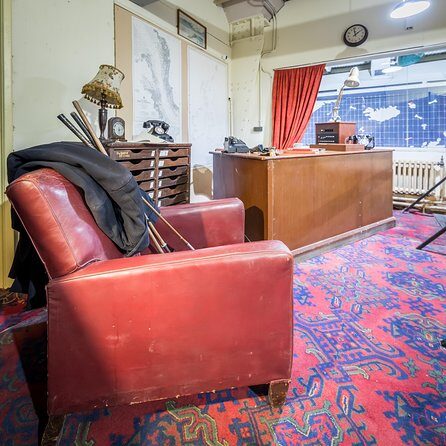
The museum is especially strong where it lets you get a little closer to what life in that HQ might have felt like. You can explore corridors and rooms, then you reach areas where you can sit at desks, handle interactive-style elements, and try out hands-on features.
Expect opportunities tied to:
- Typewriters and teleprinter machines
- A telephone exchange setting
- Uniform items you can try on
That hands-on element is a big reason this stop works even if you’ve visited other WWII sites before. You’re not only reading about the past. You’re engaging with the textures of wartime work—paper, machines, and the physical routine of a command center.
Is it perfect in every sense? No museum is. Some rooms are inevitably display-forward, and certain exhibit styles are more text-based than showy. But the chance to interact with work tools helps balance that out.
The final room: war-time priced hot drinks, games, and a film
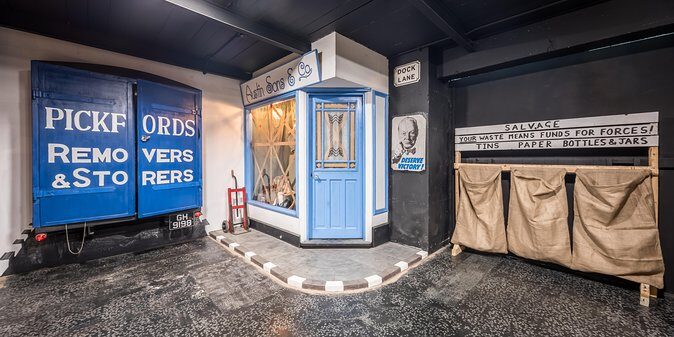
At the end of the route, you’re guided into a relaxed wrap-up space. This is where the museum shifts from wartime work to wartime life.
You’ll find hot drinks at war-time prices, plus traditional games to play and a film about life in Liverpool during the war. It’s a useful change of pace after the operational rooms, and it helps you reconnect the intelligence story to everyday people.
If you’re visiting with children, this final area can be the moment the whole thing clicks because it gives them something to do after the more intense history rooms.
Price and value for a self-guided war museum
Let’s talk value in plain terms. At $24.26, you’re paying for:
- Access to the full Western Approaches HQ museum experience
- A self-guided format (you control your pace)
- An annual pass that brings down the cost per return visit
That annual return is the part that turns this from a one-and-done ticket into a potentially better deal. If you’re a museum person, you can come back later and focus on details you rushed the first time.
Also, because it’s self-guided and open from 10:00 AM to 6:00 PM, it’s easier to schedule than timed-entry tours where you must hit a specific slot. When you can choose your own pace, you naturally tend to absorb more.
Getting the most out of your 1 to 2 hours
Plan for closer to 2 hours if you like to read and sit with exhibits. The tour length is listed as about 1 to 2 hours, and it’s easy to stretch it because the rooms are compact and packed with small details.
A good strategy:
- Start by watching the short orientation video carefully.
- Give the Map Room extra time, because it anchors the story.
- Don’t speed through the hands-on sections; that’s where the museum turns from information into experience.
If steps down into the bunker are a concern, build in a little extra time for slower movement. The museum mentions steps, so treat it like a place with minor vertical obstacles rather than a flat, stroller-friendly walk.
Who should book this self-guided tour?
This works best for:
- WWII history fans, especially anyone interested in the Battle of the Atlantic
- People who enjoy hands-on, behind-the-scenes museum design
- Families who can handle moderate walking and want a mix of learning and play
- Liverpool visitors who want something more specific than the usual city highlights
If you’re comparing it to larger, more production-heavy museums, you should go in with the right expectation. This is a smaller, operational-focused HQ experience, and it’s more about preserved rooms, real artifacts, and clear operational storytelling than high-budget special effects.
Should you book Western Approaches self-guided tour?
If you want a WWII site that feels practical and real—built around how intelligence work supported survival and victory—this is a strong yes. The standout combination is the preserved Map Room plus hands-on details like the teleprinters, typewriters, phone equipment, and uniforms.
Book it if you can handle stairs down into a bunker and you’re the type who likes to slow down and read. Skip or consider something else if you want nonstop audio guide drama and lots of high-tech visuals.
My advice: schedule it early in your Liverpool day if you can, so you’re fresh for the Map Room and still have time for a proper wander around the waterfront afterward.
FAQ
How long does the Western Approaches self-guided tour take?
The duration is listed as approximately 1 to 2 hours. If you take time with the hands-on areas and reading, plan closer to the higher end.
Is admission to the Western Approaches Museum included?
Yes. The ticket includes entry to the Western Approaches HQ Museum – The Battle of the Atlantic Experience.
Is the tour fully self-guided?
Yes. You explore the museum in your own time, walking through corridors and rooms without a fixed group pace.
Are there steps, and is it physically difficult?
The experience includes steps down into the bunker, and travelers are advised to have moderate physical fitness.
Are service animals allowed?
Yes. Service animals are allowed.
What are the opening hours?
The museum is listed as open 10:00 AM to 6:00 PM, Monday through Sunday, during the stated date range.