REVIEW · BRISTOL
Wild West Wine and Cider Experience
Book on Viator →Operated by Wild West Wine and Cider · Bookable on Viator
Cider and wine in the middle of nowhere?
This small-group Wild West Wine and Cider Experience takes you about ten minutes from the Clifton Suspension Bridge area, but the vibe switches fast: you’re walking through a rural valley in Failand among organically grown apples and grapes, learning how natural wine and cider are made without added sulphites or other additives.
What I really like is how hands-on it feels for a 1 hour 30 minutes stop. You get to walk the vineyard and orchard, then taste what you’ve just learned—plus you’ll see the apple side of the process and end with samples paired with local cheese.
One thing to consider: it’s weather-dependent, so plan for a possible change if conditions aren’t good, and wear shoes that handle grass and country paths comfortably.
In This Review
- Key points before you go
- From Clifton to a rural valley in about 90 minutes
- What you actually do: vineyard walk, orchard stroll, and tastings
- The vineyard part
- The orchard part
- The tastings
- Natural wine and cider without sulphites: what that means in practice
- What to pay attention to while tasting
- The production side: apples, pressing, and the work behind it
- Who this fits best (and who might want something else)
- Price and value: getting a real tasting, not a token sample
- Photos in the valley: pretty, but keep an eye on your footing
- Practical details that affect your day
- Should you book Wild West Wine and Cider in Bristol?
- FAQ
- How long is the Wild West Wine and Cider Experience?
- Where does the tour start, and does it end nearby?
- What time does the experience usually run?
- What group size should I expect?
- Is the tour in English?
- What will I be tasting?
- Is there any food included?
- Does the tour use wines and ciders with additives?
- What happens if the weather is poor?
- Are service animals allowed, and is it easy to reach?
Key points before you go
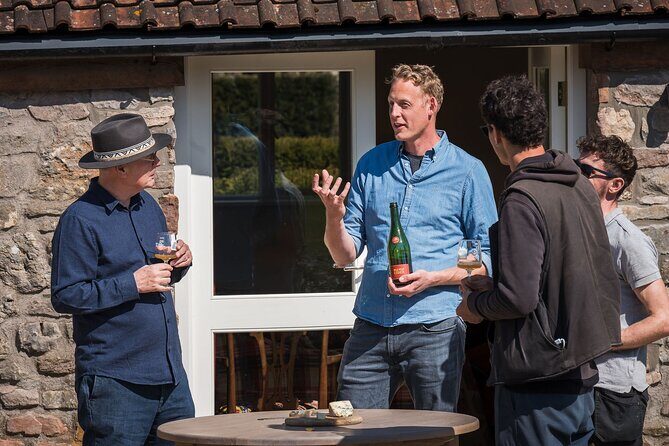
- Maximum 15 people keeps it personal, not a cattle-call tasting
- Natural wine and cider made without sulphites or other additives
- Organic vineyard and orchard walk teaches the real effort behind going organic
- Cider-making process included, including how apples go from orchard to pressing
- Cheese pairing and generous samples make the tasting feel like a full afternoon
From Clifton to a rural valley in about 90 minutes
This tour starts in Bristol around 2:00 pm and runs about 1 hour 30 minutes, with the experience ending back at the meeting point. The timing matters because it’s long enough to feel like more than a quick sip-and-go, but not so long that you’ll dread it when you have other plans in the city.
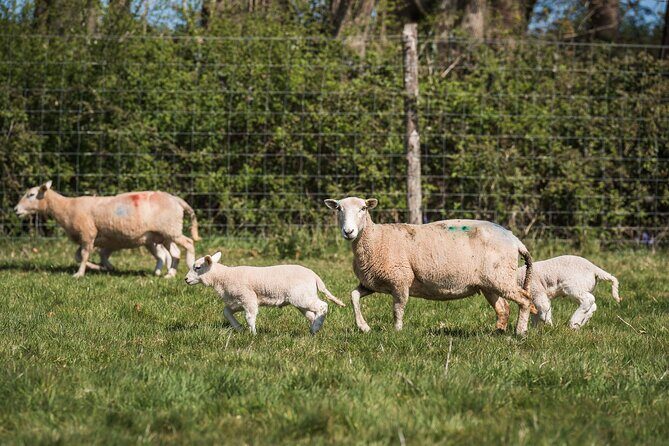
The big magic trick here is the contrast. You begin close enough to Bristol that you can fit it into a day, but you leave the urban feel behind quickly. Once you’re in the Failand countryside, you’re walking rustic paths, seeing orchard rows, and tasting in a setting that feels removed from everyday life.
And yes, you’ll likely take pictures. This place is photogenic in a straightforward way—rural valley views and natural orchard scenery—without needing staged props.
You can also read our reviews of more wine tours in Bristol

What you actually do: vineyard walk, orchard stroll, and tastings
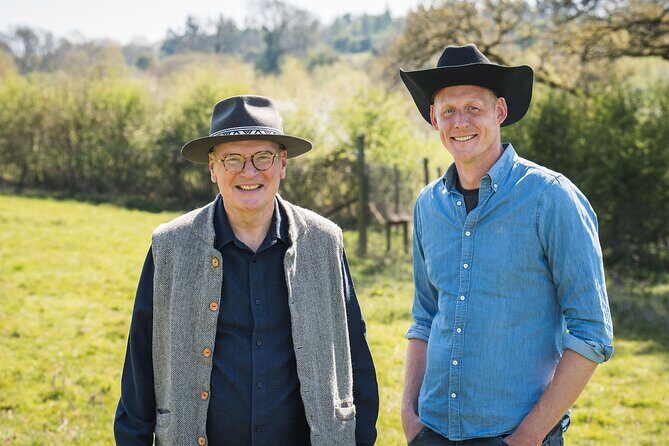
The heart of the experience is a walk that mixes education with tasting. You start with a welcome from the host, then head along a rustic path toward the vineyard. The pace stays relaxed, which is a big part of the charm: you’re not rushed, and you’re not herded.
The vineyard part
In the vineyard, you learn about the trials and tribulations of setting up an organic vineyard. That wording shows up for a reason. Going organic isn’t just a badge—it’s a lot of practical work and constant attention. You’ll hear how the vineyard choices connect to the end product, especially when it comes to natural wine style.
This section isn’t only about facts. It’s meant to help you taste with context. When you move later into wine and cider samples, you’ll already understand the logic behind what you’re drinking.
The orchard part
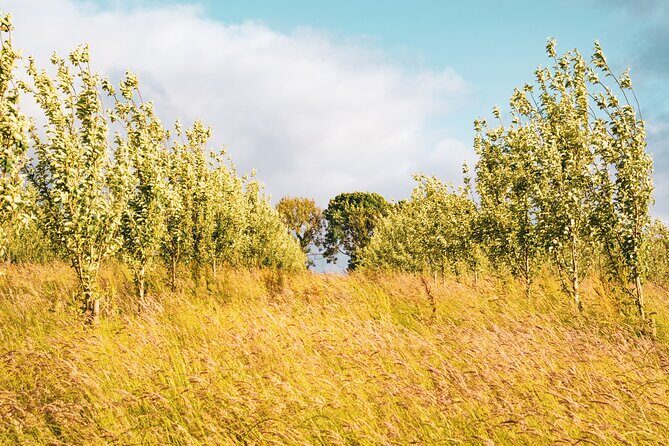
After the vineyard, you head back through the organic orchard. This is where the apple story comes to life. You can expect to see and learn about the varieties of apples, and you’ll get a feel for why cider makers care about fruit character so much.
The orchard walk also adds a slower, calmer rhythm. It’s a nice break from the city if you’ve been on the move that morning.
The tastings
Tasting is built into the flow, not bolted on at the end. You’ll sample natural wines and ciders, and you’ll finish with paired bites—most notably local cheese along with biscuits. The tastings are generous enough that you won’t feel like you’re just getting a thimble.
If you like comparing styles, this tour gives you that chance: you’ll get multiple cider types (including sparkling cider, which is a favorite for some visitors), and you’ll get a mix that helps you notice differences rather than just picking the easiest one.




Natural wine and cider without sulphites: what that means in practice
The tour’s natural approach is the central theme: no sulphites, no other additives. That matters because it affects your expectations.
Here’s the practical takeaway for your glass: natural doesn’t automatically mean sour or weird, but it does mean the maker is working with living materials and less processing. You’re tasting what comes from the orchard and vineyard choices, plus fermentation style.
You’ll also learn about the end-to-end traditional process for making wine and cider—meaning it’s not just a marketing slogan. You get shown how the raw ingredients connect to the finished drink.
What to pay attention to while tasting
Since you’ll be tasting multiple samples, you’ll get more out of it if you focus on a few things:
- Which cider styles feel drier or more aromatic
- Whether the wine leans lighter or has more fruit depth
- How the cheese pairing changes what you notice in the drink
Cheese pairing is a simple move, but it’s one of the best ways to learn quickly. It nudges your palate, so flavors that might blur alone become clearer.
The production side: apples, pressing, and the work behind it
One of the strongest parts of this experience is that it doesn’t stop at the walk and the pour. You’ll see the production side, including how apples are pressed for cider.
That matters for two reasons:
- It makes the tour feel real, not only scenic.
- It helps you understand why orchard variety is worth paying attention to.
In natural cider and wine making, the details aren’t tiny. Small differences in fruit, timing, and handling can shape the final result. Seeing the pressing process gives you a concrete link between orchard and bottle.
It’s also where you’ll hear how much effort it takes to keep everything consistent while staying true to organic principles. This is where the host passion shows up the most—people who care tend to explain more, and you’ll leave with better questions to ask the next time you see a menu with cider or natural wine.
Who this fits best (and who might want something else)
This tour works especially well if you:
- Want something different from the standard city tour
- Like learning by walking and sampling, not sitting through slides
- Enjoy cider as a full drink, not just a novelty option
- Want a group size that feels like a conversation
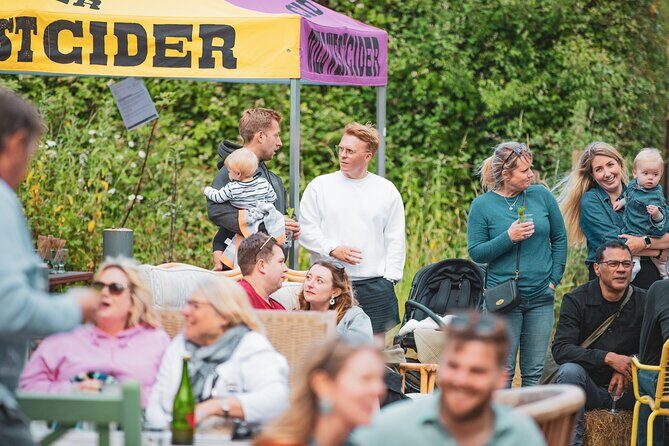
The experience runs with a maximum of 15 travelers, so it stays intimate. You’ll have chances to ask questions without yelling over background noise.
If you only want a quick sip and don’t care about learning any process, you might find the education-heavy style a bit more than you need. But if you’re curious about organic farming and natural methods, you’ll likely appreciate the flow.
Price and value: getting a real tasting, not a token sample
At $30.21 per person, this is priced like an afternoon activity that includes access, guided time, and tastings. For that money, you’re not just paying for wine and cider—you’re paying for:
- Guided vineyard and orchard walking time
- The explanation of natural and organic methods
- Multiple tasting samples
- Pairing with local cheese (plus biscuits)
Also, the group size helps your value feel higher. When you’re one of a small set, the host can actually tailor pacing and respond to questions.
If you’re comparing it to other experiences that are mostly scenery with a small drink at the end, this one tends to feel more complete because the tasting is tied to what you see and learn.
Photos in the valley: pretty, but keep an eye on your footing
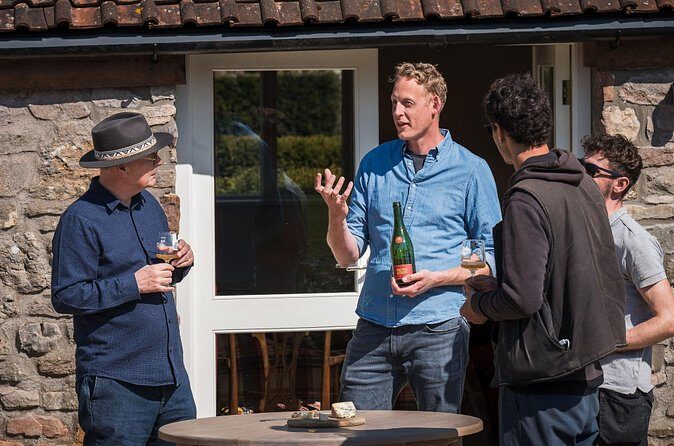
There’s plenty to photograph: orchard rows, vineyard areas, and the rural valley setting. The trick is to balance picture-taking with the walk. Paths can be uneven, so you’ll want to move carefully rather than stop abruptly for every shot.
If you’re the type who likes to capture more than a couple of frames, you’ll still be fine. The tour gives you natural moments to pause, especially around the orchard.
Practical details that affect your day
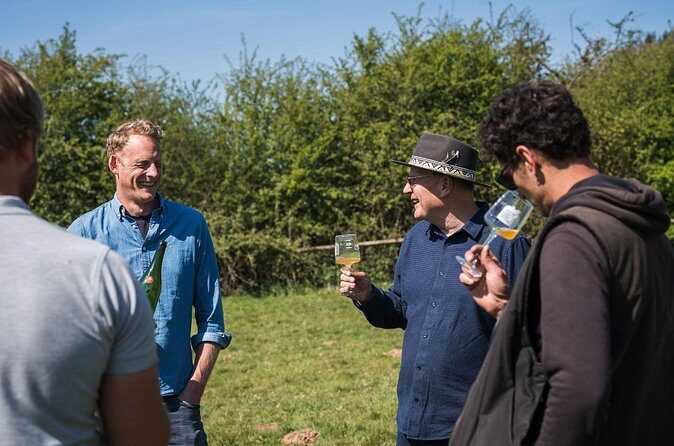
This is an English-language tour and uses a mobile ticket. It also runs with a host welcome and an end back at the same starting spot.
It’s listed as near public transportation, and service animals are allowed. The experience is also marked as suitable for most travelers, which is good news if you’re not sure you want something strenuous.
For the best experience, wear footwear that works outdoors. You’ll be walking on rustic paths and spending time on orchard ground, so grippy shoes help more than you might expect.
Should you book Wild West Wine and Cider in Bristol?
Book it if you want a genuine countryside break that stays focused on what matters: natural wine and cider, organic fruit, and the work behind the bottle. The small group size makes it feel personal, and the pairing with local cheese makes the tasting feel like a real meal component, not a quick snack.
Skip or swap to something else if you’re chasing only a city-style outing or you don’t want any process education. The tour is built around walking and learning, and it’ll suit you best if you enjoy that kind of hands-on time.
If the weather is iffy on your day, keep an eye on updates. Since it depends on good weather, it’s the kind of plan that works best when the forecast is on your side.
FAQ
How long is the Wild West Wine and Cider Experience?
It runs for about 1 hour 30 minutes.
Where does the tour start, and does it end nearby?
The tour starts at the listed Bristol meeting point and ends back at the same meeting point.
What time does the experience usually run?
The start time shown is 2:00 pm.
What group size should I expect?
The experience has a maximum of 15 travelers, which keeps it small and more personal.
Is the tour in English?
Yes, the tour is offered in English.
What will I be tasting?
You’ll taste natural wine and cider, with samples provided during the walk and tasting portions of the experience.
Is there any food included?
Yes. The wine and cider tasting is paired with local cheese, and you’ll also have biscuits as part of the tasting finish.
Does the tour use wines and ciders with additives?
The experience focuses on natural products made without sulphites or other additives.
What happens if the weather is poor?
It requires good weather. If it’s canceled due to poor weather, you’ll be offered a different date or a full refund.
Are service animals allowed, and is it easy to reach?
Service animals are allowed, and the meeting area is listed as near public transportation.