REVIEW · BRISTOL
Brunel’s Bristol: A Self-Guided Tour from SS Great Britain to Clifton Bridge
Book on Viator →Operated by VoiceMap Audio Tours · Bookable on Viator
Brunel’s Bristol plays like a built-in story map. You follow an audio route that threads through Bristol’s waterfront engineering—from SS Great Britain area landmarks to the climb-and-view payoff at Clifton—without joining a group tour. I especially like the offline access (audio, maps, and geodata) and the way the guide keeps you moving with clear GPS-style directions.
The one thing to plan around is effort: the last stretch is a steep hike toward the end, and parts of the path can feel tight near roads, especially if construction is active.
In This Review
- Key highlights to look for
- How this VoiceMap self-guided tour actually works
- Lloyds Amphitheatre start: get your bearings before you move
- Hanover Quay to Harbour Inlet: the port-city walk you can pace yourself
- Spoke and Stringer, Capricorn Place, and the little stops in between
- Cumberland Basin and the swing-bridge sequence
- The Zig Zag and Old Clifton Rocks Railway: where the legs meet the story
- Ending with the Clifton Suspension Bridge view and the Lookout Lectern
- Price and timing: why $8.99 can be good value
- Who should book Brunel’s Bristol, and who should think twice
- Should you book this self-guided Brunel walk?
- FAQ
- How long is the self-guided tour?
- What language is the audio guide in?
- Do I need mobile data during the walk?
- Where does the tour start and end?
- Is this tour private or shared with others?
- What’s included in the price?
- Is any food or drink included?
- Are tickets or museum entrance fees included?
- What happens if I cancel?
Key highlights to look for
- Offline audio and maps so you can keep walking without worrying about signal
- GPS help when you’re deciding where to go next
- A stop-by-stop route from Lloyds Amphitheatre to the Lookout Lectern
- Big-engineering sights along the quays, basins, and swing bridges
- The Zig Zag climb that turns the route from easy stroll to rewarding workout
- Clifton Suspension Bridge viewpoints as the final payoff
How this VoiceMap self-guided tour actually works

This is a self-guided VoiceMap audio tour, made for you to walk your own pace. After you start at Lloyds Amphitheatre, the audio cues you at each major landmark—so you’re not guessing what’s around the next corner or stopping to read every sign.
Two details matter a lot in real life. First, offline access is included, covering audio, maps, and geodata. That means you can keep going even if you lose mobile service on the waterfront or near the bridges. Second, it’s built to run on Android and iOS through the VoiceMap app, so you’re using one system the whole way.
You also get lifetime access to the tour in English. That’s a quiet value-add. You can repeat it later, try again if you got slowed down, or revisit on a different day for better light and quieter streets.
One practical note: you’ll be doing the “tour” part with your own equipment. The smartphone and headphones are not included, so plan to bring them.
You can also read our reviews of more guided tours in Bristol



Lloyds Amphitheatre start: get your bearings before you move
Your tour begins at Lloyds Amphitheatre (Explore Ln, Bristol BS1 5LL). I like starts like this because it gives you a strong reference point. You’re not wandering blind through an unknown block; you’ve got a clear place to begin, and the audio kicks in from there.
From the amphitheatre, the route quickly orients you toward Bristol’s harbor-side character. You’ll be walking into an area where bridges, quays, and basins feel connected—not like random “photos spots” separated by distance. The guide helps you understand what you’re looking at as you go.
If you’re the type who needs a few minutes to settle, use them right here. Most of your “thinking” should happen at the start: get your audio playing, confirm your headphones are comfortable, and make sure you can follow the next prompt before you reach the busier waterfront bits.
Hanover Quay to Harbour Inlet: the port-city walk you can pace yourself
The next stretch takes you along Hanover Quay. This section is the beginning of the waterfront loop feel—wide enough to move, but close enough to the water and structures that the engineering theme stays in focus.
As you go, you’ll pass Spitfire Barbecue, and it’s a good reminder that this is also a working-feeling part of town, not a museum corridor. Since food/drink isn’t included, you’ll likely treat these passes as opportunities. If you want a mid-walk bite, this is the kind of spot you can use for a quick lunch stop without breaking the whole day.
You’ll then reach Harbour Inlet, where the audio commentary starts to make the space more understandable. Instead of just seeing water and walls, you learn what to look for and why certain structures matter in the city’s story. The vibe here is practical: you’re walking, your attention is guided, and the scenery becomes a “why it’s here” lesson.
If you prefer low-stress travel, this part is where you set your rhythm. Keep your pace comfortable, because the route later asks more from your legs.
Spoke and Stringer, Capricorn Place, and the little stops in between
After the inlet, the tour moves you past Spoke and Stringer and along Capricorn Place. These stops help break up the walk into “chapters,” so you’re not just trudging from bridge to bridge. They also keep the audio anchored to something specific, which helps if you occasionally need to pause for photos.
You’ll also have a brief stop at a statue. Short pauses like this are useful. They act like a mental checkpoint: you catch your breath, reset your phone audio if needed, and then move on with your attention re-focused.
A bit later, you’ll pass a landing and Pump House. Those names sound simple, but along this route they matter because they mark how Bristol’s waterfront functions. You’re moving through spaces where the city’s infrastructure and engineering design show up in everyday form.
One big win here: the audio is clear enough that you don’t need to constantly stop and look things up. When you’re walking, that kind of flow is the difference between a pleasant stroll and a slow, frustrating hunt for context.
Cumberland Basin and the swing-bridge sequence
Next comes Cumberland Basin, crossed as part of the walking route. This is one of those stretches where you can feel the size of the area. Even if you’re not reading every detail, the audio helps you connect what you see—the water, the crossings, the bridge mechanisms you’ll encounter next.
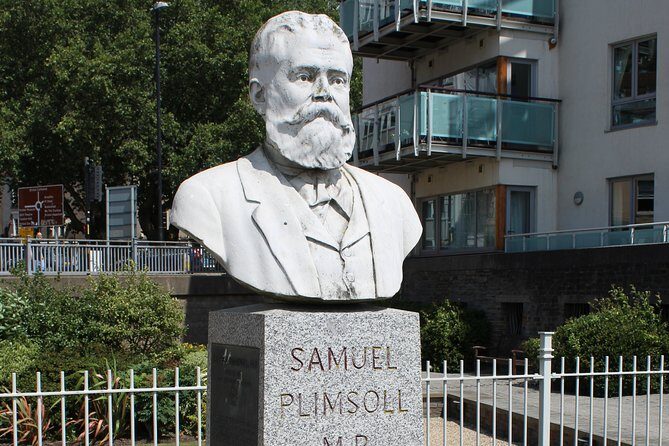
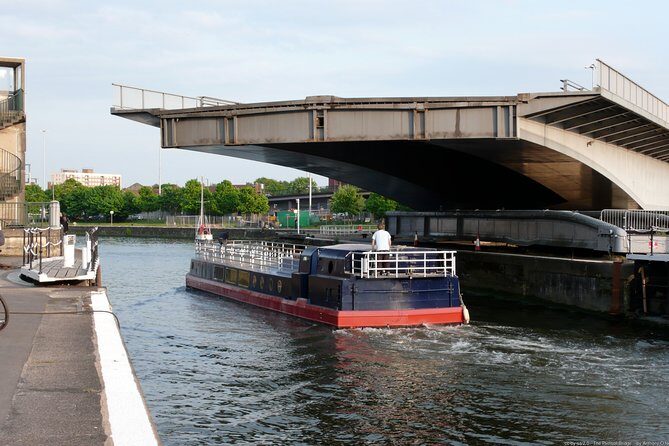
Then you reach Plimsoll Swing Bridge followed by Brunel’s Swing Bridge. This is where the tour’s engineering theme becomes the main event.
I like that the guide doesn’t treat these as generic scenic bridges. The commentary is focused and designed to be heard while you’re physically there, so you can match the spoken explanation with what you can see. It also helps you keep your eyes up rather than staring at your feet the whole time.
Now, a realistic caution: this is waterfront infrastructure, which can mean uneven ground, changing sidewalks, and occasional road-edge sections. One thing I’d watch for is the practical safety issue mentioned in real use: some parts of the route may not have a smooth, comfortable pedestrian setup, and construction can affect how the walking space feels.
A few more Bristol tours and experiences worth a look




The Zig Zag and Old Clifton Rocks Railway: where the legs meet the story
The route then goes along the Zig Zag. This is the point where the walk stops being “mostly flat” and turns into a real climb. The route description and real-world feedback both make it clear: expect a steep hike toward the end, so don’t pretend you’re on a casual stroll.
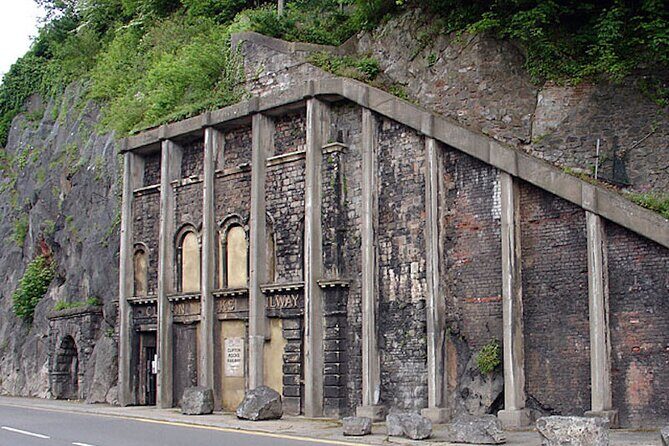
As you climb, you’ll pass Old Clifton Rocks Railway. This segment ties into the overall theme by showing how Bristol’s terrain and infrastructure solved problems with clever design. Even if you don’t know the technical details ahead of time, the audio gives you a framework so the structures don’t feel random.
Here’s my practical advice: start this climb with energy to spare. If you go out too fast on the earlier flat stretches, you’ll feel it when the Zig Zag starts asking for effort. If you need a breather, take it. The value of a self-guided tour is that you’re not forced to match anyone else’s pace.
Also be aware that construction can throw a wrench in plans. If you hit a blocked section, follow the app’s guidance when possible and be ready for a short workaround. The tour experience is best when you keep calm and treat reroutes as part of the city’s reality.
Ending with the Clifton Suspension Bridge view and the Lookout Lectern
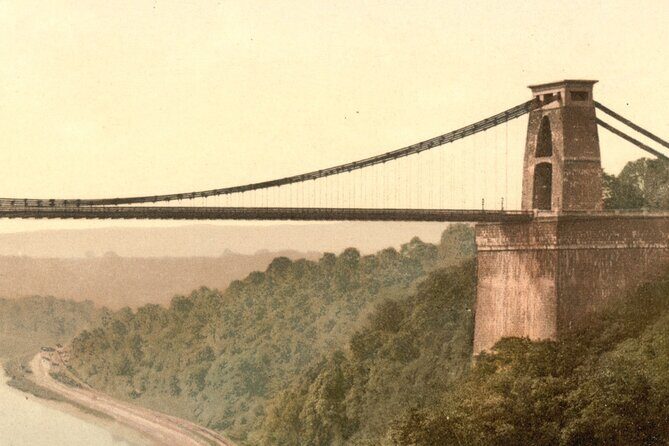
The final segment brings you to a view of Clifton Suspension Bridge and ends at the Lookout Lectern (Sion Hill, Clifton, Bristol BS8 4BL). This is what you’ve been walking for: the moment when the earlier engineering lessons turn into a big, satisfying viewpoint.
If you’ve managed your pace on the way up, this is where you can slow down and really absorb it. The audio ends at the lectern area, but the best move is to keep your eyes on the bridge and the surrounding structures for a few extra minutes.
If you’re also thinking about food, this is where it pays off to build flexibility into your day. One real-world strategy is doing the walk, then using nearby options for lunch or dinner with waterfront/bridge views. The route passes places like Spitfire Barbecue, and the area around Clifton has options where you can sit back and enjoy the same view you earned on foot.
Price and timing: why $8.99 can be good value
At $8.99 per person, this tour is priced like a “small decision, big payback” activity. You’re paying for guided context that turns a walk into a story you can follow—without booking a group, waiting for anyone else, or paying museum-entry prices.
Timing is also straightforward. It’s listed as about 1 hour to 1 hour 15 minutes on average, which fits into a travel day nicely. That also means you’re not committing to a half-day planning headache.
To get the best value, I’d treat it like an intentional walk rather than background audio. Give yourself enough time for the last steep part, and don’t plan a tight departure right after the end. A reasonable buffer makes the difference between enjoying the viewpoint and feeling rushed.
Who should book Brunel’s Bristol, and who should think twice
This works especially well if you like self-guided travel that still feels guided. You’ll enjoy it if you want to learn about Brunel and Bristol’s engineering without booking an organized tour, and if you prefer controlling your own stops—like pausing for photos or taking a lunch break when you pass food spots.
It’s also a great match if you want repeatable value. Lifetime access means you can do it once and then do it again later, when you notice new details or when you’re back in Bristol.
The main reason to think twice is physical effort. The route includes a steep climb near the end, and some walkway sections may feel less friendly if sidewalks narrow or construction changes access. If you’re not comfortable with uphill walking, you may find the last stretch a deal-breaker.
Should you book this self-guided Brunel walk?
Yes—if you want a low-cost way to understand Bristol’s engineering landmarks and you’re up for a steep finish. The offline audio and map support is a major quality-of-life upgrade, especially along waterfront areas where signal can be unreliable. The route structure—start at Lloyds Amphitheatre, then step through the quays, basins, and swing bridges—keeps you oriented and makes the final Clifton Suspension Bridge viewpoint feel earned.
Skip it or plan carefully if steep walking is a challenge for you, or if you’re traveling with someone who needs a fully accessible route. This tour sounds like it gives clear directions, but the physical profile matters more than the narration.
If you like walking with purpose and you want Brunel’s Bristol to make sense as you go, book it.
FAQ
How long is the self-guided tour?
It takes about 1 hour to 1 hour 15 minutes on average.
What language is the audio guide in?
The tour is offered in English.
Do I need mobile data during the walk?
No. Offline access is included for audio, maps, and geodata.
Where does the tour start and end?
It starts at Lloyds Amphitheatre (Explore Ln, Bristol BS1 5LL, UK) and ends at the Lookout Lectern (Sion Hill, Clifton, Bristol BS8 4BL, UK).
Is this tour private or shared with others?
It’s listed as private. Only your group will participate.
What’s included in the price?
You get lifetime access to the tour in English, plus the VoiceMap app for Android and iOS with offline access.
Is any food or drink included?
No. Food and drink are not included.
Are tickets or museum entrance fees included?
No. Tickets or entrance fees to museums or attractions en route are not included.
What happens if I cancel?
This experience is non-refundable and cannot be changed for any reason.