REVIEW · LONDON
Charles Dickens Old London – Very Small Group Tour
Book on Viator →Operated by Richards Tours · Bookable on Viator
Charles Dickens Old London is the kind of walk that turns street names into stories. In a tight group of up to 10, I love how you get real attention from the guide, plus you cover a smart mix of literary hot spots like Fleet Street and St. Paul’s Cathedral. Two other things I like: you get plenty of time at classic stops (not just a quick photo), and the route stays grounded in everyday city life, not costume cosplay. One thing to consider: it’s a 2–3 hour walk through central London, so wear shoes that can handle lots of pavement and steady strolling.
You’ll start in the Temple area at Temple Station at 10:00 am and end near the Monument to the Great Fire area. The tour is offered in English, runs on a mobile ticket, and you’ll be in good hands with professional guide Richard from Richards Tours. Service animals are welcome, too, and most people can participate—just keep in mind there’s no food included, so plan on grabbing a snack afterward if you need one.
In This Review
- Key things I’d circle before you book
- Why this Dickens walk feels personal, not like a script
- Timing and route flow: a 2–3 hour City circuit
- Fleet Street: where printing power shaped Dickens’s world
- Inner Temple: Dickens as a junior clerk-in-training
- Ye Olde Cheshire Cheese: a tavern cellar that feels like plot
- St. Paul’s Cathedral area: walking the edges of the old City
- Guild Church of St Mary Aldermary: a working church with a practical pause
- Royal Exchange: where Scrooge’s world meets real streets
- Leadenhall Market: A Christmas Carol street theater in the real City
- The George and Vulture and Scrooge’s other eating spots
- Brabant Court: the case for (and against) Scrooge’s house
- Price and value: what $108.32 buys you
- Who should book this (and who might pass)
- Should you book Charles Dickens Old London?
- FAQ
- How long is the Charles Dickens Old London tour?
- Where does the tour start, and what time is it?
- Where does the tour end?
- Is the tour group size limited?
- What’s included in the price?
- Are food and drinks included?
- Is the tour offered in English?
- Can I bring service animals?
- What if I need to cancel?
Key things I’d circle before you book

- Very small group (max 10): more questions, more time at each stop, less crowd pressure.
- Dickens-linked locations you’ll actually recognize: Fleet Street, Royal Exchange, Leadenhall Market, plus taverns tied to A Christmas Carol and other works.
- Frequent stops with breathing room: several 10–15 minute pauses let you look closely and catch your pace.
- Easy, central starting point: Temple Station is simple to find and is near public transit.
- Guide flexibility and added literary connections: Richard can connect themes to other famous figures like Sherlock Holmes, Benjamin Franklin, and Shakespeare when it fits.
- Finish near the City’s dining options: Leadenhall Market is on the route, and the end point puts you close to more places to eat.
Why this Dickens walk feels personal, not like a script
This isn’t a massive, headcount-chasing tour. It’s capped at 10 people, which changes the whole vibe. You’re not stuck shouting over the group; you can actually hear answers, ask something that popped into your mind, and get “why this mattered” context instead of a rushed list.
What I really like is the way Richard ties Dickens’s London to what you can still see today—courts, alley-like corners, working church space, and trading streets. It’s also grounded in the present. From what I’ve learned about Richard’s style, he mixes vivid storytelling with a clear sense of modern Britain, so you don’t feel like you’re reading a textbook with your feet moving.
And yes, it’s very Dickens-focused even if you don’t read every book. You still leave with a map of characters and themes you can recognize when you see the city again.
You can also read our reviews of more tours and experiences in London.

Timing and route flow: a 2–3 hour City circuit
Expect about 2 to 3 hours of walking. The start is 10:00 am at Temple Station (Temple Pl, London WC2R 2PH). You’ll finish near the Monument to the Great Fire of London (Fish St Hill, London EC3R 8AH). That finish matters: it drops you back in the City of London, where you can keep exploring or grab a late brunch/early lunch after.
This isn’t a sit-down experience. Most stops are short—often around 10 minutes—with a couple longer moments to let the setting land. I’d treat it like a guided “look closer” session: bring a curious mindset, not the expectation that you’ll be inside museums the whole time.
Practical tip: central London can be tight and windy, especially around the City streets. Dress for walking weather and keep a light layer handy.
Fleet Street: where printing power shaped Dickens’s world
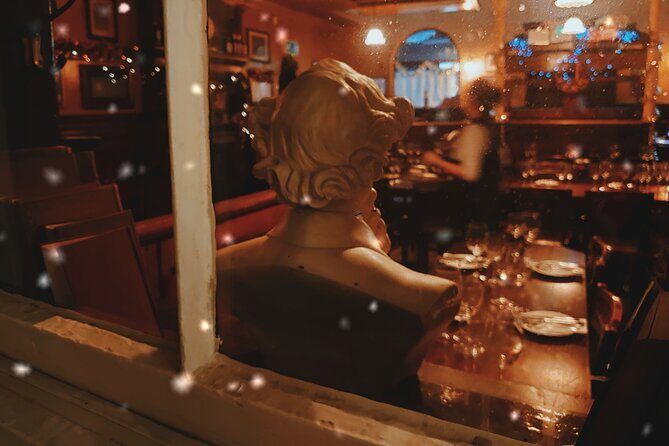
Fleet Street is your first stop, and it’s a smart opener. This is tied to the printed press since the early 1500s, which is exactly the environment where someone like Dickens could rise—where stories get turned into ink-and-paper and then distributed through London’s publishing channels.
When you stand on Fleet Street, you’re not just seeing a famous street. You’re seeing the infrastructure of storytelling: the routes people traveled, the businesses that made publishing possible, and the urban rhythm that shaped the kinds of characters Dickens wrote about.
If you’re the type who likes to understand how a city produces ideas, Fleet Street is your anchor. It gives you a lens for the rest of the walk.
Inner Temple: Dickens as a junior clerk-in-training
Next comes Inner Temple, an area strongly linked to Dickens’s early working life. The point here isn’t “Dickens lived here” in a broad, vague way. The value is the atmosphere of the Inns of Court—the legal world, the architecture, the curious mix of tradition and practical work.
From there, it connects to how those settings and details show up later in works like David Copperfield, Great Expectations, and Martin Chuzzlewit. Even if you don’t know those books well, you’ll start recognizing how authors steal from the texture of daily life: the roles, the routines, the buildings that look ceremonial but function as workplaces.
This stop is short, so use it to orient your reading brain: look up, notice the feel of the area, and think about the difference between a story that’s invented and a story that’s built from observation.
Ye Olde Cheshire Cheese: a tavern cellar that feels like plot
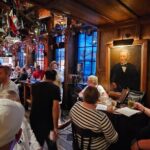
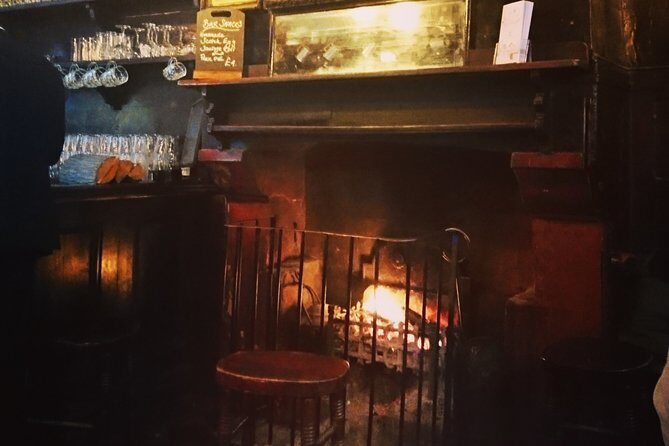
Then you hit Ye Olde Cheshire Cheese, with cellars dating back to the 13th century. Even without going deep into every historical layer, it’s the kind of place where you can sense why Dickens’s London felt real.
This tavern also ties into A Christmas Carol and other Dickens landmarks in a way that’s easy to hold onto. You’ll connect it to the Hellfire Club meeting area and to moments in Dickens’s writing where social spaces—especially taverns—act like character stages.
One consideration: taverns can be busy, and the stop length is limited. Treat it as a “listen and look” moment, not a long hangout.




St. Paul’s Cathedral area: walking the edges of the old City
A major highlight is walking by St. Paul’s Cathedral and through the church yard as you move deeper into the old City of London. This is where the tour’s mood shifts from street-level intrigue to scale and setting.
Cathedrals do two jobs in a story like Dickens’s. First, they signal permanence—something the city uses to outlast hardship. Second, they frame how characters move through London: from narrow alleys and courts to bigger civic spaces.
If you like photography, this is a key moment. If you like atmosphere, it’s even better. Stand still for a few seconds and let the size of the scene reset your sense of where you are.
Guild Church of St Mary Aldermary: a working church with a practical pause
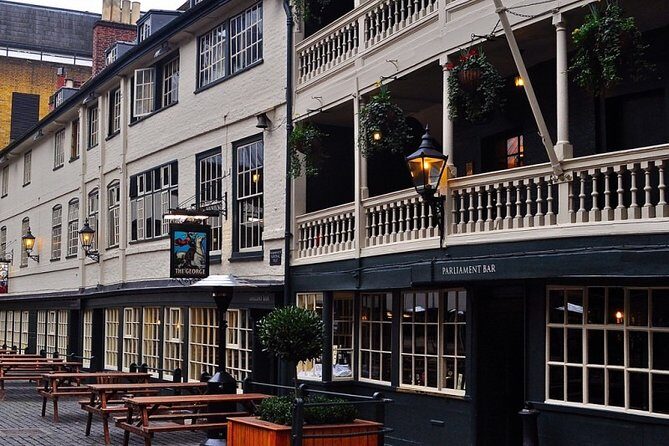
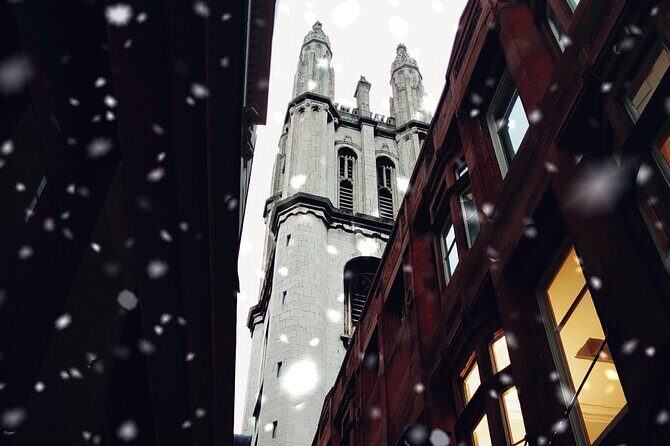
Next is the Guild Church of St Mary Aldermary. This stop is fascinating because it’s not just a historic building. It’s still a working guild church in the heart of the City, and it also functions as a café space now—meaning you get an authentic pause during the walk.
This is your “catch your breath” point. With about 10 minutes here, it’s designed for a quick reset rather than a full meal stop. Since food and drinks are not included on the tour, this café setting is useful if you want to grab something small right then.
If you’re sensitive to noise or crowds, go in with the expectation that this is central and active. Use the time to rest your legs and re-focus.
Royal Exchange: where Scrooge’s world meets real streets
Royal Exchange comes with strong story energy. It’s right by the Bank of England area and connects to the scenes where Scrooge’s colleagues discuss his funeral, plus the Exchange steps tied to announcements.
What makes this stop valuable is the contrast. Today you’ll see modern visitors, trading history, and the way the building’s purpose has changed over time. There are designer shops and champagne bars now, which can feel surprising compared with the original commercial seriousness.
I like this stop because it teaches a neat lesson: cities don’t freeze. Dickens’s London is recreated in memory, but the stone you’re standing on keeps changing jobs—just like the people.
Leadenhall Market: A Christmas Carol street theater in the real City
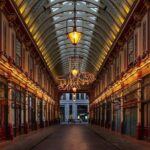
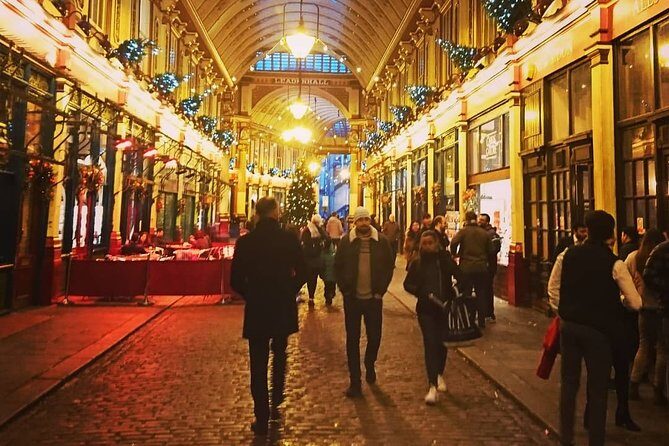
Then you move into Leadenhall Market, featured in A Christmas Carol and used as a filming location for the Harry Potter movies. That film connection matters in a practical way: it helps you “spot” details faster, even if you’re not a Dickens superfan.
Leadenhall Market is also one of the better places to watch how London blends the old and the working. It’s not a dead set. It’s part of everyday city movement.
Stop time here is short (around 10 minutes), so I’d use it to walk slowly. Look at the way the space funnels people, and imagine the kind of talk and passing trade Dickens might have observed.
The George and Vulture and Scrooge’s other eating spots
One of the most story-heavy parts of the walk is when you head into the area associated with Scrooge’s Counting House and Dickens-linked taverns connected to A Christmas Carol. The tour’s description focuses on the Chop House George and Vulture and an area where Scrooge’s supper on Christmas Eve fits into the local geography.
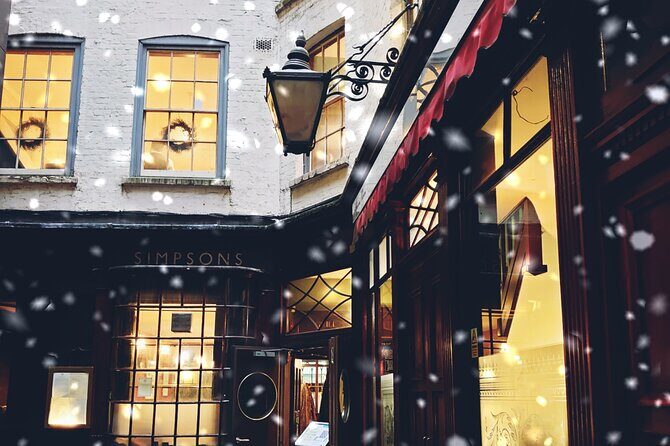
This is also where the guide’s personality shows. Richard’s style is known for making literary London feel tangible. You’ll get explanations that connect characters to real places, including how Dickens’s Pickwick Club connections connect to spots like the George and Vulture, and the logic behind why an adjacent tavern such as Simpsons may be the kind of place Scrooge would favor.
Since food and drinks aren’t included, don’t expect a tasting. But you will get the “how this place functions as a story stage” lesson, which is what makes this kind of stop worth your time.
If you’re a reader, you’ll likely start mentally tagging chapters. If you’re not, you’ll still walk away understanding how Dickens used everyday city rooms to make morality feel personal.
Brabant Court: the case for (and against) Scrooge’s house
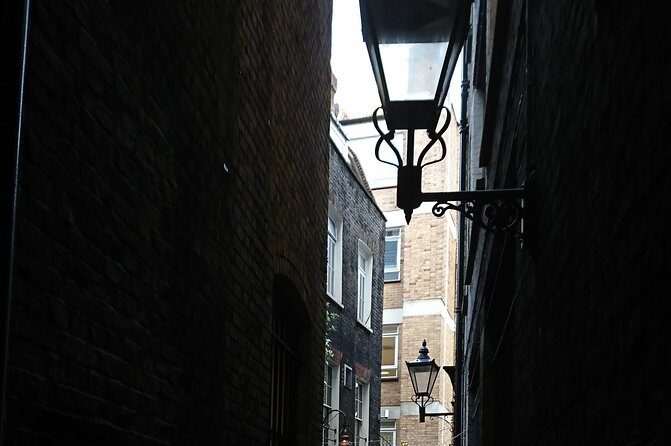
The final literary puzzle is Brabant Court, framed around the question of where Scrooge’s house might have been. This stop is essentially a guided evidence check: look at the court’s size, its feel, and why certain details tempt people to connect it with Dickens’s imagery.
With about 10 minutes, it’s not a debate club. It’s a short, satisfying “stand here and see what fits” moment. I like these kinds of stops because they turn the city into an interactive text.
And if you enjoy the fun of arguing locations, you’ll probably feel like you’re in on the secret.
Price and value: what $108.32 buys you
At $108.32 per person, you’re paying for a few things that matter more than people think: a professional guide, tight group size, and free-entry stops where ticketing isn’t a cost burden for you at most points. Many of the stops list admission tickets as free, which helps keep your total trip costs under control.
You’re also paying for time. Short city tours can feel like you’re sprinting between landmarks. This one is built around multiple pauses, with several stops designed for quick looks and brief resets. For many people, that pacing is the difference between remembering names and actually remembering scenes.
One more value factor: group discounts are offered, which can lower the per-person cost if you’re traveling with a small group of your own.
If you’re on a tight schedule, it’s not a half-day commitment. If you’re traveling with kids, note the tour is for adults and children together—children must be accompanied by an adult.
Who should book this (and who might pass)
Book it if you want:
- A Dickens-focused walking map of central London you can reuse during the rest of your trip
- A guide-led experience with room for questions in a small group
- A mix of big landmarks (St. Paul’s, Royal Exchange) and smaller texture stops (courts, taverns, market spaces)
Consider another option if:
- You don’t like walking in the City area for a couple of hours
- You expect a long sit-down cultural program with food included (it’s not that kind of tour)
This tour tends to fit best for people who enjoy character-driven storytelling and who like learning how real places shape the books they love.
Should you book Charles Dickens Old London?
I’d book it if you want Dickens’s London to feel like a place you can navigate, not a list of names. The small-group cap (up to 10) makes it easier to connect details, and Richard’s teaching style leans into story-with-context rather than dry recitation.
If you’re in London for a short visit and you want a strong “first lens” on Dickens’s world—Fleet Street publishing culture, tavern life, and the City’s mood—that lens is built into this route. Just plan for walking, and plan for yourself to handle snacks, since food and drinks aren’t included.
FAQ
How long is the Charles Dickens Old London tour?
The tour runs about 2 to 3 hours.
Where does the tour start, and what time is it?
It starts at Temple Station, Temple Pl, Temple, London WC2R 2PH, UK at 10:00 am.
Where does the tour end?
It ends near the Monument to the Great Fire of London at Fish St Hill, London EC3R 8AH, UK.
Is the tour group size limited?
Yes. The maximum group size is 10 travelers.
What’s included in the price?
The tour includes a professional guide. Admission tickets at the listed stops are free.
Are food and drinks included?
No. Food and drinks are not included.
Is the tour offered in English?
Yes, the tour is offered in English.
Can I bring service animals?
Service animals are more than welcome.
What if I need to cancel?
You can cancel for a full refund up to 24 hours in advance of the experience start time. If you cancel less than 24 hours before, the amount paid is not refunded.