REVIEW · LONDON
London with a Local (Historical)
Book on Viator →Operated by Tours That Are Yours · Bookable on Viator
London makes sense fast on foot. This London walking tour is built for first-timers who want local context and a small-group feel while seeing the big-name sights. I especially liked how the guide (Chris) tied together what you’re looking at—statues, streets, and palace landmarks—so the city starts adding up instead of feeling like random photos.
Two things really worked for me: you get a tight loop through central London highlights, and you’re not stuck listening passively—Chris was personable, answered questions patiently, and even adjusted on the fly when we asked to slow down. One consideration: the whole experience is short (about 1–2 hours), so each stop is more about orientation than deep time in any one place.
In This Review
- Key Takeaways Before You Walk Piccadilly to Trafalgar
- Meeting at Piccadilly Circus and Getting Your Bearings Quickly
- Piccadilly Circus and the West End: A Quick Lesson in Street-Level London
- St James’s Palace and St James’s Park: Royal Places You Can See Without Entering
- Buckingham Palace Views and the Royal-Route Rhythm
- Westminster and the Thames: Where the City’s Scale Hits
- Whitehall’s Layers of Power: Streets With Stories You Can Feel
- Trafalgar Square: History, Quirks, and a Clean Finish
- Price and Value: Is $94.44 Worth a 1–2 Hour Walk?
- How Long It Really Takes (and Why 1–2 Hours Can Be the Right Call)
- What to Expect: Pace, Pace Control, and Your Best Photo Chances
- Which Travelers Will Love This Most
- Should You Book London with a Local (Historical)?
- FAQ
- What is the price per person?
- How long is the walking tour?
- Where does the tour start and end?
- How large is the group?
- Are tickets provided digitally?
- Which landmarks are included on the walk?
- Is the tour a museum visit?
- What’s included in the price?
- What’s not included?
- Can I cancel for a refund?
Key Takeaways Before You Walk Piccadilly to Trafalgar
- A local-led route through Westminster, Whitehall, and beyond so you connect the dots between landmarks
- Small group max of 12, which makes Q&A actually happen (not just polite nods)
- Big sights with no ticket lines since it’s a walking tour built around views and stories
- Morning, afternoon, or evening departures to match your day (and your energy level)
- Guide storytelling that includes the quirks, not just the official facts
Meeting at Piccadilly Circus and Getting Your Bearings Quickly
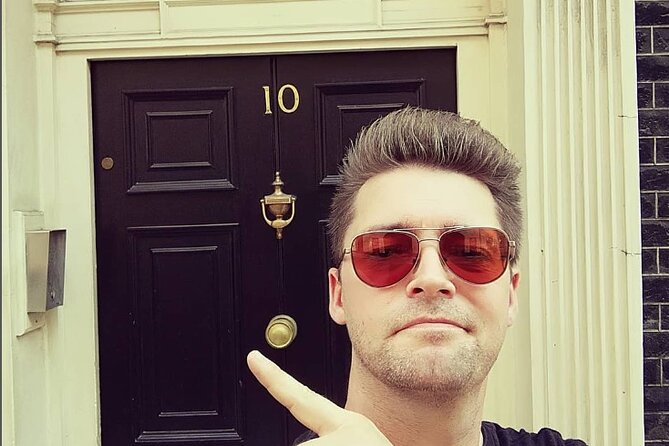
This tour starts at Piccadilly Circus, and that’s a smart choice. You’re dropped into one of London’s most recognizable crossroads right away, with the energy of the West End nearby. The guide begins with an explanation of the area’s electric-billboard history—so you’re not just standing in front of lights, you understand why that scene matters.
I like that the pacing is easy to follow. You start with a visual landmark, then you keep moving through the city in a way that feels like a guided stroll, not a march with a checklist. And because it’s a group of up to 12, you can ask questions without feeling like you’re interrupting a lecture.
If you’re the kind of traveler who wants to go from confused to confident fast, this is exactly that.
You can also read our reviews of more tours and experiences in London.



Piccadilly Circus and the West End: A Quick Lesson in Street-Level London
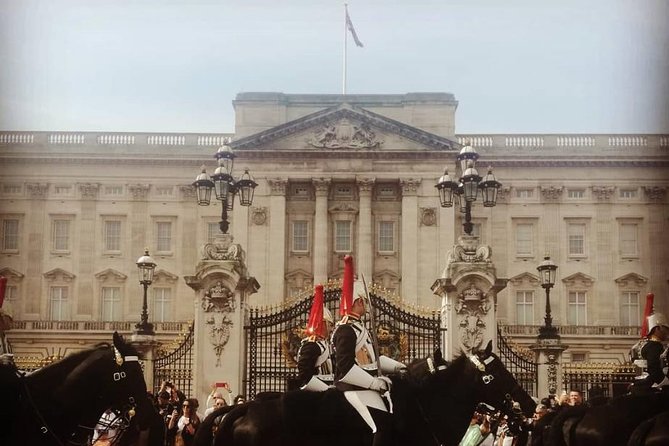
The first stretch is about getting your eye in. You spend time around Piccadilly Circus, then walk toward the West End theatre district so you can see the theatres from the street as you go.
This is one of those parts where the tour’s value is less about one single photo and more about understanding the neighborhood vibe. London’s theatre streets can look like they all blend together unless someone points out what you’re seeing. The guide helps you notice the details that make each block feel different—what kind of buildings show up, what the street layout suggests, and how the entertainment world shapes the area.
If you’re jet-lagged or arriving late in the day, this opening can be a calm way to start. You’re not committing to a long day; you’re just building context.
St James’s Palace and St James’s Park: Royal Places You Can See Without Entering
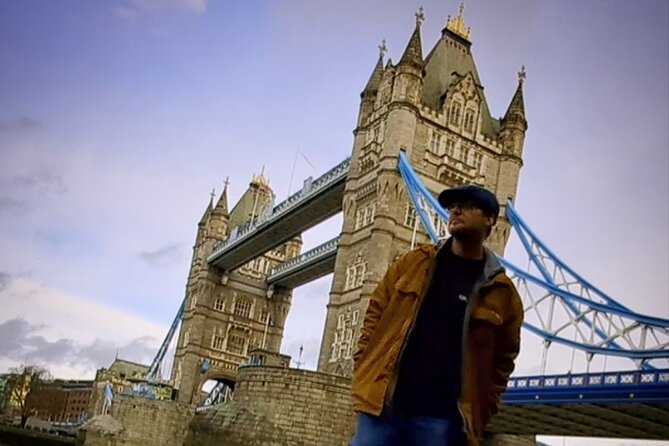
Next up is the royal cluster near St. James’s Palace. The tour focuses on history and viewpoints from outside, which matters because you get the landmarks without spending time in queues or buying attraction tickets. You’re also in the right zone to understand how London’s power centers sit right next to everyday streets.
From there, the walk continues toward Green Park and then into St James’s Park. Here, I like the approach: instead of turning the parks into generic scenery, the guide tells the stories tied to them—why these green spaces exist where they do and how people used them over time. St James’s Park is especially interesting because it was once private gardens for royalty, and the tour helps you visualize that past.
A possible drawback at this stage: park stops can feel short if you’re expecting a long sit-down break. The tour keeps moving, so bring water and treat parks as a quick pause, not a picnic intermission.
Buckingham Palace Views and the Royal-Route Rhythm
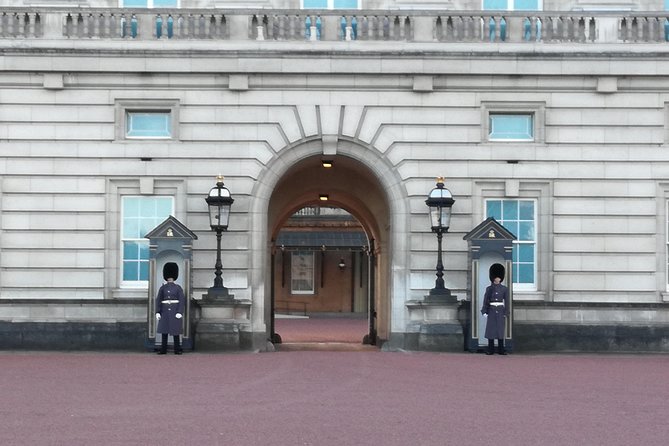
Then comes Buckingham Palace. This is the stop most people know, but the tour’s goal is to help you see it with context, not just awe.
You get stories about the palace’s origins and why it became such a central symbol in British life. The best part is how the guide links the palace to the wider walk—how nearby streets and buildings relate to each other. Even if you’ve seen the palace from far away before, the guided route makes it feel more connected to the rest of the city.
When I’m touring London, I try to avoid doing “only postcards.” This segment helps because it makes the postcard spot feel anchored in real geography.
Westminster and the Thames: Where the City’s Scale Hits
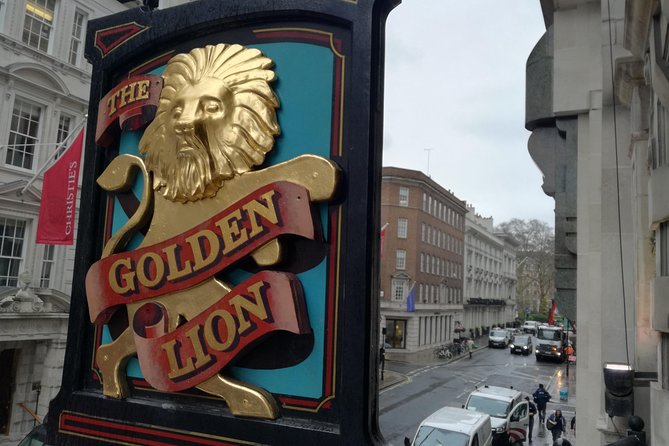
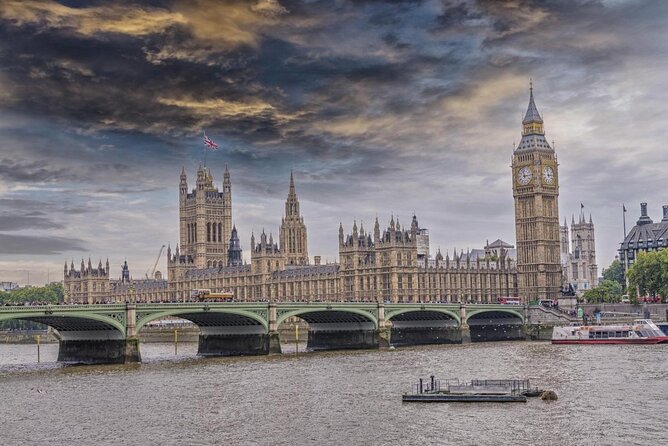
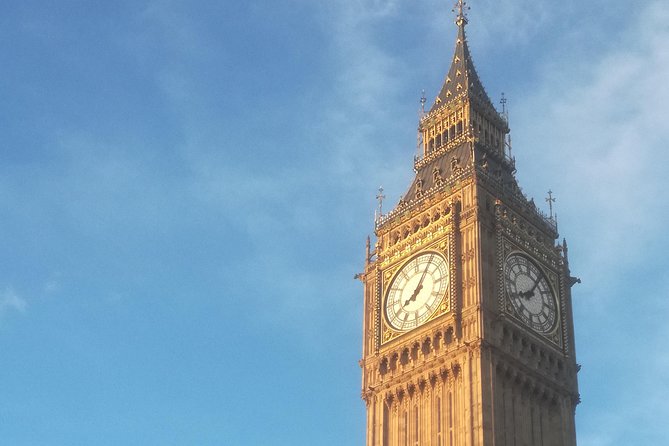
After the parks and palace area, you head toward Westminster. This is where London’s scale becomes hard to ignore. The tour keeps the stop practical—time for big-sight facts and wonder—so you can stand, look, and start understanding how Westminster fits into the country’s political story.
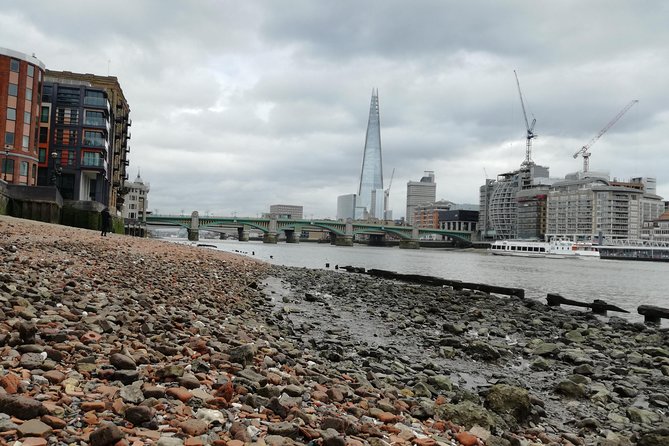
From there, you walk to the Thames River, where you get views toward the London Eye. This portion is especially useful for orientation. The Thames is one of the city’s best “reading tools”—it gives you a reference line, and suddenly distances and directions make more sense.
You’ll likely find that standing along the river with a guide’s context makes photos better, too. You’re not just capturing a landmark; you’re capturing a location that helps you navigate later. If you’re planning follow-up days, this kind of perspective pays off.






Whitehall’s Layers of Power: Streets With Stories You Can Feel
The walk continues along Whitehall, a road the guide frames as a corridor of heavy history. You hear about how the area held long-forgotten palaces and how it connects to major events, including the execution of a king.
This is a great example of why a local-style walking tour works. Whitehall can look like “just another long road” until someone explains what’s been happening there over time. When the guide points out the historical weight of the street, the buildings and the street layout start to make sense.
Also, this is the part of the day where questions tend to get better. Once you’re thinking about what the street has witnessed, you naturally want details. The guide’s been set up for that kind of conversation, and the small group format helps.
Trafalgar Square: History, Quirks, and a Clean Finish
You end at Trafalgar Square. It’s one of those places where history and oddball details mix in a way that feels very London. The guide shares stories about what you’re seeing and points out the quirky aspects that people tend to miss when they’re rushing through.
This ending point is also practical. Trafalgar Square sits at a transportation-friendly hub, so you can easily pivot into dinner plans or hop to your next stop. Finishing here feels like a natural off-ramp from the old-world sights to the more modern, easy-to-navigate center.
Price and Value: Is $94.44 Worth a 1–2 Hour Walk?
At $94.44 per person, this tour isn’t the cheapest thing you can book in London. But it’s also not trying to compete with bargain museum entry or self-guided apps. For a short experience, the value comes from three places:
First, you’re paying for a local guide who explains what you’re seeing in real time. That kind of context is hard to replicate without someone’s lived perspective—especially when you’re walking through multiple neighborhoods back-to-back.
Second, you’re covering a lot of high-recognition landmarks in a compact loop: Piccadilly Circus, St James’s area, Green Park, Buckingham Palace, St James’s Park, Westminster, the Thames, Whitehall, and Trafalgar Square. Even without museum tickets, that’s a substantial “orientation package.”
Third, the small-group limit of 12 travelers helps keep the experience responsive. When you can ask questions and have them answered fully, you’re getting more than just a guided walk—you’re getting a conversation.
If you’re a first-timer or you want to understand how the center of London connects, I think this price makes sense. If you already know the city well and you’re just chasing photos, a self-guided route might cost less.
How Long It Really Takes (and Why 1–2 Hours Can Be the Right Call)
The duration is listed as about 1 to 2 hours, and the stop times are brief enough that you’ll never feel stuck in one spot too long. Each landmark segment is timed to let you look, absorb the story, and move on.
That time style is ideal when:
- You want a first-day orientation.
- You’re juggling a full schedule and don’t want a half-day commitment.
- You prefer learning while walking rather than sitting.
It’s less ideal if you want slow travel, long breaks, or deep dives into one monument. Think of this as a guided “map in motion,” not a replacement for later, longer visits.
What to Expect: Pace, Pace Control, and Your Best Photo Chances
The tour is a walking experience with a moderate physical fitness level recommended. You’re moving between multiple landmarks in central London, so wear shoes you trust and plan for city sidewalks.
The guide also seems comfortable with small adjustments—based on how Chris handled questions and even stopped wherever people wanted—so if you spot a statue detail or want a better angle, it’s likely doable without derailing the whole group.
Best practical tip: start the walk with the mindset that photos are part of the story, not the only goal. The tour makes the landmarks make sense first; the pictures come easier after.
Which Travelers Will Love This Most
This tour is a strong fit for:
- First-time visitors who want a fast, organized introduction to central London
- People who like history but don’t want heavy museum logistics
- Anyone who enjoys asking questions and wants answers on the spot
- Travelers who prefer small groups and a guide who keeps things personal
If you’re traveling with kids, you might still enjoy it, but the short stop lengths mean you’ll want to keep expectations realistic: there’s not a lot of sitting time or long explanation for any single site.
If you want a quiet, independent experience with minimal talking, this may feel a bit too guided for your style.
Should You Book London with a Local (Historical)?
I’d book it if your goal is to understand London’s center quickly and walk away with better instincts for where things are. The combination of small-group size, a guide who’s friendly and responsive, and a route that connects Piccadilly, royal areas, Westminster, the Thames, Whitehall, and Trafalgar Square makes this a useful “starter course” for the city.
Skip it only if you already know the city well and you’re looking for long stays at a single landmark. Otherwise, this is the kind of London walk that helps the rest of your trip feel easier—because you’ll finally be able to read what you see.
FAQ
What is the price per person?
The tour costs $94.44 per person.
How long is the walking tour?
It lasts about 1 to 2 hours.
Where does the tour start and end?
It starts at Piccadilly Circus in London and ends at Trafalgar Square (Trafalgar Sq, London WC2N 5DS).
How large is the group?
The tour has a maximum of 12 travelers.
Are tickets provided digitally?
Yes, you receive a mobile ticket.
Which landmarks are included on the walk?
You’ll see Piccadilly Circus, the West End theatre district, St. James’s Palace, Green Park, Buckingham Palace, St. James’s Park, Westminster, the Thames River (with views of the London Eye), Whitehall, and Trafalgar Square.
Is the tour a museum visit?
No. It’s a walking tour with stops focused on viewpoints and stories rather than paid admission.
What’s included in the price?
A tour guide is included.
What’s not included?
Gratuity is not included.
Can I cancel for a refund?
Yes. You can cancel up to 24 hours in advance for a full refund.