REVIEW · LONDON
In Jack The Ripper Footsteps: Private Black Cab Tour in London
Book on Viator →Operated by Black Cab Heritage Tours · Bookable on Viator
Crime maps get real on this cab ride.
This private East End route is interesting because you’re not just driving past famous places; you’re getting historical commentary that explains the streets, not just the headlines, and you also get complimentary hotel pickup and drop-off in a black cab-style vehicle. I also liked the tight group size (up to six), which makes it easier to ask questions and stay in sync. One consideration: the tour is packed, with many key murder-site stops timed at about 5 minutes each, so if you want long walks or extended photo stops at every corner, the pace may feel brisk.
After about four hours of riding and short presentation stops, you shift from late-1880s Whitechapel into Spitalfields and even out to 1960s gangland references. You’ll end back at the start point near Embankment, and the route blends crime locations with recognizable London landmarks along the way, so it doesn’t feel like one-note “spooky sightseeing.”
In This Review
- Quick hits: what you’ll love about this private black cab tour
- Entering East London by black cab, not by bus
- Price per group: how the math can work in your favor
- Whitechapel first: 1888 streets you can actually picture
- Spitalfields Market and the East End in transition
- Bethnal Green for the Kray Twins era
- The murder-site streets: quick stops, focused details
- Police headquarters stops: why it’s more than just crime tourism
- Pubs and infamous corners: the Blind Beggar stop
- From Ratcliffe Highway to folklore at Guildhall Art Gallery
- Wapping and Trinity Square: execution dock and traitors
- The Thames and iconic landmarks: the route keeps moving
- Comfort and safety: what the COVID-era setup means for you
- Who this tour fits best
- Should you book this Jack the Ripper footsteps tour?
- FAQ
- How long is the Jack the Ripper footsteps private black cab tour?
- What’s the group size and price?
- Do you offer hotel pickup and drop-off?
- Where does the tour start and end?
- Is lunch included?
- Can I cancel for a full refund?
Quick hits: what you’ll love about this private black cab tour
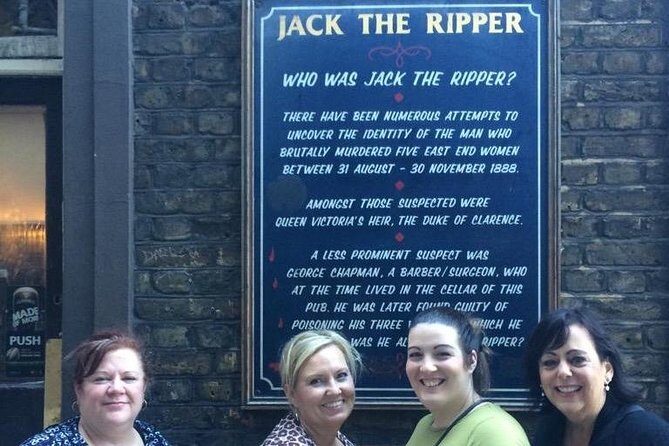
- Hotel pickup within 5 km of Central London, plus return to the meeting point at Embankment
- Up to 6 people per group, ideal for families or friends who want conversation-friendly pacing
- A Black Cab Heritage Tours driver guide who can answer questions and connect the dots across neighborhoods
- Free presentation stops at the places tied to the stories, including multiple named murder-site streets
- East End to iconic London: you’ll see major sights plus Fleet Street, the Thames, and Big Ben-related stops
Entering East London by black cab, not by bus
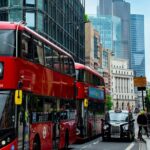
There’s a practical reason this works so well: a black cab gets you out of “tour bus rhythm.” Instead of everyone funneling the same way, you move as a private group. You can sit, listen, and absorb the city at street level as the driver guides the route through East London lanes that are hard to navigate efficiently on your own.
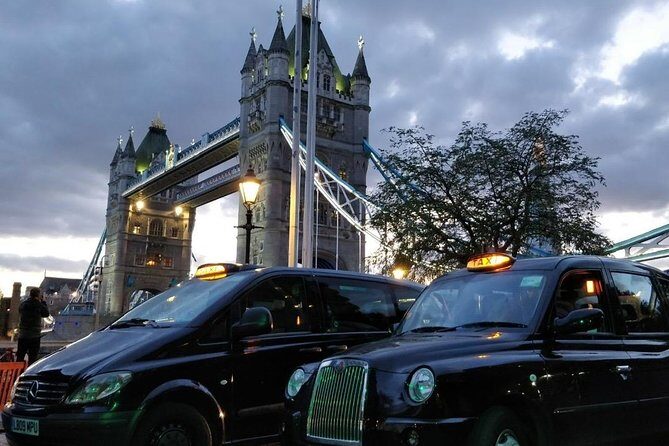
The vehicle options are listed clearly, too: you’ll ride in a TXE, TX4, or Mercedes Vito that’s operated as a black cab-style London taxi (black or other available colors). For a four-hour outing, that matters. You’re not swapping transport plans mid-day, and you’re not trying to herd a group on public transit with heavy “real location” stops.
And because this is private, you control the tempo a bit more. The tour is still structured, but it’s built for a group where you can ask follow-ups and get responses in the moment, not after a busload has moved on.
You can also read our reviews of more private tours in London
Price per group: how the math can work in your favor
The price is $553.38 per group for up to six people, with a duration of about four hours. That means the cost can be quite reasonable if you truly fill the group.
At the full six-person limit, you’re looking at roughly $92 per person. You’re paying for more than storytelling: you’re paying for a private vehicle, an English-speaking driver guide, and hotel pickup/drop-off (within the Central London radius). That combination is where value shows up, especially if you’d otherwise spend time and effort getting to Whitechapel and back.
If you’re traveling solo or as a couple, it can still be worthwhile, but the value depends on what you care about most. If you want a “sit back and be driven” experience with tailored narration and minimal logistics, it can feel like a good use of your sightseeing budget. If you’d rather self-guide and save money, you can do that in London too, but you’ll trade off the convenience and the guided connections between locations.
One more angle: this kind of tour is booked ahead. The average booking lead time is listed as 84 days, which usually means it’s popular, so you’ll get better planning outcomes by booking early rather than hoping something opens up last minute.
Whitechapel first: 1888 streets you can actually picture
The route begins in the Whitechapel area, and this is where the tour earns its reputation. You get a longer presentation block here (about 40 minutes), which is smart. Whitechapel in the late 1800s can feel like a blur when you only read about it, but seeing the street context helps your brain build a map.
During that first section, you’re taken back to 1888 and guided through the neighborhood tied to Jack the Ripper. You’re not just ticking off “murder site” boxes. The narration is designed to help you understand why these streets mattered at the time, and how the stories connect across the wider East End.
The big plus is that the tour doesn’t treat the area like a museum. It treats it like a working neighborhood where geography, proximity, and everyday streets create the conditions for the stories people know today.
Spitalfields Market and the East End in transition
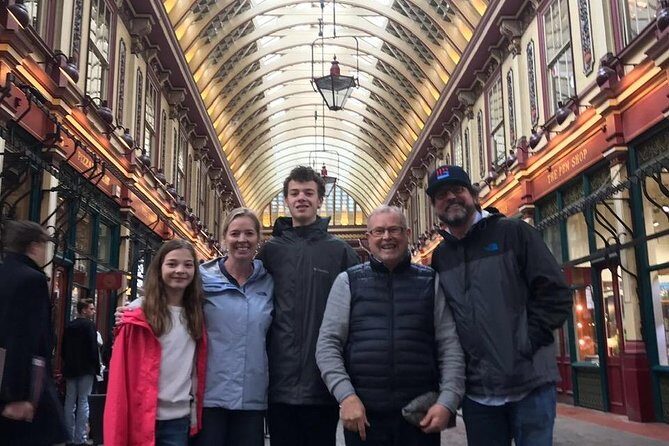
Next up is Spitalfields Market (about 30 minutes). This stop keeps the “1888 lens” on, but the emphasis shifts. You’re not only looking at one dark corner of the map. You’re also seeing how markets and dense urban life would shape movement and daily routines around the time period.
Spitalfields is useful in a tour like this because it adds variety. Whitechapel can get heavy fast if you focus only on crime locations. Adding a market area gives your brain a different kind of context: what people did there, how neighborhoods connect, and why this part of London felt so layered.
One small practical note: market streets can be busy depending on the time of day, so your guide’s pacing matters. The tour is structured, but you’ll still want to keep your footing and plan for stop-and-go moments.
Bethnal Green for the Kray Twins era
After Whitechapel and Spitalfields, the tour makes a shift into the 1960s at Bethnal Green (about 15 minutes), with a focus on gangland references tied to the Kray Twins.
This is a clever programming choice. If you only stay in 1888, you end up with a history lecture. If you only stay in modern London, you miss why East End crime stories became part of London’s identity. Connecting the neighborhoods across time keeps the theme bigger than one year.
The drawback is that this segment is shorter. Fifteen minutes goes by quickly if you’re hoping for a deep historical breakdown of the 1960s. But as a link in the chain, it works well, especially if you like the idea of how neighborhoods keep generating story material long after the first chapter ends.

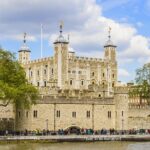




The murder-site streets: quick stops, focused details
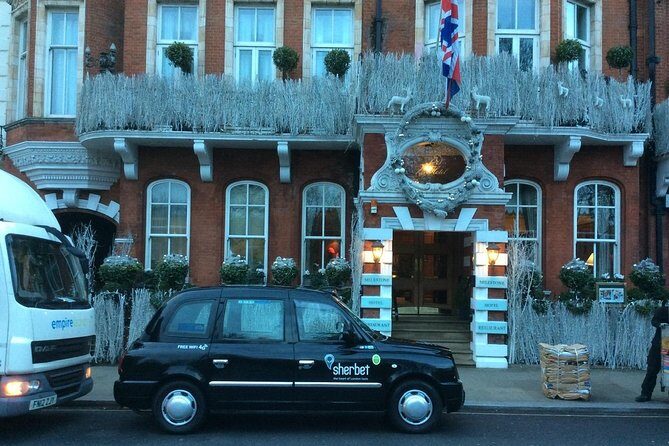
From here, the tour concentrates on specific streets tied to named cases. These are mostly 5-minute presentation stops. That brevity is a trade-off: you’ll see a lot, but you won’t linger at each location.
Still, each stop matters because you can connect the street name to the story. The tour sequence includes places connected with:
- Mary Ann Nichols at Buck’s Row (Durward Street stop)
- Annie Chapman at Hanbury Street
- Elizabeth Stride at Berners Row
- Catherine Eddowes at Mitre Square
- Mary Jane Kelly at Miller’s Court (Dorset Street stop)
What you get from this style of touring is structure. Your mind likes patterns, and the “street then story” flow helps you build a coherent mental timeline instead of scattered names.
If you’re someone who takes your time at memorial plaques, you may wish you had an extra 10 minutes at each stop. But if you’re okay with quick wayfinding and story focus, the pacing keeps energy high and prevents the route from turning into one long, dark crawl.
Police headquarters stops: why it’s more than just crime tourism
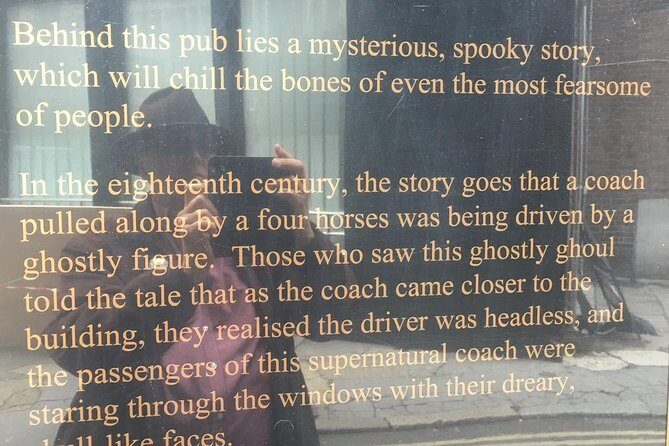
The tour includes stops at the Headquarters of the London Metropolitan Police and the Headquarters of the City of London Police.
These sections add credibility to the experience. It’s easy to treat Jack the Ripper stories like pure folklore, but police headquarters are a reminder that investigations were real institutions with real procedures, even if the details are disputed or incomplete. Even when the narrative is necessarily limited, the effect is grounding: you’re moving from the street where the stories happened to the places associated with law enforcement.
There’s also an interesting contrast in London here. The tour brings you into a broader civic landscape instead of staying purely in the “crime corner” mode.
Pubs and infamous corners: the Blind Beggar stop
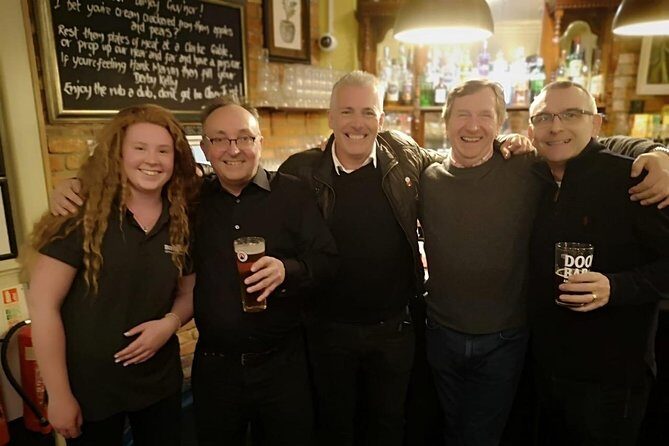
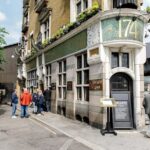
One of the route highlights is a stop at The Blind Beggar Public House in Whitechapel, described as a murder-scene location in London gangland history.
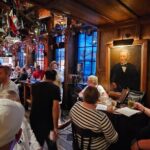
Pubs work well for this kind of storytelling because they represent where communities gather, where information spreads, and where people might cross paths. Even if you don’t step inside during a brief presentation stop, the exterior context can make the stories feel less like abstract Victorian-era rumor and more like everyday street life.
The itinerary also includes another pub-related stop: a pub once popular with the prostitutes who were victims. That reinforces the theme that the narrative is about people in places, not just isolated “events.”
From Ratcliffe Highway to folklore at Guildhall Art Gallery
Next, the route moves to The Highway with a reference to the Ratcliffe Highway murderer. This is another useful layer because it expands the theme from one famous killer to how East End crime stories became part of the city’s long-running anxiety and myth-making.
Then you’ll reach Guildhall Art Gallery (about 10 minutes), where the tour points to a painting shrouded in Jack the Ripper folklore. When a tour touches a specific artwork, it helps you understand how storytelling gets packaged and repeated. You start to see why the myths survive: they’re tied to objects, images, and cultural memory, not only to documents.
If you’re the type who enjoys the “how did we get from facts to legends” angle, this stop is a good one. If you prefer strictly street-by-street narration, you’ll still get something out of it, but it may feel more interpretive than the murder-site streets.
Wapping and Trinity Square: execution dock and traitors
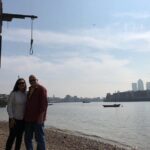
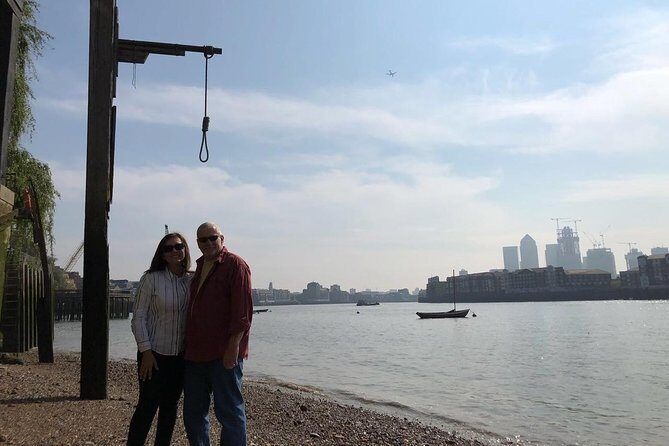
Wapping is built into the itinerary with an emphasis on the fact that it still has an Execution Dock connection. This stop is listed at about 10 minutes, and it adds a different kind of gravity. You’re moving from murders to punishment infrastructure, which changes the mood from “what happened” to “what society did next.”
Then there’s Trinity Square Gardens (about 10 minutes), described as having a hidden secret connected to where traitors met their end. Again, even without long explanations, it’s useful because it shows how London space was used for public messages.
These stops also break up the Whitechapel concentration. They remind you that East London story density isn’t limited to one year, one street, or one killer. The city carries layers, some official, some whispered.
The Thames and iconic landmarks: the route keeps moving
After the East End concentration, the tour adds a run of major landmarks, including:
- A stop at one of London’s iconic landmarks
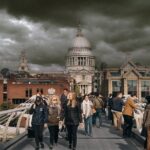
- A stop described as perhaps the world’s most iconic bridge
- London’s famous old River Thames
- A stop noting the first ever crossing over the River Thames
- A stop tied to the former residence of Victorian London’s Elephant Man
- A stop related to Sweeney Todd (the Demon Barber of Fleet Street)
- A stop tied to the firm that struck the bell otherwise known as Big Ben
You might not think these connect to Jack the Ripper at first glance, but that’s the point. London’s crime and folklore aren’t locked into one museum district. They’re stitched into the city’s later popular culture and its famous visual landmarks.
If your ideal tour is only dark alleys, you may find this section less “grim.” But if you enjoy a route that feels like walking through London’s storybook while still staying tethered to the theme, these landmark stops make the tour feel more rounded.
Comfort and safety: what the COVID-era setup means for you
This tour includes specific health and safety measures. Vehicles are sanitized after each service, hand sanitizer is available, and presentation stops are intended to be in quieter open-air locations away from crowded hotspots.
The seating setup also includes a transparent partition screen that creates a private compartment, with the note that the guide and guests are separated by more than the current 2-meter guideline described. Air-conditioning in the passenger compartment is separately controlled.
Will this feel slightly different than a standard cab ride? Yes. It may also feel reassuring if you’re traveling with health concerns. For comfort, I’d focus on one practical thing: dress for the weather. Many presentation stops are short and likely outdoors, even if the ride between them is warm and enclosed.
Who this tour fits best
This is a strong fit if you:
- Want a private experience in a black cab-style vehicle rather than a large group
- Like guided context that turns street names into a clear narrative
- Enjoy both the 1888 Whitechapel focus and the added crime-era connections (Kray Twins, Ratcliffe Highway, execution/punishment themes)
- Are traveling with up to six people and can split the group price
It may not be the best fit if:
- You dislike heavy subject matter and prefer purely lighter sightseeing
- You want long stop time at each location rather than quick, story-focused presentation blocks
- You’re expecting a museum-style walking tour with extensive indoor time (the itinerary is largely about street-level stops and driving)
Should you book this Jack the Ripper footsteps tour?
I’d book it if you want an efficient, guided, street-level way to understand East London’s crime stories without wrestling with transit. The combination of hotel pickup, private cab convenience, and a guide who can answer questions makes it feel practical, not just theatrical.
I’d hesitate if you personally hate brisk pacing. The route hits multiple murder-site streets with short stops, so it’s designed for coverage and clarity, not slow wandering.
One last tip: since this is booked ahead on average and time slots matter, lock it in earlier rather than later. That way you get the guide + cab setup you want, and you avoid the stress of trying to plan a perfect four-hour window in London.
FAQ
How long is the Jack the Ripper footsteps private black cab tour?
The tour lasts about 4 hours.
What’s the group size and price?
It’s priced at $553.38 per group for up to 6 people.
Do you offer hotel pickup and drop-off?
Yes. There is hotel pickup and drop-off for central London locations within a 5 km radius. If your hotel is outside that range, the recommended meeting point is Embankment Tube Station.
Where does the tour start and end?
The tour starts at Embankment London WC2N 6NS, UK, and ends back at the same meeting point.
Is lunch included?
No. Lunch and any food and drink during the tour are not included.
Can I cancel for a full refund?
Yes. You can cancel up to 24 hours in advance for a full refund, and cancellations within 24 hours are not refunded.