REVIEW · CHESTER
Dark Chester – Let’s take a walk on the dark side
Book on Viator →Bookable on Viator
Chester at dusk has a darker soundtrack. Dark Chester turns well-known landmarks into a story chain of superstition, crime, ghosts, and plague. I really like how the route mixes major sites (like Chester Cathedral) with smaller, story-carrying details such as blue plaques.
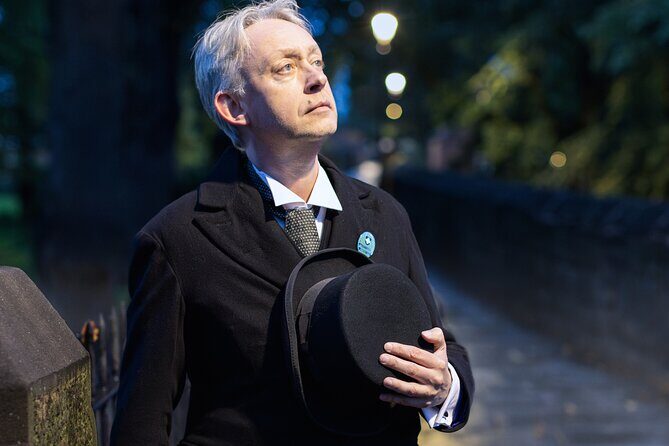
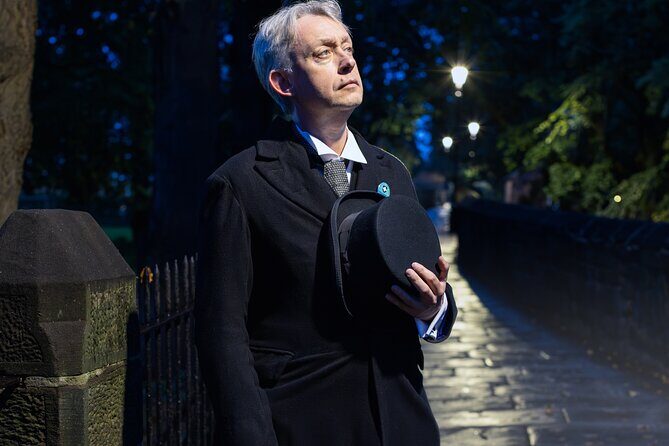
Our guide, David, keeps it moving and makes each stop feel connected, not random. One note to consider: it’s a public, walking-focused experience, so if you move slowly or bring very young kids, 90 minutes may feel like a stretch.
In This Review
- Quick Hits: What Makes Dark Chester Worth Your Evening
- Why This Walk Feels Different from a Standard Chester Stroll
- The $20.37 Question: Is It Good Value?
- Meeting at 5:30 pm: Timing That Makes the Stories Land
- Chester Cathedral: Superstitions at a 1000-Year Spiritual Site
- Eastgate & Eastgate Clock: A Victorian Symbol with a Dark Reputation
- The Roman Amphitheatre: Gladiators and Public Violence
- St John the Baptist’s Church: One of Chester’s Big Mysteries
- The Anchorite Cell on the River Dee: Solitude and Story
- The Bandstand: Crime and Punishment by the Water
- Blue Plaques at Chester’s Pubs: Ghosts, Haunting, and Investigation
- The Bear And Billet: A Ghost Story Linked to a Historic Pub
- Ye Olde Kings Head: Paranormal Investigation Energy
- Sick to Death: The One Stop You’ll Probably Pay Extra For
- Group Size, Mobile Tickets, and How to Make the Most of the Walk
- Who Should Book Dark Chester (and Who Might Skip It)?
- Should You Book Dark Chester? My Take
- FAQ
- How long is the Dark Chester walk?
- Where does the tour start?
- What time does the tour begin?
- How much does it cost?
- Is the tour in English?
- Do I need tickets for each stop?
- Is this a walking tour?
- What’s the group size limit?
- What if the weather is bad or I need to cancel?
Quick Hits: What Makes Dark Chester Worth Your Evening

- A tight 1.5-hour route that fits an early evening without turning into a marathon
- David’s storytelling style that links each spot to a specific dark theme
- Chester’s “dark” stops are mostly free once you’re on the tour, with only one add-on at the end
- River Dee locations that give the stories extra atmosphere
- Max group size of 20, which helps you hear the guide and stay together
- Works for a wide age range (the walk is described as fun for families, including ages 8 up to adults)
Why This Walk Feels Different from a Standard Chester Stroll
Most town walks show you what’s famous. Dark Chester also tells you what people feared, rumored, and blamed. You’ll move through Chester’s big historic shapes, but the point isn’t just architecture. It’s the human side of the past: superstition at holy sites, violence in Roman entertainment, illness in public life, and ghost stories in pubs that have been standing for ages.
I like that the tour gives you context as you go. You don’t just hear a scary tale and move on. You get a link between a place and the kind of story it attracted—monastic superstitions near the cathedral, darker legends around city landmarks, and investigation-style paranormal themes tied to specific pubs.
And you can keep your expectations realistic: this is scary-story walking, not a horror movie. Think more “history with a chill” than special effects.
You can also read our reviews of more walking tours in Chester


The $20.37 Question: Is It Good Value?
At about $20.37 per person for roughly 90 minutes, this is one of those tours that feels fair because of what’s included on the ground. Most stops are built around places where admission tickets are free as part of the experience, so you’re not constantly paying extra at each corner.
The one place that may cost you extra is Sick to Death, where admission is not included. Still, the structure is smart: you get a stack of free, meaningful stops first, then decide whether you want the final stop’s quirky plague-and-pandemic angle.
Also, you’re paying for a guide and a route that’s already shaped for storytelling. Left to your own devices, you might wander into one or two of these spots and miss the connections. Here, the “dark side” theme does the organizing for you.
Meeting at 5:30 pm: Timing That Makes the Stories Land
Dark Chester starts at 5:30 pm from Chester Visitor Information Centre at the Town Hall on Northgate Street. That timing matters. Late afternoon and early evening is when streets feel more intimate, shadows stretch in the right places, and you naturally slow down. It’s a simple trick, but it helps the ghost-and-mystery theme click.
The walk runs about 1 hour 30 minutes and ends back at the meeting point. That matters too: you can plan dinner afterward without needing a second round of transit thinking. If you like ending your evening with a drink, you’ll be close to the center once you’re done.
One practical consideration: since it’s a public group, you’ll need a level of mobility to keep up and stay with the group. Elder seniors and younger children might find the pace and walking time tiring.
Chester Cathedral: Superstitions at a 1000-Year Spiritual Site
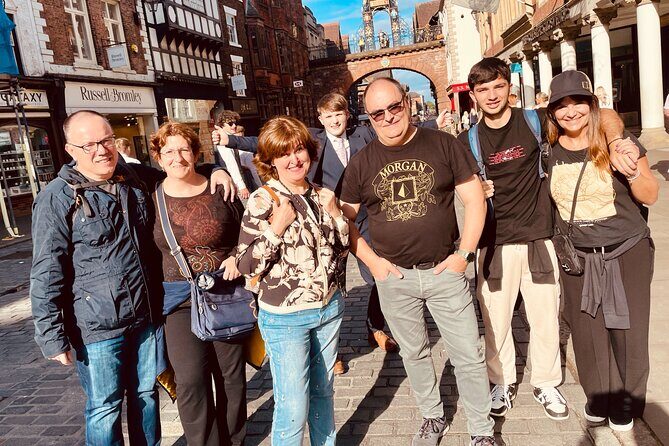
You begin at Chester Cathedral, framed as a 1000-year-old spiritual site with roots going back to a monastic settlement. What makes this stop feel “dark” isn’t gore or jump scares. It’s the way superstition grows around places people treat as sacred.
You’ll learn about the origins of the site and the idea that old communities explained uncertainty through signs, rituals, and stories. It’s also a strong anchor for the rest of the tour. Cathedral stories set the tone: in Chester, fear and belief often lived in the same rooms.
Practical tip: wear comfortable shoes here. You’ll be outdoors and moving between perspectives. Even if you’re not a cathedral person, this start is worth it because it gives you the tour’s theme—how people used stories to manage the unknown.
Eastgate & Eastgate Clock: A Victorian Symbol with a Dark Reputation

Next up is Eastgate & Eastgate Clock, presented as Chester’s Victorian symbol, but with a dark history. This is where the tour shifts from spiritual fear to civic and social fear.
Landmarks like this can feel “just pretty” in daylight. At dusk, and with a story in your head, the same structure starts to look like it has a second life. The point isn’t whether every detail will feel modern to you—it’s how the city’s identity carried darker undercurrents over time.
If you like urban legends and local lore, this stop will land well. If you prefer strictly documented history, keep your mind open to the way communities historically explained events through tales and memories.






The Roman Amphitheatre: Gladiators and Public Violence
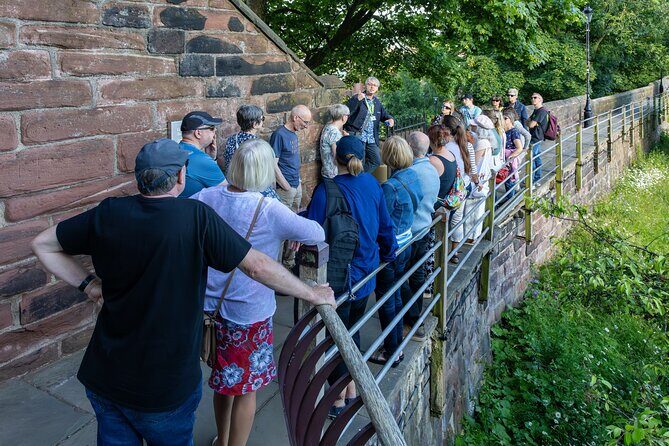
Then you step into the heart of Roman Chester at the Chester Roman Amphitheatre. This stop centers on how gladiators fought there—direct, blunt, and hard to forget once you imagine the crowd energy.
Here’s why it works: the tour doesn’t just tell you that Romans were present. It uses the amphitheatre’s purpose—public spectacle—to show how violence was once entertainment, and how crowds consumed danger as part of everyday life.
In a walking tour format, this stop gives you quick but vivid context. You don’t need to be a Roman expert. The story is simple: the setting explains the theme.
St John the Baptist’s Church: One of Chester’s Big Mysteries
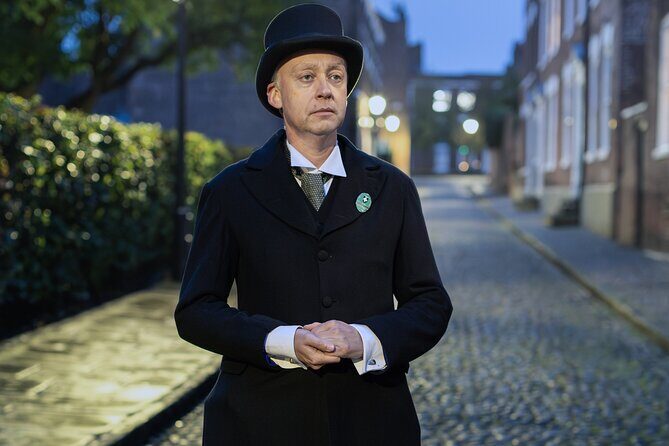
At St John the Baptist’s Church, the focus is one of Chester’s great mysteries. This is a different flavor than the cathedral. Instead of superstition as tradition, you’re dealing with something that sounds like it never fully closes.
That mystery element is useful because it keeps the tour from turning into a single-note parade of grim facts. You get variety: fear, illness, violence, and then the unresolved. Uncertainty is one of the most believable fuels for legends, and this stop highlights that.
Practical tip: if you like taking photos, this is one of the spots where you’ll want to pause. The guide’s story will give you something to frame, not just a building to photograph.
The Anchorite Cell on the River Dee: Solitude and Story
Now you head to The Anchorite Cell, described as a mysterious building on the banks of the River Dee. Anchorites were people who lived in extreme separation, and that idea fits perfectly with Chester’s “dark side” storytelling. Even without extra details beyond the stop’s theme, the location carries weight: water, stone, and the sense of isolation that makes unusual stories take hold.
Why I like this stop: it breaks the pattern of public spectacle and communal fear. Instead of crowds and events, you get a story framework built on loneliness and devotion—or at least that’s how such places tend to be remembered.
Also, River Dee settings naturally improve the mood of a walking tour. Even if you don’t consider yourself a “spooky person,” you’ll feel the atmosphere here.
The Bandstand: Crime and Punishment by the Water
Next is The Bandstand, where the theme turns to crime and punishment on the banks of the River Dee. This stop is especially good if you like real-world grit more than ghost stories.
This is the tour doing something smart: it uses a public, everyday structure (a bandstand) to tell a darker story about what happened nearby. It reminds you that places you think are calm and social can also be tied to harsh consequences.
If you’re the type who likes connecting dots, this will help you look at familiar streets with different assumptions.
Blue Plaques at Chester’s Pubs: Ghosts, Haunting, and Investigation
Now the tour takes you into Chester pub territory, and it’s where the “dark side” idea becomes plain fun. Two stops focus on blue plaques and famous hostelry stories.
The Bear And Billet: A Ghost Story Linked to a Historic Pub
At The Bear And Billet pub, you hear about a dark story tied to the ghosts of Chester past. Blue plaques often signal historical importance, but the tour’s angle makes it more personal: the plaque is a marker, and the story is what turns a marker into something you can picture.
If you’re hoping for chills, this is one of the stronger mood stops. Even if you don’t fully buy ghost tales, the way local history gets preserved through storytelling is worth hearing.
Ye Olde Kings Head: Paranormal Investigation Energy
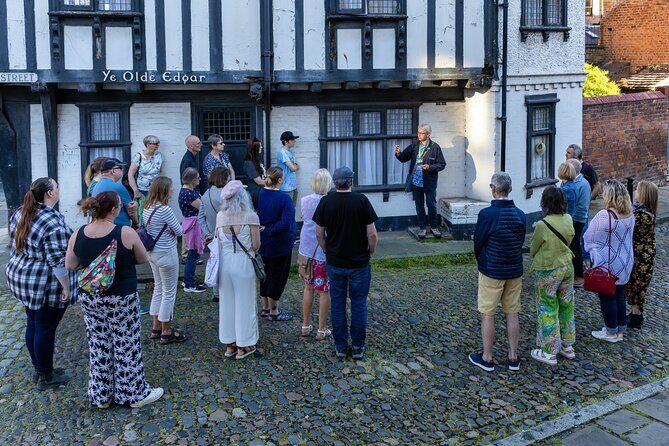
Next is Ye Olde Kings Head, described as a historic pub turned into a dedicated space for paranormal investigation. This is a shift from classic “ghosts were here” legends to the idea that Chester’s mysteries continue—at least in how people study and present them.
I like this stop because it bridges past and present. You’re not only learning what people feared centuries ago. You’re seeing how modern interest keeps those stories alive.
Sick to Death: The One Stop You’ll Probably Pay Extra For
Finally, there’s Sick to Death, a quirky visitor attraction centered on stories of plague and pandemic. Admission is not included, so this is the one part where you may need to budget a little more if you want to finish strong.
This stop is valuable even if you’re not a “dark history” fanatic. Plague and pandemic stories explain how fear spreads through communities, and why people cling to explanations when disease makes the world feel unpredictable.
And because it’s the final stop, it works as a closing note: the earlier stops cover superstition, crime, violence, and haunting. Here, the dark theme becomes public health and survival—still unsettling, but grounded in human experience.
Group Size, Mobile Tickets, and How to Make the Most of the Walk
This tour uses a mobile ticket and runs as a public group with a maximum of 20 travelers. That’s a sweet spot. Large enough to feel lively, small enough to keep your attention on the guide’s story.
You’ll be walking, so plan for comfort: shoes that handle uneven ground and weather, and a small layer since the evening start can bring cooler air. The tour also requires good weather, so keep an eye on conditions and don’t assume it will run in heavy rain.
Language is English, and the guide is in-person. If you want a tour where you can ask follow-up questions as you walk, this format generally supports that better than a museum-style audio guide.
Who Should Book Dark Chester (and Who Might Skip It)?
Book this if you want:
- A guided walk that turns Chester’s landmarks into a single story
- A fun way to learn local lore without needing deep background reading
- An evening activity that’s short enough to fit into a normal travel plan
Skip or think twice if:
- You struggle with walking for about 90 minutes while staying with a group
- You’re traveling with very young kids who may not keep pace
- You strongly prefer fully “non-legend” history and want no supernatural or paranormal framing
The strongest point across the experience is the guide. David’s storytelling stands out, and the tour is presented in a way that keeps different ages engaged, from families with kids to adults who just like a good story.
Should You Book Dark Chester? My Take
If you’re in Chester and you like your history served with a chill, I think Dark Chester is a great buy. The price feels reasonable because most stops are free once you’re signed up, and the final add-on at Sick to Death is optional in spirit if you decide you’ve already heard enough.
I’d book it especially if you want to see Chester beyond the postcard view—cathedral to riverfront to pub lore, all stitched together into one walking story. The main caution is the physical side: it’s a group walk, so wear good shoes and be ready to keep up for about an hour and a half.
And if you’re in the mood to keep the night going after the tour, I like the idea of pairing the walk with a drink around Chester’s ghost-interest scene, like The Most Haunted Hotel.
FAQ
How long is the Dark Chester walk?
It lasts about 1 hour 30 minutes.
Where does the tour start?
It starts at Chester Visitor Information Centre, Town Hall, Northgate St, Chester CH1 2HJ, UK.
What time does the tour begin?
The start time is 5:30 pm.
How much does it cost?
The price is $20.37 per person.
Is the tour in English?
Yes, the tour is offered in English, with an in-person English guide.
Do I need tickets for each stop?
Most stops list admission tickets as free. The one exception is Sick to Death, where admission is not included.
Is this a walking tour?
Yes. It’s a walking tour, and you’ll need mobility to stay with the group. Elder seniors or younger children may find the 90 minutes tiring.
What’s the group size limit?
The tour has a maximum of 20 travelers.
What if the weather is bad or I need to cancel?
The tour requires good weather. If it’s canceled due to poor weather, you’ll be offered a different date or a full refund. You can cancel up to 24 hours in advance for a full refund.