REVIEW · LONDON
Jack the Ripper Tour Whitechapel
Book on Viator →Operated by Jack the Ripper Walks · Bookable on Viator
Whitechapel turns dark the moment you start walking. This Jack the Ripper tour guides you street by street through the Whitechapel area, pointing out key locations tied to the cases and the neighborhoods they happened in. You’ll get a guided walk that runs about 1 hour 15 minutes (give or take), with a mobile ticket and English-only narration.
I especially liked how the guide starts with daily life in the area, not just the gore. The emphasis on social deprivation and poverty helps you understand why Whitechapel looked and felt the way it did. I also liked the delivery style from guides like Celine, Jenny, and Lindsay—clear, engaging, and backed up with visuals on a large iPad.
One thing to know up front: this is not light entertainment. The content is intense enough that it’s not recommended if you get nervous or you’re squeamish, and kids under 14 aren’t allowed.
In This Review
- Key highlights you’ll feel on the street
- Planning your Whitechapel Jack the Ripper walk: meeting point and timing
- Stop 1: The White Hart and Gunthorpe Street’s poverty-first setup
- Stop 2: Gunthorpe Street Workshops and Martha Tabram’s site
- Stop 3: 9–11 Brick Lane and Polly Nichols at The Frying Pan
- Stop 4: Hanbury Street and Annie Chapman’s murder site
- Stop 5: Princelet Street’s double event and an old building still here
- Stop 6: The letters outside 6 Puma Court
- Stop 7: Spitalfields Market edges—Ten Bells and Mary Kelly
- Stop 8: London Fruit & Wool Exchange courtyard and possible suspects
- Guides, visuals, and tone: what makes this walk feel different
- What to expect minute by minute: pacing and comfort
- Value for the price: why $23.31 can feel like a bargain
- Who should book this Whitechapel tour—and who should skip it
- Should you book Jack the Ripper Tour Whitechapel?
- FAQ
- Where does the tour start?
- What time does the tour begin?
- How long is the Jack the Ripper Tour Whitechapel?
- How much does the tour cost?
- Is the tour in English, and do I need a paper ticket?
- How many stops are there, and what’s the endpoint?
- Is a guide included, and what should I bring?
- What are the age restrictions?
- Can I cancel for free?
Key highlights you’ll feel on the street

- 8 real Whitechapel stops tied to named cases and well-known street corners
- Photo-led storytelling with a large iPad, even without a microphone
- A strong social-history focus that frames the murders inside everyday hardship
- Small-group pacing with a maximum of 40 travelers
- Evening atmosphere (start time is 7:00 pm) that fits the mood of the area
- Respectful, matter-of-fact tone rather than “shock for laughs”
Planning your Whitechapel Jack the Ripper walk: meeting point and timing
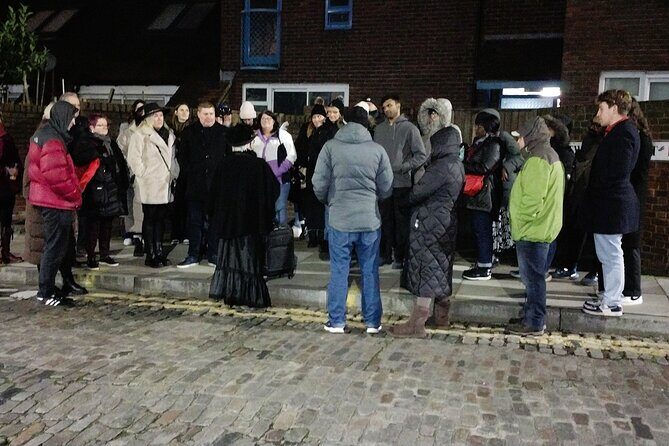
This tour is set up for an evening stroll. You meet at the White Hart, 89 Whitechapel High St, London E1 7RA, and your guide will direct you from there. It’s a few minutes’ walk from Liverpool Street Station, which makes it easy to pair with dinner plans after.
The tour begins at 7:00 pm. The listed duration is about 1 hour 15 minutes, but real walks can run longer depending on questions and pace. On at least one recent run, the walk lasted 2 hours 15 minutes, so I’d plan your evening like it’s a solid chunk of time, not a quick detour.
You’ll end around Bell Lane, Bell Ln, London E1 7LA. That matters because it affects where you’ll naturally drift after the tour—many people will head back toward Brick Lane for food, drinks, or a warm-up.
Logistically, you’ll use a mobile ticket. The tour is offered in English, and it’s a walking experience with a moderate fitness level requirement. If you’ve done city walking before, you’ll be fine; if you hate uneven pavement or long cold waits, wear accordingly.
Also note what’s not included: bottled water isn’t part of the package. On a chilly January night, one review described numb feet and fingers, and the group still stayed locked in—so bring layers, and bring what you need to stay comfortable.
You can also read our reviews of more tours and experiences in London.


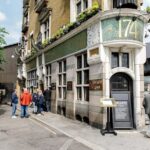
Stop 1: The White Hart and Gunthorpe Street’s poverty-first setup
The tour opens behind the White Hart Pub at 89 Whitechapel High St, near Gunthorpe Street. This first segment is more than a kickoff photo-op. The guide sets the context: social deprivation and poverty shaped day-to-day life in late nineteenth-century Whitechapel.
I like this approach because it changes how you read everything that comes next. If you only chase the murders, you miss the point that these were crimes in a place with real instability—work, housing, and safety were all under pressure. Starting with that makes the rest of the route feel less like a checklist and more like a street-level story.
For you, this stop is where you’ll get your bearings fast. You’ll learn the area’s vibe and what kinds of spaces the victims and suspects moved through—homes, workshops, pubs, market edges. It’s the setup that keeps the names from floating in midair.
Stop 2: Gunthorpe Street Workshops and Martha Tabram’s site
From there you move to Gunthorpe Street Workshops, positioned opposite the murder site of Martha Tabram on Gunthorpe Street.
This stop matters because it anchors the narrative in a specific street location tied to a named victim. It also signals the tour’s pattern: you’re not just hearing “Jack the Ripper” as a legend—you’re getting case points mapped onto real corners.
The practical side: these stops are short—about 5 minutes each—so you’ll stay moving. Don’t expect long museum-style explanations at every address. Instead, the guide uses the location, then builds context with fast, clear talking points.
If you enjoy walking tours, you’ll like how this one keeps the momentum. If you hate “rapid-fire” info, you may want to ask questions as you go, because the pace is part of the design.
Stop 3: 9–11 Brick Lane and Polly Nichols at The Frying Pan

Next is 9–11 Brick Lane, focused on Polly Nichols’s last drink at The Frying Pan Pub (9 Brick Ln, London E1 6PU).
This is where the tour starts feeling human in a way that’s easy to overlook on other “murder map” walks. The idea of a last drink turns the story from something abstract into something routine: a pub, a moment, normal city movement—until it isn’t.
I also think this stop is good for first-timers because Brick Lane is familiar territory for many visitors, even if they’ve never explored the darker side of it. The guide helps you connect the present-day street to the past without turning it into a scary theatrical show.
A small, practical tip: wear comfortable shoes. You’re on pavement and you’ll want your footing for quick repositioning between corners and storefront edges.
Stop 4: Hanbury Street and Annie Chapman’s murder site
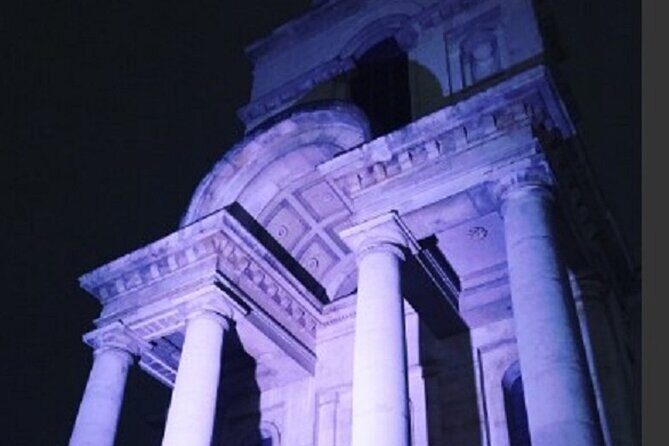
Then you reach Hanbury Street, specifically 29 Hanbury St (London E1 6QR), where the tour calls out the murder site of Annie Chapman.
This part works well if you want the tour to be more than rumor. The guide ties the story to a named location and keeps the conversation grounded in what happened there and what Whitechapel life looked like around it.
In my view, this stop also helps you understand why people still talk about these cases. The streets themselves feel close—tight distances, dense neighborhoods, and everyday foot traffic. When you’re walking it, you can see how the city layout fed the mystery: witnesses, movement, and confusion would have been hard to untangle.





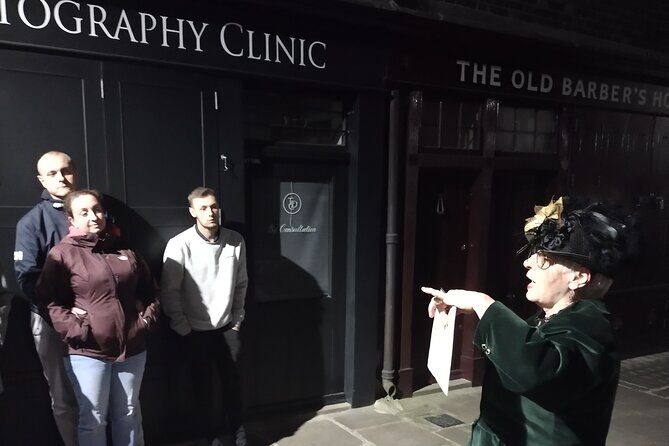
Stop 5: Princelet Street’s double event and an old building still here
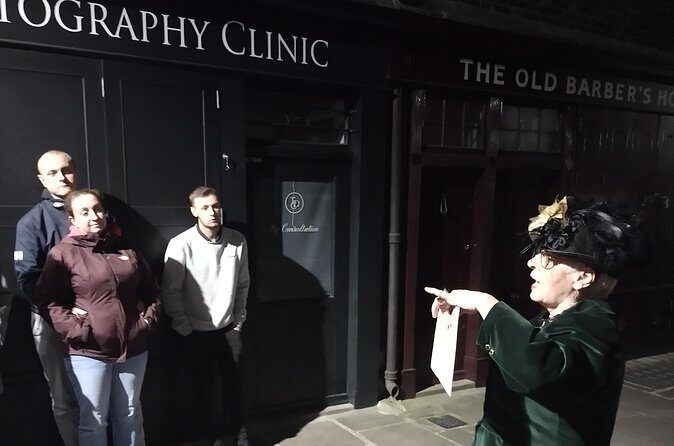
Stop five takes you to E1 6QH, outside 4 Princelet St, described as connected to the night of the double event. The tour also notes that a building there has stood since the 1700s.
This is a great moment for two reasons. First, it reminds you how long the city has been in layers—decades and centuries stacked on top of each other. Second, the guide uses that long-standing structure to make the event feel less like “history somewhere else” and more like “history in front of you.”
When I’m on tours like this, I like it when the guide points out what’s still physically present. The “still here since the 1700s” note gives you something concrete to anchor to as you look around at the street now.
Stop 6: The letters outside 6 Puma Court
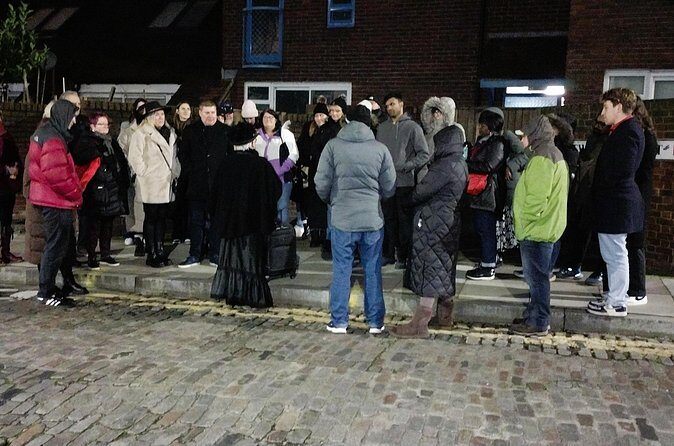
Next: 6 Puma Ct (London E1 6QG), where the tour focuses on the letters connected to the story.
This is where the narrative shifts from events to the legend’s power. You’ll hear how the letters shaped public attention and how people tried to make sense of what they were hearing. Even without inventing details beyond what the guide covers, this stop helps you understand why Jack the Ripper became more than a single set of crimes.
I like this placement in the route because it’s not random. After you’ve walked through named sites and named victims, the letters become the thread that ties the street facts to the larger cultural obsession.
Stop 7: Spitalfields Market edges—Ten Bells and Mary Kelly
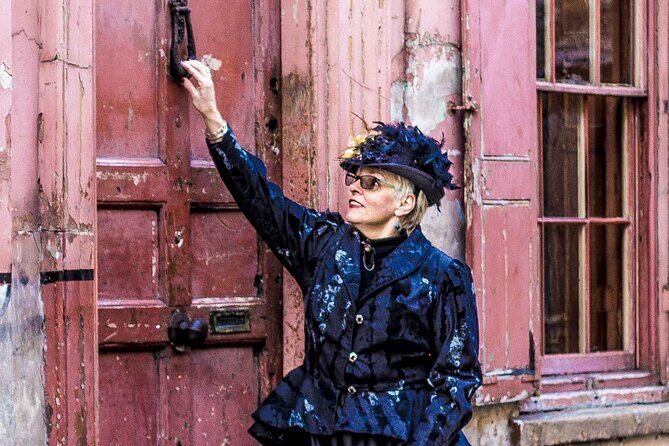
Then you arrive at Spitalfields Market, stopping outside around Ten Bells and the corner connected to Mary Kelly at Brushfield St and Commercial St (London E1 6AA).
This stop is vivid because it sits at the intersection of a known pub and a market area. In other words: it’s not “dead end alley history.” It’s the kind of place where people would normally be out and about—shopping, socializing, moving through the day.
For you, that means the guide can talk about behavior and timing without pulling the story entirely into the supernatural. The setting helps the lesson stick: these crimes happened in spaces tied to ordinary routines.
If you’re doing this tour on a weekend or a busier evening, you may notice how market life changes the feel of the streets. That contrast can actually make the tour more powerful, as long as you stay respectful and don’t turn it into a photo stunt.
Stop 8: London Fruit & Wool Exchange courtyard and possible suspects
The final stop is the London Fruit & Wool Exchange area, at 60 Brushfield St (London E1 6AG). Here the tour links Mary Kelly’s murder at 13 Millers Ct and also mentions possible suspects discussed in the courtyard of the exchange.
This last segment is a good way to finish because it pulls everything together: victim, location, and the uncertainty that keeps the case alive. Even if you’re not trying to solve anything, this stop gives you a place to mentally “put the pieces” into a single final scene.
Also, the courtyard setting can help the guide’s storytelling. When you’re in an enclosed area, the voice carries and the space feels more like a stage. The tour stays grounded in street facts, but the physical environment adds weight to the subject.
Guides, visuals, and tone: what makes this walk feel different
From what I’ve seen in the way these guides run the tour, the standout is delivery. Names that came up include Celine, Jenny, and Lindsay, and the pattern across them is clear: they keep the group engaged and the facts moving.
A few details really stand out:
- One guide used no microphone but was still clearly heard.
- Another guide used a large iPad with images to support the points.
- One review specifically noted photos of gravestones/memorials tied to the victims, which helps keep the story from turning into a “who-dun-it” game.
- The overall tone was described as respectful toward the deceased, with no exploitation for laughs.
- If someone tries to derail the group with jokes, the guide handles it fast and professionally.
This matters because Jack the Ripper stories can slide into edgy entertainment. On this walk, the tone is closer to a focused local history walk with a dark thread running through it. That’s a big reason people come away feeling the walk gave context, not just spectacle.
Guides also share theories. In one experience, the guide suggested a most likely suspect and the group left discussing that angle. If you like case theories, you’ll probably enjoy the way the guide connects evidence and setting—without losing sight of the human side.
What to expect minute by minute: pacing and comfort
The itinerary is built from multiple short stops—roughly 5 minutes at several locations and about 10 minutes at a couple of key points. That means you’re always moving or re-positioning. It’s not a sit-down lecture, and it’s not a long stroll with one big story at the end.
On a cold night, this can be tough. One reviewer described freezing weather and numb fingers by the end, and still said the group stayed concentrated. My advice: dress for the time you’ll be outside, not for the moment you start.
A practical packing list:
- Warm layers (even if London feels mild earlier)
- Gloves or something you can tolerate while holding your phone for photos
- Comfortable shoes for cobbles and curb changes
- If you can, bring a small water bottle since bottled water isn’t included
And if you’re someone who gets anxious in darker themes: read the content warning seriously. This tour isn’t for nervous dispositions.
Value for the price: why $23.31 can feel like a bargain
At $23.31 per person, you’re paying for something that’s usually more expensive when it’s well done: a guided route through specific locations, with a guide who can connect the dots quickly and respectfully.
What you get that makes the price feel reasonable:
- A real guide (the tour includes a guide)
- Mobile ticket for easy entry
- Multiple locations that map named cases onto street addresses
- Group cap of 40, which keeps it conversational instead of chaotic
- Visual support used by some guides via a large iPad, which helps the story land fast
Is it “cheap”? In London terms, it’s priced like a straightforward walking tour, not a premium theater-style experience. But the big value here is clarity and tone: you should leave with a better sense of the area and why the stories are tied to these corners.
Who should book this Whitechapel tour—and who should skip it
This is a strong match if you want:
- A focused walking route in Whitechapel
- Named case stops tied to the street grid
- Social context alongside the crime story
- A guide who uses visuals and keeps the pace engaging
It’s not a strong match if:
- You’re squeamish or get very nervous with heavy content
- You’re traveling with someone under 14 (no under 14s allowed)
- You’re bringing teens 14–16 without an accompanying adult (they must be accompanied)
The tour is also best for people with at least moderate physical fitness, since it’s a walking route with multiple repositioning moments.
Good news: service animals are allowed, and it’s near public transportation, so you’re not stuck far from transit if you need to bail early.
Should you book Jack the Ripper Tour Whitechapel?
If you like tours that connect place to people—where you can stand on a corner and understand the neighborhood around it—then I think you should book this one. The social-history framing, the photo-supported guide style, and the fact it stays respectful all add up to a walk that feels grounded, not gimmicky.
Skip it if you know the topic will stress you out, or if you’re coming specifically for light spooky fun. This is a real, dark story told in a real neighborhood.
My best “decision help” tip: dress for the evening cold, plan for a bit more than 75 minutes just in case, and come ready to walk. If you do that, you’ll get a powerful sense of how Whitechapel looked and how the mystery still clings to the streets.
FAQ
Where does the tour start?
The tour starts at The White Hart, 89 Whitechapel High St, London E1 7RA. Your guide will direct you from there. It’s a few minutes’ walk from Liverpool Street Station.
What time does the tour begin?
The start time is 7:00 pm.
How long is the Jack the Ripper Tour Whitechapel?
The duration is listed as about 1 hour 15 minutes.
How much does the tour cost?
The price is $23.31 per person.
Is the tour in English, and do I need a paper ticket?
The tour is offered in English, and you’ll use a mobile ticket.
How many stops are there, and what’s the endpoint?
There are 8 stops during the walk. The tour ends at Bell Lane, Bell Ln, London E1 7LA.
Is a guide included, and what should I bring?
A guide is included. Bottled water is not included, so you may want to bring your own.
What are the age restrictions?
No under 14s are allowed due to content. Ages 14–16 must be accompanied by an adult.
Can I cancel for free?
Yes. You can cancel for a full refund up to 24 hours in advance. If you cancel less than 24 hours before, the amount paid won’t be refunded.