REVIEW · BRIGHTON
LGBTQ History Tour in Brighton (semi-private)
Book on Viator →Operated by Only in Brighton · Bookable on Viator
Brighton has a second story. This LGBTQ history tour uses a tight, small-group route to connect real places with real people. I love how it keeps things intimate and easy to follow, rather than turning into a long, rushed march.
Two stops feel especially well chosen: the seafront for the early context and the old-town backstreets for how daily life looked. You also get a guide who clearly cares about the subject, and that matters when you are learning complicated, sometimes emotional history.
One drawback to plan for: it runs on good weather, and it is mostly a walking experience for about 90 minutes. If it is wet and windy, you will want layers and a decent pair of shoes.
In This Review
- Key things to know before you go
- Why This LGBTQ History Walk in Brighton Feels Different
- Meeting Point and Group Pace at Regency Square
- Stop 1: Brighton Beach for the Seafront Context
- Stop 2: The Lanes for Old Town Streets and Culture Stops
- Stop 3: Kemptown for the Queer Identity of the District
- The Real Value: A Guide’s Stories Plus Place-Based Learning
- Price and What $53.50 Gets You in a 90-Minute Tour
- What to Expect on the Ground: Weather, Shoes, and Timing
- Who This Tour Is Best For
- Should You Book This LGBTQ History Tour?
- FAQ
- How long is the LGBTQ history tour in Brighton?
- Where does the tour start and what time does it begin?
- Where does the tour end?
- How many people are in the group?
- Is the tour in English?
- Do I need to pay admissions at the stops?
- Is the tour suitable for people with limited mobility?
- What is the cancellation policy if weather is poor?
Key things to know before you go
- Small group (max 12): More conversation, fewer headcounts, easier pace.
- Three focused areas: Brighton Beach, the Lanes, and Kemptown—each with a different angle.
- Blue Badge guide: You get a formally qualified guide plus local storytelling.
- No paid admissions: The tour includes stop-by-stop sightseeing, with admission marked as free.
- Local anecdotes: The guide brings in details and context you will not get from a quick read of signage.
- Starts at 2:00 pm: A clean afternoon plan that fits well with other Brighton activities.
Why This LGBTQ History Walk in Brighton Feels Different
Brighton is the kind of place where you can look at one street and see multiple centuries stacked together. This tour turns that into a clear story about LGBTQ life—where people lived, where they gathered, and how the city’s attitudes shaped the spaces you can still visit today.
What I like most is the structure. Instead of hopping randomly, you move through three areas that each “say” something different. One stops at the seafront to set the scene. Another pulls you into the old town’s lanes and tight streets. The last heads to Kemptown, known for its queer identity. That arc helps the information land, because you are constantly connecting history to the streets under your feet.
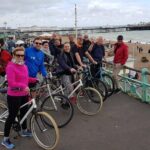
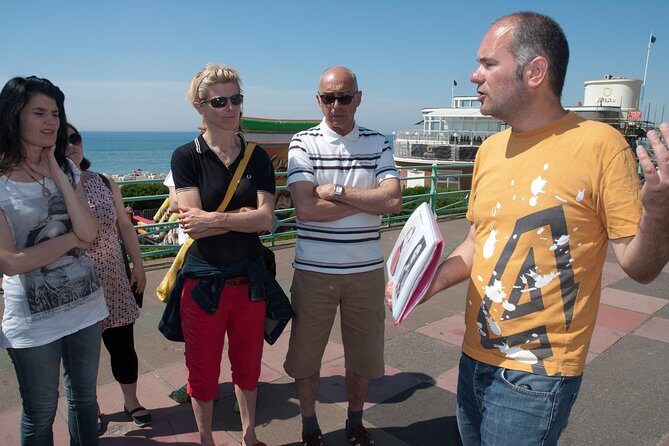
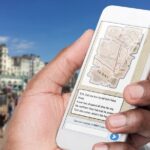
Also, the group stays small, up to 12 people. That turns the tour from a performance into a conversation. Ric—the guide mentioned in multiple reviews—uses a flip folder and plenty of explanation to bring scenes and characters into focus. You can ask questions without feeling like you are interrupting a loud train station.
You can also read our reviews of more private tours in Brighton

Meeting Point and Group Pace at Regency Square
You meet at the Boer War Memorial in Regency Square on Kings Road. The start time is 2:00 pm, and the tour ends on Prince’s Street. It is near public transportation, which helps if you are arriving from the station or mixing this with other daytime plans.
The timing is straightforward: around 90 minutes total, with about 30 minutes at each of the three main stops. In practice, that means you get time to listen without feeling trapped in one place, and you still have enough walking to connect the dots between areas.
The physical level is described as moderate. You are on foot for most of the tour, and the streets you are visiting include narrow lanes. If you are comfortable with normal city walking, you should be fine. Bring good shoes—Brighton can go from okay to slippery fast.
Stop 1: Brighton Beach for the Seafront Context
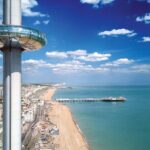
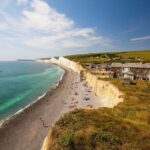
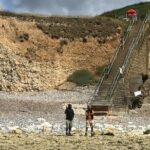
The first stop is Brighton Beach, along the seafront with the beach and nearby hotels. This is not just scenery. The tour uses the coastline and the surrounding streets to talk about historic people and events tied to this area.
Why this works: a lot of LGBTQ history is hard to spot on the surface. The seafront setting helps you understand why people were drawn to Brighton in the first place—why the city became a meeting place, and how the public-facing coast could sit alongside more private, community-focused life.
This stop is about 30 minutes and marked with free admission. That is a big deal for value. You are paying for a guided narrative, not for entrance fees, and you can spend your money on actual Brighton experiences afterward—fish and chips, a drink at a classic pub, or a quick browse around local shops.
Practical note: seafront weather can swing quickly. If you go in colder months, you will feel the wind.
Stop 2: The Lanes for Old Town Streets and Culture Stops
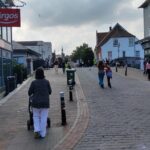
Next you head inland into The Lanes, the older part of town with narrow alleyways and buildings dating to the 18th and 19th centuries. This is where you start to feel how the city’s geography shaped everyday life.
During this part of the walk, you see landmarks connected to the area’s cultural and civic identity, including a historic pub, a theatre, and Brighton Town Hall. The point is not just to list sights. The guide uses these places to explain how a city’s institutions and entertainment spaces intersect with social change.
Why you will enjoy this stop: The Lanes are visually intense. Tight streets, sudden turns, and old facades make it easier to remember what you learn. When the guide mentions specific people or moments, your brain has a physical reference point.
The main drawback here is simple: narrow lanes can get crowded. The tour is small, but pedestrian density is still a factor. If you prefer lots of personal space, consider going on a day when the foot traffic is lighter.
Admission is also marked as free at this stop, so again, you are getting paid time with storytelling rather than paying to enter places.
Stop 3: Kemptown for the Queer Identity of the District
The final stop is Kemptown, described as the queerest district in Brighton and the country. This is the payoff area—where the tour shifts from background and context into the neighborhood identity people still associate with Brighton’s LGBTQ scene.
This part of the tour lasts about 30 minutes. You are walking through a district that many visitors experience as lively and distinctly Brighton, but the guide frames it through historical connections: who shaped the community, what kinds of spaces mattered, and how attitudes changed over time.
Why ending here helps: you leave with a sense of direction. After Kemptown, you are more able to explore on your own without losing the thread. Instead of treating LGBTQ history as a separate topic, you start seeing it as something embedded in the streets.
One more good sign from the reviews: the guide’s delivery is described as moving and inspirational, and that tone fits this neighborhood-focused ending. It is not just facts. It feels like a guided walk with respect.


The Real Value: A Guide’s Stories Plus Place-Based Learning
Plenty of tours can point at a building and say what it is. This one spends its energy on the “why” behind the places.
From the reviews, the standout theme is the guide’s ability to bring the material to life. Ric’s approach includes an organized visual aid—his flip folder—and a storytelling style that links past people and events to the physical locations you are standing near. That matters because LGBTQ history is often scattered across places that do not wear obvious labels today.
I also like that the tour does not assume you already know the city. It gives enough context to make the details meaningful. So if you are a first-timer in Brighton, you do not feel lost. If you are local, you still get new perspectives—especially when the stories connect to neighborhoods you may think you already know.
A balanced point: because this is about history and identity, the stories can carry emotional weight. That is part of the subject. If you prefer purely light sightseeing, you might want a different kind of tour.
Price and What $53.50 Gets You in a 90-Minute Tour
The price is listed at $53.50 per person for about 1 hour 30 minutes. For Brighton, that is in the range you would expect for a guided walking experience with a trained guide and a small group.
Here is the value math I see: you are paying for (1) a Blue Badge guide, (2) a route that covers three distinct areas, and (3) time where the guide connects the dots with anecdotes and context. On top of that, admissions at the stops are marked as free. That means you are not adding surprise entry fees.
Also, the max group size of 12 is not just a comfort detail. It changes the tour. You can hear the guide, ask questions, and avoid the classic issue where a large group turns everything into a one-way lecture.
If you want a lesson in how to see Brighton differently, this is strong value for time. Ninety minutes is long enough to matter, but short enough to fit your day.
What to Expect on the Ground: Weather, Shoes, and Timing
This experience requires good weather. Brighton can be bright and cold, or gray and windy. If rain is in the forecast, plan for it. Bring a waterproof layer and expect the seafront to feel colder than it looks on the thermometer.
In terms of gear, wear shoes that handle uneven pavement and narrow lanes. You will not need hiking boots, but you also do not want flimsy flats.
For timing, starting at 2:00 pm helps you dodge the busiest morning hours while still giving you daylight for the seafront and old-town streets. If you have another plan later, you should be able to pick it up after the tour ends on Prince’s Street.
If you are coming with kids, note that children must be accompanied by an adult. The tour is designed for walking and listening, so keep that in mind for younger attention spans.
Who This Tour Is Best For
This LGBTQ history tour in Brighton is a great fit if you want more than postcards. It suits:
- First-time visitors who want a guided way to understand Brighton’s LGBTQ story in a short time
- Locals who want to connect neighborhood corners to real people and events
- People who enjoy walking tours that use place-based storytelling
- Anyone who appreciates a small-group vibe and a guide who uses visuals and anecdotes
It may not be ideal if you want a purely casual stroll with no heavier historical context. And if you have very limited mobility, the moderate fitness requirement and narrow lanes may be tough.
Should You Book This LGBTQ History Tour?
I think you should book it if you want a clear, respectful way to learn LGBTQ history through real Brighton neighborhoods. The structure is smart—seafront, lanes, then Kemptown—and the small-group size keeps it personal. With Ric leading and using a flip folder to support the stories, you get information you can actually remember because it is tied to what you see.
Book it especially if you are the type who likes to return from a tour and immediately notice things you missed before—street angles, landmark purpose, and the feeling of a neighborhood changing over time.
If you are going through bad-weather days, watch the forecast and be ready to adjust. Otherwise, this is one of the more focused and emotionally thoughtful ways to understand Brighton.
FAQ
How long is the LGBTQ history tour in Brighton?
It runs for about 1 hour 30 minutes.
Where does the tour start and what time does it begin?
It starts at the Boer War Memorial in Regency Square on Kings Road, Brighton, at 2:00 pm.
Where does the tour end?
The tour ends on Prince’s Street.
How many people are in the group?
The tour has a maximum of 12 travelers.
Is the tour in English?
Yes, it is offered in English.
Do I need to pay admissions at the stops?
Admissions are marked as free for the listed stops.
Is the tour suitable for people with limited mobility?
The tour notes a moderate physical fitness level. It is best for people who can comfortably walk for about 90 minutes.
What is the cancellation policy if weather is poor?
The experience requires good weather. If it is canceled due to poor weather, you will be offered a different date or a full refund. You can also cancel up to 24 hours in advance for a full refund.