REVIEW · BRIGHTON
Sussex Birdwatching Private Guided Day Tour
Book on Viator →Operated by Wildstarts · Bookable on Viator
Sussex birdwatching, planned like a field study. This private guided day tour strings together four excellent habitats around Brighton, so you’re not just driving between places—you’re actually watching birds for hours. I especially like how the guide works from bird calls and careful searching, and how the day is organized to hit different species and seasons. One thing to consider: it runs outdoors for about 10 hours, and the operator notes it needs good weather.
You’ll start with smart site choices and end with a day that feels focused, not scattered. Guides like Atticus and David are mentioned in past experiences for having a sharp ear, taking time with questions, and setting up scopes so you can see settled birds. This is for up to four people, so it can be a great value if you’re traveling as a small group—or if you prefer not to share your attention with strangers.
In This Review
- Key Points You’ll Care About
- How a 10-Hour Sussex Birding Day Fits Together
- Old Lodge Nature Reserve: Specialist Woodland Birds for 3 Hours
- Pulborough Brooks (RSPB): Wetland Floodplain, Season-Proof Birding
- Pagham Harbour Local Nature Reserve: Waders, Wildfowl, Terns, and Sea-Edge Watching
- Burpham: Downland Birds of Prey and Scarce Farmland Species
- The Real Secret Sauce: How Guides Like Atticus and David Improve Your Day
- Price and Value: What $329.10 Means for a Private Up-to-Four Day
- Timing, Weather, and What You Should Plan for
- Who This Tour Is Best For (and Who Might Want Something Different)
- Should You Book This Sussex Birdwatching Day?
- FAQ
- How long is the Sussex Birdwatching Private Guided Day Tour?
- How much does it cost, and how many people are in a group?
- Is pickup available?
- What language is the tour conducted in?
- What sites are visited, and are admission fees included?
- Is this a private tour?
- Does the tour run in bad weather?
- What is the cancellation and refund window?
Key Points You’ll Care About
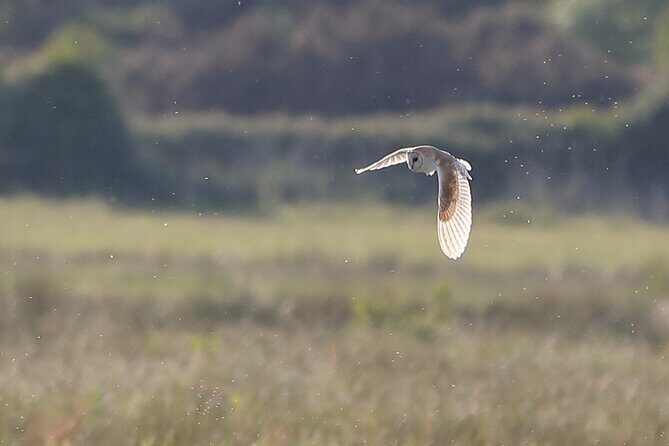
- Four habitats in one day: downland, wetlands, a harbour, and woodland reserve habitats, so your chances change as the morning moves on.
- Admission built into most stops: Old Lodge, Pulborough Brooks (RSPB), and Pagham Harbour include entry, while Burpham is free.
- Private guiding for up to four: only your group participates, so you get a more adjustable pace.
- Targets by season: summer waders and terns, winter wildfowl, and year-round birds like Treecreeper are all part of the plan.
- Guides who listen hard: past guides were praised for picking up bird song long before others could, then locating birds efficiently.
- Weather-aware scheduling: the tour requires good weather and is handled with a reschedule or refund if conditions force it.
How a 10-Hour Sussex Birding Day Fits Together
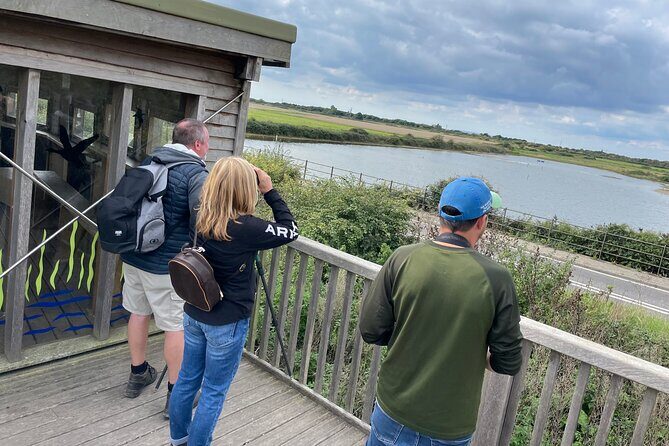
This is a full, day-long outing in Sussex, designed around a simple idea: birds change by habitat, and habitat changes fast. The tour’s structure gives you multiple bites at the apple, rather than one long stop where you might feel stuck waiting. With the pickup option, you can start without the stress of figuring out transport at 8 AM-ish.
Because it’s private (your group only), the guide can slow down for questions or help you adjust your expectations to what’s realistically findable that day. That matters for both beginners and people who already know their way around binoculars. And since it runs for about 10 hours, you’ll get time to actually watch, not just “see a few birds and go.”
The other big advantage is the mix of habitats. Old Lodge leans toward specialized woodland birds. Pulborough Brooks is wetland and woodland on a floodplain. Pagham Harbour brings waders and seabirds into the mix. Burpham adds downland birds of prey and farmland specialists. That variety is the backbone of the day.
You can also read our reviews of more guided tours in Brighton
Old Lodge Nature Reserve: Specialist Woodland Birds for 3 Hours
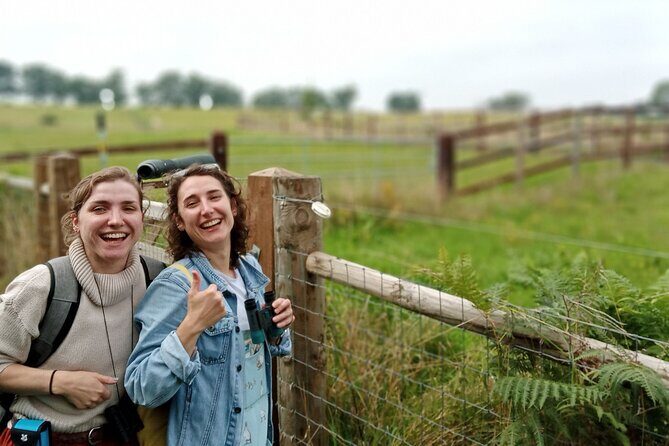
Old Lodge Nature Reserve is where the day turns into targeted birding. This is the stop you go to when you want a shot at species tied to particular habitat types and seasonal timing. Depending on when you visit, you can find birds like Dartford Warbler, Woodlark, Lesser Spotted Woodpecker, Tree Pipit, Cuckoo, and more.
What I like about this stop is that it doesn’t feel like a casual walk-through. It’s built for pattern recognition: listening for calls, scanning promising spots, and using your time efficiently. Over the course of the 3 hours here, the guide can also help you learn what to pay attention to—song first, movement second, and only then the “there it is” confirmation.
A practical consideration: specialized birds often show up best when you’re paying attention to subtle cues. If you’re expecting constant action like a movie montage, you might find long quiet moments. But that quiet is part of birding—especially in woodland reserves where sound carries and sightings can be brief.
Admission is included at this stop, which helps keep the day’s cost simple.
Pulborough Brooks (RSPB): Wetland Floodplain, Season-Proof Birding
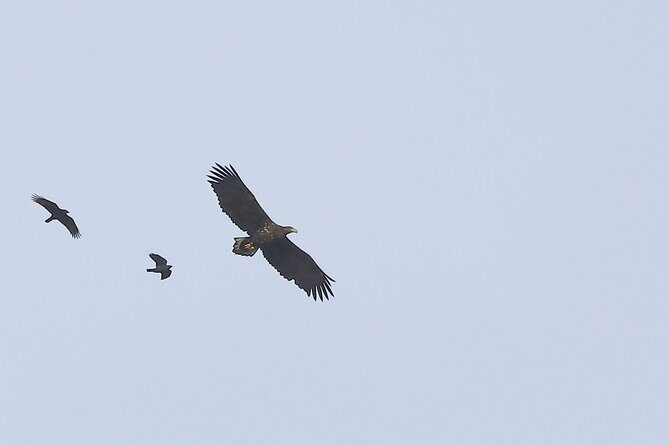
Pulborough Brooks RSPB is one of those sites where the habitat does half the work. It sits on the River Arun floodplain, and it’s known for regular sightings of White-tailed Eagles. On the day, you’ll be shown a range of wetland and woodland species, with the guide helping you focus on what’s likely active.
This stop is especially compelling because the expectations shift by season. In summer, you can look for Little Ringed Plover and Avocet. In winter, the pattern changes toward hordes of Pintail, Wigeon, and other wildfowl. There’s also Treecreeper year-round, which means you’re not entirely dependent on perfect timing for at least one “always-on” birding thread.
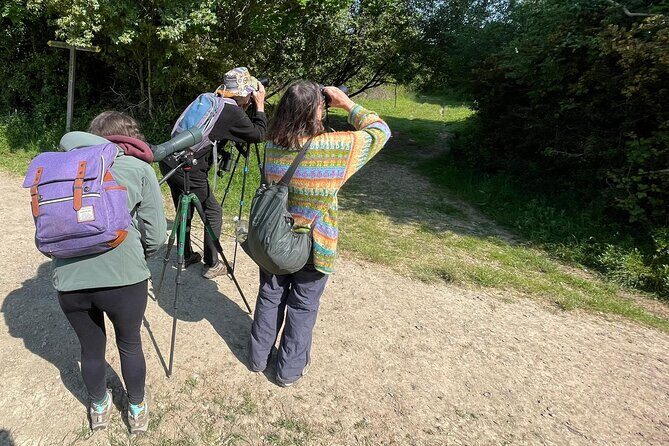
I also like that the guide isn’t just pointing at birds. Past experiences emphasized patient, unhurried birding, with the guide setting up a scope for settled birds in the distance. That approach matters here. Wetlands can be full of movement, but the best views often come when a bird pauses long enough for you to lock onto it.
A consideration for you: wetlands can be changeable underfoot. Even without getting dramatic, you should expect the possibility of damp ground or breezier conditions near open floodplain areas. Wear shoes you’d trust for a long walk.
Admission is included at this stop too.
Pagham Harbour Local Nature Reserve: Waders, Wildfowl, Terns, and Sea-Edge Watching
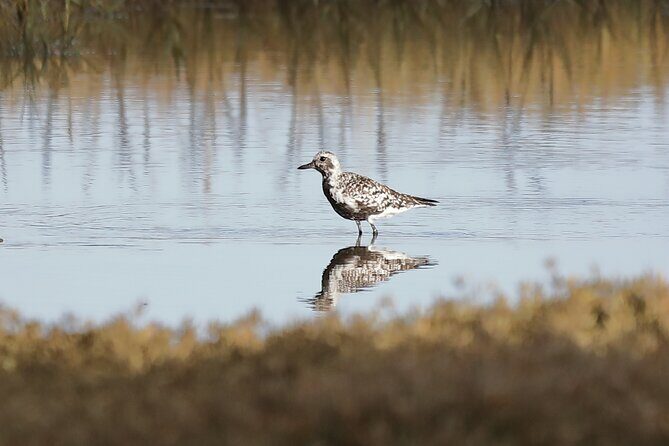
Pagham Harbour adds a coastal-energy feel to the day. This natural harbour supports wading birds and wildfowl, plus migrating passerines and seabirds seen off the beach. And in summer, there’s a spectacular nesting-tern display.
If you like birding where the scenery and the animals feel linked, Pagham Harbour is built for it. It’s one of the stops where you can get variety in a short time because habitats overlap: harbour edges, open areas, and the beach zone can each deliver different sightings. Expect the guide to help you read the shoreline—watch for “where activity is concentrated,” then follow it.
I’ll be honest about the one drawback: harbours and coasts can be windy. If you’re someone who hates cold hands or struggles with a steady grip on binoculars, plan for that. Bring layers and be ready for the kind of breeze that makes you want to hunch, especially during longer scanning periods.
Admission is included at this stop as well.
Burpham: Downland Birds of Prey and Scarce Farmland Species
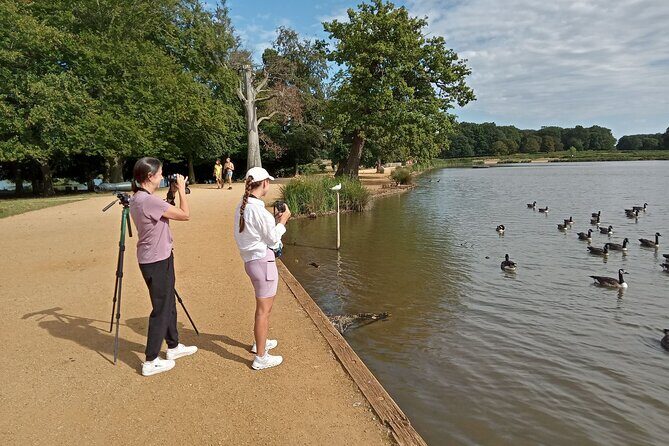
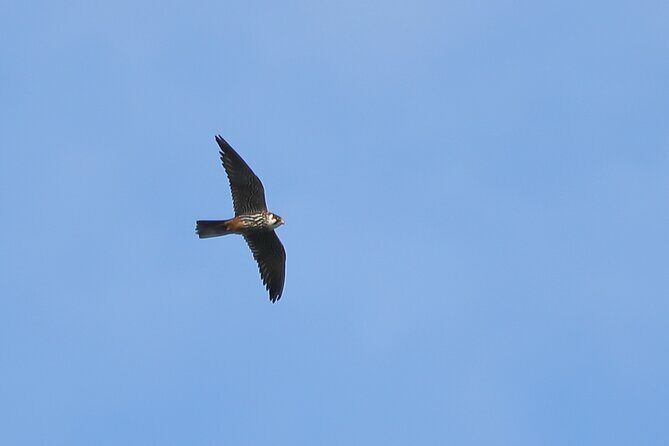
Burpham is the day’s downland phase, and it gives the bird list a different tone. Here, you’re in sweeping downland country that supports birds of prey. You can also target scarce farmland birds like Grey Partridge and Corn Bunting.
This is a good balance after the wetland and harbour segments. Downland birding often rewards careful searching and attention to how birds use open space. If you’ve already spent time with woodland specialists and wetland flocks earlier, Burpham can feel like a change in tempo: more open sightlines, different flight patterns, and different listening habits.
One practical plus is that entry is free here, so your day’s cost includes paid access only where needed. Another consideration: farmland specialists can depend on the specific conditions of the day. Even with a great guide, you might not get every target every time, so it helps to have a flexible mindset and trust the guide’s plan.
You can also read our reviews of more private tours in Brighton


The Real Secret Sauce: How Guides Like Atticus and David Improve Your Day
The strongest theme running through past experiences is the guide’s ability to work both by listening and spotting. In multiple mentions, guides were praised for alerting people to bird song at the start, then using sharp eyes to identify birds near and far. The best part is the pace: patient, unrushed birding that matches what your group can handle.
You’ll also notice how scopes are treated as tools, not trophies. One account highlighted a guide setting up a scope for settled birds in the distance. That’s a big deal, because scope use is where many people lose the moment. When someone guides your setup and your scanning pattern, you get more actual views rather than more frustration.
Another detail I like is how the guide handles questions. On a longer stop (around 3 hours at Old Lodge), the guide reportedly stayed busy answering questions. That tells you this isn’t a rigid “march to the next spot” kind of tour. It’s more like a guided learning session in the field, while still keeping the day moving enough to hit four strong locations.
And if you’re a solo visitor with limited time, that style can be a lifesaver. There are mentions of layovers near Gatwick being turned into a full birding day, with an itinerary tailored to target birds and a guide who could pick up calls well ahead of others.
If you like photography, you might appreciate how skilled guides tend to help you get usable moments. One mention specifically called out that the guide takes great photographs of birds, which is a good sign the guiding includes how birds behave, not just what birds are present.
Price and Value: What $329.10 Means for a Private Up-to-Four Day
The tour price is $329.10 per group, up to four people. The math matters because private birding gets expensive fast if you’re paying per person. Here, you’re paying for a guide and a full day of site-hopping, but you can split it.
At full capacity (four people), that works out to about $82 per person for the whole day (rough estimate based on group price). If you’re traveling as two or three, the per-person number rises, but you’re still getting a long, structured outing with multiple paid sites included.
Value gets even better when you consider admissions. Old Lodge, Pulborough Brooks (RSPB), and Pagham Harbour include entry. Burpham is free. So you’re not paying add-ons in the middle of the day for access that’s already part of the birding plan.
Is it “cheap”? No. But for private guiding, long duration, and multiple habitat hits, it’s the kind of cost that can feel reasonable if you’re serious about seeing more than a handful of birds. If you’re the type who wants to spend hours focusing on species and learning, that’s where the price tends to make sense.
Timing, Weather, and What You Should Plan for
This tour runs approximately 10 hours and operates within a window of 8:00 AM to 5:00 PM, Monday through Sunday. That matters because it shapes what you can expect in terms of daylight and bird activity. Early hours can be prime for calling birds, and later hours still matter for watching behavior once birds settle.
The operator also states the experience requires good weather. If it’s canceled due to poor weather, you’ll be offered a different date or a full refund. That’s not a small detail. Birding is sight and sound, and heavy rain or bad conditions can turn even great locations into quiet, muddy disappointment.
My practical advice: treat this as an “outside first” plan. Wear comfortable walking shoes and dress in layers. If wind is a problem for you, plan for it at the harbour. Bring what you need for a long day, because the itinerary is built on time at the field sites, not quick photo stops.
Who This Tour Is Best For (and Who Might Want Something Different)
This is ideal for people who want a guided, high-success day and don’t want to gamble on navigation or bird-finding. It’s also a strong choice for families where kids or grandchildren need the guide’s patience and steady explanations. One past experience emphasized that the guide stayed busy answering questions while still keeping a steady pace.
It also fits solo travelers. If you’ve got a layover and want to turn a few hours into a real birding day, a private guide tailored to your targets can be far more effective than trying to piece together public sites on your own. The best guide approach here is ear-and-eye focused, especially when you’re trying to find birds quickly.
If you’re a complete beginner, you’ll likely like the structure. If you’re an experienced birder, you might like that the day explicitly targets specific species depending on season, like Dartford Warbler or Little Ringed Plover in the right months.
If you only want a short “sampler” experience, this might feel too long. This is a full commitment day, built for people who want to spend the time.
Should You Book This Sussex Birdwatching Day?
If you want a guided day in Sussex that hits multiple top habitats and gives you a real chance at targeted species, this is a smart bet. The private format helps you get a pace that works for your group, and the guide approach is clearly centered on listening, careful scanning, and setting up views.
Book it if you:
- want private guiding for up to four people
- value a structured day with paid admissions included for most stops
- care about learning birds by call and observation, not just spotting from a distance
Skip it (or consider a shorter option) if you:
- hate long outdoor days or aren’t comfortable in wind or cool coastal air
- need constant action rather than patient searching
If you’re aiming for a memorable birding day around Brighton and you want professional help turning sounds and movement into real sightings, this kind of plan delivers exactly that.
FAQ
How long is the Sussex Birdwatching Private Guided Day Tour?
The tour runs for about 10 hours.
How much does it cost, and how many people are in a group?
It costs $329.10 per group, up to four people.
Is pickup available?
Yes, pickup is offered.
What language is the tour conducted in?
The tour is offered in English.
What sites are visited, and are admission fees included?
You’ll visit Old Lodge Nature Reserve, Pulborough Brooks RSPB, Pagham Harbour Local Nature Reserve, and Burpham. Admission tickets are included for the first three stops, and Burpham is free.
Is this a private tour?
Yes. It’s private, and only your group will participate.
Does the tour run in bad weather?
The experience requires good weather. If it’s canceled due to poor weather, you’ll be offered a different date or a full refund.
What is the cancellation and refund window?
Free cancellation is offered. You can cancel up to 24 hours in advance for a full refund, and changes within 24 hours of the start time aren’t accepted. Cut-off times use the experience’s local time.