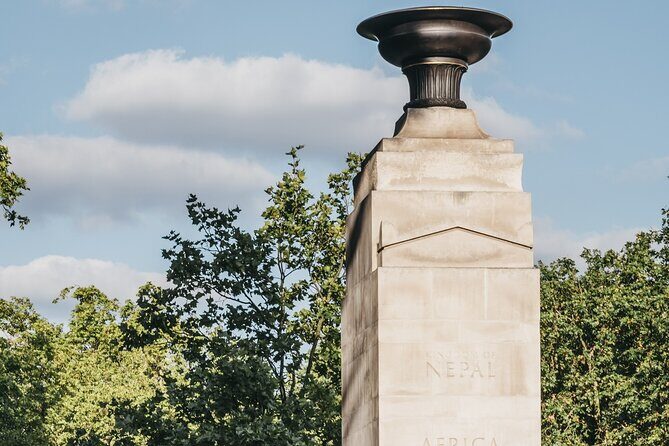
Moorgate has secrets under your feet. This Hidden Tube walking tour turns London’s oldest Underground corners into a real, feet-on-the-ground history lesson. I like the easy-to-find meeting point inside a working transport station, so you’re not hunting for a sketchy side door in the rain.
I also like the short 80-minute format—perfect when you want something memorable without stealing half your day. The guides Emma and Roberto keep the story moving, and there’s a health-and-safety lead in the mix. One drawback: the route involves a lot of walking on uneven ground, low lighting, and stairs, with no elevator and no step-free access.
In This Review
- Key things to know before you go
- Moorgate Station’s “Deep Tube” layers in about 80 minutes
- Finding the meeting point at Moorgate Station (and why it matters)
- What you’ll actually see underground: unused tunnels, tracks, and old corridors
- The timeline story: 1865 origins through later upgrades (with a modern thread)
- Group size, pace, and the “listen up” factor with 18 people
- Price and value: what $61.73 buys you at Moorgate
- Who should book this tour—and who might skip it
- Tips to get the most from Moorgate (without ruining the flow)
- Final verdict: should you book the Hidden Tube walking tour at Moorgate?
- FAQ
- How long is the Hidden Tube walking tour of Moorgate Station?
- Where does the tour start and end?
- What group size should I expect?
- Is this tour suitable for children?
- Do I need photo ID?
- Is the tour step-free or wheelchair accessible?
- Are open-toed shoes allowed?
- Can I bring food, drinks, or a large bag?
- What’s the cancellation policy?
Key things to know before you go
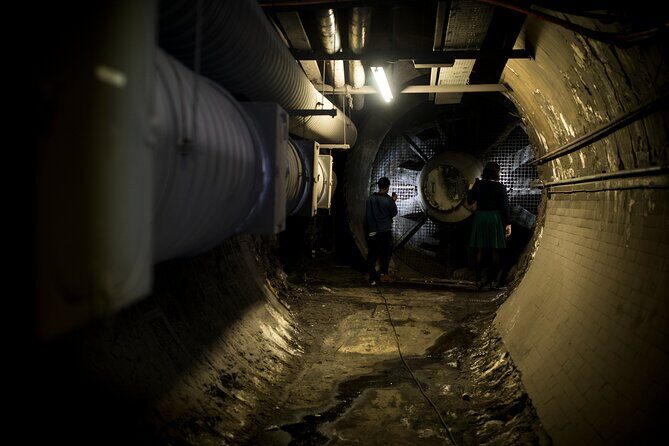
- Moorgate Station, inside a live Underground hub: you start right where the action is.
- Unused tunnels and forgotten tracks: you’ll walk where trains no longer go.
- Vintage passenger corridors: original glass tiles and period posters add texture to the story.
- Guide team Emma and Roberto: history comes with personality, not just facts.
- Max group size of 18: small, but still enough people that you’ll want to position yourself for visibility.
- Stairs + uneven ground + low light: bring the right shoes and expect real underground conditions.
Moorgate Station’s “Deep Tube” layers in about 80 minutes
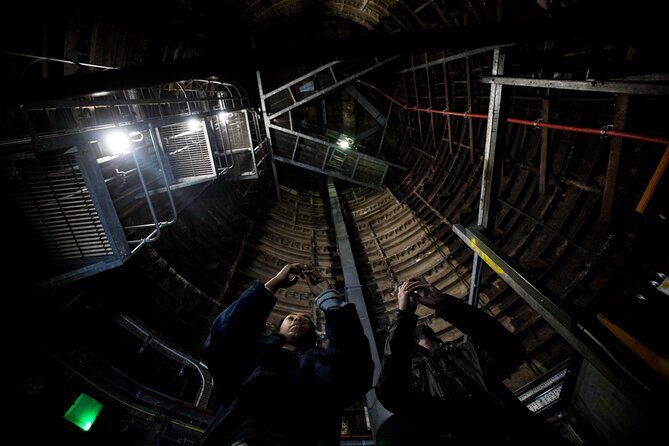
Moorgate is one of those London places that feels ordinary until you look closer. On this tour, that’s the whole point. You go from the modern station vibe into areas that show earlier Underground ambition—circles, corridors, track space, and structural details you won’t see from platform level.
The tour lasts about 1 hour 20 minutes, which is just the right length. It’s long enough to feel like you’ve actually gone somewhere, but short enough that you can still do a normal day plan above ground. I love that kind of timing in London: you want a break, not a second commute.
You can also read our reviews of more walking tours in London



Finding the meeting point at Moorgate Station (and why it matters)
Meeting at Moorgate Station is a big advantage. You’re not trying to decode directions to a secret basement entrance; you start in a real public transport station area. That means you can get your bearings quickly and stay focused on the tour instead of the logistics.
It also helps that you’re given a mobile ticket. Bring it up on your phone when you arrive. Then bring your photo ID, because it’s required for entry. (This is one of those annoying-but-common rules that can derail your day if you forget.)
Practical shoe and carry rules are worth noticing early:
- Open-toed shoes aren’t allowed
- There’s no cloakroom, and you shouldn’t bring large bags or luggage
If you travel light, this tour feels easy to slot in. If you travel heavy, plan a storage option before you get there.
What you’ll actually see underground: unused tunnels, tracks, and old corridors
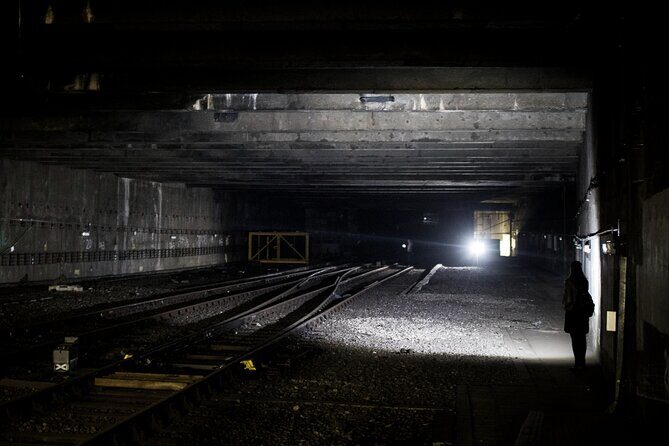
The star of the tour is access. You’re guided through parts of Moorgate that show what Underground life looked like when the system was still being shaped and reshaped.
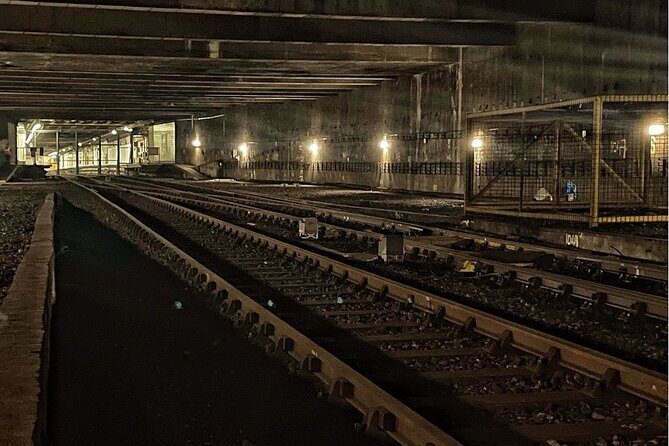
You’ll walk along abandoned track sections and through unused tunnels—not as a distant look, but as a moving route where you can understand scale. You also get to see original passenger corridors with vintage glass tiles and vintage posters, which is a very different kind of “London history” than the usual plaques-and-photo stops.
One detail I’d put on your radar: the structural view. At least some of the route includes a chance to appreciate the size and scale of lift shafts and the concrete roof span above. That kind of look matters because you start to grasp why the station is what it is today. It’s not just nostalgia—it’s engineering you can sense with your eyes.
Low lighting is part of the experience. That makes the underground feel atmospheric, but it also means you should watch your footing and don’t rely on perfect visibility to enjoy the tour. Listen to the guide cues, and keep your pace steady.
The timeline story: 1865 origins through later upgrades (with a modern thread)

Moorgate’s story is layered because the station evolved with London itself. You start with the station’s early roots—opened in 1865 as Moorgate Street, linked to the first extension of the Metropolitan line. The tour then moves through later periods of change, including the sense of expansion and renovation that kept happening as demand grew.
What makes this timeline work is that you don’t just hear dates—you’re standing in the spaces those changes affected. When the guide explains how upgrades and renovations adapted older layouts to new needs, you can look around and connect the explanation to the built environment.
The tour’s narration also reaches across eras, including mid-century work and later developments linked with the network’s continuing growth, up to references including the Elizabeth line. Even when you can’t access every historical corner, the way the tour threads through time helps you understand Moorgate as a living system—just with some rooms that time forgot.
If you’re a transit enthusiast, this is the part you’ll enjoy most. One smart approach: ask questions during the tour when you’re standing in the area being discussed. You’ll get better answers because the guide can point back to what you’re actually seeing.
Group size, pace, and the “listen up” factor with 18 people
The tour caps at 18 travelers, which is still a decent group size. That’s great for meeting other people, and it can create a shared energy—especially if you like comparing notes about what you’re seeing.
But here’s the practical reality: with a group this size, you’ll want to stay closer to the guide when they’re using maps or showing items. If you drift too far back, you may miss details and struggle to hear in low-light sections.
Also, this tour isn’t a casual stroll. You should have moderate physical fitness, because you’ll be walking a lot, including uneven ground and walking up and down flights of stairs. There’s no elevator, and the tour isn’t step free.
So my advice is simple:
- Plan for a slower pace than you’d walk outdoors
- Keep an eye on your footing, not just the view
- Bring patience for low-light sections where movement is slower






Price and value: what $61.73 buys you at Moorgate
At $61.73 per person, this isn’t a “cheap add-on.” The value comes from access and effort.
First, you’re getting guided entry into behind-the-scenes areas that most visitors never see. Second, there’s real work in doing this safely in an active station environment—research, historical preparation, and logistics to move a group through restricted or unused parts. That’s part of why the tour exists at all.
That said, it’s smart to acknowledge that not everyone will feel the same value. Some people felt the tour was overpriced because the behind-the-scenes areas seemed less impressive than expected, and they thought the historic talk leaned on material they could find elsewhere online. That feedback matters because it points to a mismatch that can happen: if you want flashy set-piece entertainment, a walk through old corridors and unused spaces may not hit the same way.
If you want engineering texture, real physical scale, and a guide who ties what you see to the Underground’s evolution, the price starts to make more sense. You’re buying context and access, not a show.
Who should book this tour—and who might skip it
This tour fits best if you like:
- London history that you can physically stand inside
- Transport details—tracks, structures, and how systems change over time
- Small-group guided experiences over solo wandering
It may be less suitable if:
- You need step-free access (this route is not step free and has stairs)
- You’re uncomfortable in low lighting or on uneven ground
- You’re traveling with lots of luggage (no cloakroom, no large bags)
Families should note the age rules: it’s not suitable for children under 10, and there’s a limit of four children aged 10–15 per adult. Also, photo ID is required, and open-toed shoes are not allowed.
For couples, solo travelers, and small groups who want an “offbeat London” experience, this is a strong choice. For anyone who considers rail history a hobby, it’s even better.
Tips to get the most from Moorgate (without ruining the flow)
A few small choices can make your tour feel smoother:
- Wear closed, grippy shoes. You’ll thank yourself on uneven ground.
- Keep bags minimal. No cloakroom means you’re likely to carry what you bring.
- If you’re interested in specific Underground eras, ask questions while you’re standing in the relevant area.
- When maps or photos come out, move a bit closer. That’s when you’ll catch the fine details.
If you’re especially into the network’s deeper lore, you might want to bring curiosity about related platforms and older machinery stories tied to the area. You may find the guide willing to point out what’s referenced versus what’s physically accessible on the current route—and that helps you decide what to explore later on your own.
Final verdict: should you book the Hidden Tube walking tour at Moorgate?
Book it if you want a compact Underground history experience where the stories are anchored to actual tunnels, corridors, and track remnants. The 80-minute length, the working-station meeting point, and the guide duo Emma and Roberto make it a practical win for busy itineraries. You’ll get that rare feeling of seeing London’s layers from inside the system, not from behind a fence.
Skip it (or choose a different style of tour) if you need step-free access or if you dislike stairs, uneven ground, and low-light walking. And if your idea of value is big visual spectacle, you might feel disappointed.
If your “perfect London day” includes quiet curiosity, real physical scale, and guides who know how to make old infrastructure human, this is a tour worth your time—and your money.
FAQ
How long is the Hidden Tube walking tour of Moorgate Station?
It’s approximately 1 hour 20 minutes, with an 80-minute guided tour.
Where does the tour start and end?
It starts at Moorgate Station, Moorgate, London EC2M 6TX, UK, and ends back at the same meeting point.
What group size should I expect?
The tour has a maximum of 18 travelers.
Is this tour suitable for children?
It’s not suitable for children under 10 years old. There is also a limit of four children aged 10–15 allowed per adult.
Do I need photo ID?
Yes. All guests must bring photo ID.
Is the tour step-free or wheelchair accessible?
No. The tour is not step free and includes walking up and down flights of stairs. There’s also no elevator.
Are open-toed shoes allowed?
No. Open-toed shoes are not allowed.
Can I bring food, drinks, or a large bag?
No food or drinks are allowed on the tour. Also, you shouldn’t bring luggage or large bags because there’s no cloakroom.
What’s the cancellation policy?
You can cancel for a full refund if you do so at least 24 hours before the experience starts. If you cancel less than 24 hours before, the amount paid is not refunded.