REVIEW · LONDON
London Tootbus Hop on Hop off Bus Tour and Thames River Cruise
Book on Viator →Operated by Tootbus · Bookable on Viator
Two hours of London, zero guesswork. The hop-on hop-off bus pass is a smart way to cover major sights without playing cartographer, and the real-time app tracking helps you find the next bus fast. One catch: the recorded commentary can feel repetitive or occasionally go missing.
The big bonus is the included Thames River Cruise ticket, valid for the same period as your bus pass. You also get a mobile ticket, so you’re not hunting for paper at busy stops, and you can sit on the open-top deck for wide views while you ride.
In This Review
- Key things to know before you board
- How this hop-on hop-off pass really helps your day
- Bus and cruise: what you get for about $54
- Route One: Westminster, the London Eye, Covent Garden, and the City
- Route Two: Buckingham Palace, Hyde Park edges, and Kensington highlights
- Route Three: Russell Square, King’s Cross, St Pancras, and the British Museum zone
- Finding your stop when London crowds make everything harder
- The Thames cruise ticket: the quiet power move
- Comfort, timing, and the real-world London problem: traffic
- Price and value: where this pass wins and where it might not
- Who this tour suits best (and who should rethink it)
- Should you book the Tootbus London bus and Thames cruise?
Key things to know before you board
- Three routes, one pass: hit top landmarks across multiple circuits without being stuck to one strict loop
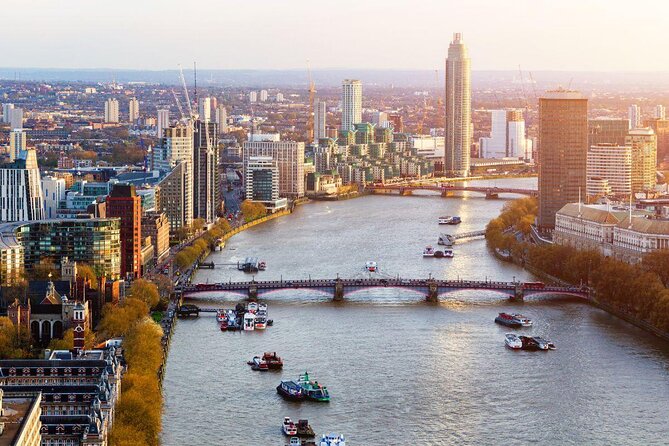
- Real-time bus tracking: use the app to see where buses are and find the closest stop
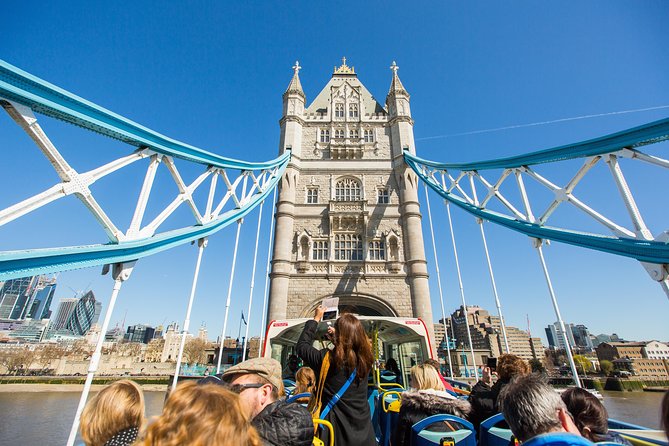
- Double-decker views: open-top panoramas plus covered seating when the weather turns
- Hop off on your terms: choose when to explore, then get back on later
- Thames cruise included: add a river perspective without planning it separately
How this hop-on hop-off pass really helps your day
London is a city of angles. Between Trafalgar Square, Westminster, the City, and the river, the distances look short on a map and feel long on foot once you add street crossings and detours. This bus format gives you a practical middle ground: ride to the next cluster of sights, then walk the last mile when you want photos, coffee, or just time to stare at buildings.
I especially like that the tour is built around flexibility instead of a rigid schedule. You don’t have to keep pace with a group, and you can spend more time where you care most, like Westminster’s grand facades or the skyline near St Paul’s and the Tower area.
The other “real” win is the way the app can reduce friction. Instead of guessing, you can check what’s coming and which stop is closest. That matters because some stop signage can be tricky, and the bus stop names you see aren’t always the exact phrase you’d use if you were searching for a building entry.
You can also read our reviews of more tours and experiences in London.



Bus and cruise: what you get for about $54
The listed price is $53.74 per person, and the duration is roughly 2 hours per bus outing (traffic permitting). The bigger value story is that the pass is also sold in 1-day, 2-day, or 3-day options, so you’re not forced to cram everything into one afternoon.
What makes the math feel better is the added Thames hop-on hop-off cruise ticket included with the same validity period as your bus pass. If you’ve ever tried to slot a river cruise into a London itinerary, you know how often timing gets awkward. Here, it’s bundled, so you can decide later whether you want a calm ride on the water that same day or a different day.
Is it still worth it if you love the Tube? Sometimes, yes—but not always. The bus can be slower than underground travel, and one review even pointed out that the Metro can get you faster while the bus lets you see more without extra transfers. I’d think of the pass as a comfort-and-sightseeing tool, not a fastest-commute system.
Route One: Westminster, the London Eye, Covent Garden, and the City
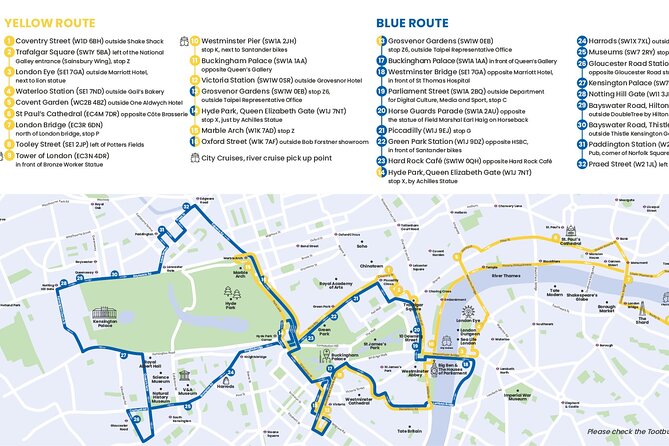
This route is the one that makes you feel like London is working overtime. You start at 1 Coventry St (in front of Shake Shack for the first and last departures), then move toward the core of “classic London” sightings.
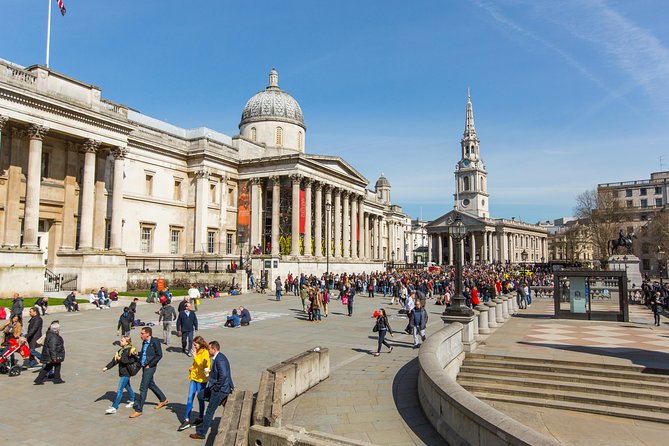
You’ll pass Pall Mall East and get Trafalgar Square early, which is a smart move because it’s a natural place to pause. From there the bus heads through the Whitehall stretch, hitting Craig’s Court and Banqueting House along the way. These areas are compact but heavy with government architecture, and they’re great if you want the photos without walking blocks you’ll later remember as “somewhere near Parliament.”
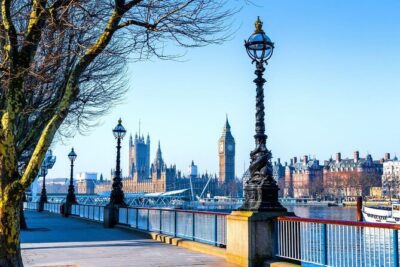
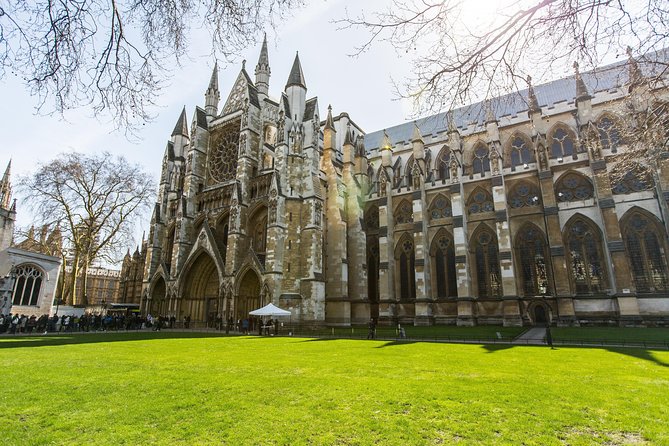
Next you reach Westminster and the Westminster Pier, which pairs well with the included river cruise ticket later. From there, you get Westminster Station and London Eye views—an easy way to put the Millennium landmark on your list even if you don’t want to spend money on the capsule itself.
As you continue toward the river and central neighborhoods, Waterloo Station appears, then Covent Garden at 1 Aldwych. Covent Garden is a good hop-off point because you can turn the bus stop into a timed walking break: street performers, market streets, and dinner choices. You finish this part of the route around the St Paul’s Cathedral area and sweep toward Tower Hill with Tower of London nearby. The City segment is where the skyline changes the feel of London—more stone, more towers, more “from TV, but real.”
A practical drawback here: if traffic is heavy, your view from the bus can come with stop-and-go pacing. That’s not a dealbreaker, but it’s why you should treat the bus as a sightseeing ride, not a strict appointment time.
Route Two: Buckingham Palace, Hyde Park edges, and Kensington highlights

This second circuit is built for the “royal parks and posh shopping” arc. The first and last departure point is listed at Grosvenor Gardens.
Early on you’ll see Buckingham Palace from the roadside and then continue through the Horseferry Road / Lambeth Palace area. This section is useful because you get the iconic landmark presence without needing to arrive before sunrise to secure the best photo angle.
From there the route transitions into west-central London, including Westminster Bridge Road and Piccadilly. Piccadilly is one of those places where you can hop off and immediately choose your vibe: quick souvenir browsing, a café stop, or a walk toward major shopping and theater areas.
Then come the “London postcard” stops: Queen Elizabeth Gate for Hyde Park, Harrods (near Hyde Park side access), and Museums around 5 Thurloe Pl. If you like museums but don’t want to commit to one big one, this is where you can switch plans quickly.
The Kensington section includes Kensington High Street and Kensington Palace (shown as 9 – Kensington Palace in the stop list). It’s a nice change of pace: more residential feel and greenery compared to the denser Westminster-to-City stretch.
This route also includes Notting Hill Gate and the Bayswater Road hotel area stops. That’s handy when you’re staying near those zones and don’t want to fight with connections at peak hours.
Route Three: Russell Square, King’s Cross, St Pancras, and the British Museum zone
The third circuit starts at 49 Woburn Pl and runs through major rail hubs and classic museum territory. You’ll see Russell Square early, then Euston Station, and the King’s Cross / St Pancras area—stops include Pancras Road and St Pancras Station.
This route is great if your trip is anchored around train travel. If you’re using Eurostar or just want to be close to major departures, it reduces the “where do we get off” stress.
Next you hit British Museum near Great Russell Street, a strong choice for anyone who wants a world-class collection without planning a full-day detour. Even if you only do 60–90 minutes inside, that’s enough time to catch a few must-see areas, and the bus lets you get back out easily when you’re done.
The route also passes Wyndham’s Theatre at Charing Cross Road for first and last departure, plus St Martin’s in the Field near Duncannon Street. If you like landmarks with easy transit access, these stops help you connect to the rest of London without feeling boxed in.
Finally, you circle back toward Covent Garden via One Aldwych. That gives you a full loop of sorts: museums and rail hubs on one side, shopping and street life on the other.






Finding your stop when London crowds make everything harder
This is where the pass can be brilliant—or annoying—depending on the day. I like that the system uses the Tootbus app for real-time tracking and the closest stop. But if the app loads slowly for you on the day, don’t panic. Use your offline plan too: keep any stop map or directions accessible on your phone so you’re not stuck buffering at the curb.
Some practical reminders from the way people describe their experience:
- Bus stop names may not match your internal “what I think it’s called” map, so use the app’s closest-stop guidance when possible.
- Stop numbers aren’t always called out on-site, so watch for the specific stop signage and the bus operator help near the stop.
- When you board, grab headphones right away if your headphones system uses a retrieval step at the start of the ride. If you wait, you can lose momentum.
Audio commentary is a mixed bag. The format is adult audio plus bespoke children’s audio, which is a real plus for families. Still, some people report the track can be repetitive or not fully synchronized with what you’re seeing. My advice is to treat the narration as a helpful guide, not a requirement. If the audio is lagging, you can still enjoy the sights visually and read small plaque-style context nearby after you hop off.
The Thames cruise ticket: the quiet power move
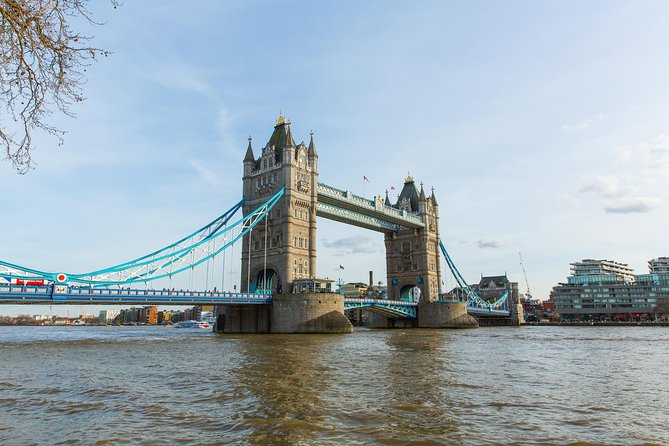
The included hop-on hop-off Thames River cruise is the part that makes the whole day feel more rounded. From a sightseeing standpoint, London from the water is just easier to decode: landmarks line up along a natural corridor, and you get the chance to rest your legs.
You also have control. Because it’s hop-on hop-off, you’re not forced into a single fixed time window. You can pair it with your bus route progress: do a bus loop, hop off for dinner, then use the river cruise ticket to continue at a calmer pace.
One detail I really value is that the river operator’s commentary can be paced slowly and clearly. That matters if you’re not a fan of fast accents over loud audio systems. Even when the bus narration isn’t perfect, the boat experience can carry the day.
Comfort, timing, and the real-world London problem: traffic
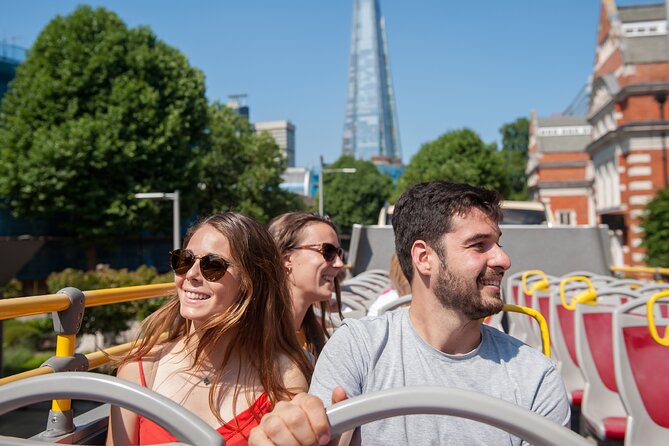
Double-decker buses are comfortable for long stretches, and you get a choice of inside seating or the open-top deck for panoramic views. That choice is more than a vibe decision—it affects how much you can see. From the top deck, even simple landmarks feel more cinematic, while the inside seats can be better if the weather shifts or if you’re trying to hear commentary clearly.
Timing is the big variable. In general, buses tend to show up regularly, but there are also reports of long waits if service is disrupted, if the afternoon turns into gridlock, or if a demonstration affects routes. When the city gets loud outside, it can also make it tougher to follow audio instructions.
Here’s how I’d plan it so you don’t lose your day:
- Do one main hop-off block in the morning, then keep your second hop-off block lighter.
- Don’t make the bus your only way to reach a hard appointment.
- If you’re counting on a specific stop for the cruise timing, build in buffer time.
Price and value: where this pass wins and where it might not
At $53.74, the pass feels fair when you use it like it’s meant to be used: multiple hop-offs, not just one bus ride. If you only ride once and never get to the river portion, you’re basically paying for transportation plus partial viewing, and that can feel expensive.
The value improves if you:
- want to see several landmark clusters in a short window
- enjoy hopping off multiple times for photos and walking breaks
- will actually use the included Thames cruise
Is it the best value for everyone? No. If you already have a strong plan with Tube-only routes and you’re the type who hates waiting for buses, this might not feel efficient. One review even highlighted that the Metro can be faster, though it’s easier to miss the “in-between” sights that the bus gives you.
My rule of thumb: if you’re planning a first-timer London day and you want convenience, the pass can be a solid buy. If you’re highly schedule-driven or relying on exact times, you may need a backup plan.
Who this tour suits best (and who should rethink it)
This works especially well for:
- first-timers who want a high-hit-rate overview without constant navigation
- families who need a kids’ audio track and flexibility
- travelers who like learning in small chunks while still seeing things on their own
- people who want an easy pairing of bus + river cruise
It might not be your best match if:
- you strongly dislike recorded audio that might not sync perfectly
- you’re okay doing your sights by Tube and walking only
- you’re trying to time a single tight window with no buffer
You might also want to choose your day carefully. If London has demonstrations or heavy traffic patterns, the bus experience can slow down. That’s not a reason to avoid the tour entirely, just a reason to keep expectations realistic.
Should you book the Tootbus London bus and Thames cruise?
I’d book it if you want a simple, flexible way to cover Westminster, the City/Tower area, and the west side sights, with a Thames cruise add-on that gives you a different perspective. The main strengths are the hop-on hop-off freedom, the app-supported tracking, and the chance to see major landmarks without doing a full “stops and starts” walking marathon.
I’d pause before booking if you’re the kind of person who needs perfect audio syncing and zero waiting. On some days, service gaps, app sluggishness, or commentary issues can turn “easy sightseeing” into “stand and wait.”
If your plan includes multiple hop-offs and at least one river cruise segment, this pass can pay off quickly. If you’re likely to only ride once, it may feel less like value and more like a convenience purchase.