REVIEW · LONDON
London Tour Hop-on Hop-off Bus with Optional Thames River cruise
Book on Viator →Operated by London City Sightseeing · Bookable on Viator
London’s streets can feel like a maze. This hop-on hop-off bus helps you get your bearings fast with double-decker top views and clear commentary. It’s a simple way to hit big landmarks in one pass without burning your whole day on buses and planning.
I also like the built-in convenience: headsets in 13 languages, on-street staff for questions, and Wi-Fi on board. One possible drawback is practical, not scenic: you need to make sure you’re at the correct stop for your first boarding, because stop locations can be easy to mix up.
In This Review
- Key things to know before you board
- Price and what you actually get for it
- Double-decker views, headsets in 13 languages, and Wi-Fi on board
- How to plan your hop-on hop-off day (so you don’t lose time)
- Stop-by-stop: the Westminster to Tower highlights you’ll remember
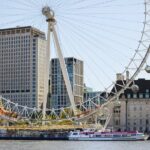
- Belvedere Road (behind the London Eye)
- Aldwych (One Aldwych Hotel)
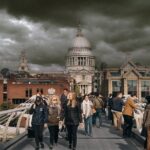
- St. Paul’s Cathedral (opposite McDonald’s on Ludgate Hill)
- Cannon Street Station
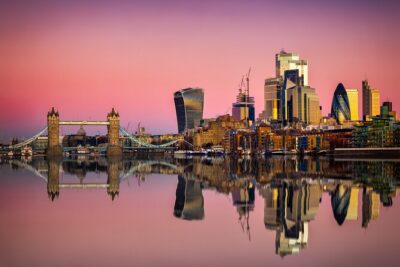
- London Bridge and the Monument (near north of London Bridge)
- Tooley Street
- Tower Hill (Tower of London)
- Victoria Embankment (near the river)
- Westminster Pier area (Big Ben side, near the Westminster Pier)
- Buckingham Palace and Hyde Park: where you can build a real sightseeing block
- Horseferry Road
- Buckingham Gate and Buckingham Palace Road stops
- Grosvenor Gardens
- Hyde Park (Queen Elizabeth Gate, near the Achilles Statue)
- Marble Arch (Speakers Corner)
- Harrods, V&A, Kensington Palace: the museum-and-shopping stretch
- Marble Arch to Hyde Park Corner station
- Harrods
- Victoria and Albert Museum area (V&A region)
- Gloucester Road and Kensington Road
- Kensington Palace (Stop N)
- Palace Gardens Terrace and nearby Kensington stops
- Lancaster Gate and the Edgware Road / Praed Street area
- Great Russell Street (Exterior of the British Museum)
- Optional Thames River cruise: when it’s worth pairing with the bus
- Where this bus can frustrate you: frequency, reroutes, and boarding codes
- Waiting times can vary
- Road closures and event reroutes happen
- Ticket scanning confusion is real
- Practical tips that make the whole thing work better
- Should you book this London hop-on hop-off bus with Thames cruise?
- FAQ
- How long is the London hop-on hop-off bus?
- What’s included with the ticket besides the bus ride?
- Can I hop on and off as many times as I want?
- Do I need a QR code, or will mobile and paper vouchers work?
- Where can I board the bus?
- Will I have audio in multiple languages?
- Is the Thames cruise part of every ticket?
- Is there free cancellation?
Key things to know before you board
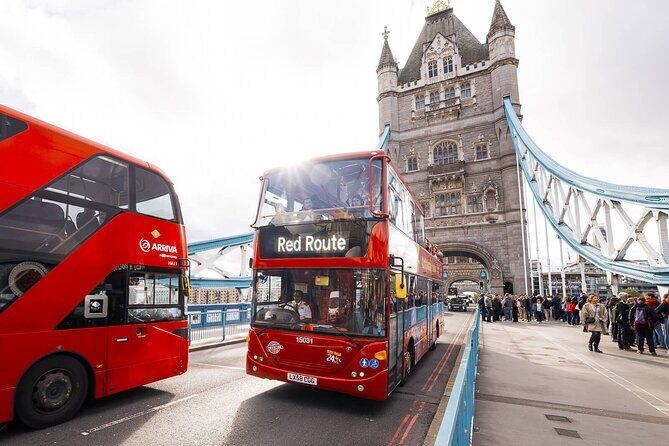
- Top-deck sightseeing on a double-decker gives you a front-row view of Westminster, the City, and beyond
- 13-language headsets make the narration usable even on busy streets
- Hop on and off as often as you want while your ticket is valid, so you can stretch the day your way
- Thames cruise value depends on your ticket length (free cruise is tied to 24- and 48-hour options)
- Route changes can happen for events and road closures, so expect some rerouting during the day
Price and what you actually get for it
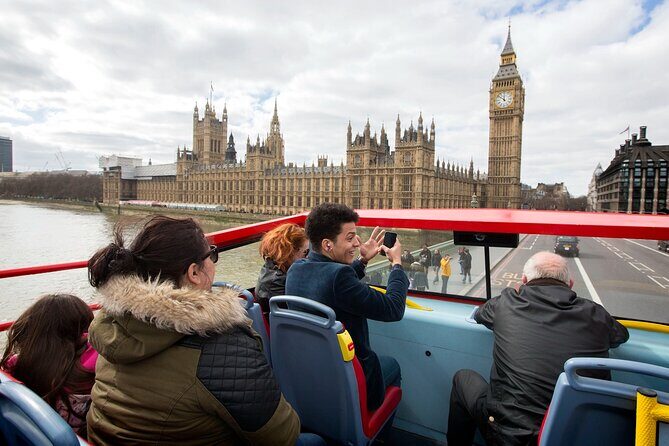
At $57.59 per person for about 3 hours, this is priced as a “high convenience” option. You’re paying for the ride, the audio guide, and the structured way to access multiple neighborhoods quickly.
Whether it’s great value for you depends on how you plan to use it:
- If you want to see the main sights on one day and make a few smart off-bus stops, the cost can feel fair.
- If you’re the type who gets off often (Royal London, Tower area, Hyde Park, plus museums), a longer-ticket option that includes the Thames River cruise can improve value a lot.
Also worth noting: this tour averages 34 days booked in advance, which usually means it’s popular and you’ll want to lock in your timing rather than wing it.
You can also read our reviews of more boat tours in London


Double-decker views, headsets in 13 languages, and Wi-Fi on board
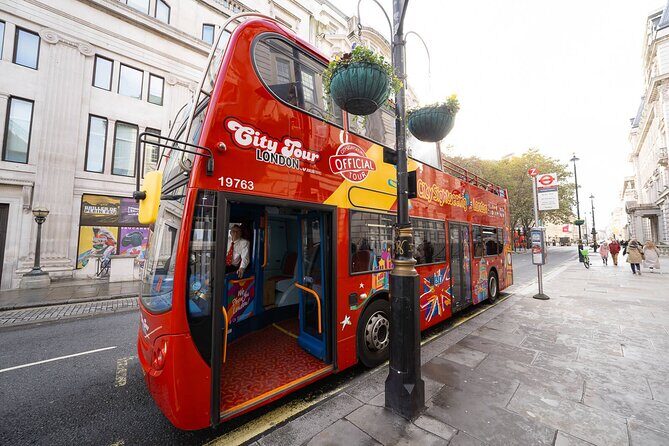
This is one of those tours where the basics are done well. You sit up top and let the city roll past you. You’ll hear commentary through headsets clearly enough that you’re not just guessing what you’re looking at.
A few practical details matter more than you’d think:
- You’ll be given a headset and a map when you board.
- There’s Wi-Fi on board, which is useful for checking opening times or getting your next museum plan sorted.
- Commentary is available in 13 different languages, so you’re not stuck with one voice.
If you’re traveling with someone who wants different pacing, the hop-on hop-off format is a real win. You can stay on the bus for the ride or hop off when a landmark is the priority.
How to plan your hop-on hop-off day (so you don’t lose time)
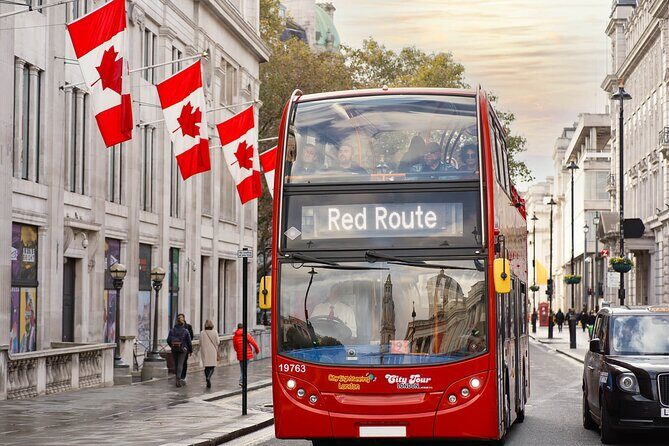
The best way to use this type of bus isn’t to treat it like a checklist. Instead, think in zones:
- Westminster and the river core (Big Ben area and the Thames pier)
- City of London and the Tower (St. Paul’s, London Bridge, Tower Hill)
- Royal and parks (Buckingham Palace, Hyde Park, Speakers Corner)
- Kensington museums and palaces (Harrods area, V&A area, Kensington Palace)
Start by choosing your must-dos, then decide how many times you’ll actually get off. If you get off at every stop, you’ll spend more time walking and crossing busy roads than you think. If you stay on too long, you risk missing your timed-entry needs.
One more heads-up: the route can be partially altered for events or celebrations. So keep a flexible mindset. If you’re trying to catch a specific entry time (like a popular museum or Tower slot), build in cushion.
Stop-by-stop: the Westminster to Tower highlights you’ll remember
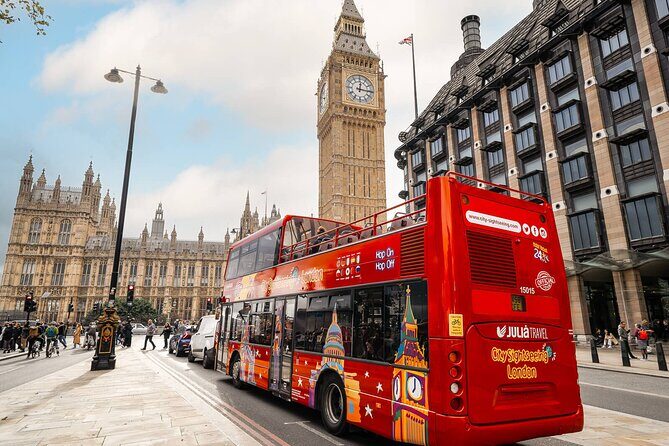
This route strings together some of London’s most photo-friendly streets, and it also connects you to neighborhoods that are easy to explore on foot.
Belvedere Road (behind the London Eye)
This is a strong starting-point area if you want the river and central sights quickly. You’ll get views over the London Eye direction and a sense of the layout around the South Bank.
A small drawback: this section is busy around major attractions. If you’re trying to board smoothly, go with patience and double-check your stop number before you commit.






Aldwych (One Aldwych Hotel)
A stop like this is useful because it drops you near theatre-and-city-center streets. It’s a good “reset” point if you’re bouncing between landmarks without wanting long subway transfers.
St. Paul’s Cathedral (opposite McDonald’s on Ludgate Hill)
This is one of the easiest landmarks to identify because the stop is tied to a clear street reference: opposite McDonald’s near the cathedral entrance.
St. Paul’s is also an area where the bus can’t do all the work for you. You’ll likely want to hop off, then walk around the approach streets for the best angles and a less crowded viewing moment.
Cannon Street Station
The Cannon Street area is the City’s busy heart. Getting off here can help you connect to streets around banking offices and riverside views.
If your goal is major-sight photos, remember that this is still a working district. The photos are great, but the streets are not quiet.
London Bridge and the Monument (near north of London Bridge)
This part of the loop is a classic. You get the sense of London’s geographic history fast: river crossing, then the Monument area as your anchor.
The tradeoff: crossing traffic near famous bridges can eat time. If you’re hopping off, plan your route back to the bus stop ahead of time.
Tooley Street
This is a useful connective stop for the river side and the direction toward the Tower area. It’s less of a “one landmark” moment and more of a way to position yourself.
If you like exploring street-by-street, Tooley Street can work well as a wandering start.
Tower Hill (Tower of London)
Tower Hill is where your London day suddenly feels more dramatic. This is the stop that gets you to the Tower of London zone.
The main consideration here is crowds. Even if the bus trip is quick, your time around the Tower will depend on ticket lines and how early you arrive. If you have timed entry, treat this as your priority stop.
Victoria Embankment (near the river)
This is valuable because it keeps you near the river corridor. That matters for two reasons: photos and easy access to Thames-side paths.
If you want a slower pace, hopping off briefly here can break up the “bus-only” feel.
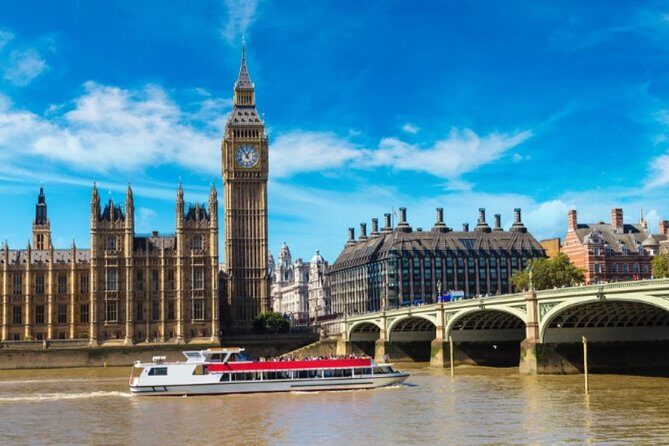
Westminster Pier area (Big Ben side, near the Westminster Pier)
This is the payoff zone. Big Ben is the obvious reason, but the practical win is the pier access for the Thames cruise option.
If you’re planning to do the Thames boat ride, consider timing it so you’re not scrambling between bus stop changes and boarding windows.
Buckingham Palace and Hyde Park: where you can build a real sightseeing block
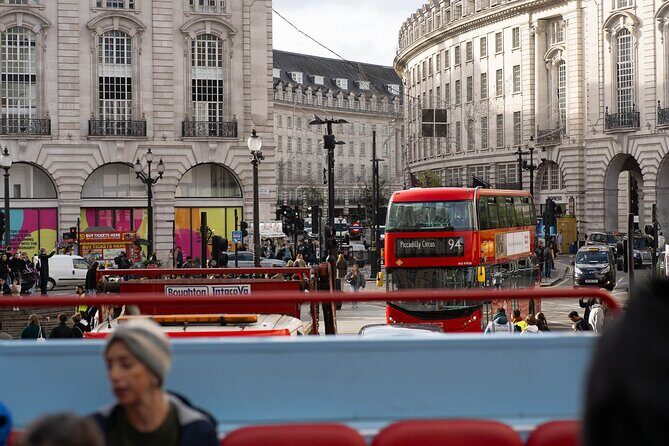
After you leave the river-and-city core, the route turns toward ceremonial London: Buckingham Palace, Hyde Park, and grand streets that feel wide and formal.
Horseferry Road
This helps you link back toward Westminster and the palace-side streets. It’s a good bridge stop—more about positioning than starring.
Buckingham Gate and Buckingham Palace Road stops
You’ll hit multiple stops in the Buckingham Palace area, including places on Buckingham Palace Road.
Here’s how to use it smartly:
- If you want palace exterior views from street level, get off at the stop that puts you closest to your intended walking direction.
- If you want to conserve energy, treat the palace area as a single block: off once, explore, then back to the bus rather than bouncing stop-to-stop.
One drawback: road layouts and pedestrian zones around royal areas can change based on the day. If you find fences or detours, don’t panic—just reroute on foot toward the palace-side bus areas.
Grosvenor Gardens
This stop is helpful if you want to pivot away from the busiest palace frontage and toward calmer nearby streets.
Hyde Park (Queen Elizabeth Gate, near the Achilles Statue)
Hyde Park is the antidote to crowds. The stop puts you at a gateway that helps you choose your own walking direction inside the park.
Hyde Park is also where the bus becomes less about sight-seeing and more about atmosphere. If you want a breather, get off and walk a loop instead of trying to see everything in one sprint.
Marble Arch (Speakers Corner)
If you like London’s quirky side, Speakers Corner is a fun contrast to palaces and churches. Marble Arch also sets you up for park-to-city transitions.
Harrods, V&A, Kensington Palace: the museum-and-shopping stretch
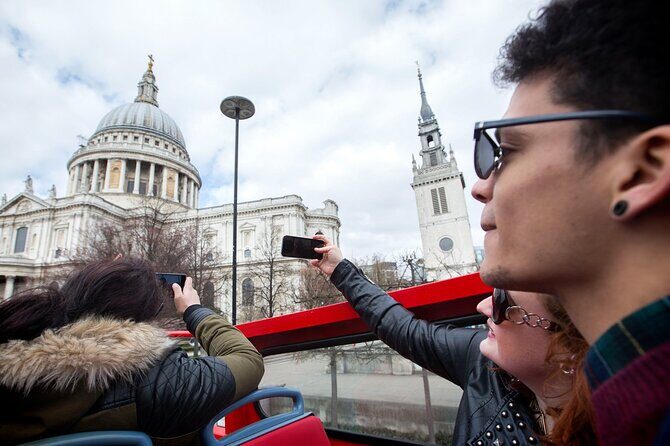
The later part of the route takes you through some of London’s most famous shopping and museum areas, plus the Kensington palace zone. This is ideal if you want a day that mixes icons with slower wandering.
Marble Arch to Hyde Park Corner station
This section is about access. It links you to Hyde Park’s other edges and helps you reposition without adding a bunch of tube transfers.
Harrods
Even if you don’t shop, Harrods can be a quick landmark stop. It’s great for photos and for a short break if you want indoor air-conditioning energy (especially outside peak months).
Victoria and Albert Museum area (V&A region)
This is the kind of stop that helps if museums are a priority. You can ride until you’re ready, then hop off without trying to line up transport.
A practical note: museums often have timed entry or “arrive early” benefits. If you plan a long museum visit, decide whether you’ll stay off the bus and commit to the stop.
Gloucester Road and Kensington Road
These stops are useful for moving around the museum corridor without needing to backtrack. It’s less about one headline sight and more about flexibility.
Kensington Palace (Stop N)
Kensington Palace gives you a royal-feel contrast to Buckingham. If you’re trying to experience more than one royal setting, this is a strong add-on.
Palace Gardens Terrace and nearby Kensington stops
These are the in-between stops that help you connect streets rather than just pin photos. If you enjoy wandering and you like choosing your own routes on foot, this part of the loop can actually feel more satisfying than the “big sign only” stops.
Lancaster Gate and the Edgware Road / Praed Street area
These stops keep you connected to transit corridors and shopping streets. If you want to combine the bus with short transport hops later, these are good “anchor” points.
Great Russell Street (Exterior of the British Museum)
If your day includes the British Museum, this stop can help you start in the right direction without needing to plan a separate transfer.
Optional Thames River cruise: when it’s worth pairing with the bus
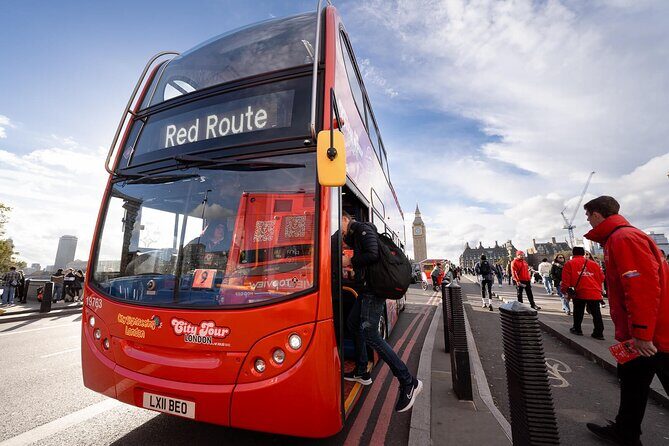
The Thames cruise is where your London day gets a different tempo. The experience is tied to ticket choice: you get a FREE River Thames Cruise for 24 and 48-hour tickets.
If you’re on a tight schedule and only doing the roughly 3-hour bus ride, the cruise value might not apply. But if you’re getting a longer-ticket option, the cruise is a good way to see the city’s riverfront without standing in traffic or crossing roads.
Tip: if you’re doing both bus and boat, treat it like a coordinated day. Pick which bus zone you’ll explore first (Westminster side tends to connect smoothly to the pier area), then avoid swapping plans repeatedly.
Where this bus can frustrate you: frequency, reroutes, and boarding codes
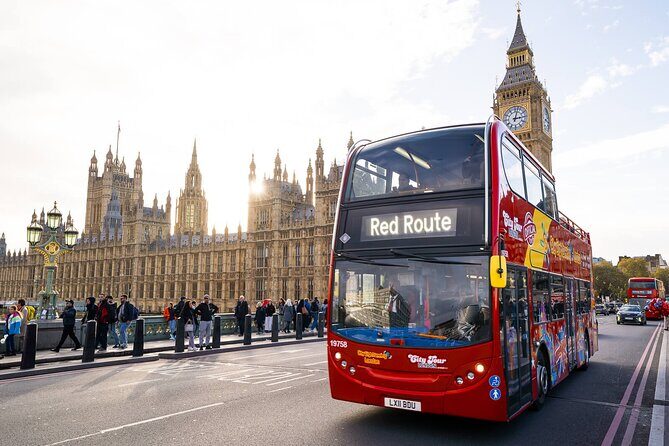
A hop-on hop-off bus should save you time. It can still lose time if a few things go wrong.
Here are the practical issues to watch:
Waiting times can vary
One recurring pain point with open-jaw bus lines is the gap between departures. If buses are less frequent at your stop, you may end up waiting longer than you’d like.
Solution: don’t lock yourself into a strict schedule. Plan the bus as the backbone, not the only timing tool.
Road closures and event reroutes happen
London loves a good parade, demo, and street event. Since the route may be partially altered, you should expect occasional changes.
If your plan depends on a specific stop, check in at the next bus stop staff area when you can, then adjust on the fly.
Ticket scanning confusion is real
Some boarding issues come down to the type of code you present. If your ticket was issued in a format that doesn’t match what the driver expects, you can lose time at the start of your day.
Best practice: when you get close to the bus, make sure your voucher is ready in the exact form you were told to use, and keep it accessible.
Practical tips that make the whole thing work better
This tour is straightforward, but a few details help a lot:
- Use the map when you board. It helps you understand where the stop is in relation to what you want to see.
- Keep your ticket with you once you board the first time. You’ll be given a ticket and it becomes your only valid travel document for getting on and off during your ticket validity.
- Use staff help early. If you’re standing at the curb and unsure, ask. On-street staff are there to help with questions.
- Plan your off-bus time, not just your ride time. The bus can move quickly; your walking time and museum entry time are what can stretch the day.
- If you need to find stops, you can use the stop list linked by the operator so you’re not guessing.
Should you book this London hop-on hop-off bus with Thames cruise?
I’d book it if you want a low-effort way to cover London’s headline sights across multiple neighborhoods: Westminster and Big Ben, St. Paul’s, London Bridge, Tower Hill, Buckingham Palace, Hyde Park, and the museum corridor toward Harrods and the V&A.
Skip it or go in cautiously if:
- you’re the kind of traveler who hates waiting and wants perfect, constant departures
- you have very tight timed-entry plans and can’t tolerate route changes
- you’re worried about ticket-code confusion at boarding and prefer methods that are simpler to scan
If you’re booking for the first day of a trip, this is a good backbone. Use it to set direction, then let your off-bus plans pick up from there. And if you choose the longer ticket options with the FREE Thames cruise, you’ll likely feel like you got more than a bus ride—you’ll get a full London “from street to river” day.
FAQ
How long is the London hop-on hop-off bus?
The ride is listed at about 3 hours.
What’s included with the ticket besides the bus ride?
You get headsets (for clear commentary in 13 languages), Wi-Fi on board, and a map when you board. If you have a 24 or 48-hour ticket, the Thames River cruise is free.
Can I hop on and off as many times as I want?
Yes. You can get on and off as many times as you want as long as your ticket is valid.
Do I need a QR code, or will mobile and paper vouchers work?
Both mobile and paper vouchers are accepted. When you board for the first time, you’ll be given your ticket, which you must keep with you.
Where can I board the bus?
Go to any of the bus stops shown on the operator’s stop list, then show your voucher to staff either at the stop or inside the bus.
Will I have audio in multiple languages?
Yes. Headsets provide commentary in 13 languages.
Is the Thames cruise part of every ticket?
The cruise is listed as free for 24 and 48-hour tickets.
Is there free cancellation?
Yes. You can cancel for a full refund up to 24 hours in advance.