Five hours, and London clicks into place. This private day tour strings together the big-name landmarks and a few smarter stops in between, with a guide who can shape the route around what you care about most. I like that it’s built for first-time orientation and also for getting local tips on the rest of your trip.
What stands out to me is the pace-with-purpose: you see St Paul’s, the Thames bridges, major museums and squares, then roll into the West End and royal parks. It also offers a choice to extend your day with traditional afternoon tea at your own expense, so you can decide how classic you want the finale to be.
One thing to consider: this is a “see a lot in limited time” style day. Many stops are brief, so if you’re hoping for long, calm time inside ticketed attractions, you’ll likely want to pair this with a separate, slower plan.
In This Review
- Key points at a glance
- The value idea: a London “orientation day” that saves your energy
- Where the tour begins (and why Charing Cross matters)
- How walking vs driving affects comfort in real London
- St Paul’s, the Millennium Bridge, and the Thames bridge photo run
- British Museum and the art-and-squares stretch (fast, but meaningful)
- West End energy: Piccadilly Circus to Leicester Square
- St James’s Park, St James’s Palace, and the royal corridor
- Churchill War Rooms and Westminster Abbey: history with dramatic scale
- London Eye and the South Bank viewpoint logic
- Changing of the Guard plus the Serpentine and Harrods detour
- Covent Garden, Kensington areas, and the Beatles endnote
- Lunch, tea, and what you should confirm so you’re not surprised
- Price and value: why $208.35 per person can be either a win or a miss
- The guide factor: what good looks like in this style of tour
- Should you book this private day tour in London?
- FAQ
- How long is the private London day tour?
- What’s the meeting point, and where do we end the tour?
- Is this tour private or shared?
- Is pickup available?
- Is the tour offered in English?
- Are the main attractions included or do you pay extra?
- Is the tour suitable for people with mobility issues?
Key points at a glance
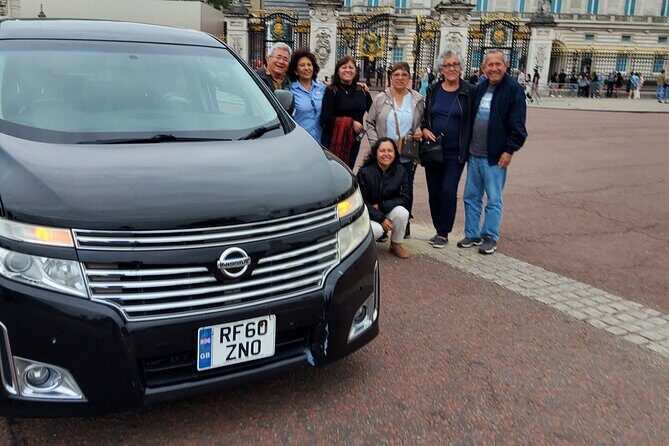
- Private, just your group: no mixing with strangers, and your guide can focus attention where you need it most.
- Designed for smart orientation: you get a clean overview from St Paul’s through Westminster to the South Bank.
- Customization is part of the format: you can ask for adjustments as you go, not just at the start.
- Free entry at many listed stops: the tour lists tickets as free for several major sights, which helps value.
- A guide who handles the street reality: road closures and crowd flow are part of London, and the guide works around them.
- Photo-friendly stops: several guides are described as taking your pictures at key locations.
The value idea: a London “orientation day” that saves your energy
If you’re trying to choose where to start in London, this kind of private highlights route makes a lot of sense. In five hours, you’re covering multiple neighborhoods that would take you much longer to stitch together on your own, especially if you’re also trying to learn the geography.
I like the overall concept: you get the headline sights (cathedrals, bridges, museums, royal spots) without the mental overhead of figuring out transit timing and what order actually works. And because it’s private, your guide can steer the day toward your interests, whether that’s architecture, art, royal history, or just making sure you see the postcard angles.
The main trade-off is time. With lots of locations, you’ll spend most of the day moving and stopping for short looks. That’s fine if your goal is to get bearings fast. It’s less ideal if your goal is deep museum time or slow wandering.
You can also read our reviews of more private tours in London
Where the tour begins (and why Charing Cross matters)
The meeting point is Charing Cross Strand, London WC2N 5HF, and the tour ends back there. That starting point is convenient because it’s central to several of the areas you’ll cover: the City side for the Thames and bridges, Bloomsbury for the museum, and Westminster for the royal stretch.
If you’re visiting London for the first time, this matters. You’re not starting out in one far-flung corner and spending the day crossing the city like a student on a tight deadline. Instead, the route is set up like a loop through the core sights, which usually means fewer “what do we do next” pauses.
You can also get pickup offered, which helps a lot if you’re dragging luggage, traveling with family, or just don’t want to start the day hunting for the correct Tube exit.
How walking vs driving affects comfort in real London
The tour is described as suitable for moderate physical fitness, and it also specifically notes an upgrade to driving for guests who need it (back problems), plus for those with heart problems or other serious medical conditions. Translation: the operator understands that a highlights day can be hard when you’re standing, crossing, and keeping a steady walking rhythm.
Here’s how I’d think about it if you’re deciding between walking and driving:
- If you’re steady on your feet and don’t mind short stops, walking can be great for absorbing street life and getting quick photo angles.
- If you want less strain, the driving upgrade can be a practical way to keep the day enjoyable instead of exhausting.
Either way, you should expect a pace that prioritizes “see the main things” over “hang out forever.” You can still ask the guide for breaks, but the overall structure stays quick.
St Paul’s, the Millennium Bridge, and the Thames bridge photo run

The day starts with St. Paul’s Cathedral, listed with free admission on the tour info. Even if you only have time for a short look around, it’s a powerful anchor point because it sets the tone for London’s scale and style: grand, formal, and very much part of the city’s identity.
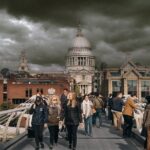
From there, you cross into the Thames zone via the Millennium Bridge, then swing past the famous sequence that includes London Bridge and then Tower Bridge near the Tower of London. These stops are short, but that’s exactly what makes them useful. You get the “this is where the Thames bends through the city” understanding, which is tough to learn from maps.
One practical tip: for the bridge-and-river area, the weather matters. If it’s clear, you’ll get better silhouettes and easier photos. If it’s rainy, you’ll still get the structure, but you’ll want to be ready with a compact umbrella and shoes that handle wet sidewalks.
British Museum and the art-and-squares stretch (fast, but meaningful)
Next comes the British Museum (listed as free admission), which is a huge deal for value. It’s the kind of place where you can lose hours, but this tour isn’t trying to do that. Instead, you get a quick orientation moment so you can decide if you want to come back later for a deeper visit.
Then you hit Trafalgar Square and the National Gallery, also connected to free admission in the tour details. This is a smart pairing: square first, then art in the most recognizable “London center” setting. Even if you don’t go inside, the National Gallery’s location helps you understand why it became such a major art stop.
A drawback to keep in mind: if you’re the type who likes to read everything, this section will feel too short. But if you want to pick future “must-return” spots, it’s a great way to identify what grabs you.






West End energy: Piccadilly Circus to Leicester Square
After the museum and art stop, the route moves into show-business London with Piccadilly Circus and later Leicester Square. These are iconic, yes, but they also serve a practical purpose: you’ll immediately recognize the theater and shopping district boundaries.
The key is to treat these as quick orientation stops, not as the main event. In a five-hour tour day, these locations work best when you use them to set your next move. If you want theater, shopping, or nighttime sights later, the guide can point you toward the right lanes.
St James’s Park, St James’s Palace, and the royal corridor
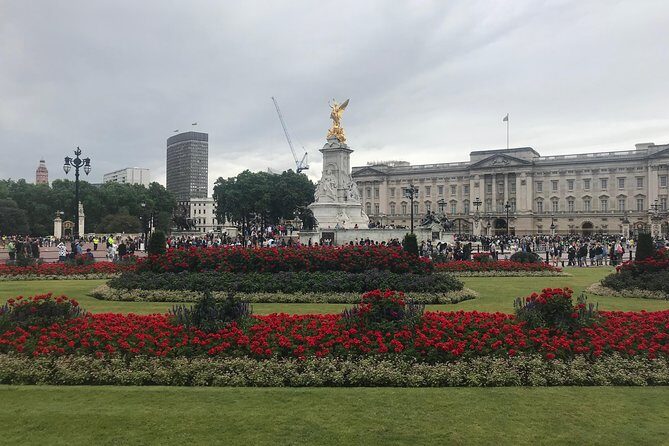
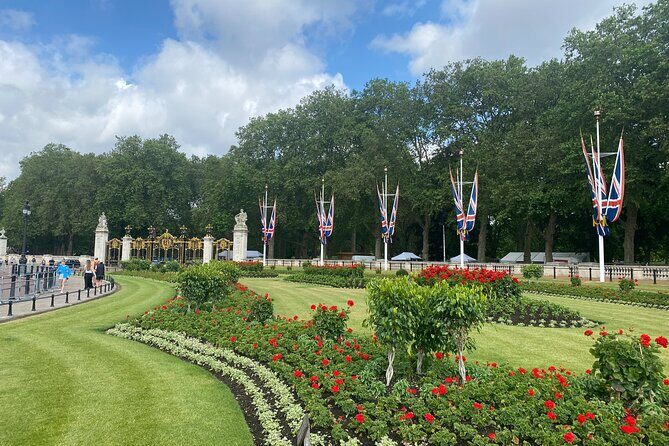
The middle of the day tilts toward royalty and official London. You’ll pass St James’s Park, then see St James’s Palace and continue toward the Westminster stretch.
Even with short stop time, these locations matter because they teach you how London’s royal sites sit next to everyday city movement. The parks give breathing room, and the palace area explains why the government and monarchy zones feel both grand and tightly linked to the surrounding blocks.
For photo lovers: focus on getting one or two key shots at each stop. With a schedule like this, you’ll spend less time fussing and more time enjoying the day.
Churchill War Rooms and Westminster Abbey: history with dramatic scale
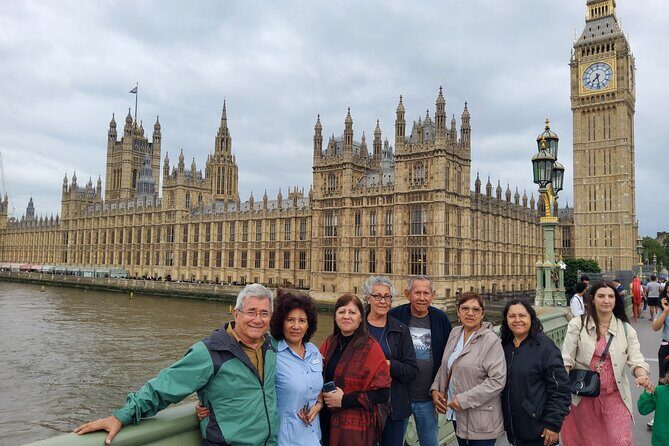
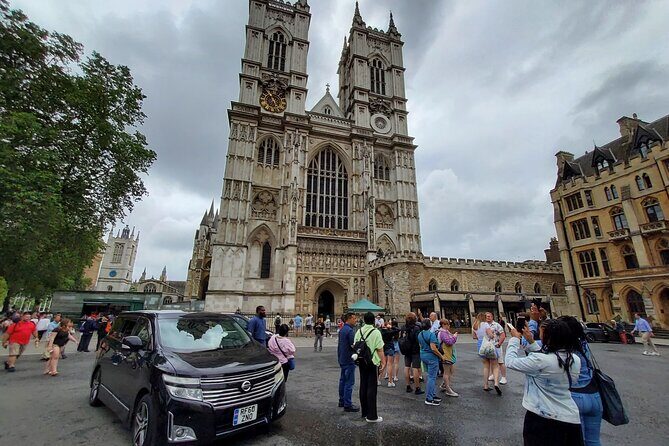
Two stops that add weight to the day are the Churchill War Rooms and Westminster Abbey. Both are listed as free admission in the tour info, which helps make the history portion feel more “included” than many big-sight days.
The War Rooms are especially good as a contrast point. You’re not only seeing ceremonial London; you’re getting a sense of London under pressure and decision-making. Westminster Abbey adds the ceremonial and architectural side, and it also anchors why this area is so central to British history.
If you’re short on time and you like your history practical (who did what, when, and why it mattered), this segment is a strong use of your limited hours.
London Eye and the South Bank viewpoint logic
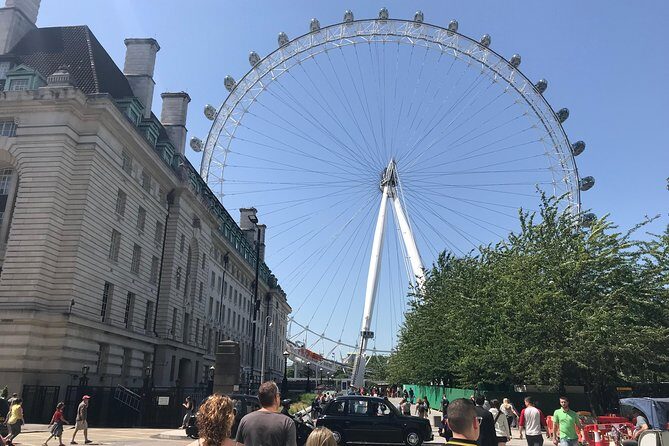
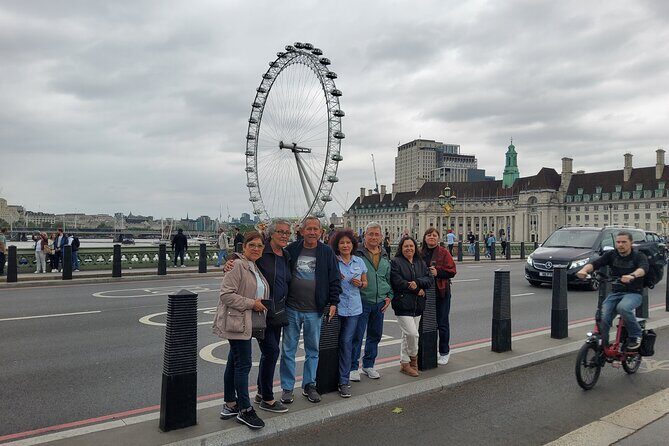
You’ll also stop near the London Eye on the South Bank. The tour info lists it as free admission, but the real value here is the viewpoint and skyline positioning. Even a brief stop helps you understand how the Thames area connects neighborhoods and why the South Bank is such a magnet for visitors.
If you’re deciding whether to ride the London Eye on a separate day, this stop helps you judge the scale and the sightlines. You’ll get a feel for the riverfront layout, which makes planning later much easier.
Changing of the Guard plus the Serpentine and Harrods detour
Next comes the Changing of the Guard, with a longer listed stop time (15 minutes) and the added charm of watching the horses guard parade and hearing the marching band music. If you care about British ceremony, this is one of the moments that can genuinely feel like London rather than just a list of buildings.
After that, you’ll see Serpentine Galleries, then the tour reaches Harrods and pushes into the park-and-royal route again. Here’s where you should set expectations: Harrods can be a quick look-and-photo stop on this schedule, not a full shopping visit.
Then you move through Hyde Park, the Albert Memorial, and the area around the Royal Albert Hall. Royal Albert Hall is listed as admission ticket not included, so think of it as an exterior and streetscape moment unless you separately choose an entry plan later.
Covent Garden, Kensington areas, and the Beatles endnote
The day rounds out with West End and Kensington flavor. You’ll stop at Covent Garden, which is a major shopping and entertainment hub and a very easy place to understand London’s mix of old and new energy.
From there, the route includes the Diana Princess of Wales Memorial Fountain, plus stops related to Kensington Gardens and the Abbey Road Shop. For these, the tour info lists several as ticket not included, which usually means you’re there for the stop and the atmosphere, not a full paid entry experience.
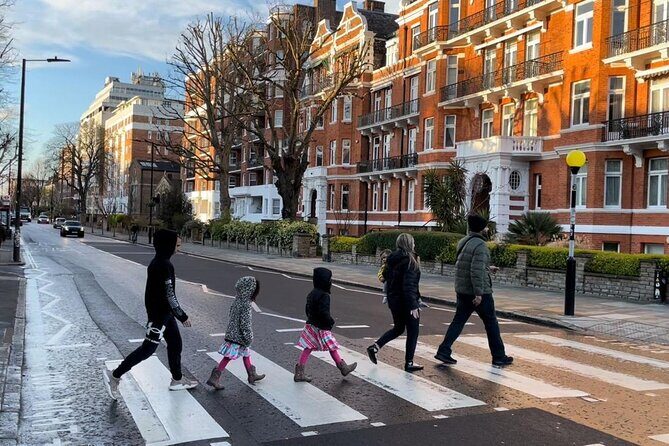
The Abbey Road stop is a fun closer because it connects London to music culture in a way the royal and museum stops don’t. Even if you’re not a hardcore fan, it’s an instantly recognizable piece of London pop history, and it makes a 5-hour highlights day feel like it had more than just stately buildings.
Lunch, tea, and what you should confirm so you’re not surprised
The tour highlights note an option to end with traditional afternoon tea at your own expense. That’s a nice choice if you want a classic London rhythm and you like the idea of finishing with something slow and human-scaled.
As for meals during the day: the tour info itself doesn’t spell out an included lunch, but some guide approaches described in feedback do include a pub lunch stop. If food is important to your day, I’d treat meals as a point to confirm with your guide before you settle into the plan. You’ll want to know what’s planned, what costs extra, and whether the food stop matches your tastes.
Price and value: why $208.35 per person can be either a win or a miss
The price is $208.35 per person for about five hours. For a private tour, that sits in the range where you should ask yourself: am I buying convenience and direction, or am I buying deep access?
This tour tends to reward the first-time London strategy:
- You’re getting a structured route across multiple famous areas without coordinating logistics yourself.
- You’re getting a guide who can customize your choices.
- Many stops are listed as free admission, which can reduce the surprise costs you usually find on “highlights” days.
Where it can feel like a miss is if you want long museum time or full-entry experiences at every stop. Because the schedule is built for covering a lot, you’re mostly in “see, photograph, orient” mode. If that’s your style, the value feels solid. If you want slow and detailed, plan an extra day for the places you love.
The guide factor: what good looks like in this style of tour
Feedback patterns point to a certain guide style that really elevates the experience: energy, humor, and the ability to adapt when streets get messy. Road closures and crowd flow are part of London life, and a guide who can reroute smoothly matters more than it sounds.
The most useful practical behaviors to look for are:
- Clear explanations at the stops, not just names on a sign
- Flexibility if your group needs a slower pace
- Photo support at key angles, so you actually get the pictures you came for
- Local recommendations for what to do next after the tour ends
If you’re booking, read your confirmation details carefully and message in advance with your priorities. For example: cathedrals vs museums, parks vs markets, and whether you want the changing of the guard to be a must.
Should you book this private day tour in London?
Book it if you want a fast, organized way to learn London’s layout and see the headline sights in a single day. It’s especially good for a first visit, for couples, and for anyone who wants guidance and photo-ready stops without planning every turn.
I’d skip it (or pair it with more time elsewhere) if you’re expecting a slow, in-depth museum-and-ticket day. This is a “highlights and orientation” format, not a “spend hours inside every major site” plan.
If you’re on the fence, here’s my simple decision test: if you can be happy with short stop time at each location and then choose your deeper visits later, this tour fits well. If you need everything fully explored in one go, you’ll likely be happier mixing this with targeted half-day tours for the places you fall for.
FAQ
How long is the private London day tour?
It’s listed as about 5 hours.
What’s the meeting point, and where do we end the tour?
The meeting point is Charing Cross Strand, London WC2N 5HF, and the tour ends back at the meeting point.
Is this tour private or shared?
This is a private tour/activity, and only your group participates.
Is pickup available?
Pickup is offered.
Is the tour offered in English?
Yes, it’s offered in English.
Are the main attractions included or do you pay extra?
The tour info lists admission ticket free for many stops. Some items are listed as admission ticket not included, including Royal Albert Hall, the Diana memorial fountain, Kensington Gardens, and the Abbey Road Shop.
Is the tour suitable for people with mobility issues?
It’s described as moderate physical fitness. It also notes that if you upgrade to driving, it’s recommended for back problems, and for heart problems or other serious medical conditions.