REVIEW · LONDON
Secret Societies, Freemasons and Occult London
Book on Viator →Operated by Pigeon Tours · Bookable on Viator
Secret London gets very, very strange. This private walking tour threads occult London through major landmarks, then tethers the stories to real places you can point to. You’ll walk with a professional guide and hear dark bits of history tied to groups like the Hermetic Golden Dawn and Ordo Templi Orientis.
What I like most is the sheer specificity of the route: St James’s Palace, Pall Mall, the oldest occult bookshop in London, Charing Cross Hotel, and Cleopatra’s Needle all get treated as part of one connected map. I also like that it’s only for your party, so you can ask questions as the mood shifts from royal glamour to serious shadow-work.
One possible drawback: it’s a lot of walking for a small number of stops, and some stops can feel brief if you’re looking for deep, site-by-site detail. If you want a heavily researched, slow methodical tour, you may find you want a bit more time at certain points.
Key highlights to know before you go
- St James’s Palace to Pall Mall: magical-arts temple talk plus the 19th-century Suicide Circle
- Golden Dawn + Hermetic Order: stories tied to members and meeting places you can actually see
- Charing Cross Hotel + Eliphas Lévi: a necromancy performance is linked to a real address
- Cleopatra’s Needle: cursed obelisk legends and Egyptian influence on British occultism
- Freemasons quarter + Ordo Templi Orientis: a guided walk past a secret-society connection to Aleister Crowley
In This Review
- A private occult-walk from St James’s Palace to Tottenham Court Road
- The tone: dark history, real addresses, and a not-for-faint-of-heart warning
- St James’s Palace, Pall Mall, and the “magical arts” history you can walk to
- Trafalgar Square lions, then Cleopatra’s Needle and the curse talk
- Covent Garden + Bloomsbury: the “magical world” feeling in everyday streets
- The British Museum walk-by: mysterious objects and how to get value fast
- Price and logistics: is $2,314.24 per person good value?
- Who this tour suits (and who should skip it)
- Should you book Secret Societies, Freemasons and Occult London?
- FAQ
- What is the duration of Secret Societies, Freemasons and Occult London?
- Where does the tour start?
- Where does the tour end?
- Is this a private tour?
- What language is the tour offered in?
- What’s included in the price?
- Do I need anything for the ticket?
- Do I need a certain fitness level?
- Can I cancel for free?
A private occult-walk from St James’s Palace to Tottenham Court Road
This is a 3-hour private walking tour in central London, built for people who want more than the usual “greatest hits” version of the city. You start at St James’s Palace on Marlborough Rd (SW1A 1BQ) and end at Tottenham Court Road. The route is concentrated, so you’re not crossing London for every story—yet you’ll still do plenty of on-foot moving.
At $2,314.24 per person, it’s not “impulse tourist” pricing. It’s priced like a specialty program: you’re paying for a guide who can connect the dots between secret societies, occult texts, and the landmarks that quietly sit in plain sight. If you like history that feels a little dangerous at night, this kind of route makes sense.
The tour is offered in English and uses a mobile ticket. It’s also commonly booked ahead (about 24 days in advance on average), so if you’re traveling during a busy season, don’t wait until the last minute. And if your plans shift, you have free cancellation up to 24 hours before for a full refund—use that cushion if you need flexibility.
The tone: dark history, real addresses, and a not-for-faint-of-heart warning
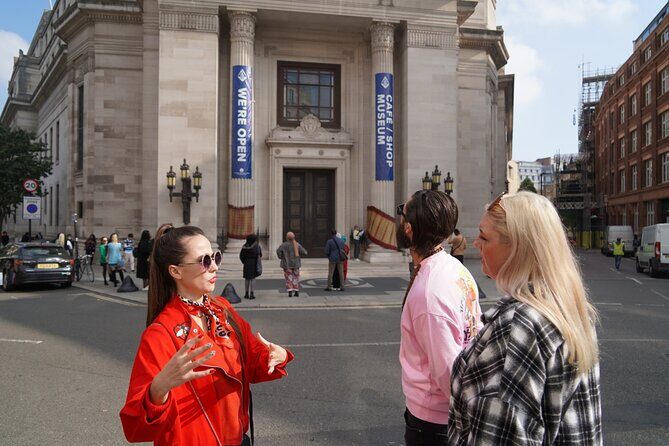
The big promise here is clear: this isn’t a light “London spooky” stroll. The tour leans into dark tales of the occult, including necromancy talk, cursed legends, and groups that were secretive even by the standards of old London.
That tone matters because it affects how you’ll enjoy the experience. If you want sanitized myths, you might be disappointed. If you’re curious about how London’s ideas about magic, symbolism, and secret orders were folded into real institutions and real streets, you’ll probably have a great time.
It’s also worth noting the physical side: the tour asks for moderate fitness. Nothing extreme, but it’s still an outdoor walking schedule with stops that come and go quickly.
You can also read our reviews of more tours and experiences in London.

St James’s Palace, Pall Mall, and the “magical arts” history you can walk to

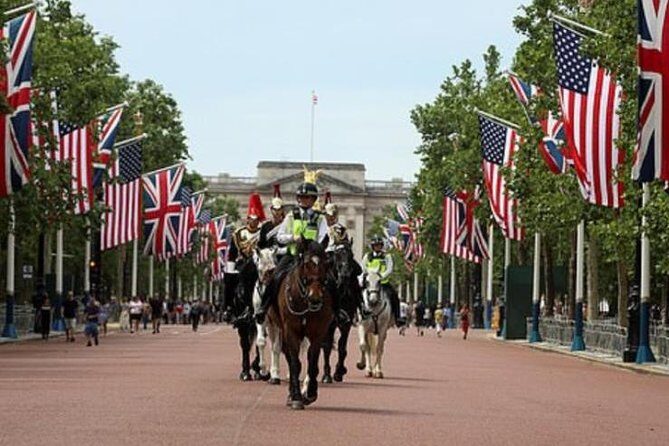
Stop 1 is where the whole tour’s logic starts clicking. You meet at St James’s Palace, one of London’s oldest royal palaces, and the guide frames it as more than just royal stone. The story turns toward an early temple devoted to the study of magical arts—a theme that’s jarring in the best way because it’s happening in a place that screams state power and ceremony.
From there, you move along Pall Mall, a street that’s historically central and visually impressive even on a quick walk. The tour points out a nineteenth-century darker society known as the Suicide Circle, then leads you to the area’s moodier occult connections.
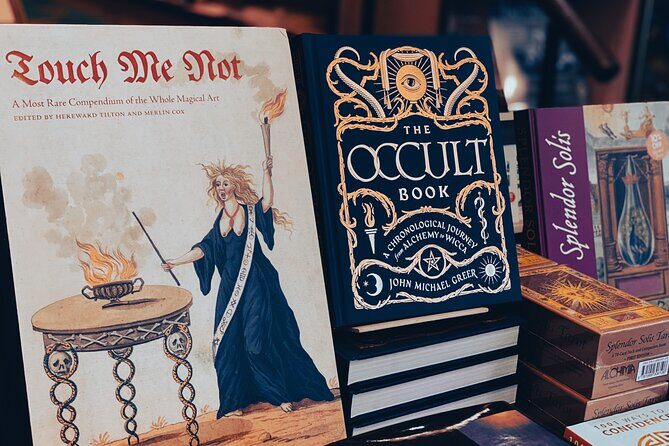
A key moment is arriving at the oldest occult bookshop in London. Even if you don’t go inside (the stop time is short), you get the value of place-based storytelling: you’re not just hearing about grim literature—you’re standing near it.
Then you’re guided toward the Hermetic order of the Golden Dawn and its members. The Golden Dawn part matters because it’s the kind of name that feels famous in pop culture, but here it’s treated as something tied to actual people and actual London locations.
The tour also references the French occultist Eliphas Lévi performing an act of necromancy at the Charing Cross Hotel. Even if you’re personally skeptical, this is the kind of “follow the story” moment that makes walking tours work: you see the building, you hear the claim, and you connect the historical imagination to a real address.
Finally, you head toward Cleopatra’s Needle (you’ll linger again later), and you end the stop stretch in the Freemasons quarter. Here you walk by a hidden secret society linked to Ordo Templi Orientis, with an influential member connected to Aleister Crowley. That last piece is a useful anchor for what the tour is actually doing: it’s showing you how occult networks used London space the way other movements use clubs, libraries, and meeting halls.
Watch-outs for Stop 1: because it’s packed, you’ll want to arrive mentally ready for a lot of names in a short time. If you hate long lists of historical references, this may feel intense. If you like that kind of “put the puzzle together” pace, it’s one of the tour’s best selling points.
Trafalgar Square lions, then Cleopatra’s Needle and the curse talk
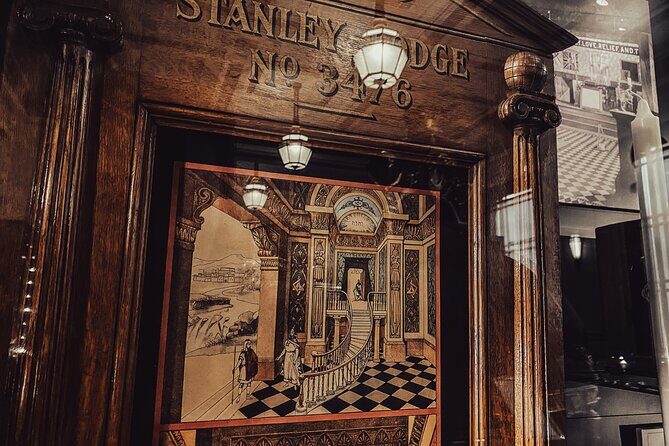
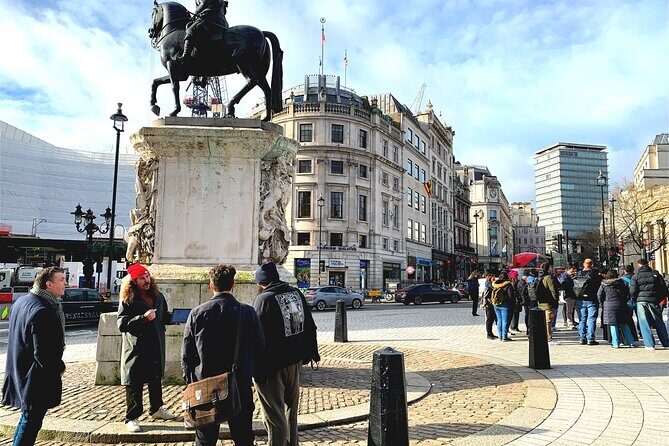
After the St James’s Palace segment, the tour shifts to Trafalgar Square. The stop is brief, but it’s focused: you’ll discover secrets about the Trafalgar lions. Even without a long museum-style explanation, this kind of stop is valuable because Trafalgar Square is so familiar that you stop seeing it as just a landmark and start seeing it as a set of symbols and stories.
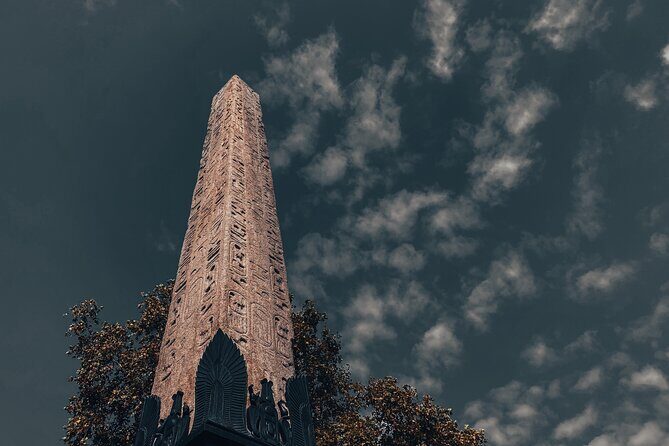
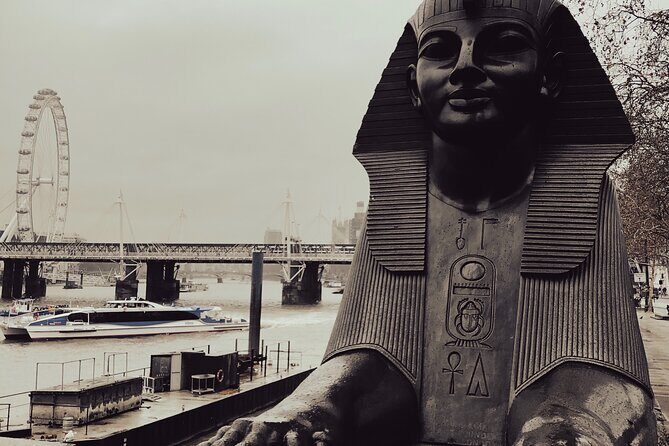
Next comes Cleopatra’s Needle, with a focus on the “cursed obelisk” legends and on Egyptian influence over British occultism. This is one of those story locations where the modern city and the ancient reference point sit side by side. You can stand there and see how an object’s origin story can become fuel for later symbolism—especially when occult thinkers and writers grabbed imagery from anywhere they could find meaning.
The tour’s time at Cleopatra’s Needle is short, but the way it’s framed gives the stop a purpose: it’s not a random photo break. It’s a narrative bridge between older sources of symbolism and the British fascination with them.
What to do with this stop: use the minutes you have to look up and take in the whole monument, then let your guide’s story tell you what to notice. If you treat it like a quick selfie moment, you’ll miss the point.
Covent Garden + Bloomsbury: the “magical world” feeling in everyday streets
After the Needle, the tour moves into Covent Garden, then continues to Bloomsbury. The specifics here are less about one single named occult event and more about mood and context—places where London identity overlaps with literature, learning, and the kind of curiosity that often feeds secret-order thinking.
In Covent Garden, the value is the contrast. You’ve just come from curses and necromancy stories tied to formal addresses. Then you step into one of London’s most energetic, human-scale districts. The guide uses that everyday setting as a backdrop for “occult-adjacent” atmosphere: the sense that magic stories don’t live only in old towers and hidden rooms; they ride along in public life too.
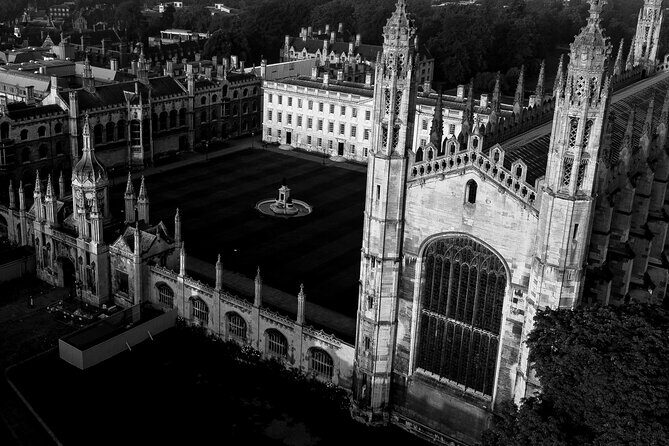
Then Bloomsbury enters as something like a “magical world of one of the oldest areas of London.” That wording is important because it’s pointing you toward a bigger idea: long-established neighborhoods accumulate meaning. People return. Writers and thinkers get drawn in. Institutions form. And in a city like London, some of those institutions become magnets for esoteric interests.
If you want more detail here: this is a place where your questions can stretch the experience. Since the stops are short, ask your guide what in this area connects most strongly to the tour’s theme, and you’ll likely get a stronger payoff than you would from passively following along.
The British Museum walk-by: mysterious objects and how to get value fast

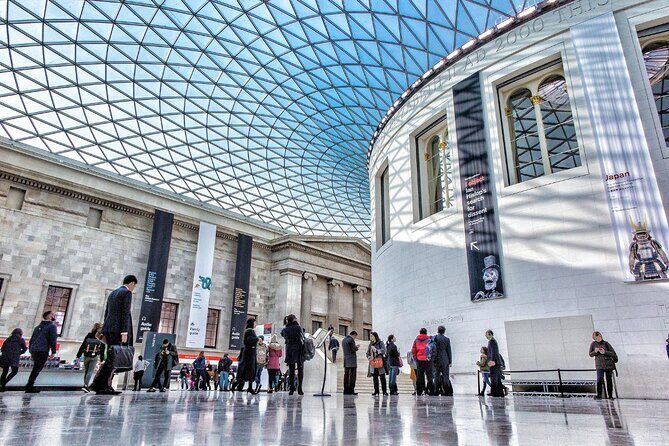
The tour ends with a stop by the British Museum, with the guide focusing on mysterious objects tied to the tour’s overall theme. The time at this point is short, so you should treat it like a guided orientation rather than a full museum visit.
Here’s how to make the stop work for you: don’t aim to see everything. Instead, listen for what the guide highlights and use that to choose what matters. If you like learning through visual cues, this kind of stop can be surprisingly satisfying because a museum setting makes it easy to connect symbols and artifacts to the stories you’ve already heard on the walk.
Also, the British Museum is such a big name that it can become a checkmark for many people. In this tour, it’s used as a thematic punctuation mark. By the time you reach it, you’ve already heard about secret societies, occult orders, and “cursed” symbolism—so the museum stop can feel like a final chapter rather than a random diversion.
Practical tip: if you’re a photo person, do your photos quickly at the angle your guide suggests, then refocus on listening. The narrative is the payoff.




Price and logistics: is $2,314.24 per person good value?
Let’s talk money like adults. $2,314.24 per person for about 3 hours is expensive compared to standard group walking tours. But you’re not paying for a generic loop with strangers. You’re paying for:
- Private format: it’s only your party, which often makes the pace and Q&A feel more natural
- Professional guide: the tour is built around naming and linking multiple occult groups and London locations
- Specialty focus: St James’s Palace, Pall Mall, Charing Cross Hotel, Cleopatra’s Needle, and a themed museum stop—this route is intentionally niche
If you and your group are genuinely interested in occult history and the way secret societies intersect with public London, the price can feel more reasonable because you’re buying relevance. If you’re hoping for spooky entertainment or quick landmark photos, you’ll likely feel the cost.
Who gets the best value: couples, small groups of friends, or anyone who would rather spend money on a guided narrative than on multiple ticketed attractions. If you’re the kind of person who reads about Golden Dawn or follows references to Aleister Crowley, this will match your curiosity.
Who this tour suits (and who should skip it)
This tour suits you if:
- you’re interested in secret societies and occult history tied to real London places
- you enjoy learning through walking routes with named landmarks
- you like dark stories and symbolic connections more than light entertainment
You should skip it if:
- you want only gentle “ghost story” vibes
- you dislike a lot of walking in a short time window
- you expect every stop to be long and deeply detailed, site-by-site
There’s also a simple emotional fit question. The tour’s own framing says it isn’t for the faint of heart. If you’re easily spooked by grim themes, pick a different London theme.
Should you book Secret Societies, Freemasons and Occult London?

I’d book it if your ideal London day includes shadowy history, secret orders, and the thrill of seeing familiar landmarks with new meaning. The route’s biggest strength is that it treats occult topics like they belong to London’s street map, not just to dusty books.
I’d think twice if you’re mainly interested in broad sightseeing or if you need a slow, very detailed stop-by-stop format. With limited time at each point, you’ll get the best results if you’re comfortable with a faster pace and you ask questions as you go.
FAQ
What is the duration of Secret Societies, Freemasons and Occult London?
The tour lasts about 3 hours.
Where does the tour start?
You meet at St James’s Palace on Marlborough Rd, London SW1A 1BQ, UK.
Where does the tour end?
The tour ends at Tottenham Court Road (Tottenham Ct Rd), London.
Is this a private tour?
Yes. It’s private, so only your party participates.
What language is the tour offered in?
The tour is offered in English.
What’s included in the price?
The tour includes a professional guide.
Do I need anything for the ticket?
A mobile ticket is included.
Do I need a certain fitness level?
The tour calls for a moderate physical fitness level due to walking.
Can I cancel for free?
Yes. There is free cancellation, and you can cancel up to 24 hours in advance for a full refund.