REVIEW · LONDON
The British Museum: a highlights tour with a TV historian
Book on Viator →Bookable on Viator
Mummies and meaning, all in three hours. I love how the guide turns famous objects into living stories, especially the Rosetta Stone and the deciphering of hieroglyphs, and I also love the private pace that keeps you from feeling rushed through the crowd. One thing to consider: the museum’s free entry still needs a timed ticket, so you must plan ahead.
This tour starts in the British Museum Reading Room and is led by a historian who’s worked inside the museum and knows how to get the most from limited time. I liked the way Loona brought in behind-the-scenes details, including his firsthand connection to the mummies (yes, even supervised sleepovers), and he can make history work for kids using pop culture hooks like Harry Potter and Hollywood references.
In This Review
- Quick hits before you go
- Why this British Museum tour works better than wandering
- Getting in smoothly: free tickets, timed entry, and the 11:00 start
- Your 3-hour highlights route: from world-famous objects to the stories behind them
- Rosetta Stone and the moment hieroglyphs become readable
- Power, identity, and real artifacts: Rameses II and more
- Surprise chapters: Aztec jewellery, Montezuma, and the fun stuff that sticks
- The oldest library and the long arc of writing
- Sutton Hoo and the world’s oldest epic story
- A through-line of values: human rights and declarations
- War, tools, and translation: Assyrian war machine and more
- More than masterpieces: why acquisition stories change how you look
- The highlights checklist: key stops you should picture before you arrive
- How breaks and pacing make the time feel fair
- Who should book this British Museum historian highlights tour
- Price and value: guiding services only, museum entry is free
- Should you book this British Museum highlights tour?
- FAQ
- How long is the British Museum highlights tour?
- What language is the tour offered in?
- Is the tour ticket the same as museum entry?
- Where does the tour start?
- What time does the tour begin?
- Is this tour private?
- Are service animals allowed?
- Is the meeting point near public transportation?
- Do I need a reservation confirmation?
- Is free cancellation available?
Quick hits before you go
- Private, TV-historian style guiding that focuses on meaning, not just labels
- Rosetta Stone + hieroglyph decipherment explained in clear, story-first language
- Artifact backstories, including how objects were acquired
- Fakes you can spot, from crystal skulls to mermaids
- A route packed with headliners like Elgin Marbles, Sutton Hoo, Lewis Chess pieces, and the Parthenon sculptures
- Built-in time to breathe, with a pace that leaves room for breaks
Why this British Museum tour works better than wandering
The British Museum is big enough to overwhelm even confident travelers. You can absolutely do it solo, but you’ll spend a lot of time choosing what to skip, and you’ll miss why certain objects matter. This highlights tour solves that problem by doing the selecting for you and by telling you what to look for.
What I really liked is the style of the guide. Loona’s background as a former British Museum staff tour guide comes through in the way he sequences the visit. Instead of saying, Here it is, he explains why it’s here, how people read it, and what makes it important in the bigger story of civilizations. And because it’s a private tour with just your group, you get a lot more give-and-take than you would in a standard group walk.
You also get a practical edge. The museum has a reputation for being free, but free museums still require decisions: where to start, how to manage time, and how to avoid spending your whole visit staring at information panels. A good guide turns that into a guided route that hits the objects most people come to see—plus the less-obvious details that make those objects click.
You can also read our reviews of more museum experiences in London


Getting in smoothly: free tickets, timed entry, and the 11:00 start

Here’s the one logistics point you should treat like a keystone. The museum tickets are free, but you are advised to book your own free timed entry ticket directly from the British Museum website. Don’t assume walk-up entry will be easy, especially when you’re on a set meeting time.
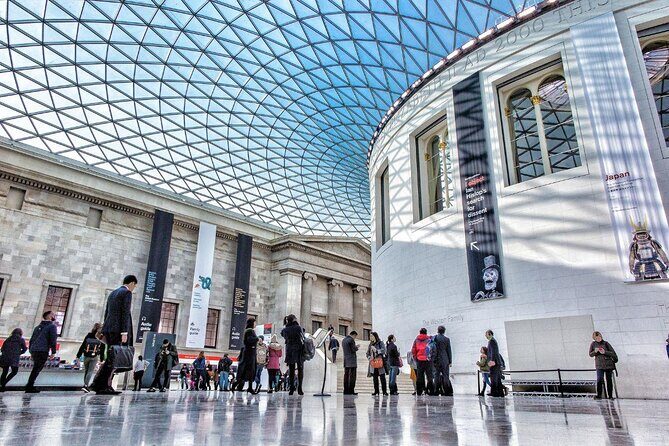
You’ll meet at the British Museum Reading Room on Great Russell St at 11:00am. From there, you should build in extra time to get inside. One helpful tip: allow about 30 minutes to get into the museum, so you don’t arrive late and throw off the tour rhythm.
Also, the tour uses a mobile ticket and you’ll get confirmation when you book. The tour itself includes guiding services only, so you’ll still handle the museum ticket separately. That split is normal for museums with free entry, but it’s worth planning early so you’re not scrambling on arrival day.
If you’re the type who likes to move fast once you’re there, this schedule helps. Limited entry can mean lines even for free entry times, and the guide’s pacing matters more than people expect.
Your 3-hour highlights route: from world-famous objects to the stories behind them
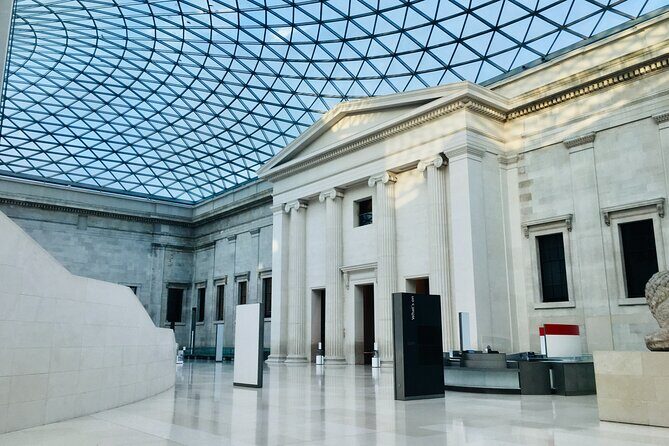
This tour is roughly 3 hours and focuses on a highlights circuit. The big theme is interpretation: you don’t just see the objects, you learn how people understood them, how scholars figured things out, and how the museum presents them today.
Rosetta Stone and the moment hieroglyphs become readable
You’ll start with the Rosetta Stone and learn about how hieroglyphs were deciphered. Even if you’ve seen photos before, a guided explanation makes it feel less like a famous rock and more like a breakthrough in communication. You’ll come away understanding that deciphering isn’t magic—it’s a method, and it unlocks whole worlds of writing.
This is a great early stop because it sets your expectations. After the Rosetta Stone, you’ll be more alert to details: symbols, patterns, and what different scripts are trying to say.
Power, identity, and real artifacts: Rameses II and more
You’ll also see the bust of Rameses II, and the tour uses objects like this to show how rulers were remembered and represented. That theme continues as you move through other civilizations represented in the museum’s collections.






Surprise chapters: Aztec jewellery, Montezuma, and the fun stuff that sticks
One of my favorite things about this tour’s layout is that it doesn’t treat artifacts like museum-only items. You’ll see Aztec jewellery worn by Montezuma, and the guide connects it to people, status, and storytelling. It’s not just, Here’s an item. It’s more like, Here’s why this mattered to the person wearing it.
Then the tour adds a playful brain-teaser: fakes. You’ll learn about crystal skulls and mermaids—classic examples of things people want to believe in, and how you can think critically about what’s real.
The oldest library and the long arc of writing
As you head through the highlights, you’ll encounter the oldest library and then return to writing systems with cuneiform, including how it was translated. This is a key value point. The British Museum isn’t only about sculpture and jewelry; it’s about records—what people wrote down, why they wrote, and how later generations made sense of those records.
If you’ve ever looked at ancient inscriptions and felt lost, a guided explanation helps you see them as structured language instead of decorative marks.
Sutton Hoo and the world’s oldest epic story
The tour includes Anglo Saxon Sutton Hoo and the world’s oldest epic story. Even when you don’t know the details in advance, you’ll get a way to frame what you’re looking at. That matters, because the museum can overwhelm you with names. The guide helps you organize that information into something you can remember after you leave.
A through-line of values: human rights and declarations
One stand-out item on the route is the first ever declaration of human rights. It’s not the kind of exhibit everyone expects to see on a highlights tour, and it changes the tone in a good way. You start the day with ancient empires and writing systems, and then you end up looking at ideas about rights and humanity—almost like history echoing into modern language.
War, tools, and translation: Assyrian war machine and more
You’ll also see an Assyrian war machine, then move into more writing-focused interpretation with cuneiform. This pairing is smart. War objects show technology and power, and language objects show how societies narrated their world. Together, they give you a fuller picture than either would alone.
More than masterpieces: why acquisition stories change how you look
One of the most important parts of this experience is that it talks about the history of the artifacts, including their acquisition. That topic can be uncomfortable, but it’s also a big reason guided tours can be more meaningful than self-guided visits.
Labels can tell you what an object is. Acquisition stories help you understand why the museum holds it and what that means in today’s world. Even when you don’t agree with every aspect of history, you’ll leave thinking more clearly about what you saw and why it’s displayed the way it is.
This is also where a good guide earns their place. You’re not just being fed facts—you’re being guided through interpretation. That’s true whether you’re looking at famous objects like the Elgin Marbles and Parthenon sculptures, or at major collections like the Benin Bronzes.
The highlights checklist: key stops you should picture before you arrive
By the end, your route is loaded with recognizably famous objects and also category-changing finds across regions. Here are the highlights that make the tour feel like it goes beyond a checklist.
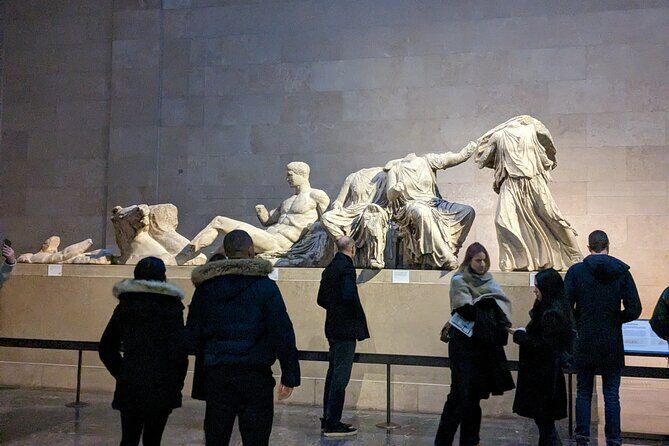
- Elgin Marbles / Parthenon Sculptures: You’ll see major Greek sculpture works, which often feel less impressive in photos than they do in person. The guide helps you see what to focus on.
- Lewis Chess pieces: These pieces get people’s attention fast, and a guided explanation helps them click as more than just an oddity.
- Mayan carvings and Mayan representation: You’ll learn what they are in context and why the museum places them where it does.
- Benin Bronzes and the cultural story around them: A guide matters here because bronze objects can look similar at first glance until you understand the cultural framing.
- Easter Island statue: It’s the kind of object that makes you stop even if you aren’t a sculpture person.
- Chinese Buddha: You’ll get the chance to look with different questions than you would alone.
- Shiva statue from India: Another object that’s easier to appreciate when someone gives you a way to interpret what you’re seeing.
- Celtic jewellery and other regional finds: The guide helps you understand why these pieces hold attention beyond their beauty.
- Anglo Saxon Sutton Hoo: One of the stops people mention as a favorite, likely because it feels both ancient and human—like you’re looking at real life, not just distant monuments.
- Fakes chapter: Crystal skulls and mermaid stories are a playful course-correction, a reminder that belief and evidence aren’t the same thing.
This range is a big reason the tour feels worth it. You get the museum’s best-known collection highlights plus side lessons that keep the day from turning into one long parade of stone and glass.
How breaks and pacing make the time feel fair
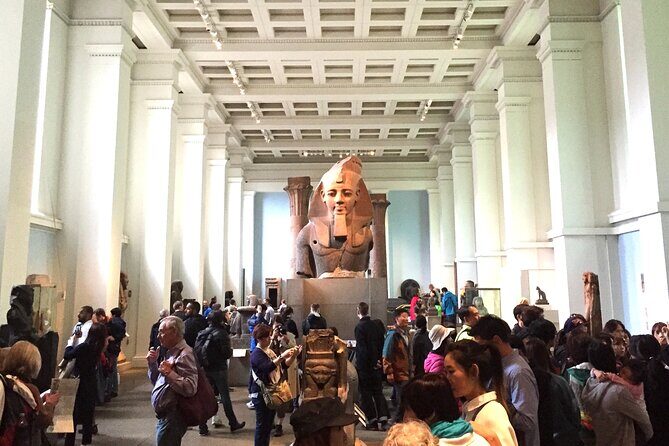
Even with a highlights tour, you’ll want to avoid that all-too-common museum experience: moving constantly while your brain is too tired to process details. Here, the pacing is built to let you catch up.
One thing I appreciated from the overall experience style is that the tour includes time for breaks. That matters because the museum can be physically and mentally demanding. Short pauses help you reset so the guide’s stories land instead of bouncing off.
Also, because it’s private, you can adjust pacing to your group’s energy. If someone needs extra time at one stop, your guide can typically account for it in a way a fixed group schedule can’t.
Who should book this British Museum historian highlights tour
This is a strong fit if you want three things at once:
- High-impact highlights without spending your day deciding what to skip.
- A guide who can explain why objects matter, including acquisition context.
- A friendly approach that can make history feel usable for different ages.
If you’re traveling with kids who are not automatically excited about ancient artifacts, the guide’s style matters. The tour includes a way to make the visit fun and relevant, using pop culture references like Harry Potter and mentions tied to Hollywood and contemporary life.
If you’re a history fan, you’ll probably love the range too: from the Rosetta Stone and cuneiform translation to cultural icons like the Lewis Chess pieces and the Buddha statue.
Price and value: guiding services only, museum entry is free
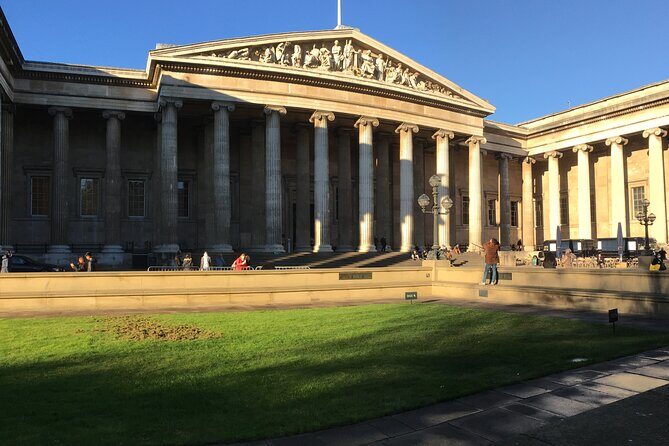
The tour price covers guiding services only. Museum entry is free, but that free access still requires you to book a timed ticket on the British Museum website.
So what are you paying for? Time, selection, and interpretation. In practical terms, you’re paying for:
- A route that hits the highest-yield objects in about 3 hours
- A historian-guide who knows what people miss when they walk through alone
- Stories that explain significance and acquisition history, not just what something looks like
If you’re the type who could spend a full day in the museum, you might prefer going solo. But if you’re working with limited time and want your visit to feel coherent, a guided highlights tour offers good value.
Should you book this British Museum highlights tour?
Yes, if you want a structured, high-yield British Museum experience that stays interesting the whole way through. I’d especially recommend it if you like the idea of seeing major objects like the Rosetta Stone, Elgin Marbles, and Sutton Hoo, but you also want the guide’s explanations about meaning and acquisition—not just the visuals.
I’d hesitate if you prefer total freedom with no scheduled flow, because this tour is clearly built around guided highlights and timing. Also, if you haven’t booked your free timed museum ticket yet, do that early. The experience depends on you arriving ready to get in smoothly.
If you want your British Museum visit to feel like a story with clear chapters instead of a wander through rooms, this is the kind of tour that makes that happen.
FAQ
How long is the British Museum highlights tour?
It lasts about 3 hours.
What language is the tour offered in?
The tour is offered in English.
Is the tour ticket the same as museum entry?
No. The tour includes guiding services only. Museum admission is free, but you need to book your own free timed entry ticket from the British Museum website.
Where does the tour start?
You start at the British Museum Reading Room, Great Russell St, London, UK.
What time does the tour begin?
The start time is 11:00am.
Is this tour private?
Yes. It is a private tour/activity, and only your group participates.
Are service animals allowed?
Yes, service animals are allowed.
Is the meeting point near public transportation?
Yes, it is near public transportation.
Do I need a reservation confirmation?
Yes. Confirmation is received at the time of booking.
Is free cancellation available?
Yes. Free cancellation is available, with cancellation up to 24 hours in advance for a full refund.