REVIEW · LONDON
The Royal Albert Hall Tour
Book on Viator →Operated by Royal Albert Hall · Bookable on Viator
Royal Albert Hall feels like a love letter. In about an hour, you get inside one of London’s most famous music stages, with architecture you can see up close and photo spots that help the building make instant sense. The guide connects the space to the performers and events that made it legend.
I love the access to the Royal Box area and the Royal Retiring Room, plus the views from the gallery where your perspective finally matches the grandeur. You also get guided storytelling about how the Hall was funded, the love story that nearly derailed the project, and why certain performances still live in the walls.
One possible drawback: depending on what’s being set up for an evening show, your access and even photography rules can be tighter than you expect, so some areas may be off-limits. That means you’ll want to go in with flexible expectations and focus on the big moments you will see, not the ones you hoped for.
In This Review
- Key highlights you’ll notice right away
- Why this Royal Albert Hall tour feels different than most London “see-and-go” stops
- Stop 1: Inside the Royal Albert Hall, from stage vibes to gallery rails
- Royal Box time: what Queen’s Box access adds to the experience
- The big “if you’re lucky” moment: rehearsals and sound checks
- Guides make or break it: from John to Mandy (and why that matters)
- How long it takes (and how a small group helps)
- A note on the one thing people sometimes don’t get: main floor access and photos
- Timing and where it fits into your London day
- Price and value: is $27.73 a fair deal?
- Who should book this tour (and who might not love it)
- Should you book the Royal Albert Hall Tour?
- FAQ
- How long is the Royal Albert Hall tour?
- Is the tour in English?
- What’s included in the ticket price?
- Are food and drinks included?
- How big is the group?
- Can I see artists rehearsing or a sound check?
- Is there free cancellation?
Key highlights you’ll notice right away
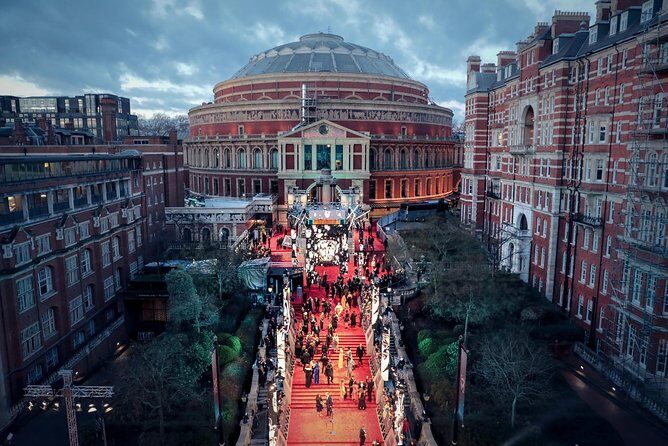
- Queen’s Box and Royal Retiring Room access: see the spaces tied to royalty and ceremony.
- Gallery views for a full-room perspective: good sightlines without a long climb.
- Stage context through iconic performance photos: you connect famous moments to the actual layout.
- A chance to catch rehearsals or a sound check: if the schedule lines up, you might hear music being tested.
- Small group size (max 14): easier questions, better pace, fewer bottlenecks.
- Guides with standout delivery: I’ve heard tours guided by people like John, Mandy, Jo, Valentin, and Alex, and the stories tend to be the star of the show.
Why this Royal Albert Hall tour feels different than most London “see-and-go” stops
London has no shortage of impressive buildings, but the Royal Albert Hall is special because it’s built for both spectacle and acoustics. The guided format matters here. With a good guide, you don’t just look—you understand where to stand, why the room feels the way it does, and how performers and audiences share the same space.
This tour also hits a sweet spot in pacing. It’s long enough to matter (about an hour), but short enough to fit into a day that’s already packed with museums, markets, and buses that don’t always cooperate. You walk, you look, and you get the kind of context that makes the Hall feel personal instead of distant.
And price-wise, it’s refreshingly direct. At about $27.73 per person, you’re paying for a guided look plus admission to the Hall spaces you visit. For a top-tier London venue, that’s solid value—especially when you consider you’re not just viewing from the sidewalk.
You can also read our reviews of more tours and experiences in London.



Stop 1: Inside the Royal Albert Hall, from stage vibes to gallery rails
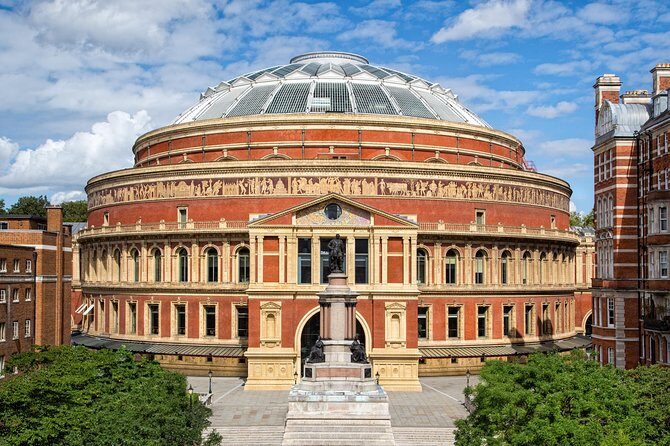
Your visit centers on one main experience: going inside the Royal Albert Hall with a guide. You start in the public areas and quickly get your bearings on what this venue actually does—hosting world-famous performers, orchestral events, major concerts, and even sports and historic figures.
The Hall’s reputation comes through fast because you’re shown where iconic acts have appeared. Expect the tour to mention a wide range of names—everything from music groups like Arctic Monkeys to heavyweight cultural moments tied to people like Muhammad Ali, and major concert traditions such as the BBC Proms. The goal isn’t to cram facts. It’s to help you picture the Hall as an active stage, not a museum display.
As you move, you’ll notice photos of landmark performances. These images act like wayfinding. They help you place yourself inside the venue and connect the Hall’s layout to the memories people associate with it.
Then you shift from “photos on the wall” to “royal spaces you wouldn’t expect to see.” That’s where the tour becomes more than sightseeing.
Royal Box time: what Queen’s Box access adds to the experience
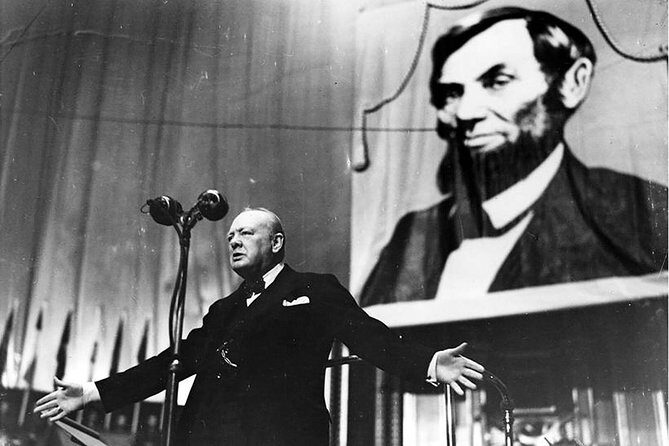
One of the best parts is the access to the Royal areas—especially the Queen’s Box. Standing in that space changes how you view the whole room. Suddenly, you’re thinking like an attendee with a reserved perspective rather than just a tourist trying to find the perfect seat.
You’ll also visit the Royal Retiring Room, the space described as where the Queen hangs out. Even if you never sit anywhere quite that regal again, it’s a reminder that this Hall was built for ceremony as much as for performance.
What makes this section work is how the guide ties the architecture to the human side of the building. You’re not just being shown a room—you’re being told why it exists, how it fits into the venue’s identity, and how royal viewing shaped the Hall as it grew.
If you’re a person who likes to see “the special rooms,” this tour scratches that itch quickly.
The big “if you’re lucky” moment: rehearsals and sound checks
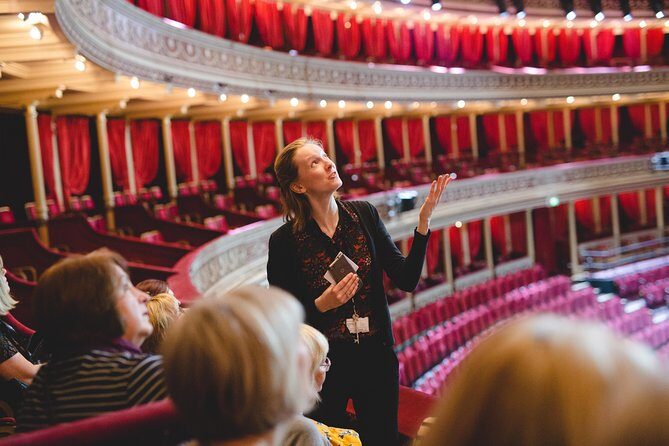
The tour includes a real possibility of catching something happening behind the scenes. If you’re lucky, you might glimpse an artist rehearsing or hear a sound check connected to an evening performance.
This is where your mindset helps. If nothing is happening that day, you’ll still get the tour and the Hall’s history and viewpoints. But if the schedule aligns, it can turn the visit into a live-feeling experience.
Some visitors have described getting to hear an orchestra rehearsal while the Hall was preparing for a BBC Proms event. Others have mentioned hearing music or seeing a sound check tied to major performances. In other words, the venue can be in “working mode,” not just “show mode.”
Practical tip: keep your phone away until the guide indicates what’s allowed. If you see musicians testing sound, you’ll want to watch quietly anyway. It’s not the moment for rapid photo spamming.
Guides make or break it: from John to Mandy (and why that matters)
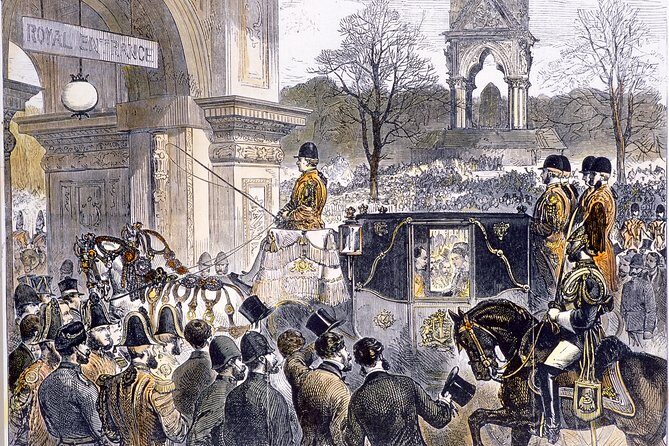
This tour is built around its guide, and the best guides do more than recite dates. They tell stories in a way that makes the Hall feel alive, including details like how the building was funded and the love story that nearly stopped it from being built.
People have credited guides by name—John, Mandy, Jo, Valentin, Alex, and Joe-Phillipe—and that points to something important: you’re not getting a scripted walk-through. You’re getting a person who knows how to steer attention.
When the guide is strong, you get “aha” moments:
- why certain architectural choices matter to performance
- what you’re looking at when you see iconic photos
- how the Royal areas connect to the building’s purpose
- why the Hall became a magnet for huge acts across genres
If you care about music, you’ll probably leave with names on your brain and a new sense of where they fit into the Hall’s story. If you’re more of a building-and-design person, you’ll still get value because the guide uses the architecture to explain the Hall’s role.






How long it takes (and how a small group helps)
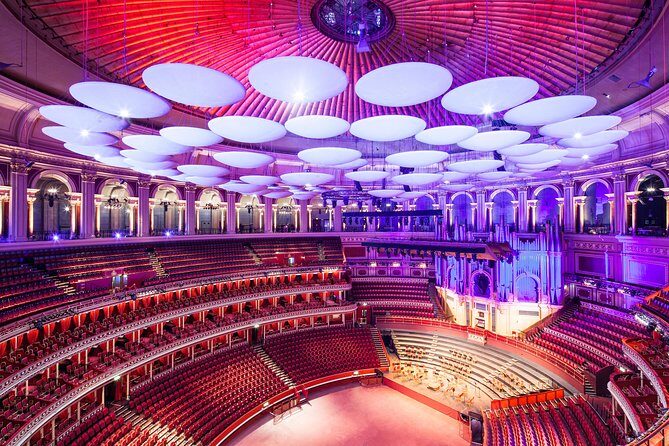
The tour runs about an hour. That length is smart because it gives time for the major spaces without dragging you through every corner.
You also travel with a maximum of 14 people. In practice, that usually means the group moves at a human pace and you get a real chance to ask questions without shouting over the crowd. It’s also easier for the guide to manage where everyone stands when the space is busy or set up for an event.
One more thing: the pace tends to be “walk, pause, look, listen.” If you’re the type who loves to stand and stare, you might feel you’re moving a bit faster than you’d like—but most visitors seem to think the time is just right.
A note on the one thing people sometimes don’t get: main floor access and photos
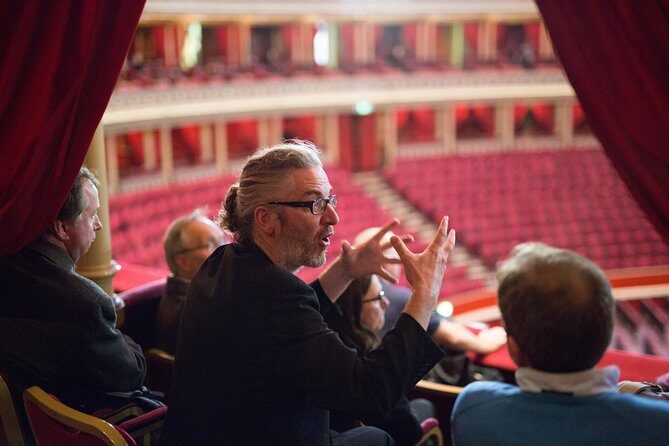
Here’s the honest heads-up to keep you from getting disappointed. In some cases, visitors weren’t allowed down onto the main floor, and the tour focused on halls and seating areas instead. Photography can also be restricted when the Hall is preparing or rehearsing.
This doesn’t mean the tour is bad. It means your experience can change based on operations that day. The Royal Albert Hall is a working venue, not a closed set.
So go with a plan that fits reality:
- treat the Royal areas and gallery views as your core wins
- assume at least part of the experience may be affected by what staff and performers are doing
- be ready for rules about where you can stand and whether you can take pictures
If you’re traveling specifically to photograph every angle, you’ll want to be extra flexible.
Timing and where it fits into your London day
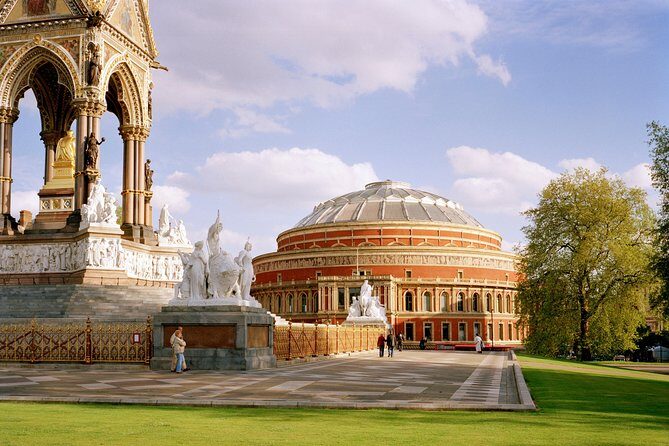
Most tours you’ll book in advance are designed to slot neatly into a half-day rhythm. Booking about 27 days out on average is a good clue: it’s smart to reserve ahead, especially if you’re visiting during peak season or you want a specific time window.
Plan this tour as a “anchor” stop. It pairs well with other West End sights or a museum-heavy day around Kensington. Because the tour is about an hour, you can put it between longer activities instead of letting it become the day’s only event.
Also, remember the tour includes guided entry but not food. If you’re hungry, eat first or plan a quick coffee break around the area so the tour doesn’t feel like it’s competing with your stomach.
Price and value: is $27.73 a fair deal?
At around $27.73 per person, the price is tied to two main things: the guide plus admission into the areas included on the tour. In London, that matters. You’re paying for access to a top venue that usually sells higher-priced experiences for time, perspective, and access.
The value is strongest if:
- you love music and want context tied to real performance spaces
- you care about the Royal viewing areas (Queen’s Box and the Royal Retiring Room)
- you’re hoping to catch a rehearsal or sound check on a schedule that lines up
The value is still decent if you’re more “architecture first.” You’ll learn why this Hall matters and how its design supports both ceremony and stage work.
Who should book this tour (and who might not love it)
This tour is a great match if you’re the kind of traveler who likes a building to come with stories. You’ll enjoy it if you want to hear the Hall’s funding story, the love story behind the build, and why the venue became a stage for major cultural moments.
It’s also a good fit for music lovers who don’t need a full concert. You’ll still get performance energy, especially if the day offers rehearsal or sound check glimpses.
If you’re someone who only wants to see every public-facing corner and take lots of photos, you may find the access is more limited on certain days. You might also be sensitive to intro noise if the group starts in a busier space. On at least one tour, the introduction reportedly happened in a bar area with background noise, which can make listening harder if English isn’t your first language or if you’re easily distracted.
Should you book the Royal Albert Hall Tour?
Yes, I’d book it if you want a high-value, time-friendly way to understand one of London’s most famous venues. The access to the Royal areas, the gallery viewpoint, and the guided stories make it feel like more than walking through a landmark.
Book ahead if you can. A good rule is to reserve a few weeks in advance so you have options. And when you arrive, go in ready for the Hall to be in active working mode—because that’s often when the most memorable moments happen.
If your top priority is maximum photo access or total main-floor freedom, be flexible and accept that the Hall’s schedule can shape what you see.
FAQ
How long is the Royal Albert Hall tour?
It runs for about 1 hour.
Is the tour in English?
Yes, it’s offered in English.
What’s included in the ticket price?
You get a guide, and an admission ticket is included for the Royal Albert Hall areas covered on the tour.
Are food and drinks included?
No. Food and drinks are not included (alcoholic drinks are available to purchase).
How big is the group?
The tour has a maximum of 14 travelers.
Can I see artists rehearsing or a sound check?
If you’re lucky, you may glimpse an artist rehearsing or see/hear something during sound check, depending on what’s happening that day.
Is there free cancellation?
Yes. You can cancel for a full refund up to 24 hours before the experience starts.