REVIEW · LONDON
Walking Tour of London Westminster Abbey, Big Ben, Buckingham
Book on Viator →Operated by UK Tours & Activites · Bookable on Viator
London does not do slow sightseeing well. This walking tour strings together Westminster highlights in a tight route, so you spend your time looking at landmarks instead of hunting for them. You also get a real guide voice along the way—stories, context, and direction as you move past busy streets.
I especially like the way the tour is built around two different Westminster Abbey experiences: a guided inside visit with skip-the-line, or an Abbey self-visit plus a chance for an evening organ recital/evensong. Another win is the Blue Badge Guide standard (the top tier in the UK), which matters when you’re trying to understand what you’re seeing fast, and not just ticking boxes.
One possible drawback: it’s a lot of walking and standing (about 3.2 km / 2 miles), and headsets are not included, so if crowds or noise are high, you’ll need to stay close to your guide.
In This Review
- Key Things to Know Before You Go
- Westminster in a Few Hours: The Smart Route Logic
- Your Tour Options: 3 Hours vs 4 Hours (Westminster Abbey is the Choice)
- The 4-hour option: guided inside Abbey, skip-the-line
- The 3-hour option: guided exteriors + Abbey self-visit (and possible evening music)
- Meeting at Jermyn Street and Staying On Pace
- Stop 1: Churchill Statue and Parliament Square as Your History Starter
- Stop 2: Parliament Square Quick Absorbing Time
- Stop 3: Big Ben From Across the Street (No Entry, But Great Context)
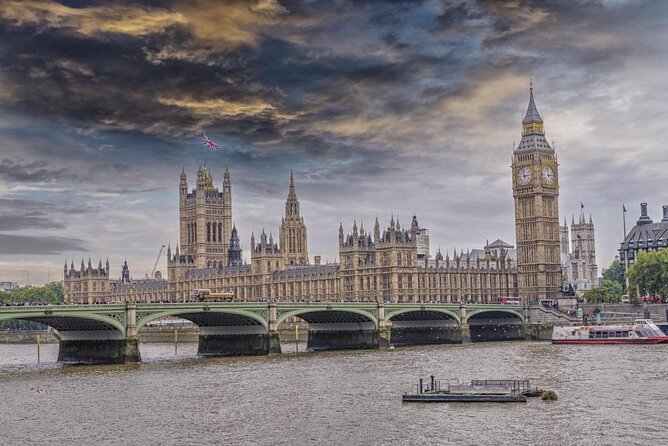
- Stop 4: Houses of Parliament and the Drama Built into the Stone
- Stop 5: Westminster Abbey—Skip-the-Line Guided vs Free Self-Visit
- What you get in the 4-hour guided interior plan
- What you get in the 3-hour self-visit plan
- Stop 6: Westminster Abbey Shop as a Breather Moment
- Stop 7: St Margaret’s Church—The House of Commons Neighbor
- Stop 8: City of Westminster—Streets With Political Meaning
- Stop 9: St James’s Park—Switching from Power to Calm
- Stop 10: Buckingham Palace—Exterior Views and How to Read the Guard Details
- Stop 11: Queen Victoria Memorial
- Stop 12: St James’s Palace—Another Royal Piece of the Puzzle
- Stop 13: Central London Add-Ons and Local Tips
- Price and Value: Is $95.70 Worth It?
- What Guides on This Route Tend to Do Well
- Logistics You Should Plan Around (Comfort Beats Speed)
- Should You Book This Westminster + Royals Walking Tour?
- FAQ
- How long is the Westminster Abbey, Big Ben, and Buckingham walking tour?
- Where does the tour start and end?
- What’s the price per person?
- Are Big Ben and Buckingham Palace included for entry?
- What’s included with the 4-hour option?
- What’s included with the 3-hour option?
- Do I get headsets on this tour?
- How much walking is involved?
- Is the tour suitable for people with limited mobility?
- How many people are on the tour?
Key Things to Know Before You Go
- Blue Badge Guide on the guided portions, including Westminster Abbey in the 4-hour option
- Two tour lengths: 4 hours with a guided interior Abbey visit vs 3 hours with Abbey exterior guidance and self-entry
- Big Ben and Buckingham Palace are exterior-only viewing; neither includes entry tickets
- Mobile ticket and a small group size (max 20), which helps keep the pace under control
- No headsets, so plan to stand where you can hear clearly
Westminster in a Few Hours: The Smart Route Logic
This tour is designed for one big problem: Westminster highlights are close on a map, but they feel far when you’re trying to move through them on your own. With a guide setting the flow, you get a clear sequence—Churchill → Parliament Square → Big Ben area → Houses of Parliament → Westminster Abbey—then onward into royal and park sights.
I like that it’s structured around why each stop matters, not just what it is. You’re constantly handed little context cues as you walk, which makes the famous buildings stop being mere photo backdrops and start feeling like a system—politics, monarchy, war memory, and ceremony all packed into a few blocks.
Still, go in with the right expectations: this is not a sit-down lecture. It’s active sightseeing, and the pace can feel brisk—especially if you’re coming from an early flight or you’re still adjusting to London walking speed.
You can also read our reviews of more tours and experiences in London.


Your Tour Options: 3 Hours vs 4 Hours (Westminster Abbey is the Choice)
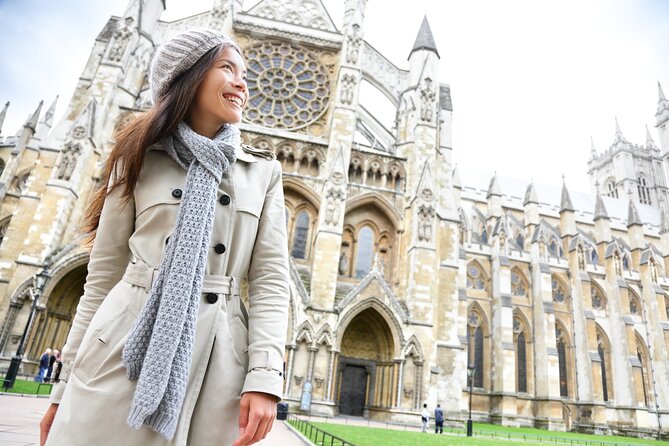
The real decision is how you want Westminster Abbey handled.
The 4-hour option: guided inside Abbey, skip-the-line
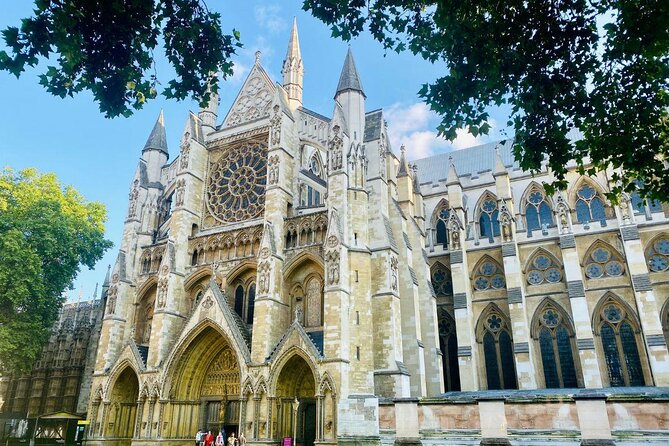
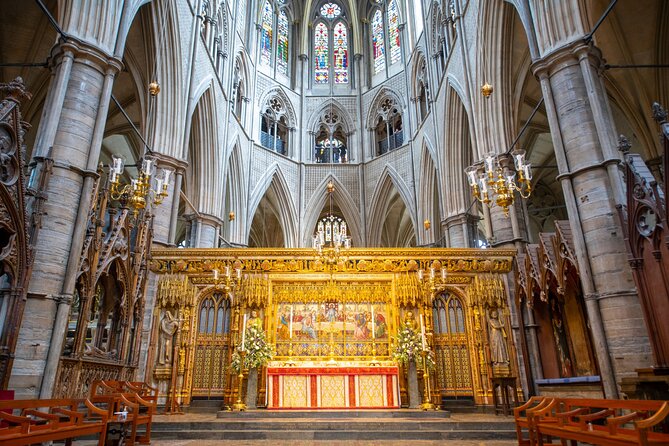
If you choose the 4-hour tour, you get guided tour inside Westminster Abbey with skip-the-line tickets, led by a Blue Badge Guide. You also get time mapped to major Abbey highlights like the coronation halls, Poets’ Corner, and the royal tombs.
What this means for you: you don’t spend your limited time figuring out where to go first, or which spaces are worth the detour. Your guide can point out what you should notice—lettering, memorial placement, and the human stories attached to the stone.
The 3-hour option: guided exteriors + Abbey self-visit (and possible evening music)
With the 3-hour option, you get guided guidance outside, then self-visit entry to Westminster Abbey. After that, your plan can include a free organ recital, evensong, or regular evening mass, depending on the Abbey’s schedule.
What this means for you: you’ll get the atmosphere of the Abbey in a different way—less of a guided “look here, then here,” and more of a flexible inside visit that can end with music or an evening service. This option can feel especially good if you like slow moments or you want to choose how much time you spend inside.
One note to keep your day smooth: the evening music/service depends on schedule. If you’re traveling with tight timing, I’d treat this as a “great chance,” not a guaranteed show.
Meeting at Jermyn Street and Staying On Pace
The tour starts and ends at Jermyn Street (Jermyn St, London). It’s near public transportation, and the company uses a mobile ticket, so you won’t be juggling paper confirmations.
The most practical tip: arrive 10 minutes early. This is a group walk, and latecomers may miss the departure. One past experience flagged that meeting location issues can derail the day fast, so don’t assume your guide will circle back. Check your phone and email for any updates before you leave your hotel.
Also, plan what to do when you’re tired. The route includes photo moments, short stops, and longer standing at key points. Many people keep the energy by wearing waterproof, grippy shoes. If you’re visiting in winter or shoulder season, London weather can swing quickly.





Stop 1: Churchill Statue and Parliament Square as Your History Starter
Your walking tour begins at the Sir Winston Churchill statue in Parliament Square (with the guide meeting you there). Churchill is the perfect first stop because it sets the tone: Britain’s twentieth-century turning points are never far from Westminster’s surfaces.
In this section, your guide typically links the statue setting to what comes next—politics, public memory, and the way monuments talk to you across generations. Even if you know Churchill as a name, the storytelling is often how you learn to read the area.
If you’re traveling with kids or you just want your brain to “wake up” fast for sightseeing, this early start helps. You’re not walking into Westminster cold.
Stop 2: Parliament Square Quick Absorbing Time
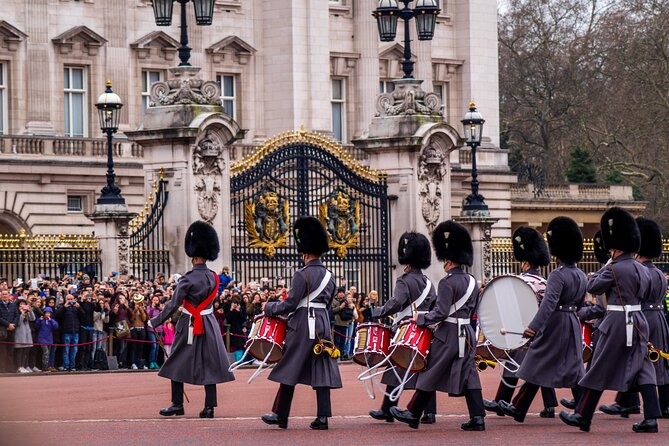
From Churchill, you spend a moment at Parliament Square, framed by big skyline landmarks like Westminster Bridge and Big Ben in view. This isn’t meant to be long and slow. It’s a breather stop so you can orient yourself and start seeing lines of sight you’ll keep using later.
The value here is psychological: once you’ve got the layout in your head, the next half of the walk feels easier. You stop asking, “Where am I?” and start thinking, “Oh, that’s why that building sits there.”
Stop 3: Big Ben From Across the Street (No Entry, But Great Context)
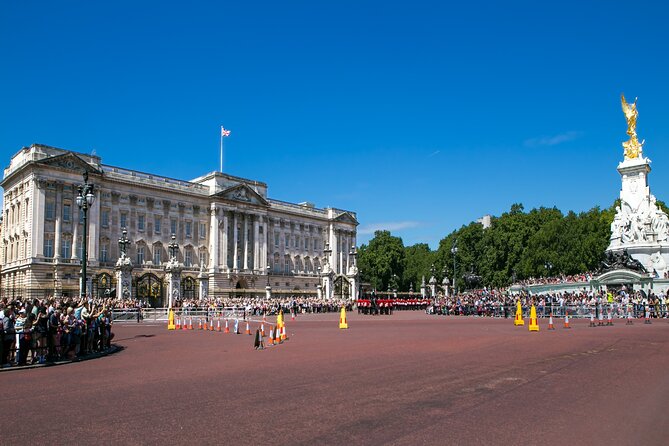
You’ll get a proper look at Big Ben from across the street. The Elizabeth Tower may not be open to the public in this tour, but you still get one of London’s most photographed angles—plus the stories that make the clock more than a landmark.
Your guide shares details on the tower’s architecture and the famous chimes, which is exactly what you want if you’re not buying an entry ticket. Listening for the hour after you’ve learned a bit about what you’re hearing can turn the sound into part of the tour, not just background noise.
Practical note: bring your camera stance. This is a photo-friendly stop, but you’ll be standing among other people doing the same thing. Being flexible with where you stand helps.
Stop 4: Houses of Parliament and the Drama Built into the Stone
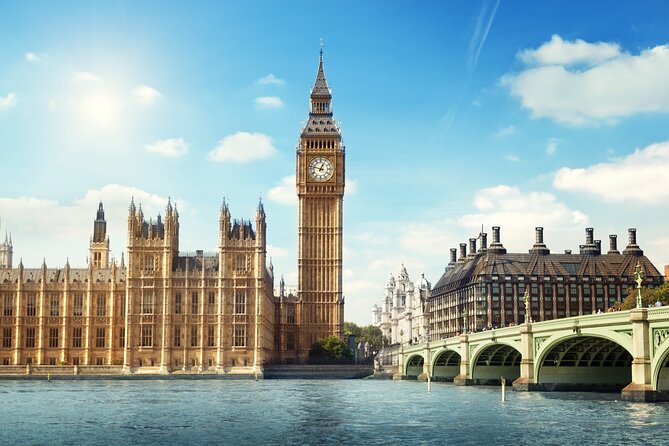
Next comes the Houses of Parliament. Expect a guide-led look at the Gothic look and an explanation of how the building relates to British democracy, royal ceremony, and political life.
This stop works well if you want your Westminster Abbey visit to feel connected to the world outside it. Your guide basically helps you connect two themes:
- religion and ceremony (Abbey)
- governance and spectacle (Parliament)
And yes, it’s still a sightseeing stop. You’re looking outward more than inward here, because entry tickets aren’t part of this experience.
Stop 5: Westminster Abbey—Skip-the-Line Guided vs Free Self-Visit
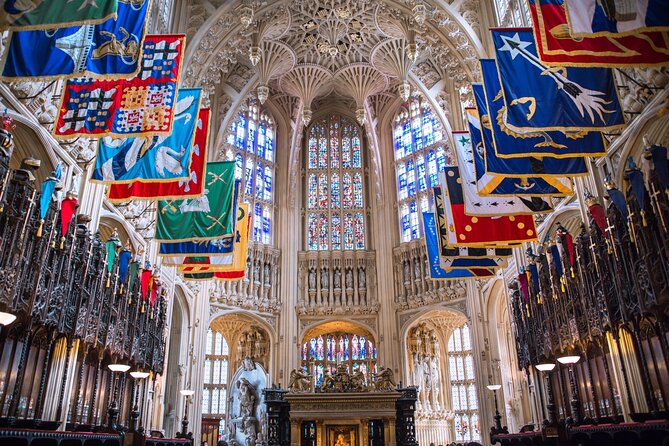
This is the heart of the program, and it’s where your choice matters most.
What you get in the 4-hour guided interior plan
You’ll use skip-the-line tickets and do a guided tour inside with a Blue Badge Guide. The focus areas listed for the experience include the coronation halls, Poets’ Corner, and royal tombs.
Why skip-the-line matters: Westminster Abbey is often busy. Cutting the line reduces stress and protects your time budget. You’re also less likely to wander past the spaces you’ll want later.
What you get in the 3-hour self-visit plan
For the 3-hour option, your guide transitions you to the Abbey entrance for a free organ recital, evensong, or regular evening mass subject to Abbey events. If you’re hoping for music or an evening service, this is the portion you care about.
One thing to be ready for: self-visit inside means you’ll have more freedom, but less guaranteed pacing. If you want a tighter tour feel, the 4-hour guided interior is the better match.
Stop 6: Westminster Abbey Shop as a Breather Moment
Between big sights, there’s a short break at the Westminster Abbey Shop. It’s a simple add-on, but it helps you reset—water, a quick browse, and a chance to slow your feet without losing the tour thread.
This also makes sense for families or anyone who gets restless standing. A break stop keeps the mood from tipping into “are we done yet?”
Stop 7: St Margaret’s Church—The House of Commons Neighbor
A short walk brings you to St Margaret’s Church, next to the Abbey. It’s known as the parish church of the House of Commons, and your guide links it to political life and the way Westminster institutions sit side by side.
This stop can be a quiet payoff. It’s less famous than the Abbey but more specific in its connection to the workings of Parliament. If you like details, this is where the tour starts feeling sharper.
Stop 8: City of Westminster—Streets With Political Meaning
You’ll move through City of Westminster and hear stories tied to the district’s architectural gems and ongoing political and cultural energy.
What I like about this kind of “street interpretation” is that it helps you avoid the common London mistake: only seeing the headline buildings. Even a few blocks of guided narration can help you notice facades, street geometry, and how institutions shape what’s around them.
Stop 9: St James’s Park—Switching from Power to Calm
Next up is St James’s Park, London’s oldest royal park. Expect a more relaxed pace: lake views, gardens, and resident wildlife.
If your day has been all monuments and stone symbolism, this stop is a mental reset. It’s also a good contrast point so Westminster feels less like a maze and more like a living city.
Stop 10: Buckingham Palace—Exterior Views and How to Read the Guard Details
Then you hit Buckingham Palace for an exterior photo stop by the ornate gates. Entry to palace grounds isn’t included due to restricted access, but you’ll still learn what to notice—like the balcony used for royal greetings and how to tell if the King is currently at home.
This matters more than it sounds. People walk past the palace gates and just take the same angle photo. Your guide’s small explanations help you “read” what you’re seeing, including the ceremonial signals.
Stop 11: Queen Victoria Memorial
The route includes the Queen Victoria Memorial, tied to imperial Britain and the artistic details that make it such a memorable city landmark.
Even if you’re not a monument person, it’s worth the stop because it rounds out the story. It connects monarchy to the longer arc of British identity and design.
Stop 12: St James’s Palace—Another Royal Piece of the Puzzle
You’ll also see St James’s Palace, a royal residence with centuries of role in British monarchy and ceremonies.
If Westminster Abbey represents one kind of national storytelling and Parliament represents another, royal palaces add the “continuity” angle—how the UK performs continuity in architecture and ritual.
Stop 13: Central London Add-Ons and Local Tips
The tour also includes some guidance for daily London life—tips on things like where to find afternoon tea, how to travel by tube, and how to purchase theater tickets.
On selected mornings, you might even catch a glimpse of Changing of the Guard (schedule dependent). Some guides have also added quick photo-time extras at points during the afternoon, so keep a bit of mental flexibility in your plan if you want more than the bare minimum.
Price and Value: Is $95.70 Worth It?
At $95.70 per person, this isn’t a bargain basement free-walk deal. It’s priced like an organized, guided Westminster experience, with a Blue Badge Guide and (in the 4-hour option) skip-the-line Abbey entry built in.
Here’s how I’d judge value for you:
- If you pick the 4-hour option, skip-the-line access and a guided interior visit can save time and reduce the “we missed the good parts” feeling.
- If you pick the 3-hour option, you’re mainly paying for guide narration and a shot at a free organ recital/evensong/mass depending on schedule—plus the structure to see the route without stress.
- Either way, Big Ben and Buckingham Palace entry aren’t included, so the price is for guiding and access where it’s available, not for crown-attraction tickets.
Group size is capped at 20, which helps. That kind of group size usually keeps you from getting lost in a crowd of bodies.
Also, headsets are not included. So if hearing clarity is a priority for you, stand close and expect to rely on your guide’s volume and the pace.
What Guides on This Route Tend to Do Well
Names may vary by departure, but a clear pattern shows up: guides put energy into storytelling and keep the group moving with firm timing. You’ll likely hear memorable details and have chances to ask questions.
Several guides have been specifically praised for keeping an upbeat tone while handling the pace, with people describing experiences where entry to Westminster Abbey felt fast and smooth. One guide (Natasha) has been called out for getting people into Westminster Abbey early, even in a way that felt close to a private moment for the first minutes. Another guide (Olga) was praised for answering questions and making the Abbey interior more understandable. Dan and Will were praised for humor and for managing the stand-and-explain reality even when Abbey crowds make space tight.
That doesn’t mean every guide will be identical. But it does suggest your odds are good that you’ll get confident guiding, not just a “walk and hope” approach.
Logistics You Should Plan Around (Comfort Beats Speed)
This is not the tour for you if you hate standing. The walk covers about 3.2 km (2 miles) and includes multiple viewpoints, photo waits, and transfers between sites.
The tour is marked as not suitable for people with limited mobility, so take that seriously if mobility is a concern. The route includes outdoor walking sections and time standing in public areas.
Weather is also a factor. Some visits have taken place in misty winter conditions, so I’d plan for rain and slick sidewalks. Good grip shoes matter more than you think.
Finally, remember: headsets aren’t included. If it’s loud, you’ll want to stay close enough to hear the guide without craning your neck constantly.
Should You Book This Westminster + Royals Walking Tour?
If your goal is to see major Westminster and royal sights in a controlled few hours, this is a strong pick. The Abbey choice is the deciding factor:
- Choose the 4-hour option if you want the guided interior and you care about skip-the-line time savings.
- Choose the 3-hour option if you want a shorter guided route and like the idea of a free organ recital/evensong/mass depending on schedule.
I’d skip it (or look for an alternative) if you need lots of seated time, struggle with long standing, or you’re hoping for entry tickets to Big Ben or Buckingham Palace. This experience is about the exterior viewing and the guidance that makes those sights make sense.
FAQ
How long is the Westminster Abbey, Big Ben, and Buckingham walking tour?
It runs about 3 to 4 hours depending on the option you choose.
Where does the tour start and end?
The tour meets and ends at Jermyn Street (Jermyn St, London, UK).
What’s the price per person?
The price is $95.70 per person.
Are Big Ben and Buckingham Palace included for entry?
No. Big Ben and Buckingham Palace entry tickets are not included, and the experience is exterior views only.
What’s included with the 4-hour option?
The 4-hour option includes a guided tour inside Westminster Abbey with skip-the-line tickets, plus guided coverage as the route continues.
What’s included with the 3-hour option?
The 3-hour option includes guided walking focused on the exteriors, then free entry for an organ recital, evensong, or regular evening mass at Westminster Abbey depending on the Abbey’s schedule.
Do I get headsets on this tour?
No. Headsets are not included on any option.
How much walking is involved?
The route covers about 3.2 km (2 miles) on foot, so comfortable shoes are important.
Is the tour suitable for people with limited mobility?
It is marked not suitable for people with limited mobility.
How many people are on the tour?
The group size is capped at maximum 20 participants.