REVIEW · LONDON
A Day at the Museum – Natural History Museum London
Book on Viator →Operated by Tourope UK · Bookable on Viator
London’s museum giants are hard to beat. A guided, highlight-first visit turns the Natural History Museum into a focused science day, with APTg/blue badge expertise and smooth entry into the most famous galleries. I like that you get a plan for your time, not just a ticket. I also like the way the guide steers you through big themes, from dinosaurs to evolution, jewels, volcanoes, and earthquakes. One thing to consider: even with a guide, this museum can feel hot and crowded in peak summer weather.
This is a private tour for your group (up to 15), and it runs about 3 hours. If you’re visiting with kids, it helps them connect the dots fast; if you’re an adult, it keeps you from aimlessly wandering. You’ll start at the Natural History Museum and return there at the end, with an optional hotel pickup that makes the whole morning easier.
In This Review
- Key things to know before you go
- Why this 3-hour Natural History Museum plan actually works
- Price and value for groups up to 15
- Hotel pickup and meeting points: the easiest way to start
- Natural History Museum focus: five collections, one big story
- The dinosaur gallery: the headline attraction
- The museum’s other science stops (and why they matter)
- What the blue badge guide actually adds
- Crowds, heat, and comfort tips that can save your day
- Practical inclusions: what’s covered (and what isn’t)
- Who this tour is best for
- Should you book this Natural History Museum guided day?
- FAQ
- How long is the Natural History Museum London tour?
- Is Natural History Museum entry included?
- Is hotel pickup included?
- Where do we meet the guide if we don’t have pickup?
- What happens if Parliament Square is closed?
- What’s included and not included?
- Can wheelchair users join?
Key things to know before you go
- Hotel pickup option: Saves time and stress, especially with families or groups up to 15
- Five major collections: Botany, Entomology, Mineralogy, Paleontology, Zoology, tied together by a guide’s “big questions” approach
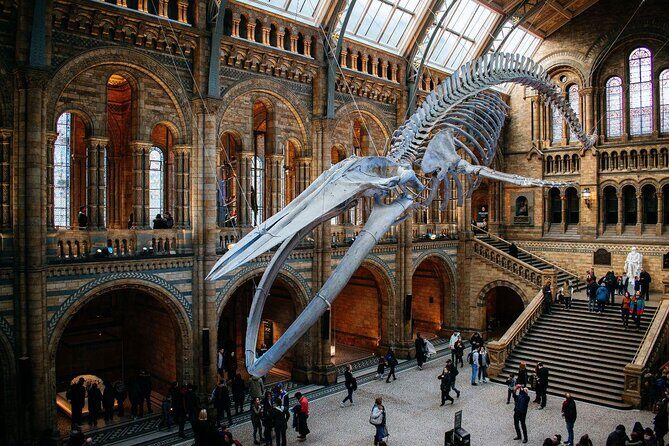
- Dinosaur gallery focus: Built around the famous skeleton displays and the story of who lived, who survived, and where they ended up
- Expert blue badge guidance: The tour is led by APTG-qualified guides who can explain what you’re seeing as you move
- Practical comfort tips matter: Summer heat and crowding can make the museum feel sweltering, so plan water and lighter layers
Why this 3-hour Natural History Museum plan actually works
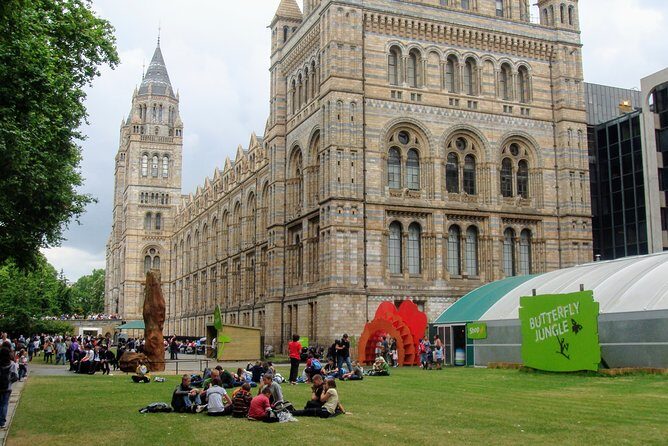
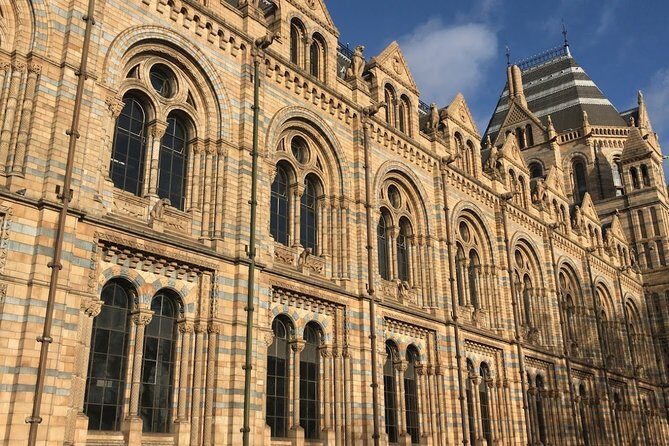
The Natural History Museum in South Kensington is the kind of place where you can burn an entire day and still feel like you saw only part of it. The trick is knowing where to start. This tour is built for getting you oriented quickly and then pushing you toward the museum’s best-known highlights in a short window.
I like the time format because it’s honest. About three hours is enough to hit the dinosaur pull, get a taste of several science collections, and still leave you with the energy to explore more after the tour if you want. It also helps families: kids often do better when someone points out what matters next, rather than handing them a map and hoping.
The tour’s structure is also designed around the museum’s themes, not just exhibit names. You’re guided through the “big nature questions” approach—things like who lived when, who survived, who died off, and how the modern world connects back to earlier life. That framing is what turns a gallery visit into real learning without turning it into a lecture.
You can also read our reviews of more historical tours in London

Price and value for groups up to 15
The price is listed as $681.89 per group (up to 15), with English as the tour language and about 3 hours duration. Since the museum admission is described as free in the experience details, this pricing mostly reflects the guided component and the convenience factor (like optional pickup).
Here’s how I’d think about value:
- If you fill close to the 15-person group size, the cost works out to roughly $45 per person (based on the group rate).
- If you’re a smaller group, the per-person cost rises, but you still get private guiding and a pace that’s matched to your group.
This is most worth it when you’ll actually use the guide to move between highlights. If your group loves slow, self-paced wandering, you might decide you only need museum entry. But if you want a guided “greatest hits” route plus explanations, it’s a solid way to make the museum feel less overwhelming.
Also, for families, private guiding can be a hidden time-saver. You’re not spending energy figuring out what to see first—you’re being shown it.
Hotel pickup and meeting points: the easiest way to start
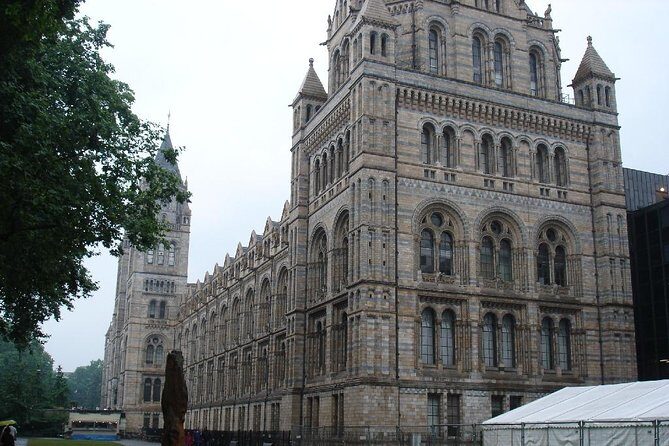
The tour offers hotel pickup (optional), and that matters more than it sounds. With kids, multiple people, or luggage-free but still complicated schedules, getting dropped near the museum and meeting the guide off-site can save real friction.
If you choose pickup:
- Be ready in your hotel lobby 15 minutes before the scheduled pickup time.
- Let the lobby staff know you’re waiting for the tour guide.
If you don’t need pickup, there’s a backup meeting option at Parliament Square. The nearest tube station is Westminster, and you check in 30 minutes prior to the tour start time. The guide is expected to be waiting by the Statue of Sir Winston Churchill in front of the Houses of Parliament.
One practical detail I really appreciate: there’s a contingency plan if Parliament Square is impacted by daily events or closure. In that case, you go to The London Eye by crossing Westminster Bridge, and the guide waits at the main exit gate. That kind of fallback reduces last-minute stress.
In all cases, wear comfortable shoes. The museum is full of corridors, stairs, and time-on-your-feet, even if you’re moving efficiently.
Natural History Museum focus: five collections, one big story
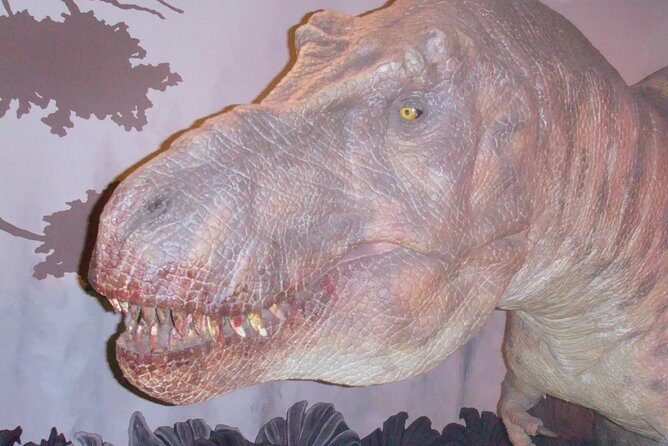
This tour is designed around how the museum’s science themes connect. You’re led through five main collections:
- Botany
- Entomology
- Mineralogy
- Paleontology
- Zoology
That lineup is helpful because it gives you a mental framework. Instead of treating dinosaur bones, insects, gems, and human evolution as unrelated stops, you start seeing them as parts of one system: how life changes over time, how the planet shapes life, and how today’s animals relate to the past.
The dinosaur gallery: the headline attraction
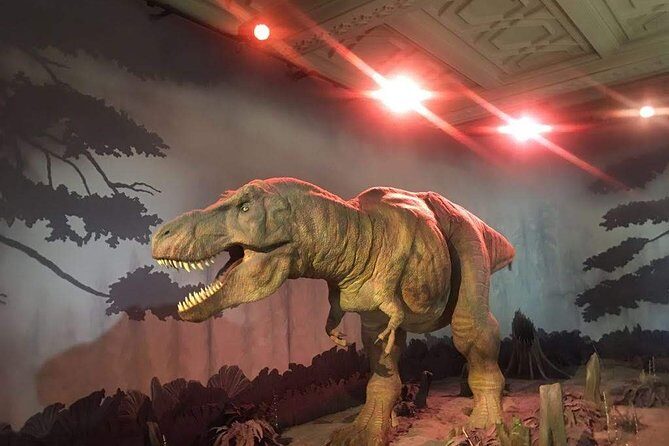
The tour highlights the museum’s renowned dinosaur skeleton displays—especially in the large Dinosaurs gallery. This isn’t only about seeing something famous. The explanation is aimed at the “big nature questions” behind the bones: who lived when, who survived, who became victims in past mass extinctions, and where those lineages are today.
If you’re visiting with children, this is where the excitement tends to lock in. If you’re visiting as an adult, it’s where you can ask better questions while you’re looking—like how to interpret a skeleton display as evidence rather than just spectacle.
You can also read our reviews of more museum experiences in London


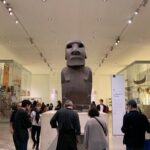
The museum’s other science stops (and why they matter)
Outside dinosaurs, the tour points you toward themes that many people skip because they don’t feel as instantly clickable as fossils. You may also be shown exhibits tied to:
- Mammals and ancestors (the link between past life and human story)
- Volcanoes and earthquakes (how the Earth changes and why that matters for fossils and landscapes)
- Jewels of the earth and minerals (where the science turns visual—shapes, structures, and formation stories)
- Creepy crawlies via entomology (a fun entry point for kids, and a surprisingly deep one for adults)
Even if you don’t become a full-on science person by the end (I don’t promise that), you leave with a clearer idea of what each gallery is trying to tell you.
What the blue badge guide actually adds
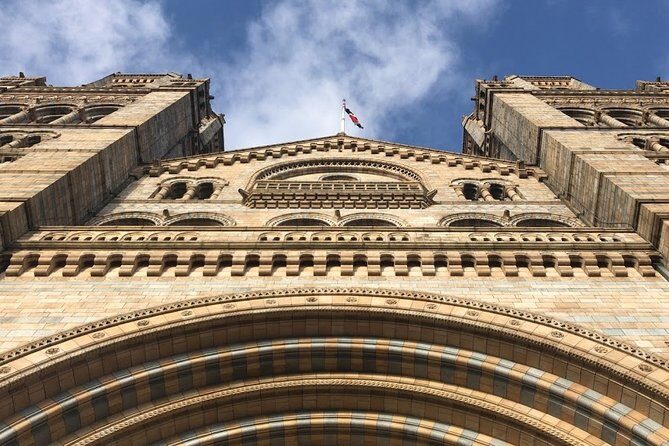
The tour includes expert guidance for the galleries inside, led by APTG qualified blue badge tourist guides. That “blue badge” detail matters because it signals a trained, recognized standard of guiding, not just a casual walkthrough.
In a huge museum, a guide’s value is practical:
- They help you prioritize so you don’t lose your best time waiting at the wrong spot.
- They translate what you’re seeing into plain language.
- They keep the visit moving in a way that still feels thoughtful.
And in a museum, moving matters. One of the most common issues here is that you can end up stuck behind crowds in the places that attract the most attention. A guide helps you time your viewing better and keeps your group from getting stuck in bottlenecks.
The tour also helps with confidence: you’re not just looking at labels. You’re getting explanations while you’re in front of the exhibit, which makes the information stick.
Crowds, heat, and comfort tips that can save your day
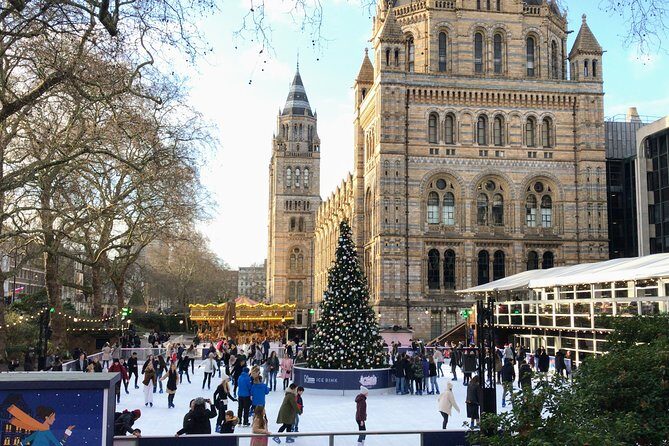
Even with a good route and a guide, the Natural History Museum can be tough on comfort in peak summer. Based on past visitor experiences, it can get hot, humid, and crowded, with limited relief from fans. That’s not the kind of thing you want to “tough out” with heavy layers.
Here’s what I recommend you do:
- Bring water (a reusable bottle is a smart idea).
- Wear lighter clothing in warm months.
- Skip bulky coats inside if you can.
- Plan short breaks if anyone in your group starts flagging.
If you’re sensitive to odors or stuffy indoor air, you’ll feel this more during high-occupancy days. A guide can’t change the weather, but they can help you keep your focus on the highlights so you’re not stuck drifting for hours.
Practical inclusions: what’s covered (and what isn’t)
Included:
- Expert guidance in the galleries
- Hand sanitizers and masks will be available in the vehicles for best hygiene practice
Not included:
- Lunch
Since lunch isn’t included, I’d plan either a snack strategy or a quick meal plan outside the tour window. If your group has kids, having a simple plan beats improvising.
Also note that the tour description says admission ticket is free. That means your group money is aimed at the guided experience and convenience—not paying again for entry. Still, if you’re coming with special circumstances (tight dates, school terms, group logistics), double-check entry details when you confirm.
Who this tour is best for
This tour is a strong match for:
- Families who want kids to love science without spending all day herding them
- Groups of up to 15 who want a private plan and expert explanations
- People who feel overwhelmed by huge museums and want a route that starts at the best points of interest
- Wheelchair users, since the tour expects you to communicate mobility needs in advance so the guide and logistics can accommodate your chair dependence and walking ability
It can also work well for adult groups who want a guided “hits and themes” session rather than an open-ended museum day. If you enjoy learning through context—why an exhibit matters—this kind of guided narrative is ideal.
Should you book this Natural History Museum guided day?
Book it if you want a 3-hour, highlight-first museum experience with expert guidance and a route that makes the whole place feel manageable. The price can be a good deal when spread across a group, and the free entry setup means you’re mainly paying for guidance and convenience.
Skip it (or consider an entry-only visit) if your crew prefers drifting at their own speed with no plan, or if you’re visiting during a season where indoor heat is a deal-breaker for your group. If you do book in warm months, bring water and wear breathable layers.
If your main goal is dinosaurs plus a clear taste of the museum’s broader science collections, this guided format is the kind of smart shortcut that still feels like real exploration.
FAQ
How long is the Natural History Museum London tour?
It’s listed as about 3 hours.
Is Natural History Museum entry included?
The experience details state Admission Ticket Free.
Is hotel pickup included?
Hotel pickup is offered. If you don’t require it, you can meet the guide at Parliament Square.
Where do we meet the guide if we don’t have pickup?
Meet at Parliament Square, near the Statue of Sir Winston Churchill, with check-in 30 minutes prior. The nearest tube station is Westminster.
What happens if Parliament Square is closed?
If there’s a closure or event, you’re instructed to go to The London Eye by crossing Westminster Bridge, and the guide waits at the main exit gate.
What’s included and not included?
Included: expert guidance and hand sanitizers and masks available in vehicles. Not included: lunch.
Can wheelchair users join?
Yes, but wheelchair users must inform the agent whether guests are fully dependent on the chair or partly able to walk or move, so arrangements can be planned.