REVIEW · LONDON
British Museum Private Tour: Ancient Daemons and Timeless Beauty
Book on Viator →Operated by MyLondonGuide · Bookable on Viator
A museum this big can feel like guesswork. This private British Museum tour turns the chaos into a clear route, with story-first guidance and a calm pace that actually lets you see what matters. You’ll focus on major works across Egypt, Greece, India, and early Britain, so the museum feels like one connected story instead of a random shopping list.
I especially like the small-group setup (private for up to 6 guests) and the way the guides tailor the route. In the experience’s feedback, Richard guided one family and was flexible enough to extend the tour by an extra half hour, while Yuliya and Yulywa were praised for matching what people wanted to see. I also like that you get help making sense of big iconic objects, like Rosetta Stone and the Parthenon Marbles, without getting lost in the galleries.
One consideration: it’s a short, focused window (about 2–3 hours). If you’re the type who wants to linger for a long time at every object, you may feel a little time pressure. Still, the whole point here is smart priorities—so you’ll leave with the best context, not just photos.
In This Review
- Key highlights to look forward to
- Entering London’s British Museum: a glass-canopy welcome
- How the 2–3 hour timing keeps the museum from swallowing you
- Stop-by-stop: Rosetta Stone, Parthenon Marbles, and the power of context
- Rosetta Stone: language as a key, not a trivia item
- Parthenon Marbles: empire, art, and the story behind the stone
- Egyptian mummies and the Sutton Hoo story: belief meets Britain’s early past
- Egyptian mummies: the quiet drama of life and death
- Sutton Hoo: an Anglo-Saxon ending that feels like a beginning
- Lewis chessmen and Shiva Nataraja: when objects turn into ideas
- Lewis chessmen: strategy you can almost feel
- Shiva Nataraja: creation and destruction in sculpture form
- Ancient sculptures and beauty standards: why art history matters here
- Why a private guide works so well in the British Museum
- Price and value: $203.65 per group, and when it feels worth it
- Who should book this British Museum private tour?
- Should you book the British Museum Private Tour?
- FAQ
- How long is the private tour at the British Museum?
- Is the tour private or shared?
- What’s included in the tour price?
- What items or services are not included?
- Where does the tour start and end?
- Do I need to bring tickets?
- What language is the tour offered in?
- Is fast entry provided?
- Is it easy to reach the meeting point with public transportation?
Key highlights to look forward to
- Fast track entry so you spend more time looking, less time waiting
- Flexible private route based on your interests, not a rigid script
- Big “anchor objects” like Rosetta Stone and Parthenon Marbles that make the rest easier to follow
- A storyteller approach that connects artifacts to ideas—language, power, belief, and art
- You’re guided through the museum’s scale, which is the real challenge in London’s British Museum
- Guides named in feedback, including Richard and Yuliya, with consistently strong satisfaction
Entering London’s British Museum: a glass-canopy welcome
Before you even reach the first galleries, there’s something you’ll notice right away: the museum’s famous light-and-glass setting. The route described here starts by walking through the British Museum’s grand interior under the canopy designed by Norman Foster. It’s a great way to “reset” your brain before the museum throws thousands of objects at you.
Also, you’ll start at Montague Pl (Montague Place) and end back there. That matters more than it sounds. The museum is spread out, and it’s easy to end up farther than you planned from where you started—especially if you’re hungry or have a timed schedule. With this format, you get a clean beginning and a clean finish.
You can also read our reviews of more private tours in London


How the 2–3 hour timing keeps the museum from swallowing you
This tour runs about 2 hours of guided time, with an overall length of roughly 2–3 hours. That timing is ideal if you want “best-of” guidance without burning a full day.
In a museum like this, the biggest risk isn’t missing an exhibit. It’s wandering. Wandering leads to shallow seeing—quick stops, lots of passing, and no mental thread. Here, your guide builds a route around a theme and a few headline objects, which helps your brain file what you see. You leave feeling like you understand why these pieces matter, not just that you saw them.
If your group includes kids or a mix of ages, the shorter format can be even better. It keeps attention from drifting and makes it easier to pivot when someone gets interested in one topic over another.
Stop-by-stop: Rosetta Stone, Parthenon Marbles, and the power of context
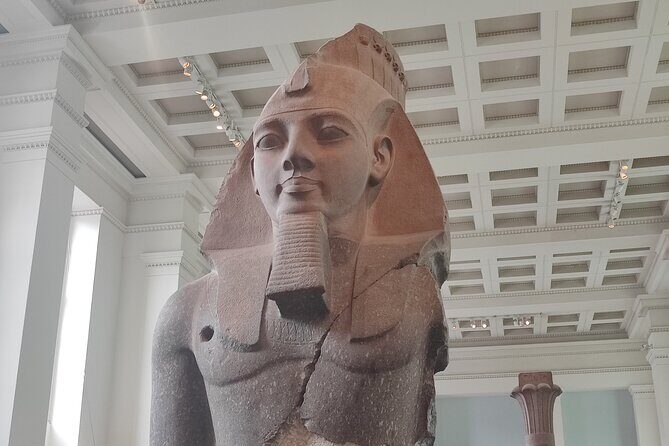
The itinerary centers on the British Museum’s top attractions, but the value is how they’re connected.
Rosetta Stone: language as a key, not a trivia item
You’ll spend time with Rosetta Stone, and that’s a smart anchor. When people see it without context, it can feel like a famous object they’re supposed to admire. With expert storytelling, it becomes what it really is: a turning point for understanding ancient writing. You’ll likely come away with a clearer sense of why that artifact changed how modern scholars read the past.
Practical tip: if you’re photographing, plan to pause for a few seconds longer than you think you need. The moment you connect the object to its role in translation is when the photo stops feeling like a souvenir and starts feeling like proof you understood something.
Parthenon Marbles: empire, art, and the story behind the stone
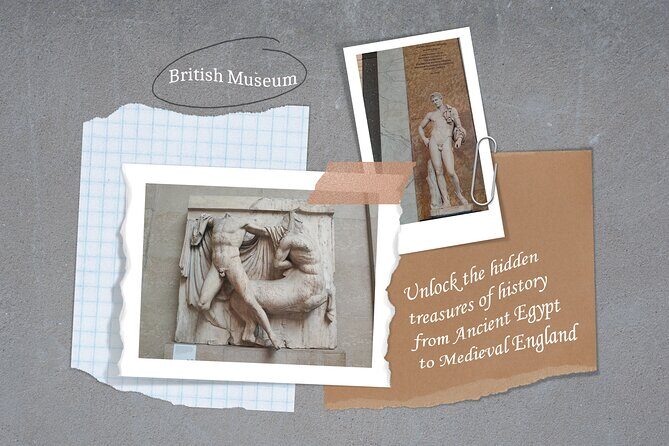
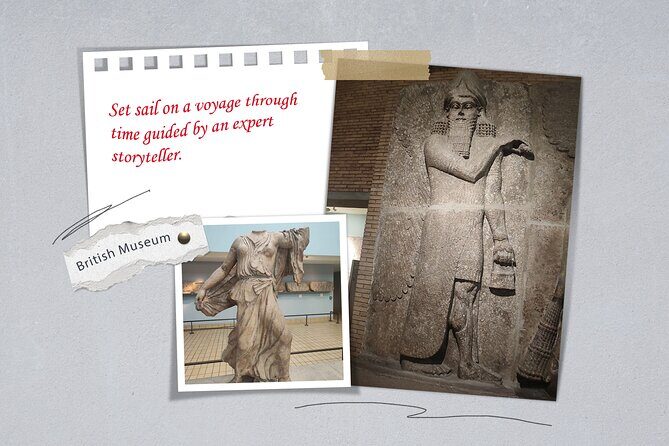
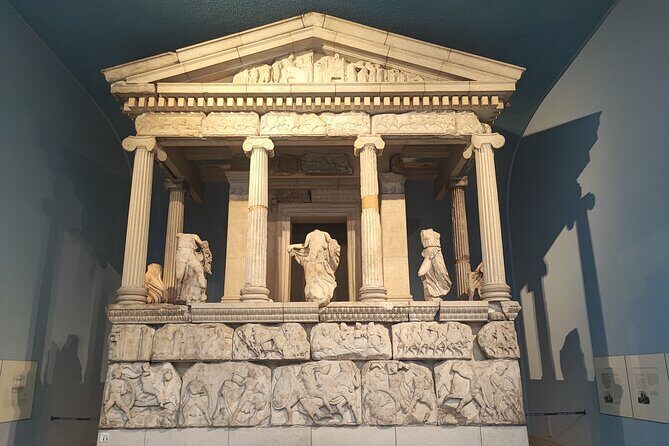
Next up are the Parthenon Marbles. These pieces don’t just represent beauty; they also represent movement—across time, politics, and power. A guided route helps you see the sculptural skill and also what it meant for later empires and audiences who inherited those stories.
Watch for how your guide talks about strategy and wit. Even if you’re not an art person, you’ll find the narrative is readable. That’s a big part of why these highlights work as a private tour theme: they’re famous enough to draw you in, but strong enough to justify the deeper explanation.
You can also read our reviews of more museum experiences in London




Egyptian mummies and the Sutton Hoo story: belief meets Britain’s early past
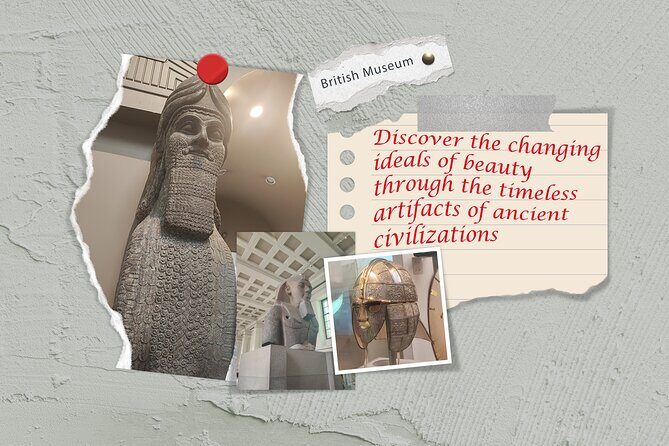
The museum’s Egypt and early Britain sections are where a private, theme-based guide can really change your experience.
Egyptian mummies: the quiet drama of life and death
You’ll be pointed toward the Egyptian mummies, framed around the contrast between fear, awe, and ritual. It’s the kind of topic that can feel heavy on your first encounter, but a good guide keeps it human. You’re not just looking at preserved bodies—you’re learning how ancient people understood death as part of a longer story.
Here’s the practical win: your guide can help you slow down just enough to notice details that you would miss if you were rushing. In a large museum, slowing down is rare. This tour makes it happen.
Sutton Hoo: an Anglo-Saxon ending that feels like a beginning
The route also includes Sutton Hoo, focusing on the mystery of an Anglo-Saxon warrior’s last voyage. If you’ve ever wanted to understand how Britain’s early history fits into a wider European story, this is one of the best starting points.
In guided time, objects like Sutton Hoo are powerful because they sit between legend and archaeology. Your guide can connect what’s known, what’s interpreted, and why the artifact still sparks debate. That makes the museum feel alive instead of locked in formal labels.
Lewis chessmen and Shiva Nataraja: when objects turn into ideas
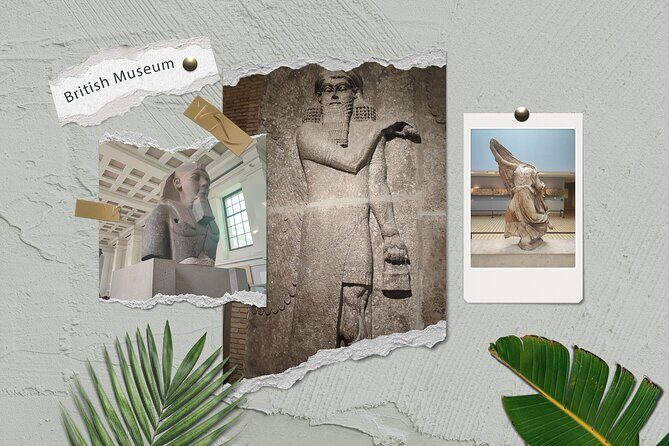
Not all museum highlights are about “oldness.” Some are about human creativity—games, religion, and philosophical symbols.
Lewis chessmen: strategy you can almost feel
You’ll stop for the Lewis chessmen, and you’ll likely hear about how they suggest wit and strategy. The appeal here is that chess is familiar. Your guide can use that familiarity to connect the objects to daily life, status, and culture, without turning it into a lecture.
If your group includes non-experts, this is often the moment where people relax. You can appreciate craftsmanship and story at the same time.
Shiva Nataraja: creation and destruction in sculpture form
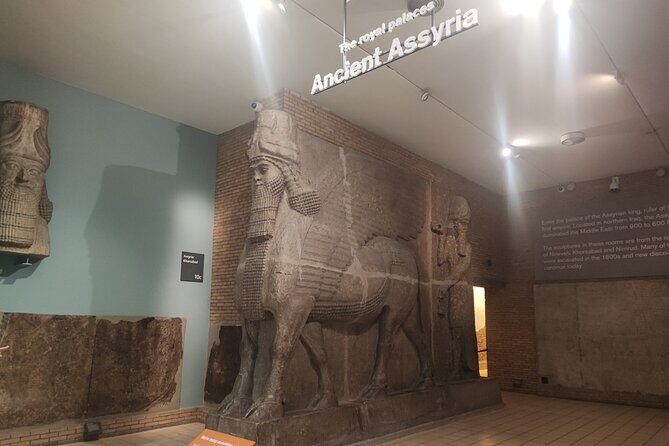
Then comes Shiva Nataraja, described as a cosmic dance of creation and destruction. This is where the tour theme can really shine. The museum includes many civilizations, and a good private guide helps you avoid the trap of seeing them as separate “collections.” Instead, you start noticing that different cultures express similar big questions—life, death, order, transformation—through very different symbols.
That kind of framing makes the museum easier to process when you’re tired. By the time you reach the end of the route, the objects aren’t isolated. They’re part of a larger mental map.
Ancient sculptures and beauty standards: why art history matters here
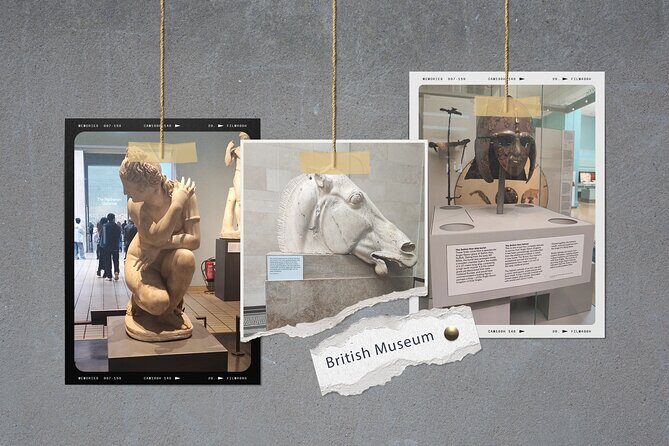
The tour also includes ancient sculptures, tied to how beauty standards evolved. Even if you think you’re not an art person, this portion can click because it’s about change over time.
Beauty standards are not random. They reflect what societies valued—power, balance, ideal proportions, religious meaning, and sometimes propaganda. When you see sculpture with that lens, you’ll likely start noticing details like posture, proportions, and expression as meaningful choices rather than decorative features.
This is also a good place for your group to ask questions. The sculptures invite interpretation, and your guide’s job is to give you multiple angles—what to look at, what it might represent, and how to connect it to the cultures you’ve already seen in the tour.
Why a private guide works so well in the British Museum
The British Museum’s biggest challenge is scale. You don’t just need to see highlights; you need help choosing which highlights to start with.
The private setup here addresses that in three ways:
1) You get a route built around themes.
Instead of “walk until something catches your eye,” you follow a guided story.
2) You can tailor what happens next.
Feedback highlights how Richard was flexible and how guides matched interests. If your group is more history-forward, or more art-forward, you can steer the emphasis.
3) You skip the confusion of where to go.
In a museum with millions of objects, direction is the real luxury. This tour helps you get your bearings fast and keep them.
If you want a museum experience that feels like understanding rather than collecting stamps, this guide format is exactly the point.
Price and value: $203.65 per group, and when it feels worth it
The cost is $203.65 per group for a private experience (listed as up to 8 in the pricing info, while the private group description also points to up to 6 guests). Either way, you’re paying for a small group and time with an art specialist storyteller.
Here’s the practical value math:
- If you have 6 people, that’s about $34 per person.
- If you have 8 people, that’s about $25 per person.
That’s not cheap like a free museum day, but it often feels fair when you consider what you’re buying: focused access, fast entry, and interpretation. In other words, you’re not paying just for a guide standing next to you. You’re paying for the choices that prevent you from wasting hours.
This is also a good fit if you’re traveling as a family or a small group who would otherwise split up (and then miss each other). One organized route can be cheaper than chaos.
Who should book this British Museum private tour?
I’d point you toward this tour if:
- you want top artifacts with explanation, not just a walk-through
- your group includes people with different interests—history, religion, art, ancient daily life
- you only have a few hours and want to make them count
- you’d like a guide who can adjust on the fly rather than follow a fixed pace
You might reconsider if:
- you want a slow, self-paced museum day where you can linger for long stretches in one gallery
- your group is primarily focused on only one narrow theme and wants deep, hours-long coverage of that one topic
Should you book the British Museum Private Tour?
Yes, if you want the British Museum to feel readable. This tour is built for getting oriented, hitting the most memorable artifacts, and understanding the connections between them—Rosetta Stone language, Parthenon Marbles art and empire, Egyptian mummies and ritual, Sutton Hoo and early Britain, plus the Lewis chessmen and Shiva Nataraja as reminders that ideas travel through symbols.
My strongest advice: book it if your goal is clarity over quantity. You’ll likely finish with a better sense of how the world’s civilizations are speaking to each other across time.
FAQ
How long is the private tour at the British Museum?
The guided portion is about 2 hours, with the full experience running approximately 2 to 3 hours.
Is the tour private or shared?
It’s a private tour/activity. Only your group participates.
What’s included in the tour price?
It includes a guided museum tour with fast track entry and a mobile ticket. Admission is free as part of this experience.
What items or services are not included?
Snacks, food, and drinks are not included.
Where does the tour start and end?
The meeting point is Montague Place (Montague Pl, London, UK), and the tour ends back at the meeting point.
Do I need to bring tickets?
You’ll receive a mobile ticket.
What language is the tour offered in?
The tour is offered in English.
Is fast entry provided?
Yes, fast track entry to the British Museum is included.
Is it easy to reach the meeting point with public transportation?
The meeting point is near public transportation.