Liverpool’s highlights are best on foot. This small-group walk (max 10 people) strings together Beatles landmarks with major architecture, from the waterfront to grand churches. I love the way you get cathedral stops plus real local context, not just a photo-and-go checklist.
One catch: the route is about 2 miles over roughly two hours, so you’ll want decent shoes and a moderate walking pace.
In This Review
- Key highlights worth planning around
- Two Hours That Hit Liverpool’s Big Icons
- Starting at the Beatles Statue at 11am
- Pier Head and the Three Graces: City Pride in Stone
- Leeds and Liverpool Canal: Seeing Trade, Not Just Water
- Royal Albert Dock: Fireproof Why It Matters
- Castle Street and the Cavern Club: Two Beat-Perfect Extremes
- Brian Epstein Statue: The Story Behind the Momentum
- St. George’s Hall: A Concert Hall and a Prison
- Lime Street Railway Station: Passing Through History
- Chinatown and Liverpool’s Big Maritime Past
- Liverpool Cathedral: A Short Interior Visit If Open
- A Case History: Luggage, Seating, and the Practical Side
- Metropolitan Cathedral of Christ the King: Architecture With a Point
- Eleanor Rigby Statue: A Song That Points to a Place
- Finishing on Hope Street: Keep Walking or Grab a Bite
- Price and Value: What You’re Really Paying For
- Practical Tips Before You Go
- Who Should Book This Tour (and Who Might Skip It)
- Should You Book? My Call
- FAQ
- How long is the City Highlights Walking Tour of Liverpool?
- Where does the tour start?
- How much does the tour cost?
- Is The Cavern Club included?
- Are there admissions fees for the other stops?
- Does the tour include cathedrals?
- How far do we walk?
- Is the tour offered every day?
- What if I need to cancel?
Key highlights worth planning around
- Max 10 people means you can actually ask questions (and get answers) without shouting.
- Beatles Statue is the kickoff point, with time to pose before you start.
- All stops are free admission except The Cavern Club (optional extra).
- Two cathedral experiences: Liverpool Cathedral (if open) plus Metropolitan Cathedral of Christ the King.
- You finish on Hope Street, handy for a post-tour pint or meal.
- Mobile ticket keeps things simple on the day.
Two Hours That Hit Liverpool’s Big Icons
If you’re trying to get a feel for Liverpool fast, this is a smart format. It’s about two hours long, covers around two miles, and moves at an easy walking pace with short stops that keep the momentum going.
The small size is the real advantage. You’re not packed into a big crowd, so the guide can slow down when a question comes up, and you’ll feel like you’re on a curated city walk rather than herded sightseeing.
The price is also reasonable for what you get. Adults are listed at £19 (and the tour is shown at about $26.30 per person), and most locations along the way don’t require paid entry.
You can also read our reviews of more walking tours in Liverpool


Starting at the Beatles Statue at 11am
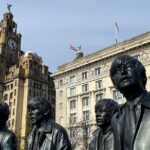
The tour starts at 11:00am at the Beatles Statue on Pier Head (Liverpool L3 1BY). Arrive a few minutes early so you can find the guide and join the group without stressing.
This stop works because it sets the tone. You get a quick chance to take a photo with the Fab Four before the walking really begins, and you also hear the plan for the rest of the morning so you know what you’re looking for.
If you’re bringing kids, note that children under 16 go free, which can make this a solid family option. The pace is manageable for a range of ages, as long as you’re comfortable with walking for about two miles.
Pier Head and the Three Graces: City Pride in Stone
Soon you’re at The Three Graces, the cluster of landmark buildings completed around the turn of the 20th century. You’ll get the story behind what you’re seeing, which matters here because these buildings can look like a postcard backdrop unless someone explains the why.
A good tour beats random wandering. With a guide, you notice details you’d likely miss on your own, like how these structures fit together and what they signaled back when they were new.
Then you’ll swing toward the Leeds and Liverpool Canal. This canal was once a kind of supply route—described here as a motorway for coal, tobacco, sugar, and cotton—so it turns the scenery into something you can picture in action.
Leeds and Liverpool Canal: Seeing Trade, Not Just Water
Canals can feel like scenery until you connect them to work. Here, the canal story gives you a mental map of how goods moved through Liverpool, and that makes the surrounding waterfront feel more purposeful.
At this stop, you won’t be stuck for long. You’ll get a quick hit of context, a couple of things to watch for, and then you’re off again, which keeps the whole tour from feeling heavy.
It’s also useful if you like architecture but don’t want a lecture. This walk balances visual stops with short explanations, so you finish with both photos and understanding.
Royal Albert Dock: Fireproof Why It Matters
Next up is Royal Albert Dock Liverpool, with a highlight that it was finished in 1846. You’ll also hear a specific angle on the dock’s design: why it was fireproof.
That’s a detail worth paying attention to because it connects engineering to real life. Docks weren’t just pretty infrastructure; they were working hubs where goods, fuel, and warehouses all had risk built in.
You get around 10 minutes here, long enough to take in the scale and absorb the point of the story. If you’re the type who likes to know what you’re looking at—why a structure exists and what it solved—you’ll enjoy this stop.
You can also read our reviews of more city tours in Liverpool





Castle Street and the Cavern Club: Two Beat-Perfect Extremes
From the dock area, you move to Castle Street. The tour frames it with a teaser: where is the castle? You’ll get the explanation while you’re there, which is exactly how a good walk should work—small mystery, then a payoff.
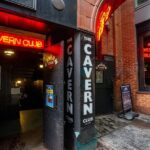
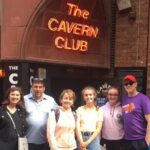
Then comes The Cavern Club, one of the most famous Beatles-linked stops in the city. You’ll get about 10 minutes here, and you’ll also get the reminder that this part is not included: admission is not included for The Cavern Club.
This matters for planning. If you want the club experience, expect to spend extra time and possibly extra money at the venue itself, depending on what’s going on that day. If you’re mainly there for the sights and the story, the brief stop still gives you the context without forcing extra commitments.
Brian Epstein Statue: The Story Behind the Momentum
Brian Epstein is one of Liverpool’s key names when you start connecting music to business. At his statue, you’ll hear the backstory, including the idea that he was once told he wouldn’t touch them with a barge pole—plus who said it and why.
This is a great example of why the small-group format helps. Even in just a few minutes, you get a chain of context that makes Liverpool’s music story feel less like a myth and more like a real timeline of decisions.
And because the group is limited to 10, you can listen closely rather than trying to catch fragments over everyone’s headphones.
St. George’s Hall: A Concert Hall and a Prison
Next is St. George’s Hall, and it comes with a fun contradiction: a concert hall and a prison. That contrast can be surprising until you learn how the building’s purpose shifted and what it tells you about how the city used big public spaces.
You’ll get about 10 minutes here. It’s just long enough to understand the headline idea and still keep the walk moving.
This stop also helps broaden the tour beyond Beatles alone. Liverpool may be famous for pop culture, but the city’s civic buildings show how it organized public life—arts, law, order, and power.
Lime Street Railway Station: Passing Through History
You’ll pass Lime Street Railway Station. You could ride from here, but on this tour you’re mainly there as a sightline and a quick story stop, with around 5 minutes allocated.
That quick pass works because it keeps you oriented to Liverpool as a working city. Stations and docks aren’t just scenery; they’re the infrastructure that shaped who arrived, who moved on, and how goods and people flowed.
If you’re planning your own day after the tour, it’s also a helpful landmark for where you are in the city.
Chinatown and Liverpool’s Big Maritime Past
Then you head to Chinatown – Liverpool, with a standout fact: it was once home of over 20,000 Chinese mariners. That’s the kind of detail that changes how you see a neighborhood, turning it from a quick snack stop into something tied to real migration and labor history.
You’ll have about 5 minutes here. It’s short, but the story is big, and it gives you an important context cue for later.
If you like to keep wandering after the tour, this is a good stop because it naturally nudges you to look for signs of history in everyday streets: names, architecture, and community spaces.
Liverpool Cathedral: A Short Interior Visit If Open
Next comes Liverpool Cathedral. The tour includes a short visit inside if it is open to the public, and the total stop is about 15 minutes.
That “if open” part is worth keeping in mind. You won’t be promised an indoor visit in every case, so the best mindset is: you’re walking in with curiosity, and you’ll get what’s available on that particular day.
Even if you only see the exterior, this stop adds a different emotional tone. The scale and setting help you feel the city’s spiritual and architectural side, not just its music and commerce.
A Case History: Luggage, Seating, and the Practical Side
You’ll also stop at A Case History, with a prompt about lost luggage or seating and what the story is behind it. This is the tour’s quirky reminder that places have practical human stories underneath the headline landmarks.
It’s about 10 minutes at this point, and it helps break up the heavier monument feeling. If you enjoy the small, local details—things that sound strange until someone explains them—you’ll like this stop.
Metropolitan Cathedral of Christ the King: Architecture With a Point
After that, you reach Metropolitan Cathedral of Christ the King Liverpool, a building described with a question: what is this and why was it designed this way. You’ll get the fuller story during a stop of about 15 minutes.
This is one of the tour’s best “use your brain” moments. If you like architecture that isn’t just decorative, you’ll appreciate learning what the design choices were trying to accomplish.
As with the other cathedral moment, you get time to look without feeling rushed. Fifteen minutes is enough for photos, context, and a calm walk-around.
Eleanor Rigby Statue: A Song That Points to a Place
The tour ends with Eleanor Rigby Statue. The framing is simple and clever: she picks up the rice in a church where a wedding has been—and then the tour asks who she is and why a song was written about her.
This stop works well if you’re a fan of how art grabs real-life ideas. Even if you don’t know the full story already, the guide’s explanation gives you the meaning behind the name and why it belongs in Liverpool’s landscape.
You’ll get about 5 minutes here, so it stays punchy. It’s a fitting finale because it ties music, place, and everyday imagery together.
Finishing on Hope Street: Keep Walking or Grab a Bite
The tour finishes at the Philharmonic Dining Rooms on Hope Street (36 Hope St, Liverpool L1 9BX). That’s a practical landing spot, because you’re right in an area with pubs and restaurants, and you can pivot into your next plan quickly.
If you want to continue exploring, Hope Street is a good base to move outward. And if you just want food, you’re already there.
Also, since the tour runs 7 days a week from 11am to 1pm, it’s easy to slot into a day even if your plans are flexible.
Price and Value: What You’re Really Paying For
At £19 per adult (shown alongside about $26.30 per person), you’re paying for guided context, not just “stand here for a photo.” Most of the stops listed along the route have admission free attached, which keeps the total day cost predictable.
The one notable exception is The Cavern Club, where admission is not included. If you want to do it fully, budget a bit extra. If not, you can still enjoy the tour’s Beatles story without feeling like you missed the main event.
What makes the value feel strong is the structure. You cover key sights—Pier Head, dock area, canals, stations, cathedrals—with short, timed breaks that prevent fatigue and keep the tour feeling efficient.
And because the group is limited to 10 travelers, the guide can actually talk to you. In a city like Liverpool, that conversation piece is often what turns sightseeing into a memorable morning.
Practical Tips Before You Go
Bring comfortable walking shoes. The route is about 2 miles, and the tour moves steadily from stop to stop.
If you’re visiting with kids, take advantage of the under-16 free policy. Just remember it’s still a walking tour, so plan snacks and water.
If you care about interior cathedral time, go with flexibility. Liverpool Cathedral includes a short interior visit only when it’s open to the public.
Finally, keep an eye on the online booking cutoff. Online booking closes at 9pm the previous day, unless there’s already a booking then it stays open until 1 hour before the tour.
Who Should Book This Tour (and Who Might Skip It)
Book this tour if you want a fast, guided way to understand Liverpool’s major landmarks—especially the Beatles thread running through the city. It’s also a good choice if you like asking questions and want a smaller group.
Skip it if you want long museum-style visits. This is about highlights and quick context, not deep ticketed time inside every major stop.
It’s also worth noting that one stop has separate admission (The Cavern Club). If you want a fully all-in experience inside that venue, factor in the extra cost.
Should You Book? My Call
I’d book it if you’re doing Liverpool for the first time or you want a tidy morning plan that connects music, industry, and architecture. The combination of small group size, short but meaningful stops, and the chance to end on Hope Street for food makes it a practical, good-value start to your visit.
And if you’re lucky enough to get Peter, you’ll likely enjoy the vibe. The guide stories shared from past tours emphasize that Peter is friendly, personable, and quick to answer questions, which is exactly what turns a highlights walk into something you’ll remember after the photos fade.
FAQ
How long is the City Highlights Walking Tour of Liverpool?
It runs for about 2 hours.
Where does the tour start?
It starts at the Beatles Statue on Pier Head, Liverpool L3 1BY, UK.
How much does the tour cost?
The tour is listed at £19 for adults and is also shown as $26.30 per person.
Is The Cavern Club included?
No. The Cavern Club stop has admission not included, so you’d need to handle that separately if you want to go in.
Are there admissions fees for the other stops?
The tour notes admission tickets are free for the other listed stops.
Does the tour include cathedrals?
Yes. It includes Liverpool Cathedral with a short visit inside if it is open, plus the Metropolitan Cathedral of Christ the King.
How far do we walk?
The distance is about 2 miles.
Is the tour offered every day?
Yes. It runs from 11am to 1pm, 7 days a week.
What if I need to cancel?
You can cancel for a full refund if you cancel up to 24 hours in advance of the experience’s start time. If you cancel less than 24 hours before, the amount paid is not refunded.