REVIEW · LONDON
Crash course in archaeology at the British Museum
Book on Viator →Bookable on Viator
Ancient artifacts, explained fast and clearly. This British Museum tour turns a huge museum into a guided story, moving through civilizations and then back to how we actually learn from artifacts.
I especially love the chronological storytelling and the way the guide links objects to the bigger question: how humans got from tools to cities. I also love the focus on major “how did we figure that out” moments like deciphering Egyptian hieroglyphs and cuneiform.
One thing to consider: this is not a see-everything tour. It focuses on select stops, and you’ll be standing for long stretches, even though breaks are built in.
In This Review
- Key takeaways before you go
- Why a British Museum archaeology crash course works in 5.5 hours
- Russell Square start: how to get there and get in with less stress
- The core experience: a timeline of humanity you can actually follow
- What you’ll see: highlights across Egypt, Mesopotamia, Greece, Rome—and beyond
- Decoding ancient writing: why hieroglyphs and cuneiform are a turning point
- Rossa’s storytelling style: small stops, big clarity
- Timing, breaks, and the standing reality (plus the fold-out chair tip)
- Price and value: what you’re really paying for
- Morning freedom: what you can do after the tour
- Who should book this, and who might want a different approach
- Should you book the Crash Course in Archaeology at the British Museum?
- FAQ
- How long is the British Museum crash course in archaeology?
- What does the tour cost?
- What time does the tour start, and where do I meet?
- Where does the tour end?
- Is the tour in English?
- Is the British Museum admission ticket included?
- Is lunch included?
- How many people are in a group?
- What if I need to cancel?
Key takeaways before you go
- One guided timeline instead of a museum maze: you’ll walk with a plan, not random wandering.
- Scripts get real: hieroglyphs and cuneiform are explained in plain terms.
- Big civilizations, quick context: Egypt, Assyria, Greece, Rome, plus Vikings and Aztecs show up in the narrative.
- Rossa-style storytelling: expect animated, artifact-by-artifact explanations rather than quick labels.
- Smart comfort tips matter: grab a folding chair early if you need one.
- Morning timing gives you options: you’re done in time for the afternoon.
Why a British Museum archaeology crash course works in 5.5 hours
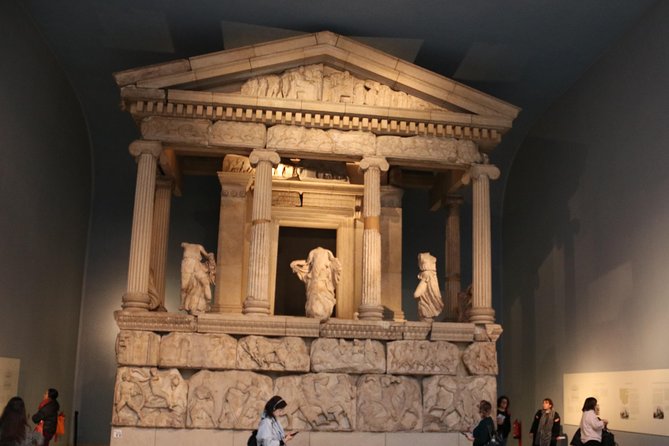
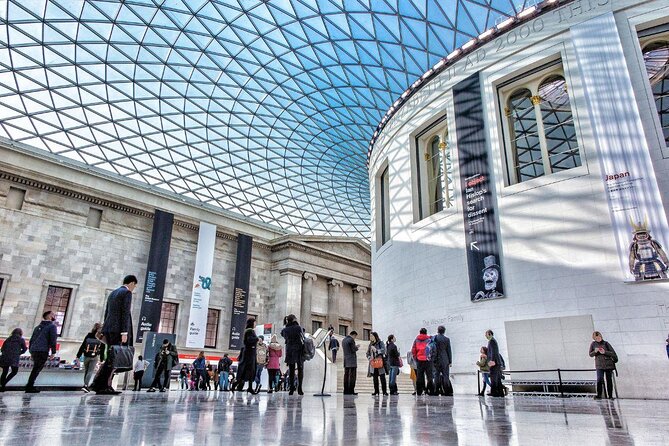
The British Museum can feel like a stack of history books you never asked to carry. This tour fixes that problem by giving you a human timeline—and then using museum objects to prove each step. You’re not just looking at things. You’re learning why those things matter, and how archaeologists and early collectors built the collection in the first place.
The other big win is pacing. The tour runs about 5 hours 30 minutes total, starting at 9:45am and finishing by late morning/early afternoon. That morning slot is ideal if you want the rest of your day for neighborhoods, parks, markets, or another museum visit—without feeling like London swallowed your whole schedule.
There’s also a nice group-size feel: a maximum of 25 people means you can actually hear the guide and keep up. It won’t feel like you’re herded through a checklist.
You can also read our reviews of more tours and experiences in London.



Russell Square start: how to get there and get in with less stress
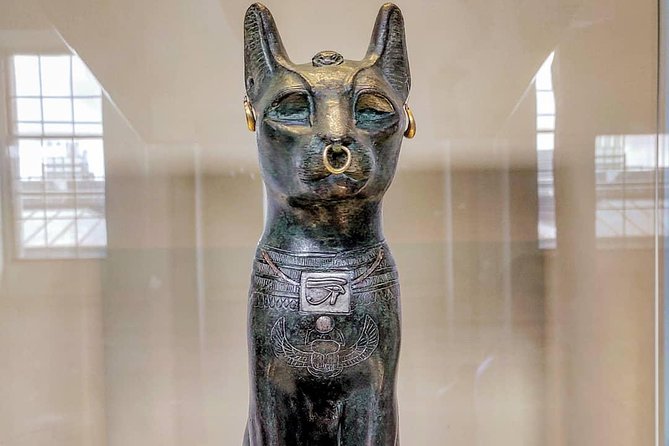
You meet at Russell Square, Bernard St (WC1N 1LJ) and then the tour ends at The British Museum, Great Russell St (WC1B 3DG). That means you can reach the start by public transit and make a clean transition into the museum.
A small but useful detail from the experience: entry can involve some waiting. The guide route tends to avoid the slowest funnel, and the tour includes short stops to regroup. If you’re the type who gets grumpy when lines eat your time, you’ll probably appreciate that the day is structured so you’re not standing around worrying.
The core experience: a timeline of humanity you can actually follow
This isn’t an Egypt-only lesson. It’s a broad archaeology and civilization timeline that connects many regions and eras.
You can expect the story to begin with early human development—tools, early people, and the shift from hunting and gathering toward more settled life. Then the narrative moves toward agriculture, villages, towns, and cities. After that, the tour links key moments to areas where the British Museum’s collections help explain how writing, trade, politics, and belief systems shaped societies.
One reason this tour feels “crash course” instead of “too much, too fast” is that each stop is used as a teachable moment. The guide doesn’t just point at a single object and move on. He frames why that object exists, who found it or collected it, and what questions it helps answer.
If you like your learning story-driven, the approach hits. The guide is known for taking the collection and turning it into a series of mini-lessons that connect to the next room.
What you’ll see: highlights across Egypt, Mesopotamia, Greece, Rome—and beyond
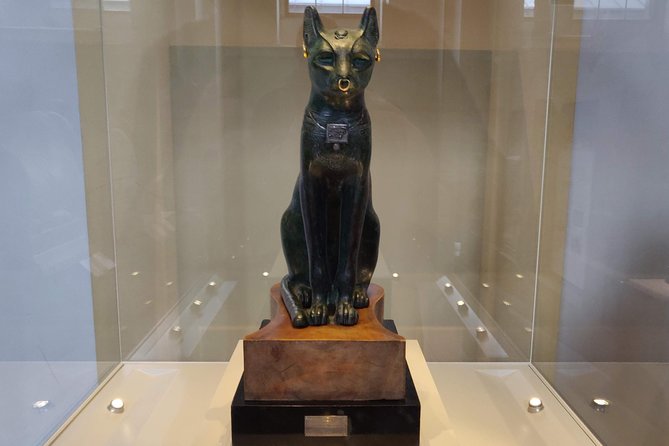
The British Museum’s claim to fame is scale. This tour answers scale with selection. You’ll visit a set of major highlights and get context you might miss if you’re trying to read labels at full speed.
Here are the kinds of objects and themes you should expect to hear about:
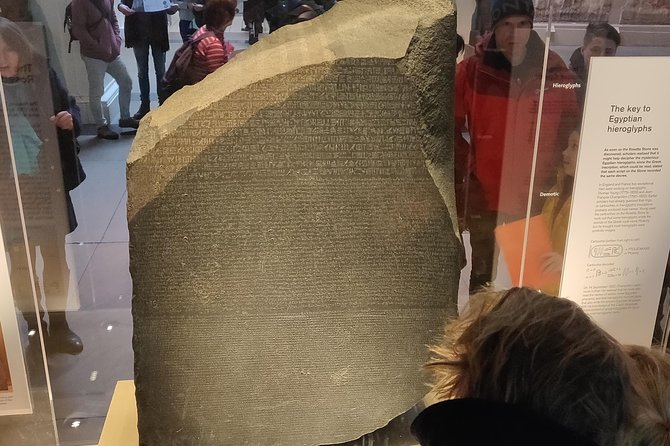
- Egypt-centered moments, including the Rosetta Stone and discussion of how hieroglyphs were deciphered
- Assyrian and Mesopotamian material linked to writing and early states, including explanations tied to cuneiform
- Greek and Roman pieces that show how art, empire, and power travel together
- Named classics like the Elgin Marbles and the Lewis Chessmen
- Additional stops tied to archaeology research and interpretation, with references such as Jericho and the museum’s broader approach to evidence
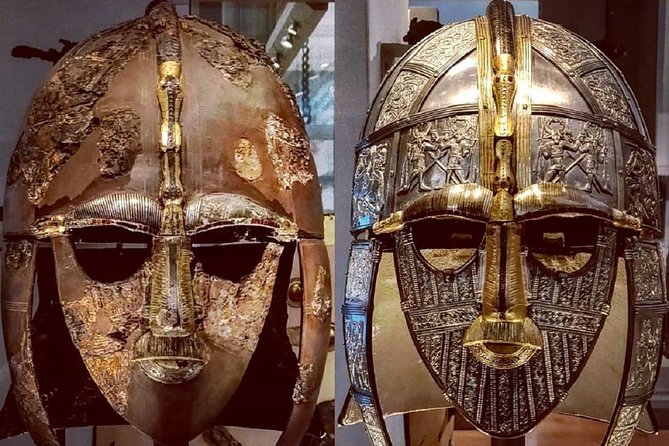
- The story reaches beyond the ancient Mediterranean, including references to Vikings and Aztecs
You’ll also hear about the human side of collecting: archaeologists, relic-hunters, and explorers who helped build up what we see today. That matters because the history of the collection is part of the history of archaeology itself. When you understand that, the objects stop feeling like random trophies and start feeling like data points in a long research story.
Decoding ancient writing: why hieroglyphs and cuneiform are a turning point
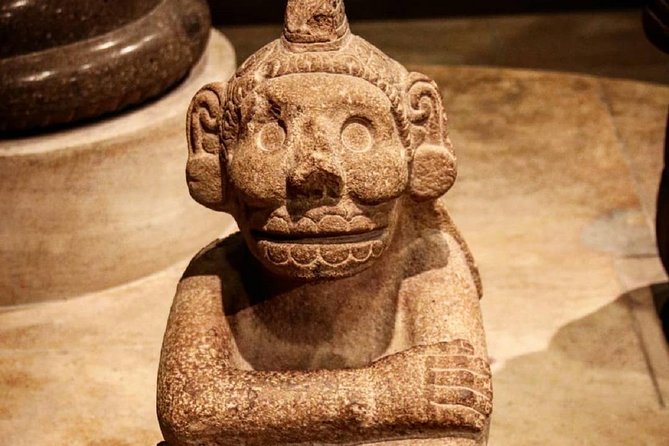
One of the strongest sections is the discussion of scripts. The museum has world-famous writing-related material, but the tour makes it understandable: writing wasn’t just a neat skill. It changed what societies could record, remember, and organize.
You’ll hear how Egyptian hieroglyphs were deciphered and why that was a breakthrough, not a trivia fact. You’ll also get the logic behind how cuneiform was decoded and what made it possible for scholars to connect marks to language.
This kind of explanation is valuable because it gives you a mental model. After you hear it, you’ll start noticing writing patterns across different cultures instead of treating every inscription as a locked box.






Rossa’s storytelling style: small stops, big clarity
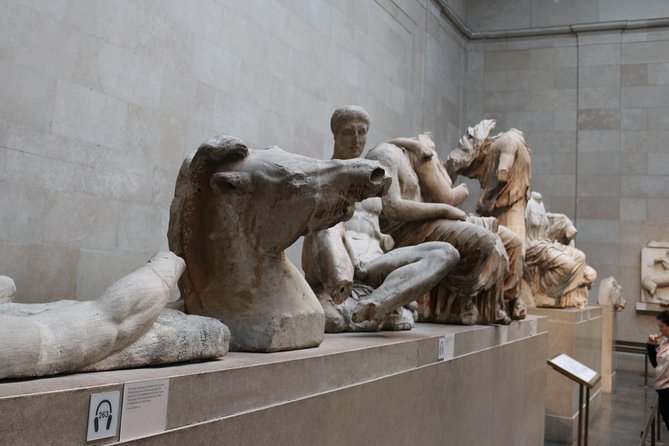
A big reason this tour gets such high marks is the delivery. The guide associated with the experience, Rossa, is known for being passionate and for explaining artifacts in a way that feels alive, not robotic.
Instead of a quick scan of many items, the pacing favors more depth on fewer stops. That’s the difference between reading museum captions and understanding what you’re looking at.
Another detail I think you’ll appreciate: the guide tends to point out what people commonly miss. You’ll leave with the sense that you saw a guided path through the museum’s “loudest” objects—and also some quieter ones with real significance.
Timing, breaks, and the standing reality (plus the fold-out chair tip)
This is the part to plan for. Even with breaks, you’ll spend a lot of time on your feet. In the experience, people talk about standing for long stretches and needing breaks to reset.
The museum setup doesn’t mean you must suffer. One practical pro-tip: the British Museum has folding chairs, and the guide’s route can involve a moment where someone finds one early. If you know standing long distances is tough for you, arrive ready to grab one of those chairs right away.
Also, lunch isn’t included. The tour has a lunch break, but you’ll need to handle food yourself. Based on what’s been shared, the museum can have limited and pricey options, so bringing your own food can be a smart move. If you do, just remember to pack in a way that works with walking and crowd flow.
Price and value: what you’re really paying for
At about $83.34 per person, you’re not paying for the British Museum entry ticket. The experience includes admission ticket access, and the value comes from the archaeologist guide time plus the structured route and interpretation.
That distinction matters. If you’re the type who can self-navigate a museum, the ticket cost is only part of the equation. Here, you’re paying for context: what to notice, how to connect objects across time, and how to understand the archaeology behind the artifacts.
Is it “worth it”? If you want to spend time learning instead of just collecting photos, yes. People who are excited by how discoveries happen—and how scholars read ancient evidence—tend to feel the price matches what they get.
If your goal is to check off every major gallery on your own, this may feel too focused. Think of it as a guided education that uses the museum’s greatest hits as proof points.
Morning freedom: what you can do after the tour
Because this runs in the morning and returns you to the museum area by early afternoon, you can build an easy second plan:
- Another nearby museum visit
- A walk through central London sights
- A long lunch break elsewhere (especially since lunch isn’t included here)
This is a real scheduling advantage. You don’t lose the whole day to the museum. You get the best kind of museum prep too—you’ll have a sense of how the British Museum’s story pieces fit together, which can make a later self-guided wander more enjoyable.
Who should book this, and who might want a different approach
This tour is a great fit if you want:
- A guided timeline through many civilizations, not a single subject
- Better context for major objects like Rosetta Stone, Elgin Marbles, and Lewis Chessmen
- Explanations of how scripts were deciphered and why that changed history
- A story-driven guide experience led by an archaeologist, with Rossa’s style being a big part of the draw
You might want a different option if:
- Your main goal is to see absolutely everything in the museum
- You can’t handle long standing periods, even with breaks
If you’re not sure, use this simple test: do you enjoy learning how we know what we know? If yes, you’re likely to have a strong match.
Should you book the Crash Course in Archaeology at the British Museum?
I’d book it if you want your British Museum day to feel like a lesson you can remember, not a task list you forget. The combination of a qualified archaeologist guide, a focused route through major highlights, and clear explanations of deciphering and archaeology methods is a strong value play—especially for a first London visit where time matters.
It’s also a smart pick if you’re traveling in the morning and want your afternoon back. Bring patience for standing, grab a chair early if you need one, and plan your own lunch.
If you want to leave the museum with names, timelines, and the logic behind ancient evidence, this tour is a solid choice.
FAQ
How long is the British Museum crash course in archaeology?
It runs for about 5 hours 30 minutes (approximately).
What does the tour cost?
The price is $83.34 per person.
What time does the tour start, and where do I meet?
The start time is 9:45am. You meet at Russell Square, Bernard St, London WC1N 1LJ.
Where does the tour end?
The tour ends at The British Museum, Great Russell St, London WC1B 3DG.
Is the tour in English?
Yes, the tour is offered in English.
Is the British Museum admission ticket included?
Yes. The museum admission ticket is free as part of the experience.
Is lunch included?
No. Lunch is not included.
How many people are in a group?
The tour has a maximum of 25 travelers.
What if I need to cancel?
You can cancel for a full refund if you cancel at least 24 hours before the experience start time. If the experience is canceled because a minimum number of travelers isn’t met, you’ll be offered a different date or a full refund.