REVIEW · LONDON
Great Artists : Impressionists, Monet & Private Art Studios
Book on Viator →Operated by Pigeon Tours · Bookable on Viator
Art and streets at the same time. This private London tour links the Impressionists to real places you can stand in front of, then carries that story into the National Gallery. You’ll spend about three hours with a professional artist guide in English, using short stops along the Thames and a final museum visit to connect paintings to viewpoint, mood, and history.
I especially like two things about this experience. First, it feels genuinely personal, like exploring with a friend who speaks the language of art. Second, the stories land because you’re walking to landmarks tied to Monet and Turner, and then seeing the result in the gallery. One possible drawback: this tour is priced at a premium, and at least one major site (St. Paul’s Cathedral) has admission not included, so you may want to plan for a ticket there.
In This Review
- Key points to know before you go
- Starting at Southbank Centre: a private walk with an art map
- St. Paul’s Cathedral: where London’s big sky meets Impressionist backstory
- Westminster Bridge to the St Thomas Hospital viewpoint: the Thames as a painting timeline
- Victoria Embankment: the Franco-Prussian War angle that explains the art
- The Savoy Hotel stop: Monet, rumors, and the Monet Suite question
- National Gallery finale: Sisley and Pissarro after the river walk
- Price and value at $929.40 per person: who this makes sense for
- The walking rhythm and comfort checklist you should take seriously
- Who should book this Monet and Impressionists tour
- Should you book Great Artists: Impressionists, Monet & Private Art Studios?
- FAQ
- How long is the tour?
- Is this a private tour?
- Where does the tour start and end?
- What sites do we visit?
- Is the tour in English?
- Are admissions included?
- What kind of physical fitness is required?
Key points to know before you go
- Private guide, real conversation pace: You can ask broader London questions too, not just art.
- Thames-focused Impressionist storytelling: Outdoor stops are built around how the river shaped what artists painted.
- Monet and Turner, side-by-side: You’ll connect them through fires, viewpoints, and London landmarks.
- Savoy Hotel stop adds a fun rumor twist: The Monet Suite question becomes part of the narrative.
- National Gallery capstone: You’ll finish with Impressionists who fled war, including Sisley and Pissarro.
- Short but structured timing: About three hours total, with multiple 15-minute stops plus one full hour inside.
Starting at Southbank Centre: a private walk with an art map
The tour meets at Southbank Centre (South Bank, SE1). That’s a smart starting point because it puts you right where London’s art story starts to feel physical: river views, big landmark scale, and easy paths for walking. Since it’s private, you’re not stuck behind a crowd. Your guide can set the pace, pause when something catches your eye, and keep the focus on what you want to understand.
You’ll be with a professional artist guide for the whole experience, and the tour is offered in English. The mobile ticket is handy, too, if you like keeping things simple on your phone. Also, the route is listed with a moderate physical fitness level—expect a comfortable walking rhythm and the normal city stop-and-go.
What makes this setup valuable is that you’re not doing the gallery first and then hoping the streets make sense later. The guide’s framing starts outside, so the museum visit at the end hits harder. You go in knowing what to look for.
You can also read our reviews of more private tours in London
St. Paul’s Cathedral: where London’s big sky meets Impressionist backstory
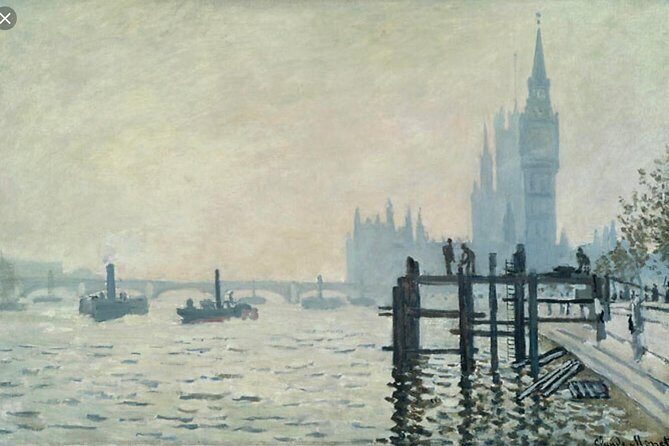
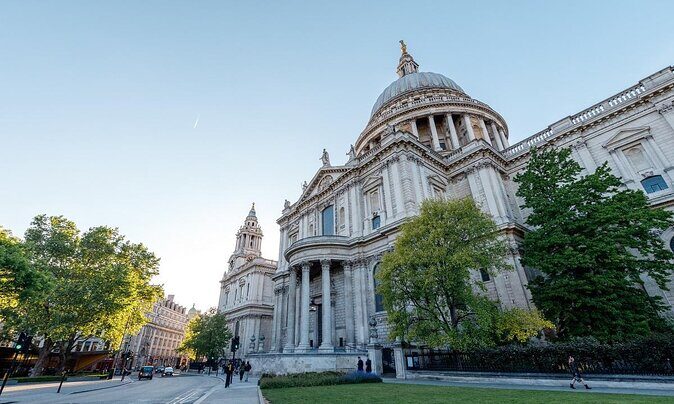
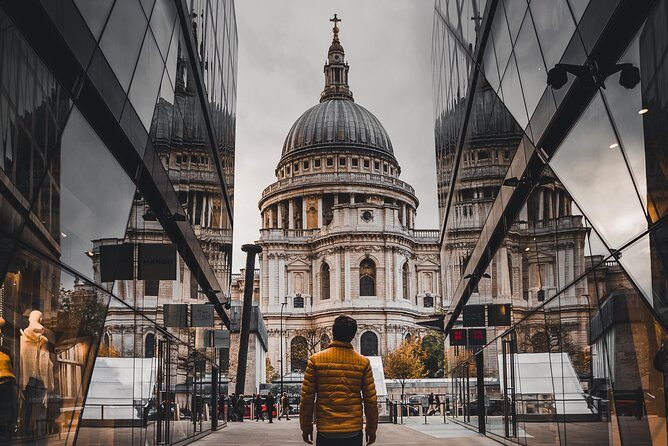
Your first stop is St. Paul’s Cathedral. You’ll start by meeting your guide in the South Bank area, then head into this landmark zone for about 15 minutes. The tour here is less about a deep dive and more about planting the setting: London’s scale, its drama, and the kinds of views that show up in artists’ thinking.
A practical note: admission ticket is not included for this stop. So if you plan to go inside (rather than just admire from near the cathedral), budget for entry. Either way, it’s a good “tone setter” stop. The cathedral’s presence helps you understand why so many artists and writers were drawn to London’s monumental architecture, even when their styles weren’t traditional.
The guide also ties this area to the idea of following in the footsteps of Claude Monet and J.M.W. Turner. That connection matters because it trains your eyes. Instead of treating the city like a backdrop, you start treating it like part of the artwork.
Westminster Bridge to the St Thomas Hospital viewpoint: the Thames as a painting timeline
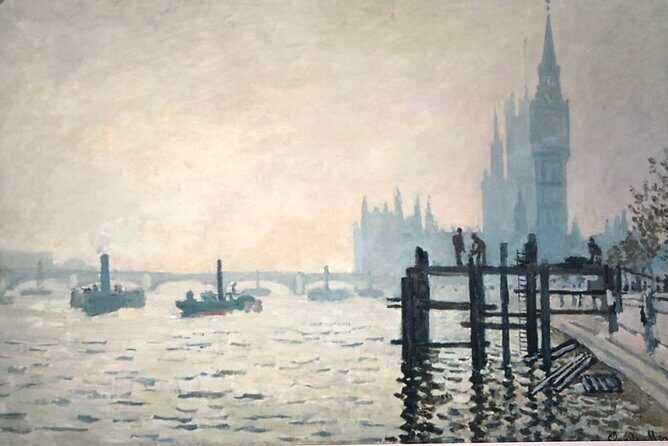
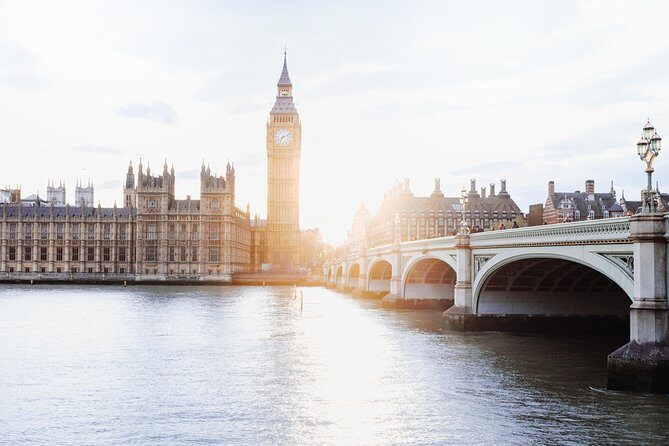
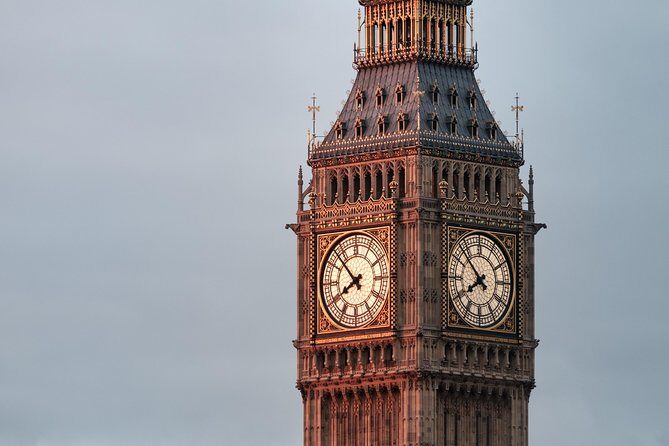
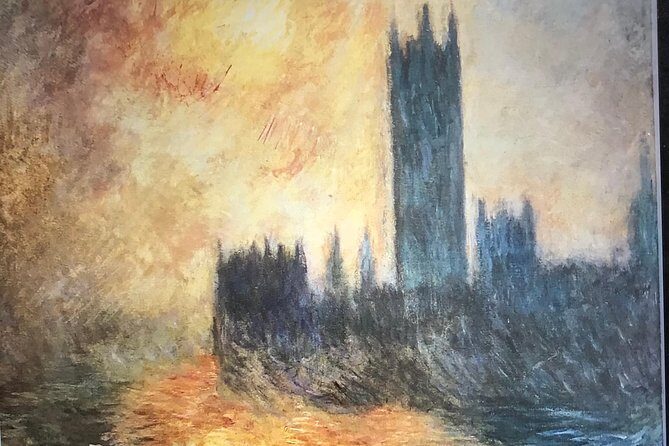
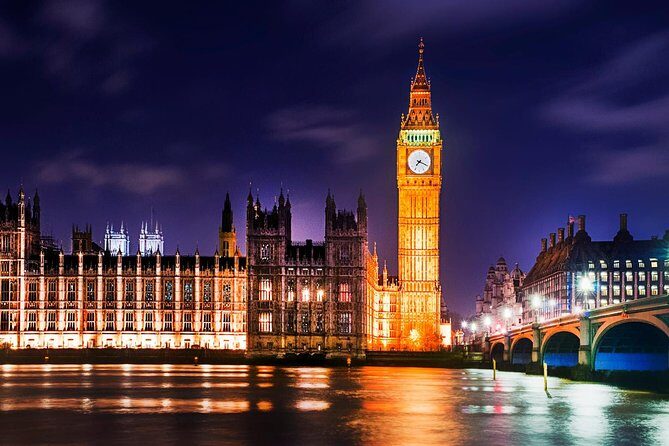
Next comes Westminster Bridge, where you’ll spend around 15 minutes. This is where the tour shifts from landmark atmosphere into more direct art geography. You’ll be escorted to a spot tied to a major Turner work connected to the fire that destroyed the Houses of Parliament. The story also includes a mystery that has only recently been solved, which is the kind of art-history detail that makes the subject feel alive rather than dusty.
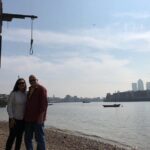
From there, the walk continues along the Thames Path, heading toward the St Thomas Hospital viewpoint. The point isn’t to sprint between photo spots. It’s to retrace steps in a way that matches how Monet’s London scenes relate to river direction, light, and distance. The guide points out how you can connect what you see along the river with the kinds of views that show up in Monet paintings.
This section is one of the strongest “why this works” parts of the tour. The Thames is wide and changeable. Stand in one place, look across, then move a few minutes and look again. You start to understand why Impressionist artists cared so much about atmosphere—because the scene shifts.
Also, at this stop admission ticket is included, so you don’t have to keep stopping to figure out what is and isn’t covered.
Victoria Embankment: the Franco-Prussian War angle that explains the art
Your third stop is Victoria Embankment for another brief 15-minute segment. Here the tour leans into the human side of Impressionism in London: why the French painters left Paris, and how the Franco-Prussian War pushed them toward refuge. That context matters. Without it, the London Impressionist story can sound like a neat coincidence. With it, you see it as survival, adaptation, and new subject matter.
You’ll also hear about Monet’s stay at the Savoy Hotel as part of this broader London narrative. The guide ties these elements together so the paintings don’t feel like isolated museum objects. They connect to where artists lived, where they walked, and what daily life in London offered when Paris was disrupted.
This stop is also where the tour’s pacing stays friendly. It’s not a nonstop lecture. It’s short, focused story delivery with a clear reason for each location: each one supports the next.
The Savoy Hotel stop: Monet, rumors, and the Monet Suite question
Then you’ll head to The Savoy for about 15 minutes. This is one of those stops that sounds like a trivia detour until the guide brings it back to art history. You’ll hear the story around Monet’s stay at the Savoy Hotel and specifically whether he actually resided in something called the Monet Suite.
The value here is tone. It breaks up the bigger landmark mood with a more personal, almost investigative feel. Hotels can seem like background detail in art stories, but they often turn out to be where artists could focus, meet people, and keep working while in exile or in transition. In other words, it’s not just romance or legend. It’s context for how the work got made.
Practically, this stop notes admission ticket is free, so you’re mostly there for the story and the surrounding setting.





National Gallery finale: Sisley and Pissarro after the river walk
You end at the National Gallery at Trafalgar Square for about one hour. Admission is listed as included here, which is great because it protects your time at the end. You don’t have to split your energy between ticket confusion and art looking.
This is where the tour becomes a real “close the loop” moment. The guide helps you transition from outdoors to inside by showing how the London sightings connect to the paintings you’ll see on the walls. You’ll look at works by Impressionists who fled the war, including Alfred Sisley and Camille Pissarro.
There’s also a mention of a lesser-known Animalier whose work changed London’s cityscape. The point isn’t that you need to memorize a name on the spot. It’s that you leave with a reminder that artists don’t work in only one lane. Styles and subjects can cross between art forms and between city life and museum life.
One practical consideration: an hour in the National Gallery goes quickly, especially if you like lingering. If you have strong museum energy, focus on what the guide points out first, then use the rest of the hour to compare tones and brushwork. You’ll get more out of it if you treat this as a targeted look, not a completion mission.
Price and value at $929.40 per person: who this makes sense for
At $929.40 per person for a private, ~3-hour experience, this is not a budget tour. So you should ask yourself a simple question: do you want a personalized art guide more than you want a longer, cheaper itinerary?
I think the value lands best if:
- You’re traveling with one or two people and want the conversation to stay on you.
- You love art stories but don’t want to spend hours reading wall text alone.
- You want Monet and Turner understood through places you can physically connect to the paintings.
The tour’s biggest “value lever” isn’t just the artist guide. It’s the structure: outdoors to set viewpoint and mood, then the National Gallery to anchor it in real works. If you’re the type who likes to understand how art grew out of a specific street scene, this route can feel worth every penny.
The cost consideration is real, though. Because the time is limited, you won’t get the slow, museum-only experience some people prefer. Also, since St. Paul’s Cathedral admission is not included, you may have extra costs there if you want to go in.
The walking rhythm and comfort checklist you should take seriously
This tour is designed for walking, but it’s not described as a grueling route. Still, you’ll be moving through central London and spending time at several locations. I recommend comfortable shoes because the Thames Path portion is the kind of walk where you’ll want to stop, look, and step again.
Also, keep in mind that weather can change how much you enjoy river viewing. If it’s windy or rainy, the views still matter, but your comfort will depend on layers and footwear.
The good news: because it’s private, your guide can adjust the pace to match your group, as long as you keep within the tour’s overall timing.
Who should book this Monet and Impressionists tour
This is a great fit if you fall into one of these buckets:
- You want Impressionist history tied to exact London locations rather than vague museum talk.
- You like a guide who can answer not just art questions, but also general city questions.
- You’re curious about Turner’s dramatic themes and the Monet story of London refuge.
It may be less ideal if you prefer a long museum day, or if you only want gallery time and hate walking between stops. It’s also not the best choice if you’re trying to do London on a strict budget.
That said, one of the nice surprises is that this kind of tour can work even when you do not consider yourself a classic-art person. The stories and the city viewpoints do a lot of the heavy lifting.
Should you book Great Artists: Impressionists, Monet & Private Art Studios?
If you want London to make sense through the eyes of Monet and Turner, I’d book it. The experience is short, guided, and built to connect paintings to real streets, river angles, and artist life events—like why the Franco-Prussian War sent painters toward refuge, and how that showed up in the work you’ll see at the National Gallery.
I’d hold off if you’re price sensitive, you don’t plan to enter St. Paul’s (since admission isn’t included), or you’d rather spend a half-day in one museum instead of splitting time between landmarks and galleries.
If you’re the type who likes walking with a plan, this one’s strong. And if your goal is a personal, story-led introduction to London’s Impressionist thread, you’ll probably come away seeing the city differently.
FAQ
How long is the tour?
It lasts about 3 hours.
Is this a private tour?
Yes. It’s private, and only your group participates.
Where does the tour start and end?
It starts at Southbank Centre (London SE1) and ends at the National Gallery, Trafalgar Square area (London WC2N 5DN).
What sites do we visit?
You’ll stop at St. Paul’s Cathedral, Westminster Bridge, Victoria Embankment, The Savoy, and the National Gallery.
Is the tour in English?
Yes, it’s offered in English.
Are admissions included?
St. Paul’s Cathedral admission is not included. Westminster Bridge, Victoria Embankment, and the National Gallery include admission. The Savoy stop is free.
What kind of physical fitness is required?
The tour is listed for moderate physical fitness, since it includes walking between nearby central locations.