REVIEW · LIVERPOOL
Half Day Welcome to Liverpool Walking Tour
Book on Viator →Operated by LiverpoolGO · Bookable on Viator
Liverpool feels different with a local guide.
This half-day welcome walk strings together cathedrals, Beatles landmarks, and big dock views in one easy rhythm, so you get your bearings fast. I especially like the small group setup (max 12) because you can ask questions and get personal attention, and the guide style—often highlighted for tailoring the route and making stories land. One consideration: the pace is still a proper walk, so come with moderate fitness and comfortable shoes.
What makes it work for real trips is how the tour stitches history to today. You start at the Oratory near Cathedral Gate, then finish at Thomas Steers Way in the Liverpool 1 complex, with lots of short photo breaks along the way. And it’s run with a mobile ticket, offered in English, with a schedule that includes morning or afternoon options.
In This Review
- Key highlights to look forward to
- A half-day intro that hits Liverpool’s big story arcs
- Starting at the Oratory and ending at Liverpool 1
- Hope Street: cathedrals, a cemetery pause, and the Beatles-area pulse
- Rodney Street: film-famous streets and the pyramid tomb
- St Luke’s Bombed Out Church: memorial ground with WWI and famine references
- Bold Street to Mathew Street: shopping streets, brass cross clues, and Beatles roots
- Dale Street and Castle Street: old pubs, pro-cathedral footprints, and civil war excavation stories
- James Street to the Pier Head: White Star links, Titanic ownership, and the waterfront big hitters
- Albert Dock and Thomas Steers Way: war-in-the-warehouse, Tate area time, and the tidal dock finale
- Price and value: what you get for $38.45 and where it really pays off
- Who should book this walking tour
- Should you book the Half Day Welcome to Liverpool Walking Tour?
- FAQ
- How long is the half-day welcome to Liverpool walking tour?
- Where does the tour start and end?
- How many people are in the group?
- Is the tour in English and do I get a mobile ticket?
- Are there admission fees for the stops?
- Do I need to bring snacks?
- What if the weather is poor or I need to cancel?
Key highlights to look forward to
- Hope Street cathedral views and a quick St James Cemetery history pause
- Rodney Street film street vibes plus Liverpool’s pyramid tomb
- St Luke’s Bombed Out Church memorials, including the WWI Christmas ceasefire
- Bold Street to Mathew Street: brass cross footprint sites and Beatles stops like the Cavern Club
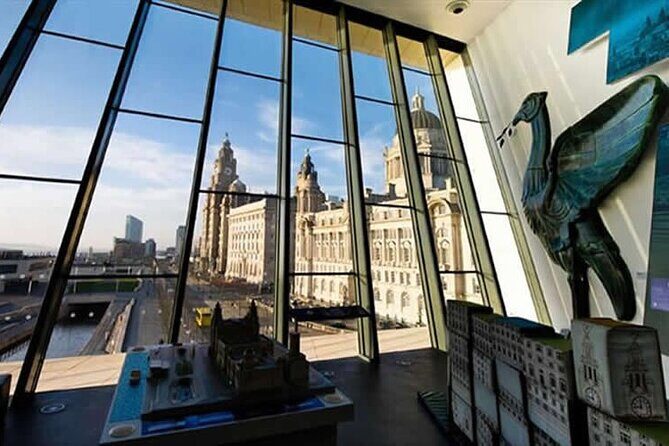
- Pier Head architecture time: Liver Buildings and Cunard Buildings photo moments
- Albert Dock orientation plus a full-circle finish at the world’s first tidal dock
A half-day intro that hits Liverpool’s big story arcs
If you’re new to Liverpool, you need two things: landmarks that make sense on a map, and context that makes those landmarks feel real. This tour gives you both. In about two hours, you’ll walk through the city’s major “eras” in a logical sweep—from churches and Georgian streets to maritime power and the modern shopping hub.
The value here is not just that you see famous spots. It’s how often the guide links the buildings to real people and events: the street corners where major figures moved, the memorial ground that still carries WWI and famine remembrance, and the waterfront structures tied to shipping and war. That’s why the tour keeps getting top marks for being fun, organized, and easy to follow.
One more practical win: most stops are marked as free to visit (no admission ticket needed). That means your money goes to the guide and your time, not to paying entry fees at multiple points.
You can also read our reviews of more walking tours in Liverpool


Starting at the Oratory and ending at Liverpool 1
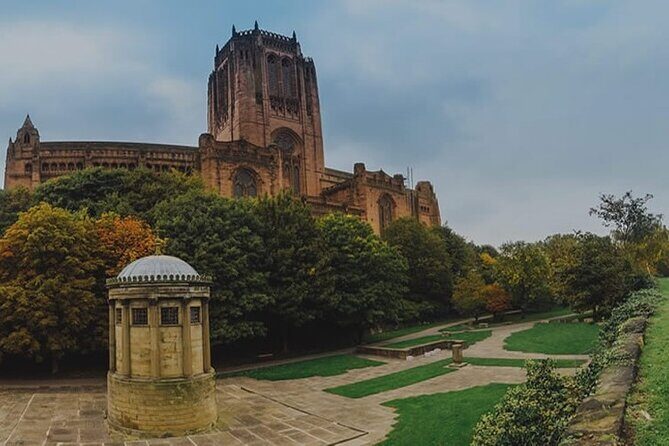
Your starting point is the Oratory at Upper Duke St, near Cathedral Gate in Liverpool L1 7AZ. Ending point is Thomas Steers Way, inside the Liverpool 1 shopping complex, which sits right in the city centre.
That start-to-finish design matters. Early on, you’re placed near iconic church architecture, so you can orient yourself toward the city’s centre. Later, the route pushes you toward the docks, then hands you back to a transport-friendly, contemporary area near shops and services. In other words: you’re not walking into the middle of nowhere and then calling a cab.
Because it’s a maximum of 12 people, the guide can keep the group moving and adjust pace when needed. In feedback, the guide approach is often praised as accommodating, including route adjustments for different abilities. If you want an intro tour that doesn’t feel rushed or mechanical, this small-group format is a big reason to consider booking.
Hope Street: cathedrals, a cemetery pause, and the Beatles-area pulse
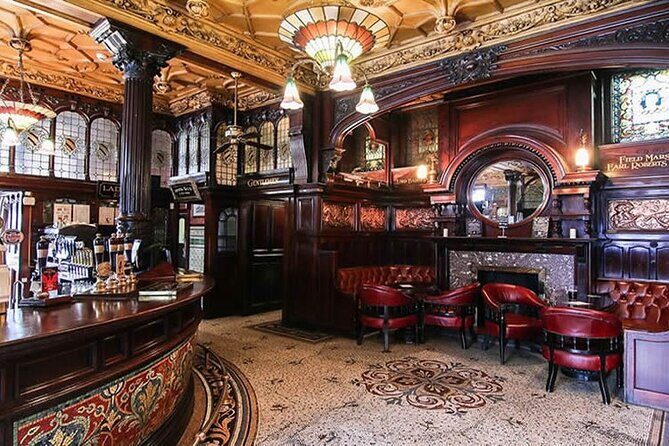
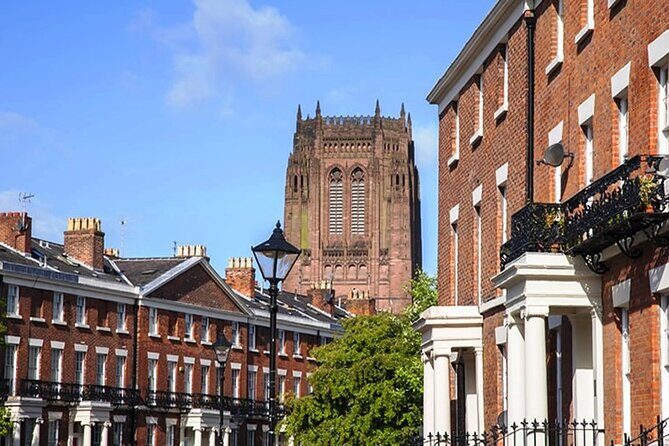
Stop 1 is Hope Street, a street locals love because it sits at the meeting point of old Liverpool and pop-culture mythmaking. From the street you can view both of Liverpool’s famous cathedrals at each end of Hope Street. That’s the kind of “quick payoff” sight that instantly gives you orientation, even before the story deepens.
You also get a brief look at St James’s Cemetery. It’s one of those stops where even a short pause can pay off, because you’ll hear the history while you stand on the ground rather than just reading about it. Then you stroll along Hope Street learning about residents of the past—with plenty of photo opportunities. One of the more memorable details you’ll hear is a mystery-like story about which house used a cellar connected to grave robbers. That’s the sort of local oddity that makes ordinary streets feel personal.
Hope Street also connects you to early Beatles history. You’ll see the Philharmonic Pub, known for the Beatles playing there in their early days, and you’ll hear about Paul and George’s old school. If you’re a fan, this is where the story feels less like a souvenir tour and more like real geography.
Why this stop is worth it: it sets the tone. Churches, class, and street life show up immediately.
Possible drawback: Hope Street is full of viewpoints and photo angles, so it can tempt you to linger—try to stay with the group to keep the full arc of the tour.
Rodney Street: film-famous streets and the pyramid tomb
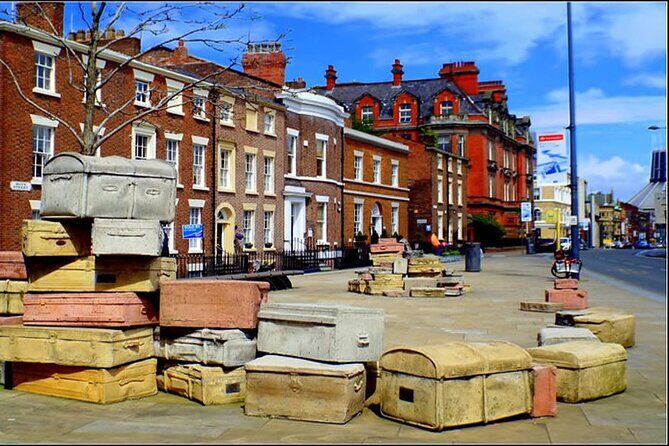
Stop 2 is Rodney Street, a short jump back in time. This is the street used in productions like Peaky Blinders and Sherlock Holmes, and it still has that look where Georgian and Victorian buildings feel readable. It’s also described as one of the few streets where residents from the Georgian/Victorian period would recognize the area today.
Then the tour points you to Liverpool’s pyramid tomb. Even if you only spend about 10 minutes here, it’s the kind of stop that sticks because it’s unusual and visual. One minute you’re thinking about filming locations, and the next you’re looking at a tomb feature that feels like it belongs in a mystery novel.
Why this stop is worth it: it adds variety without breaking the rhythm of the tour.
Possible drawback: it’s short, so if you love lingering over architecture details, you might want extra time before or after the tour.
St Luke’s Bombed Out Church: memorial ground with WWI and famine references
Stop 3 takes you toward Liverpool city centre along Hardman Street, passing St Luke’s Church—locally known as the bombed out church. The building suffered extensive damage during the Second World War and remains as a monument for the people of Liverpool who lost their lives during the conflict.
What makes this stop more than a quick landmark is what’s inside the church grounds. You’ll hear about monuments tied to the WWI Christmas ceasefire and also the Irish famine. Even with a short 10-minute stop, it’s the kind of place where the guide’s context can change how you see the city—because the history isn’t abstract. It’s fixed in stone and memorial design.
Why this stop is worth it: it adds depth and human scale to the city overview.
Possible drawback: if you prefer only light, pop-culture stops, this is the emotional pivot point of the walk.





Bold Street to Mathew Street: shopping streets, brass cross clues, and Beatles roots
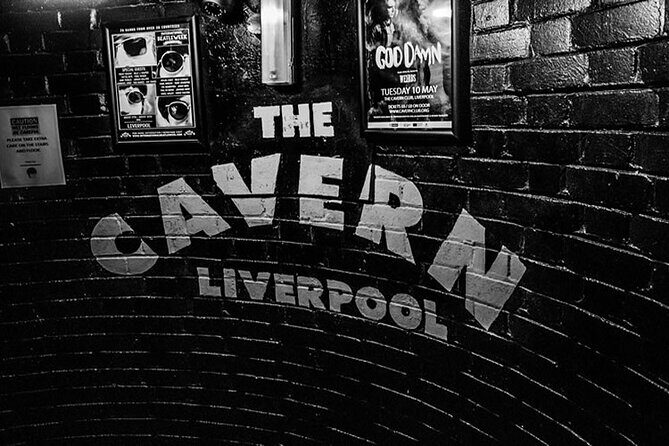
Stop 4 is Bold Street, one of Liverpool’s main shopping and café/bistro areas. The tour route leads you through Church Street as well, where you’ll spot a brass cross inlaid into the pavement. That marks the site of St Peter’s Church, built in 1700 and once Liverpool’s Pro-cathedral until 1926.
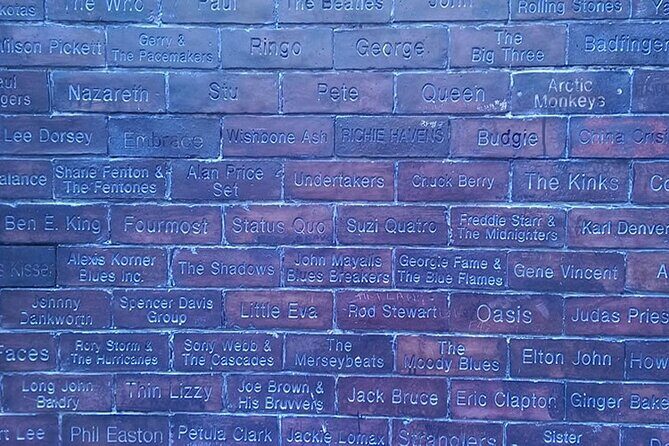
As you continue toward Mathew Street, the tour connects the geography to music history. You’ll be able to see where Brian Epstein had his music shop and office before heading toward the famous Mathew Street area. If Beatles stories are your main reason for visiting, this section is the bridge from “place” to “people.”
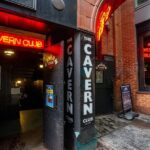
Stop 5 is Mathew Street, where it all started in the Beatles story. You’ll pass the Cavern Club. You’ll also have a chance to photograph the Eleanor Rigby Statue, and you can browse for a souvenir if you want one.
Why this whole stretch works: it pairs famous names with street-level cues you can point to later when you’re back at your hotel.
Possible drawback: this area is tourist-heavy by nature. Your guide’s pacing helps, but you may still feel the crowd around the Cavern Club zone.
Dale Street and Castle Street: old pubs, pro-cathedral footprints, and civil war excavation stories
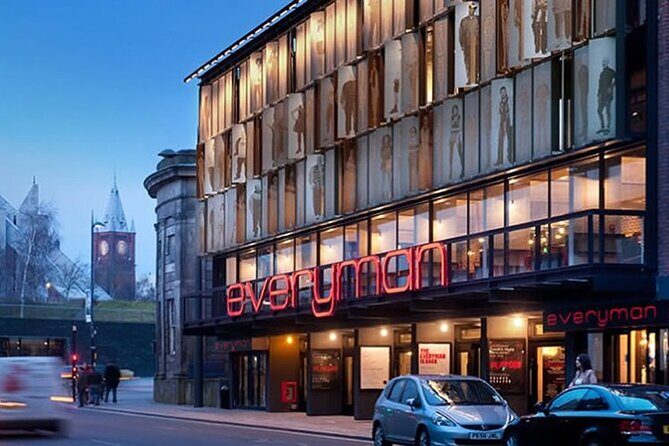
Stop 6 is Dale Street. The key highlight is the oldest public house in Liverpool, built in 1726. The tour gives you time to see it and even grab a drink if the mood strikes. Then you move on toward the Georgian Town Hall, described as one of Liverpool’s finest buildings, built in 1754. Even if you only get about 10 minutes, this stop is a solid “civic power” moment—Liverpool showing off what it built when it had momentum.
Stop 7 is Castle Street. Here the tour takes you to the site where Liverpool Castle once stood, now occupied by the Victoria Monument in honour of Queen Victoria. You’ll also learn about the siege of Liverpool during the English Civil War, and what was found when excavating to build the Law Courts that now sit partly on the castle site.
This combination is a good example of why walking tours beat museum tours for quick orientation. You’re seeing layers: monarchy memorials on top of castle history on top of civil war narratives. It’s like reading multiple chapters without changing locations.
Why this section is worth it: it links civic buildings to older, messier events.
Possible drawback: the stop durations are brief, so keep expectations realistic. You’re gathering context, not doing a full deep-study.
James Street to the Pier Head: White Star links, Titanic ownership, and the waterfront big hitters
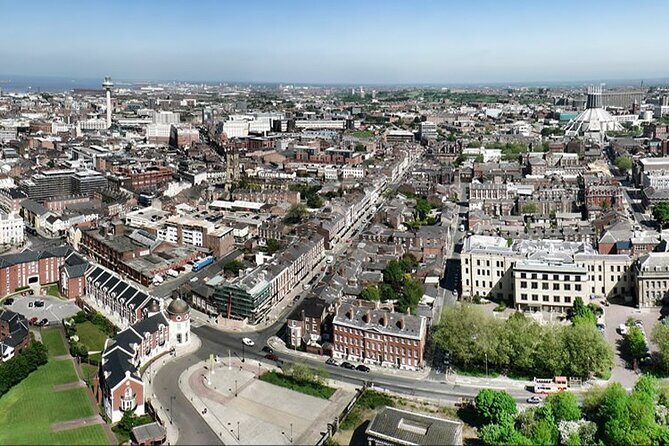
Stop 8 brings you down James Street and includes maritime history breadcrumbs. You’ll pass the offices of the White Star Line and owners associated with the Titanic. Even if maritime shipping sounds like a textbook topic, the guide’s job is to make it feel like part of Liverpool’s everyday story—what companies did, how the city connected to them, and why the architecture became so bold.
Then you reach the Pier Head, where the tour focuses on the famous set of waterfront buildings: the Liver Buildings, the Cunard Buildings, and the Port of Liverpool building. You’ll stop briefly to hear the history behind these architectural pieces before moving past the Museum of Liverpool toward Albert Dock.
Why this section is worth it: the Pier Head is a “you can’t miss it” skyline that makes Liverpool feel like a port city instantly.
Possible drawback: waterfront weather can change quickly, and your tour time depends on good conditions. Bring a light layer if you’re walking in shoulder seasons.
Albert Dock and Thomas Steers Way: war-in-the-warehouse, Tate area time, and the tidal dock finale
Stop 9 is Albert Dock, and it’s where the city’s industrial story becomes a visitor experience. The dock is made of Victorian warehouses and once served as a secret navy base in the North Atlantic war effort. Today it’s a major tourist hub with the Tate Gallery, plus shops, restaurants, bars, and cafés.
You’ll get time here to orient yourself and take photographs before moving to the final location. Think of this as your buffer zone. It’s not just another quick stop. It’s the moment where you can breathe, locate yourself, and decide what you’d like to do next on your own.
Stop 10 ends at Thomas Steers Way, which ties you back to the start of Liverpool’s dock story. This is the site of the world’s first tidal dock built in 1715. Then you finish at Liverpool 1, which is the more modern face of the city.
Why this ending is satisfying: you close the loop. The waterfront story doesn’t just start and stop; it connects past infrastructure to what’s here now.
Possible drawback: if you want a long sit-down meal at the end, plan for it. The tour gives time to reset, but the walk is still only half-day.
Price and value: what you get for $38.45 and where it really pays off
At $38.45 per person for around two hours with a professional guide, this tour isn’t just a casual stroll. You’re paying for expert direction through a tight route packed with landmarks that otherwise take effort to sequence yourself.
Here’s the practical value breakdown:
- Professional guide time across multiple neighbourhoods. That saves you from figuring out what to see first and how to connect it.
- Short “context stops” at major story points. You get quick mental anchors: cathedrals on Hope Street, memorial significance at St Luke’s, Beatles geography around Mathew Street, maritime icons at the Pier Head.
- Free admission at the tour stops listed. So you’re not paying entry fees at each point the way you might on museum-heavy tours.
- Small group size (max 12). That matters because you’re not competing for the guide’s attention.
Where the value might not fit is if you want a slow, ultra-detailed walk with long indoor visits. This is built for a half-day overview and street-level orientation. You’ll leave knowing where things are and how they connect, but you won’t get every building’s full interior story.
Who should book this walking tour
This tour is a strong fit if you:
- want a quick orientation to Liverpool’s main sights
- like Beatles history but also want more than just the souvenir route
- prefer a small group so you can ask questions without shouting
- enjoy street-level details: cemetery stories, memorial grounds, plaques, and architectural clues
It’s also a good call if you’re short on time and want a route that naturally guides you from central streets to the docks. And if you’re travelling with someone who needs a slower pace, the guide’s reported flexibility is a plus—just note the route does require moderate fitness overall.
If you’re the type who hates walking, you might feel the effort. But if you come prepared and expect a guided half-day sweep, this is the kind of tour that makes the rest of your trip easier.
Should you book the Half Day Welcome to Liverpool Walking Tour?
If you want a practical intro to Liverpool that mixes Beatles-era stops with real city history, I’d book it. The route hits several of the city’s most recognizable zones—Hope Street, Mathew Street, the Pier Head, and Albert Dock—without bogging you down in ticket lines at each stop. The small-group size and the guide’s story style are repeatedly highlighted as the reason people feel they did not miss the best parts.
Book it especially if:
- you’re visiting for the first time and want a clean map in your head
- you want both pop-culture and memorial/architecture context
- you prefer a guided outline you can build on later
My one caution is simple: plan for two hours of walking and photo stops. Bring comfortable shoes, and if you’re the type who gets hungry mid-walk, think about a snack plan since snacks aren’t included.
FAQ
How long is the half-day welcome to Liverpool walking tour?
The tour is about 2 hours.
Where does the tour start and end?
It starts at The Oratory, Upper Duke St, Cathedral Gate, Liverpool L1 7AZ. It ends at Thomas Steers Way in the Liverpool 1 complex in the city centre.
How many people are in the group?
The maximum group size is 12 travelers.
Is the tour in English and do I get a mobile ticket?
Yes. The tour is offered in English and you’ll receive a mobile ticket.
Are there admission fees for the stops?
The listed stops show admission ticket as free, so you typically won’t be paying entry fees for each location on the route.
Do I need to bring snacks?
Snacks are not included, so you may want to plan for food and drinks on your own.
What if the weather is poor or I need to cancel?
The experience requires good weather. If it’s canceled due to poor weather, you’ll be offered a different date or a full refund. You can cancel for a full refund up to 24 hours in advance.