REVIEW · LONDON
Iconic City of London Walking Tour (Private Group)
Book on Viator →Operated by London With A Local · Bookable on Viator
Tower to St Paul’s in two smooth hours. This private City of London walk strings together the Tower of London, the Thames bridges, the Great Fire story site, and ends at St Paul’s so your bearings make sense fast.
I love the private group pace. Up to 15 people means you can actually hear your guide and ask questions without getting swallowed by the crowd. I also love the stop-by-stop focus on the landmarks you can see from the street, not just a long list of names.
One drawback to plan for: the tour usually finishes in front of St Paul’s and does not typically go inside during the walk. If interior time matters, you’ll want to arrange that separately.
In This Review
- Key highlights at a glance
- Why this Tower-to-St Paul’s walk is such a good use of time
- Tower of London history, explained where it matters
- Tower Bridge, The Shard, and London Bridge: getting the Thames connections right
- The Monument and the Great Fire of London (1666)
- Bank of England Museum area: money, the Empire, and why it matters
- St Paul’s Cathedral finish: what you’ll see and what you can arrange
- Guide quality and group energy: humor that works for ages 12 to 75
- Should you book this private group tour?
- FAQ
- How long is the Iconic City of London Walking Tour?
- How much does the tour cost?
- Is this a private tour?
- Where does the tour start and end?
- What major sights are included?
- Do you enter St Paul’s Cathedral during the tour?
- What language is the tour offered in?
- Is there a mobile ticket?
- Are service animals allowed and is it suitable for most people?
- Can I get a refund if I cancel?
- How far in advance should I book?
Key highlights at a glance
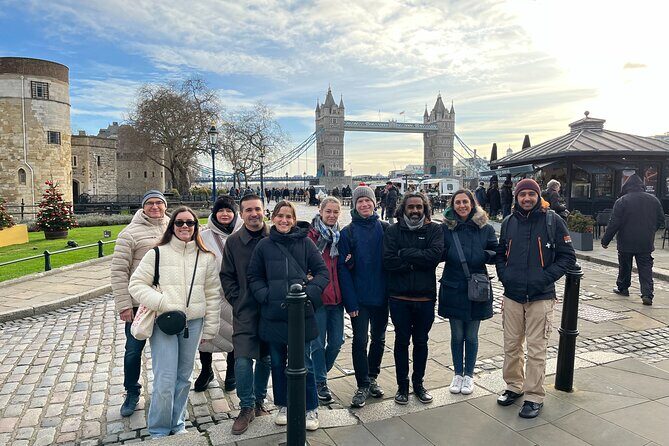
- Tower Hill start with Tower of London history at the beginning, not as an afterthought
- Tower Bridge + The Shard + London Bridge explained from the north bank of the River Thames
- The Monument and the Great Fire of London (1666) story told right outside
- Bank of England Museum area tied to London’s financial power for the Empire
- St Paul’s Cathedral finish with the option to arrange entry if desired
- Private group of up to 15 with a mobile ticket and an English-speaking guide
Why this Tower-to-St Paul’s walk is such a good use of time
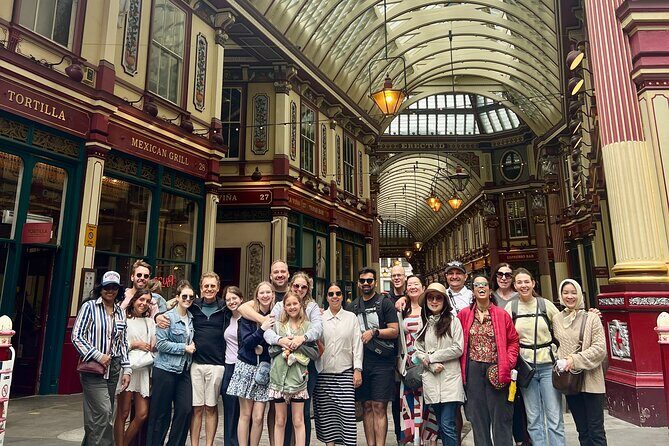
If you want London’s big landmarks, but you also want the why behind them, this format hits the sweet spot. It’s an approx. 2-hour walking tour with a tight route that goes from Tower Hill to St Paul’s. You’ll spend the time hearing context, not decoding streets.
The price is listed as $342.78 per group (up to 15). That can feel steep at first glance—until you do the math. With a full group, it comes out to about $23 per person. Even with a smaller group, you’re still often paying less per head than you would for multiple separate tickets or paid entries, especially because it’s led by a guide from start to finish.
The group is private, so it’s just your party. That matters in a city where many walks feel like a moving crowd of strangers. It also helps if you have mixed ages. In real life, I love tours that keep everyone engaged without turning into a classroom lecture.
One practical note: since you’re walking between iconic points, comfortable shoes matter. And because this tour emphasizes outdoor stops, weather can shape the experience—bring a light layer and plan to stand and look around at each stop.
You can also read our reviews of more walking tours in London



Tower of London history, explained where it matters
The tour starts at Tower Hill Tram Trinity Square, then quickly shifts into Tower of London history. This is smart. Instead of saving the Tower for later, you get the backstory while you’re still close enough to picture how the city’s power centers worked.
What I like about this approach is the way history becomes physical. You’re not just hearing dates. You’re being led through the idea of why the Tower mattered—its role, its reputation, and the way it anchors the area’s identity. For anyone who’s seen photos but never understood the full picture, this first stop can give you that missing framework.
A private group is especially helpful here. With a standard group tour, your questions get lost in the shuffle. In this format, you can ask for clarification and get the kind of quick, tailored explanation that makes landmarks stick. It also means your guide can adjust pacing if your group wants more time at the stop.
Potential drawback: if you were hoping for a detailed inside visit, this isn’t that kind of tour. The Tower stop is built around street-level storytelling, so you’ll come away with context and orientation—but not a full museum-style experience.
Tower Bridge, The Shard, and London Bridge: getting the Thames connections right
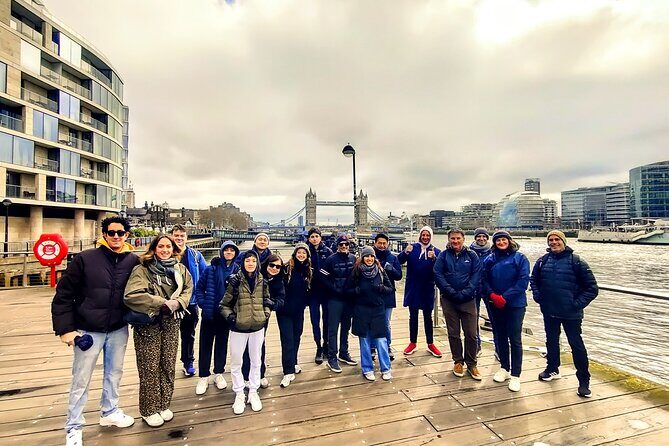
After the Tower, the route moves to Tower Bridge and then along the River Thames north bank for a sequence of views and explanations. You’ll hear stories tied to how these places relate to each other across the river and across time.
The tour’s Thames section is where you get the payoff for seeing London from one coherent line. Instead of jumping around, you’re moving in a pattern: Tower Bridge, then a stop talking about The Shard, then another stop to connect the story to London Bridge. That order helps you understand the river as a backbone—part geography, part strategy, part identity.
I also like the framing around viewpoints. Many people rush to bridges for photos and move on. Here, the guide pauses you at the right moments so you can look, compare, and understand what you’re actually seeing. It’s the difference between collecting pictures and building a mental map.
And yes, your guide is the difference-maker. In feedback I’ve seen from groups, names come up like Ben, Nathan, and Mark, and the common thread is clear: they bring the street scene to life with humor and architecture-focused explanations. That doesn’t mean the facts are dry—it means the story lands.
Possible consideration: Thames views can be crowded, windy, or both. Even with a private group, you’re still outside in a public space. Plan to be comfortable standing and looking without expecting a quiet, empty backdrop.
The Monument and the Great Fire of London (1666)
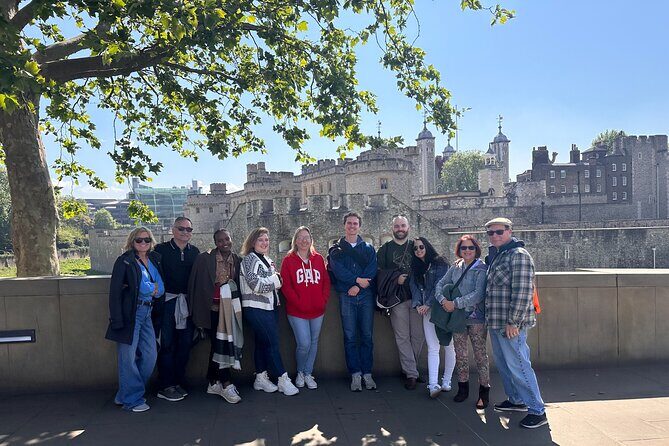
One of the most memorable stops is outside The Monument, with the story of the Great Fire of London in 1666. This stop does a useful thing: it connects a single dramatic event to the way a city rebuilds itself.
I think this kind of narrative anchor is a smart choice for a short tour. Fire is not just a disaster story. It’s a turning point that changes how cities plan, how they grow, and how people understand risk. When you hear it from the spot where the monument stands, the story feels less like a textbook chapter and more like a real turning point you can point at.
If you’ve visited London before and you felt the place was just layers stacked on layers, this stop can help you see cause-and-effect. It also pairs well with the rest of the tour: you go from power and control near the Tower, to bridges and river crossings, to a fire that reshaped the city, and then you keep moving toward St Paul’s. That arc makes the skyline feel intentional instead of random.
Drawback to keep in mind: street-level stories have a limit. You won’t be in an indoor setting for this. If you’re the kind of person who likes long museum explanations, you may want to add a follow-up visit afterward. But for orientation and understanding, this is one of the best moments in the route.
Bank of England Museum area: money, the Empire, and why it matters
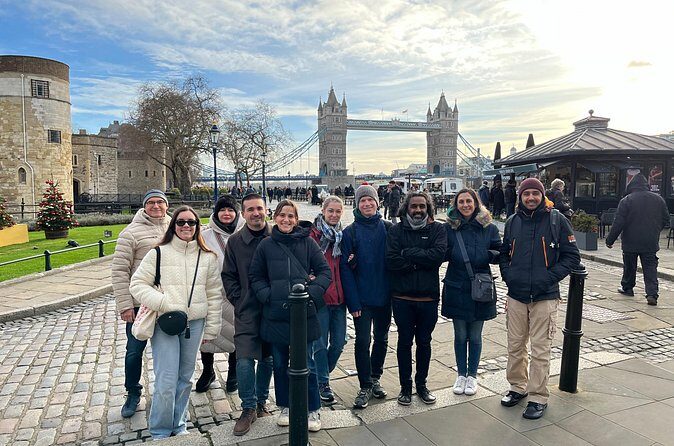
Next you’ll stop outside the Bank of England Museum area to hear about London’s role as a financial powerhouse for the Empire. This can be one of those topics people skip because it sounds dry—until it’s explained in a way that connects finance to real power.
What makes this stop valuable on a walking tour is that you can see the city’s seriousness in the architecture and planning right around you. The guide’s job here is to translate how money, influence, and governance connect. In practical terms, you’ll walk away understanding why London was positioned as a center for global finance—at least in the way the story is told on this tour.
It also adds balance. If your brain has been stuck in medieval mode (Tower, bridges, fire), this financial stop acts like a second gear. It helps you realize the City of London wasn’t only about old fortresses and rebuilding. It was also about organizing the flow of power through systems.
One consideration: this stop is still a street-side story. You’re not automatically entering any museum exhibit as part of the main walk. If you’re curious and want deeper details, you can treat the stop as a prompt to investigate on your own afterward.
You can also read our reviews of more city tours in London





St Paul’s Cathedral finish: what you’ll see and what you can arrange
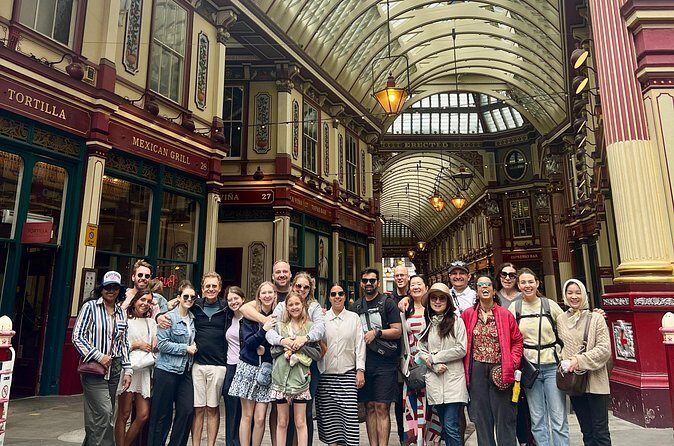
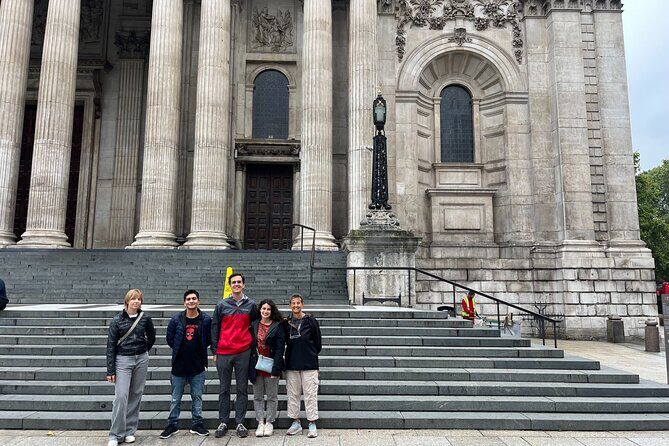
The tour finishes in front of St Paul’s Cathedral at St Paul’s Churchyard. You usually won’t enter during the walk, but the tour can be arranged to allow entry if you want. That gives you flexibility: keep the tour moving, or add an indoor moment if your schedule allows.
Even without entering, the arrival feels like a payoff. St Paul’s sits at the center of a lot of London storytelling, and ending here turns your route into a complete arc. You start at Tower Hill’s power and legend, cross the Thames with bridge viewpoints, get the Great Fire moment at The Monument, then shift toward finance, and finally arrive at a cathedral that symbolizes continuity through change.
The listed opening hours shown for St Paul’s Churchyard are 9:00 AM to 8:00 PM across a long date range. That’s helpful for planning, because it suggests you’ll often have a workable window to add a visit after the tour.
One simple tip: if interior entry is a priority, think about timing before the tour ends. Since the tour normally finishes outside, you’ll want a plan to not lose that momentum.
Guide quality and group energy: humor that works for ages 12 to 75
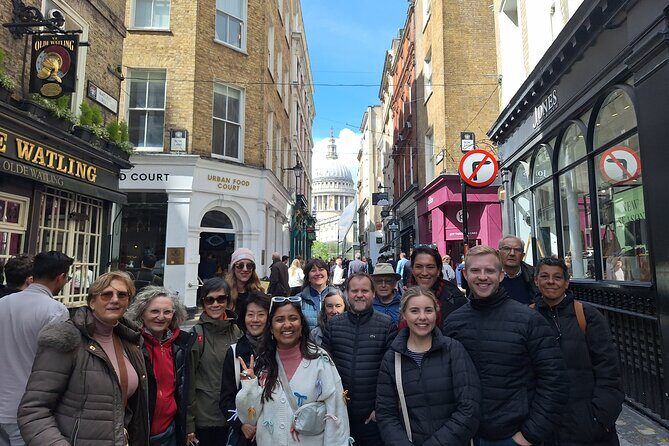
In a private walking tour, the guide isn’t a bonus. They’re the product. And the feedback around this tour is consistently about how people feel listening—funny, engaging, and clearly passionate.
Names show up in guides mentioned by visitors: Ash kept a wide age range engaged, from 12 to 75, with a group of seven. That’s not a small feat; it means the guide didn’t pitch everything at one level. Ben mixed humor with heartfelt storytelling, bringing London to life in a way that sticks. Nathan earned praise for being professional and funny, with lots learned in a fun way. Kevin is described as knowledgeable and engaging, with recommendations for what tourist spots are worth prioritizing.
Jamie and Colin also come up, with comments about making history feel like it’s happening now and pointing out places people might not notice on their own. Mark is noted for being informative about history and architecture.
Here’s what that means for you: you’re not just getting facts. You’re getting explanations that help you connect landmarks into a single story. On a short route, that matters. It’s how a two-hour walk turns into a memory you can retell.
Possible drawback: because guides are central, the vibe can vary. That’s true for any guided tour. Still, the overall pattern here is strong: people leave feeling entertained and educated at the same time.
Should you book this private group tour?
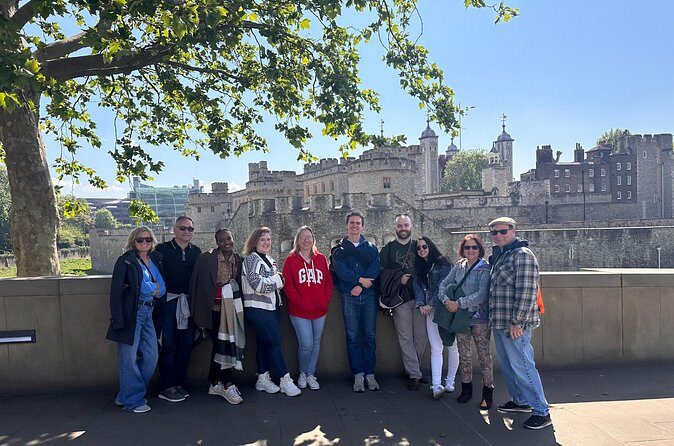
Book it if you want a guided orientation to the City of London. This is ideal for first-time visitors who already know the famous names (Tower of London, Tower Bridge, St Paul’s) but want the story links between them. It’s also a good pick for mixed-age groups, because the format encourages questions and keeps the pacing flexible.
You might skip it if you’re looking for a deep, inside-only itinerary with multiple building entries. This tour is mostly about what you can see and understand from street stops. St Paul’s entry is possible, but it’s not the default. If your dream day is museums and ticketed interiors, you’d likely pair this with separate visits.
If you do book, I’d plan your day so St Paul’s isn’t your only destination after. That’s when the tour momentum can help you explore more confidently around the area—because you’ll already know what you’re looking at and why it matters.
FAQ
How long is the Iconic City of London Walking Tour?
It lasts about 2 hours.
How much does the tour cost?
The price is $342.78 per group, up to 15 people.
Is this a private tour?
Yes. It’s private, meaning only your group participates.
Where does the tour start and end?
It starts at Tower Hill Tram Trinity Square, London EC3N 4TH, UK. It ends in front of St Paul’s Cathedral at St Paul’s Churchyard, London EC4M 8AD, UK.
What major sights are included?
The tour covers the Tower of London history, Tower Bridge, Thames north bank views with discussion of The Shard and London Bridge, The Monument and the Great Fire of London in 1666, the Bank of England Museum area, and finishes at St Paul’s Cathedral.
Do you enter St Paul’s Cathedral during the tour?
Usually the tour does not enter St Paul’s during the walk, but entry can be arranged if desired.
What language is the tour offered in?
The tour is offered in English.
Is there a mobile ticket?
Yes, the tour includes a mobile ticket.
Are service animals allowed and is it suitable for most people?
Service animals are allowed, and most travelers can participate.
Can I get a refund if I cancel?
Yes. Free cancellation is available, and you can cancel up to 24 hours in advance for a full refund.
How far in advance should I book?
On average, this tour is booked about 237 days in advance.