REVIEW · LIVERPOOL
Inspirational Women Liverpool Past-Present History Tour – monthly
Book on Viator →Operated by Liverpool Famous Walking Tours · Bookable on Viator
Women’s history in Liverpool walks beside you. This 2-hour guided stroll links landmarks like Liverpool Cathedral’s Lady Chapel to St George’s Hall, with a focus on past and present women who shaped the city. It’s an easy-going monthly tour, paced for photos and quick, meaningful stops instead of rushing through museums.
I love the value here: your ticket includes a donation entry to the Cathedral, and the rest of the featured stops are listed as free. I also love how much the guides bring to the streets, with Pam and Jean specifically praised for making the stories feel grounded and easy to follow.
One thing to plan for: you’ll be walking over uneven areas like cobbles, so wear comfortable non-slip shoes and take it slow on the rougher patches.
In This Review
- Key highlights before you go
- How a 2-hour Liverpool walk stays relaxed
- Liverpool Cathedral’s Lady Chapel: stained glass that names women
- Blackburne House and the quiet power of girls’ education
- Rodney Street: when the street earned a medical nickname
- Everyman Theatre (Hope Hall): suffragettes, politics, and the stage
- Mount Pleasant: medicine, obstacles, and women’s impact
- Pembroke Place and the Red Brick Universities connection
- Metropolitan Cathedral of Christ the King: Nightingale nurses and legislation
- Lime Street songs and William Brown Street’s art-and-activism trail
- St George’s Hall: suffragists and a surprising link to cookery
- Price and value: what $31.58 buys you in Liverpool
- Who should book this tour (and who might want a longer option)
- A few practical tips I’d use on your day
- Should you book the Inspirational Women Liverpool Past-Present History Tour?
- FAQ
- How long is the Inspirational Women Liverpool Past-Present History Tour?
- Where does the tour start and end?
- What time does the tour begin?
- Is the tour offered in English?
- Does the ticket include admission to Liverpool Cathedral?
- Are the other stops free to enter?
- How large is the group?
- Is there free cancellation?
- What if the weather is bad?
Key highlights before you go
- Small group pace (max 26) so you’re not fighting crowds for a moment to listen.
- Donation entry at Liverpool Cathedral included, with a focused visit to the Lady Chapel.
- Women’s stories across medicine, education, politics, and the arts, not just one theme.
- Short photo-friendly stops that still give real context for why each place matters.
- Guides like Pam and Jean are repeatedly singled out for engaging, lively delivery.
How a 2-hour Liverpool walk stays relaxed
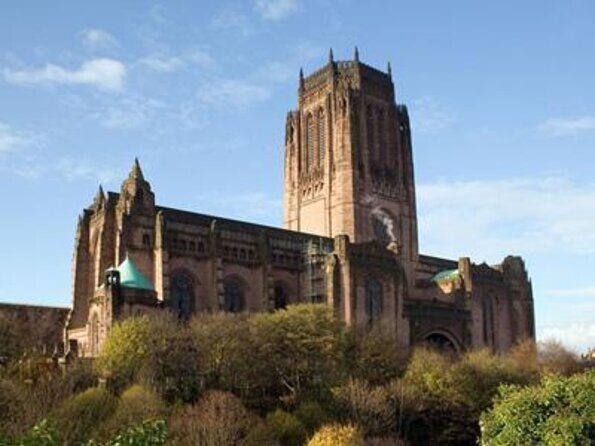
This tour is designed to feel like a gentle walk with guided stops, not a marathon or a lecture that never ends. You start at Liverpool Cathedral (St James’ Mount, L1 7AZ) and finish at St George’s Hall (St George’s Pl, L1 1JJ), with a start time of 10:30am.
It runs about two hours, which is a sweet spot in a city where you might otherwise spend the day bouncing between museums. Because the stops are scheduled and timed, you’ll get quick “why this place matters” moments without needing to decide what to see next.
I’d also come prepared for the basics Liverpool throws at you: the tour is near public transportation, but the walk includes uneven surfaces. Bring a bottle of water, especially if you’re doing this in warmer months, and keep your phone charged for the photo/video moments.
You can also read our reviews of more historical tours in Liverpool



Liverpool Cathedral’s Lady Chapel: stained glass that names women
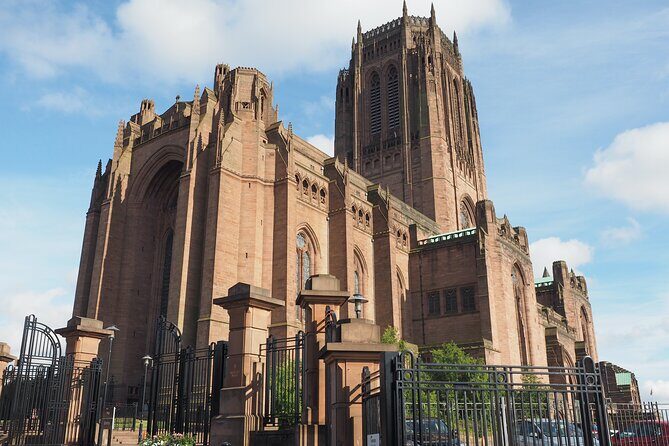
Your first stop is the Liverpool Cathedral, where you’ll visit the Lady Chapel. This is one of the final works by a famous female sculptor of the modern era, and the tour uses the space to set the theme: women whose work shaped Liverpool, shown through stained glass.
This stop is longer than the others at about 20 minutes, and admission by donation is included in your ticket price. That matters for value, but it also changes the tone of the tour. You’re not just looking at buildings from the sidewalk; you’re standing inside the Cathedral and letting the visual details do some of the teaching.
Stained-glass windows are part of the learning here, and the figures depicted can include women like Juliana of Norwich. I like that the tour starts with something tangible and artistic, because it anchors the rest of the walk. You can photograph the windows, and the guide context makes the images feel less random and more purposeful.
Blackburne House and the quiet power of girls’ education

Next comes Blackburne House, a grade II listed building with a specific focus: the education of girls and women. The visit time is short (about 10 minutes), but that’s actually helpful on a walking tour like this. You get the key background on what the place stood for, then you move on before the group loses momentum.
Admission here is free, so you’re not juggling ticket lines or extra costs. The takeaway is bigger than architecture: it’s about how education access shifted over time, and how buildings like this became part of that change.
If you’re someone who enjoys connections between people and institutions, this is a stop that rewards your attention. You won’t need a deep museum background to follow along, but you’ll get names and themes that you can later read about on your own.
Rodney Street: when the street earned a medical nickname
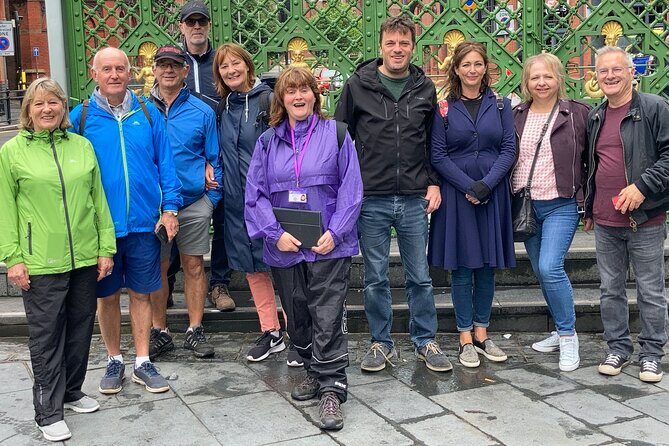
Then you roll onto Rodney Street, often called the Harley Street of the North. The guide uses the street’s reputation and records of notable residents to tell you about famous women connected to the area.
This stop is also about 10 minutes and listed as free to enter. The practical value is that you get the “why Rodney Street matters” version without having to study directories or old city guides.
I’d treat this as a change-of-pace stop. After a Cathedral, you’re back on the streets, learning how professional life shaped influence for women—even in areas known for medicine and care. If you’re into social history, it’s a quick way to see how a neighborhood nickname isn’t just branding; it’s a clue to who lived there and what they did.
Everyman Theatre (Hope Hall): suffragettes, politics, and the stage
At Everyman Theatre, you’ll hear the site’s earlier story as Hope Hall and how it connected to political edge and bohemian life. This stop links the building’s atmosphere to groundbreaking movements, including the suffragettes.
The visit runs about 10 minutes, with admission listed as free. That timing can feel short, but it keeps the tour moving through the city core. The tradeoff is that you’re getting a guided snapshot rather than a full theatre-history deep cut.
What I like about this stop is the angle. A theatre can be easy to treat as entertainment only, but here it’s framed as a place where ideas had room to grow—and where people used public life to push for change. If you want a walking tour that mixes culture with activism, this one fits.






Mount Pleasant: medicine, obstacles, and women’s impact
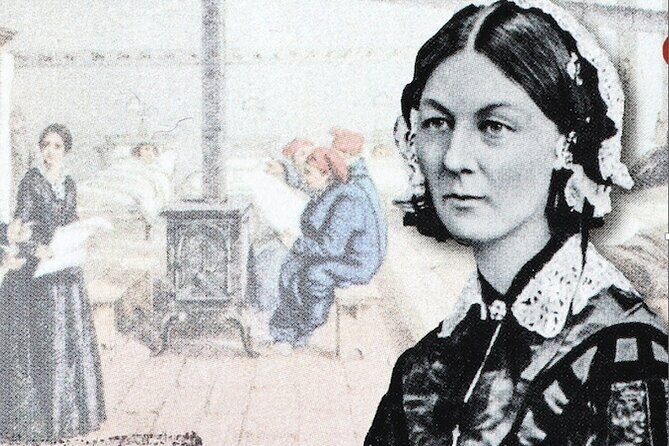
Mount Pleasant is where the tour turns toward medicine. The area has a long association with health, and the guide highlights women from Liverpool and the challenges they faced in order to influence medicine, education, and health services around the turn of the last century.
You’ll have about 10 minutes here, and the stop is free. Because it’s a timed walk, the guide is likely to focus on the most important through-lines: what stood in women’s way, and how they still contributed to systems that affected everyday health.
If you care about social change that isn’t only political slogans, this is a strong moment. Medicine and health services can sound dry, but the tour frames it as lived struggle and real-world outcomes—who got heard, who got trained, and who managed to create momentum.
Pembroke Place and the Red Brick Universities connection

At Pembroke Place, the tour talks about how the area is famously connected to the name Red Brick universities. It then connects that education thread to pioneering women and a specific early 1900s story: a philanthropist who campaigned for women’s rights and family social causes.
This stop is around 10 minutes and listed as free. Again, the time is short by design, but you’ll likely leave with a few names and themes to follow up later. For a walking tour at this price, that’s a smart way to work. You’re not paying for a full lecture; you’re buying an orientation to the important stories.
If you’re visiting Liverpool with limited time, this kind of education-and-activism stop is worth your attention. It ties together how institutions formed and how women pushed inside those structures, rather than only being discussed from a distance.
Metropolitan Cathedral of Christ the King: Nightingale nurses and legislation
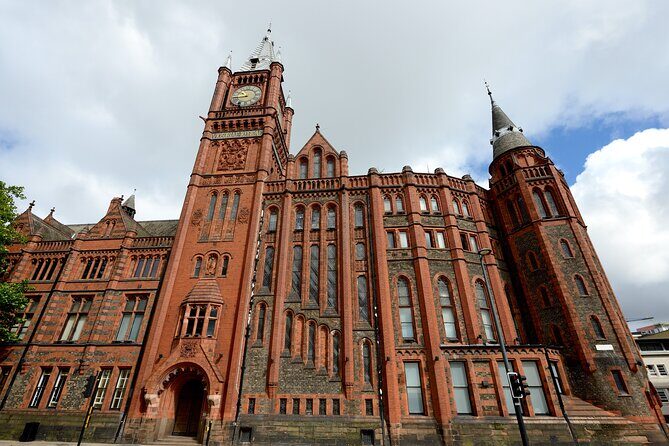
Your next stop is the Metropolitan Cathedral of Christ the King Liverpool. Here, the tour connects the site’s history with the Nightingale nurses and highlights not only tragic elements of the story, but also the work of a leading reformer of legislation supporting women & families in the 1800s.
This is another free stop with about 10 minutes allocated. I like that it balances emotion with action. Even if you’re not the type to read long historical documents, this kind of guided contrast helps you understand that hardship often led to organized reform.
Also, you’re in a major religious and cultural landmark, so the setting supports the story. The Cathedral gives the tour weight, and the guide’s focus on legislation adds a practical dimension: change didn’t happen only through goodwill; it happened through law, advocacy, and reform.
Lime Street songs and William Brown Street’s art-and-activism trail
Next you pass Lime Street, which has an infamous reputation from the 19th century. The guide points out a lady who famously appears in several Liverpool songs—turning a street stop into something you can connect to the city’s music culture.
Then the walk moves to William Brown Street, where you pass sites linked to women’s social and political union meetings in the early 1900s. From there, you arrive at the Walker Art Gallery and learn about fascinating women connected to the publicly owned art gallery, described as the national gallery of the North.
These last two stops (Lime Street and William Brown Street/Walker Art Gallery) are each about 10 minutes, with entry listed as free. The value here is that you see how women’s public lives show up in different places: songs, meeting rooms, and art institutions.
If you want a balanced Liverpool day, this section helps. It prevents the tour from becoming only politics or only architecture. You get a cultural bridge and an activism bridge, then you head to the final landmark.
St George’s Hall: suffragists and a surprising link to cookery
The tour ends at St George’s Hall, in the shadow of this grade I listed building. The guide covers the building’s place in history tied to the suffragist movement, and it also mentions an intriguing role the building has had on modern day cookery.
This final stop is about 10 minutes and listed as free. By the time you reach it, the walk has already given you multiple angles on women’s influence—education, health, law, culture—so St George’s Hall works as a “final thread” moment.
The cookery reference is the kind of detail that makes a guided walking tour memorable. It’s not just names and dates; it’s how older buildings get repurposed, referenced, and folded into everyday life.
Price and value: what $31.58 buys you in Liverpool
At $31.58 per person, you’re paying for a focused guided walk with a set route and timed stops. The biggest value point is that Cathedral entry is included by donation, which immediately reduces the “hidden cost” worry for a guided experience.
After that, the remaining featured stops are listed as free. That’s important for budgeting, especially if you’re traveling with a group or pairing this with other paid tickets later.
The tour is also offered in English and uses a mobile ticket, which keeps things simple when you’re juggling a city itinerary. And with a maximum group size of 26, you should be able to hear the guide and keep up without constantly stopping for people to pass.
Who should book this tour (and who might want a longer option)
I’d recommend this tour if you want Liverpool history that takes women seriously, not as footnotes. It’s also a good match if you like walking tours with relaxed pacing and clear stop-and-learn moments. The repeated praise for guides like Pam and Jean matters here because a women-focused theme only works if the stories are delivered well—and this experience aims right at that.
It can also be a smart option for couples or friends who want something different from the usual top-10 sights. You’ll still see major landmarks, but the focus is on people and change, not just famous buildings.
If you prefer museum-style depth—hours in one place, long audio guides, slow reading—you might find the shorter stops limiting. The good news is the tour’s structure is built for orientation. You can leave with names and then pick your own deeper follow-up.
A few practical tips I’d use on your day
- Wear non-slip shoes. Cobblestones and uneven patches are part of the experience.
- Bring water, especially in warm weather; the tour suggests having a drink.
- Use your phone for photos and video during stops, since the schedule is built for quick captures.
- If you’re traveling with kids, note that children under 16 must be accompanied by an adult.
- Service animals are allowed, and well-behaved dogs are welcome, but you’ll be in a group and busy areas, so plan for that.
Should you book the Inspirational Women Liverpool Past-Present History Tour?
Yes, if your goal is a short, guided Liverpool history reset that centers women’s influence across education, medicine, activism, and the arts. The route makes sense for first-timers or visitors with limited time, and the value is strong because Cathedral donation entry is included while the other stops are free.
Also, I’d book it if you care about how a guide turns places into stories. The consistent praise for Pam and Jean isn’t just about being friendly; it’s about the tour making the city feel newly understood, even if you thought you knew Liverpool already.
Skip it only if you’re expecting long indoor time at each site. This is a walking tour built for smart pacing, not a full-day deep-dive into any one institution.
FAQ
How long is the Inspirational Women Liverpool Past-Present History Tour?
It lasts about 2 hours (approx.).
Where does the tour start and end?
The tour starts at Liverpool Cathedral, St James’ Mount, Liverpool L1 7AZ, UK, and ends at St George’s Hall, St George’s Pl, Liverpool L1 1JJ, UK.
What time does the tour begin?
Start time is 10:30am.
Is the tour offered in English?
Yes, the tour is offered in English.
Does the ticket include admission to Liverpool Cathedral?
Yes. Liverpool Cathedral admission is by donation and is included in the ticket price.
Are the other stops free to enter?
The listed stops besides the Cathedral are marked free (Blackburne House, Rodney Street area stops, Everyman Theatre, Mount Pleasant, Pembroke Place, Metropolitan Cathedral, Lime Street area, Walker Art Gallery, and St George’s Hall).
How large is the group?
The tour has a maximum of 26 travelers.
Is there free cancellation?
Yes, you can cancel for a full refund up to 24 hours in advance of the experience start time. If you cancel less than 24 hours before, the amount paid will not be refunded.
What if the weather is bad?
The experience requires good weather. If it’s canceled due to poor weather, you’ll be offered a different date or a full refund.