REVIEW · LONDON
Interactive Jack the Ripper Night Walk: London’s Murder Mystery
Book on Viator →Operated by Carpe Diem Tours · Bookable on Viator
Whitechapel feels different at night. This interactive Jack the Ripper night walk turns East London streets into clues, as you piece together what happened and who might have been behind the murders.
I particularly love the fact-based storytelling that keeps you thinking, not just listening. I also love that you can take the case home with a download of old photos and reports from the guide.
One watch-out: the tour ends at Mitre Square, not back at the start, so you’ll want an easy return plan.
In This Review
- Key points to know before you go
- Whitechapel’s night energy, with a mystery you can actually follow
- The route: from Brick Lane’s slum legacy to the violence at Mitre Square
- Brick Lane: from street art and curry houses to desperation
- Princelet Street: cobbles, 1880s East London, and Annie Chapman
- Puma Court: an eerie alley where you notice every shadow
- The Ten Bells: why a historic pub matters to the timeline
- Gunthorpe Street: the early victim debate around Martha Tabram
- Goulston Street: the clue stop, with a bloodied apron and chalk
- St Botolph’s Aldgate: shelter a few steps from danger
- The end at Mitre Square: Catherine Eddowes and the final jolt
- Guides that keep the puzzle moving (and actually answer questions)
- Price and value: what you really get for about $22.99
- How to plan your night: comfort, timing, and your return route
- Who this Jack the Ripper night walk is best for
- Should you book this Jack the Ripper interactive night walk?
- FAQ
- FAQ
- How long is the interactive Jack the Ripper night walk?
- Where does the tour start and where does it end?
- Is the tour offered in English?
- What is the group size?
- Do I get a ticket on my phone?
- Can I upgrade to a private tour?
- What is the cancellation policy?
Key points to know before you go
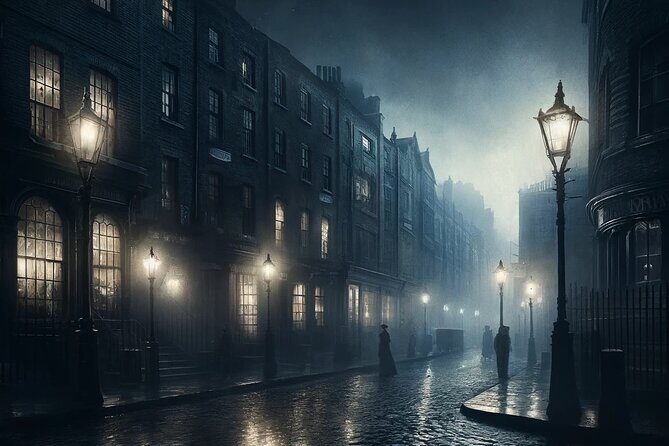
- Street-by-street mystery solving around Whitechapel’s most infamous locations
- Atmosphere after dark, with pauses that make the details land
- Stops tied to major victims, including Annie Chapman, Martha Tabram, and Catherine Eddowes
- Specific clue talk, like a bloodied apron fragment and a chalk message
- Guides with strong presentation skills, with names like Tyson, Lisa, Sadie, and Jess praised for their energy and questions
- Small enough to feel personal (maximum 25 people) with a mobile ticket to keep things simple
Whitechapel’s night energy, with a mystery you can actually follow
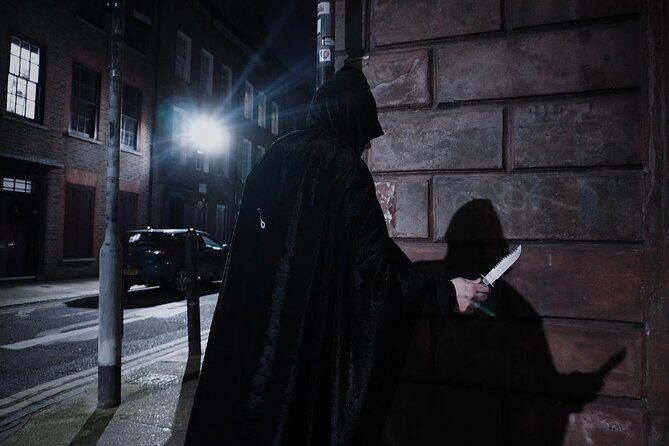
This walk works because it respects your time and your senses. You’re not just strolling through a themed neighborhood—you’re moving from spot to spot in a way that helps the story click. In about 2 hours 30 minutes, you’ll cover a cluster of East London streets tied to the Jack the Ripper case, and you’ll be asked to connect details as you go.
What makes it especially compelling is the tone: the guide leans into the time period and the setting, including the fear and vulnerability women faced in these areas. You’re walking at night, in the same general streets where desperation played out in real life. That atmospheric layer matters, but it’s the information that keeps the experience grounded—things you usually don’t get from quick museum placards or a standard self-guided loop.
If you’re the type who likes mysteries, you’ll like how the story is framed as a “who and why” puzzle rather than a one-note lecture. If you’re more history-first, you’ll still get plenty of context—poverty, crime, and how the city’s layout and street life shaped what was possible.
You can also read our reviews of more walking tours in London


The route: from Brick Lane’s slum legacy to the violence at Mitre Square
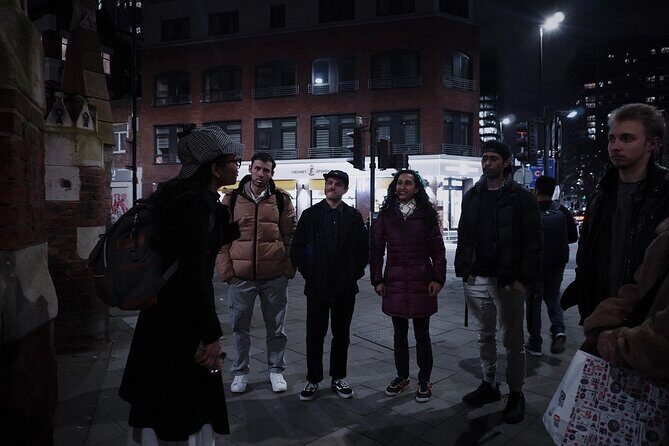
Even though you’ll stop often, the pace stays manageable. Each stop is short (about 17 minutes), which helps you stay alert and gives the guide time to keep the mystery moving without dragging. Also, these are street-based stops, so you’re not paying for admissions along the way.
Brick Lane: from street art and curry houses to desperation
You’ll start at Brick Lane, today known for its street art and curry houses. The guide then brings it back to its rougher past, when this part of London was tied to severe poverty and overcrowded living. The key value here is the cause-and-effect angle: crime and desperation weren’t random; they were connected to the conditions people lived with.
What I like about this first stop is that it sets your expectations. You’re not jumping straight into gore. You’re learning why this area was primed for fear, rumor, and exploitation—and why the murders could happen in the middle of everyday city life.
Tip for you: if you want strong photos, aim for the beginning. Night light at street level can be flattering, and you’ll still be fresh before the route turns darker.
Princelet Street: cobbles, 1880s East London, and Annie Chapman
Next comes Princelet Street, a cobbled lane that feels like it’s stuck in the past. The guide connects the street to the case by tying it to the wider pattern of the Ripper’s movements and to the life of Annie Chapman.
This stop is useful because it slows you down. You’re looking at a street, but you’re also learning how investigators tried to make sense of paths, timing, and victim connections—how a person’s last steps could become a clue.
Puma Court: an eerie alley where you notice every shadow
Then you move into Puma Court, an alley in Spitalfields that the guide treats like more than scenery. You’ll stand in place and talk about vulnerability in dim, quiet corners—because the physical environment of a place can be part of what makes harm possible.
If you’re someone who reads about the Ripper case and still feels stuck on the “how,” this is where the “how” starts to feel imaginable. You’ll notice how narrow passages and limited visibility affect what witnesses could see (and what they might miss).
You can also read our reviews of more evening experiences in London






The Ten Bells: why a historic pub matters to the timeline
At The Ten Bells, the discussion turns to last sightings. This historic pub is described as a chilling link to the case, tied to where several victims were last seen alive.
I like that the stop uses a familiar landmark type—a pub—so it feels real. Even if you’ve seen photos online, standing near it in the middle of an active night walk makes it feel less like a story and more like a moment in a timeline. It also helps you understand why certain locations keep showing up in case narratives.
Gunthorpe Street: the early victim debate around Martha Tabram
Gunthorpe Street is one of those narrow passages where the mood changes quickly. Here, the story focuses on Martha Tabram. The guide covers the idea that, while she isn’t officially listed as a Ripper victim, many believe she may have been his first.
This is a good moment for you if you like uncertainty. The tour doesn’t present the case as one tidy answer. It explains why debates exist when evidence is incomplete, and it gives context for why some historians and investigators weigh certain theories more heavily than others.
Goulston Street: the clue stop, with a bloodied apron and chalk
At Goulston Street, the guide points out a disturbing detail described as left behind after the double murder: a bloodied apron fragment and a cryptic chalk message. This is the stop that sharpens the mystery.
Why it’s valuable: you’ll hear how a single object or message can change how people interpret motive, identity, and even the sequence of events. This isn’t just spooky theater. It’s about how investigators tried to read meaning from physical clues.
St Botolph’s Aldgate: shelter a few steps from danger
You then reach St Botolph’s Aldgate, a church positioned at the edge of Whitechapel. The guide frames it as a place that offered shelter to many women during the Victorian era.
This stop adds balance. After the violence-related stops, you get a reminder that these were not only danger zones—they were communities with routines, support networks, and places people turned to.
The end at Mitre Square: Catherine Eddowes and the final jolt
The walk finishes at Mitre Square, where the murder of Catherine Eddowes took place. The emphasis here is on impact—how the violence shocked the city and remains one of the darkest chapters in London’s criminal history.
And this is where you’ll need to be alert about logistics. Because you’re ending away from the start, you’ll want to know how you’ll get home before you set off. Having a clear plan saves stress when you’re already feeling the night’s heavy atmosphere.
Guides that keep the puzzle moving (and actually answer questions)
The biggest difference between a good Jack the Ripper tour and a great one is control: can your guide keep the energy up while making sense? This experience has a strong track record for exactly that.
From guide names that come up often—Tyson, Lisa, Sadie, and Jess—the praise centers on three things:
- bringing lots of facts without turning it into a slog
- keeping it engaging through questions and interaction
- handling the tough topic with a focus on the women’s stories, not just the killer myth
One detail I especially like: guides can remember names and loop people in so the group doesn’t feel like a blur. It also helps that the tour supports Q&A, so you’re not stuck with your questions crowding your brain until the end.
Listening tip: there was feedback that hearing could be an issue on one outing. If you’re toward the back or outside the guide’s line of voice, move closer when you can. Night walks are easy to talk over, so position matters.
Price and value: what you really get for about $22.99
At $22.99 per person, this is priced for a night activity you can treat like a highlight—without it feeling like a big splurge. The value comes from three things you can feel immediately:
1) You get a guided, structured route over a case-related area. It’s not random sightseeing.
2) You get added materials—a download of old photos and reports—so the experience continues after the walk ends.
3) It’s a free-entry-style tour, with each stop described as having free admission. You’re paying for the guide and the storytelling, not for entrance fees.
Also, the tour runs with group discounts, and it’s max 25 people. Smaller groups usually mean you’re more likely to hear properly and stay engaged.
If you like flexibility, you can also upgrade to a private tour for a more personalized pace. That’s a strong option if you’re traveling as a couple, want more direct questions, or prefer a quieter setting.
How to plan your night: comfort, timing, and your return route
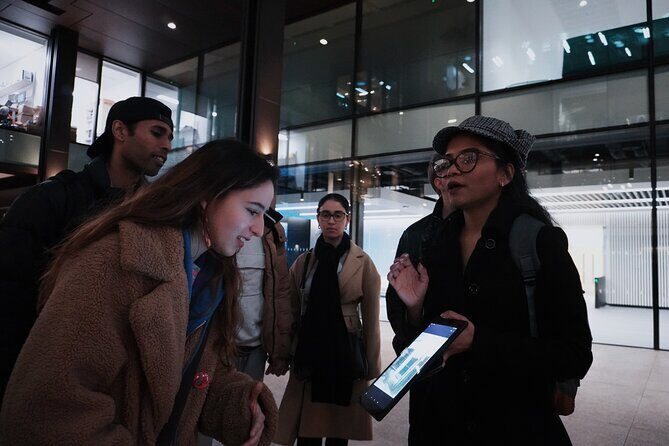
This is an evening walking format, and it’s worth packing for the basics. You’re outside for the whole experience, so bring layers you can handle if London air turns chilly. Comfortable shoes matter because you’ll be moving between tight corners and short stops.
Most importantly: because it ends at Mitre Square, you should map your return the same day. Don’t assume it’s easy to hop back to your starting point. Plan a train or bus route before you join, then you can enjoy the walk instead of doing math later.
As for timing, the tour gets booked fairly ahead—on average about 36 days in advance. If you’re traveling around busy dates, booking early gives you better choices.
Who this Jack the Ripper night walk is best for
This is a great fit if:
- you like mysteries but want them tied to real places
- you want a guided route through Whitechapel instead of reading about it all day
- you enjoy street-level history and small details like clues, timelines, and debates
It may be less ideal if:
- you want a bright, museum-style experience (this is dark and atmospheric)
- you hate walking or get tired easily on uneven streets
- you need a tour that ends where it starts (this one ends at Mitre Square)
If you’re traveling with friends who vary in interests—someone into history, someone into true crime—you’ll likely find common ground here. The guide can keep it human and interpretive without losing the factual thread.
Should you book this Jack the Ripper interactive night walk?
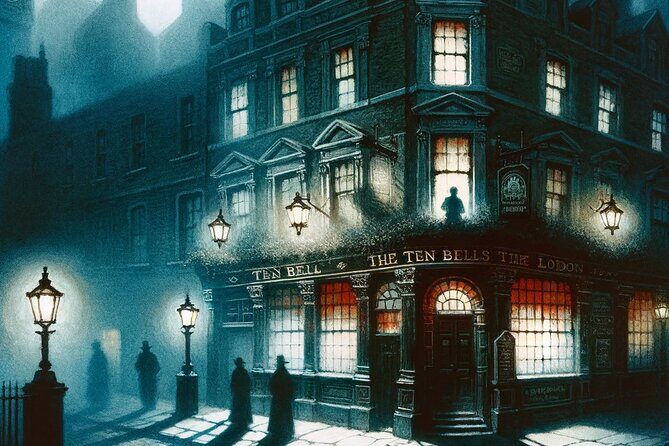
If you want a case that feels alive—not just talked about—this is a smart choice. The structure, the specific location stops, and the guide-led mystery framing make it more than a spooky stroll. The fact that you also get a download of old photos and reports means you’ll leave with materials to keep thinking after the night is over.
I’d book it if you’re ready for an atmospheric, guided walk and you’re comfortable planning your return since it finishes at Mitre Square. If that logistics detail doesn’t bother you, you’ll probably end up with one of those London memories you keep replaying in the days after.
FAQ
FAQ
How long is the interactive Jack the Ripper night walk?
It runs for about 2 hours 30 minutes.
Where does the tour start and where does it end?
The start is St Marys Whitechapel Church Memorial, Unnamed Road, London E1 1FE, UK. The tour ends at Mitre Square, London EC3A 5DE, UK.
Is the tour offered in English?
Yes, it is offered in English.
What is the group size?
The tour has a maximum of 25 travelers.
Do I get a ticket on my phone?
Yes, you’ll receive a mobile ticket.
Can I upgrade to a private tour?
Yes, there is an option to upgrade to a private tour for a more personalized experience.
What is the cancellation policy?
You can cancel for a full refund up to 24 hours before the experience starts. Within 24 hours, no refund is offered.