London’s law buildings have a serious pull. This private Law in London tour walks you through the places where justice is handled and where history still lingers in the stone. You’re set up to try for a live public court case when the day’s schedule allows, plus you get access to working court spaces and the classic Inn of Court grounds.
I especially like two things: first, the chance to see how Britain’s legal system looks from the inside rather than through museum-style glass. Second, the way the stops connect law, power, and architecture across different courts, from the Royal Courts of Justice to the Rolls Building. And yes, the included Magna Carta copy and drink help this feel like more than a quick sightseeing loop.
One thing to keep in mind is that courtroom access is never guaranteed. If the building access or case seating doesn’t line up with the day, you may get less courtroom time than you hoped, and the tour will rely more on your guide’s explanations.
In This Review
- Key highlights I’d circle on your plan
- Why London’s legal landmarks feel different from normal sightseeing
- Royal Courts of Justice: the big courthouse moment (and the case-seat question)
- Rolls Building: international disputes and the part most visitors never see
- Inner Temple and Middle Temple grounds: gardens, fountains, and legal tradition
- Magna Carta and a complimentary drink: the small extras that make it feel complete
- Price and what you’re really buying at $370.24 per person
- Your guide is the difference between fascinating and frustrating
- Practical tips so you get the most from court access and indoor time
- Should you book the Law in London Private Tour?
- FAQ
- How long is the Law in London Private Tour?
- What language is the tour offered in?
- Is a live court case included?
- What’s included in the price?
- Where does the tour start and end?
- What do I need to enter the stops?
- Is this tour private, and how many people do I need?
Key highlights I’d circle on your plan
- Royal Courts of Justice courtroom time when possible (ticket included, short and focused)
- Rolls Building, for international disputes (ticket free) in a part of the system most visitors never see
- Inner Temple grounds and the Dickens fountain connection (Inner Temple and Middle Temple gardens)
- Magna Carta copy included alongside a complimentary drink
- Private group format means your guide can tailor how long you linger in each place
Why London’s legal landmarks feel different from normal sightseeing
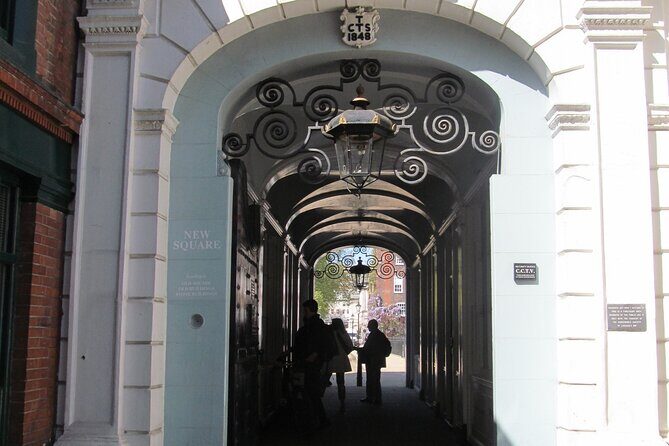
London has plenty of famous “look at this” spots. This experience is different because you’re not just looking at history. You’re watching a living system in action, or at least stepping right up to the doors where that system runs.
I like that the tour is built around real legal venues: the Royal Courts of Justice, the Rolls Building, and the Inner Temple area. You’ll get the sense that British law isn’t one single place—it’s a network of courts, institutions, and rules about how disputes get heard. That matters because it helps you understand what you’re seeing on the street level: why certain buildings look the way they do, and why access, seating, and procedures exist.
This is also a smart fit if you like “how things work” travel. You’ll come away with practical language for what you saw—civil vs. international disputes, public court access, and the role of the Inns of Court in London’s legal world. The price is not small, so the best mindset is this: treat it like a guided orientation to London’s legal brain, not just a walking tour with photos.
You can also read our reviews of more private tours in London



Royal Courts of Justice: the big courthouse moment (and the case-seat question)
Your first stop is the Royal Courts of Justice, where you’ll head inside the building and—when possible—sit in on a live public case. The time here is short, about 30 minutes, and the admission ticket is included.
What makes this stop worth it is the contrast between what you see outside and what you experience inside. On the street, you get scale and grandeur. Inside, you get flow: how people move, how the courtroom environment is organized, and how a court day feels as a real event rather than a staged performance.
The biggest payoff is the potential to watch a public court case. Even if you don’t get a long look, you’re stepping into a space designed for formal argument and procedure. That changes how you understand British justice, because you’re not just hearing about it—you’re seeing the seriousness of how disputes are framed, heard, and recorded.
Possible drawback: the “when possible” part is real. Court schedules and seating availability can change. So if you’re booking specifically for courtroom time, don’t treat it as guaranteed. Instead, treat this as your best chance, and rely on your guide to make the explanation strong even if the seating situation is less than perfect.
Rolls Building: international disputes and the part most visitors never see
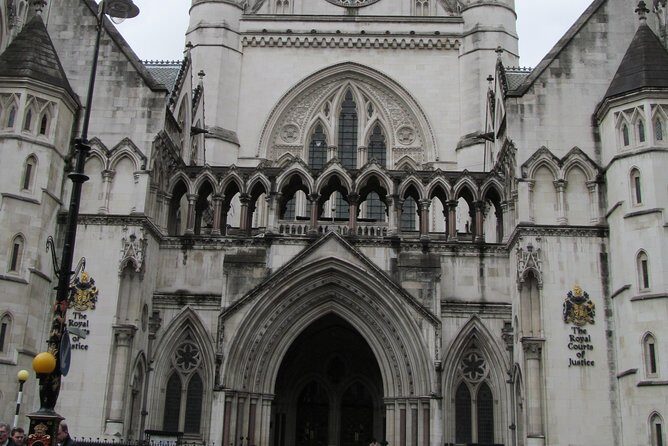
Next, you’ll visit the Rolls Building, described as a place where international disputes are settled. This stop also runs about 30 minutes, and the admission ticket here is free.
This is where the tour tends to feel “modern London law.” You’re not only dealing with local issues. You’re dealing with disputes that cross borders and often involve major corporations and global stakes. One example mentioned is a claim against Shell Oil for environmental damage in Nigeria. Even if you don’t follow that case specifically, it signals the type of matters this space handles.
Why this stop matters for you: most first-time visitors to London don’t spend time thinking about how international disputes actually get processed on UK soil. They remember the famous streets, the museums, the monuments. A Rolls Building stop gives you a different takeaway: Britain’s legal system isn’t just traditional. It’s used to resolve complex international conflicts.
A practical note: because this is a shorter stop, you’ll want to keep your questions simple and targeted. Ask what kinds of cases are typically heard here, or how the process differs from what you might imagine from TV. With a good guide, 30 minutes is enough to leave you with clear mental “hooks” you can carry into the rest of your London days.
Inner Temple and Middle Temple grounds: gardens, fountains, and legal tradition
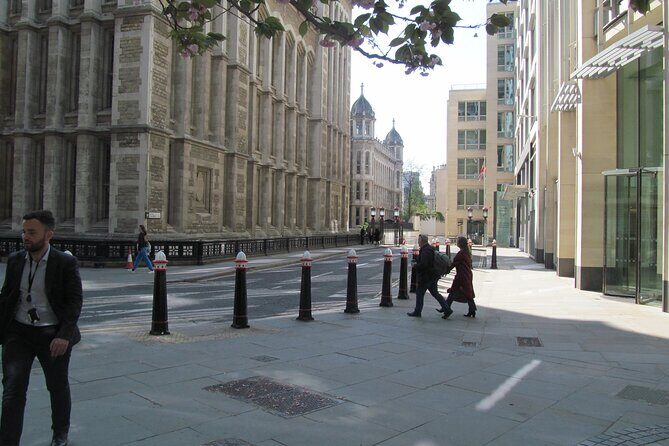
The final stop takes you into the grounds of the Law Courts, including Inner Temple and Middle Temple. You’ll get about 15 minutes here, with free admission.
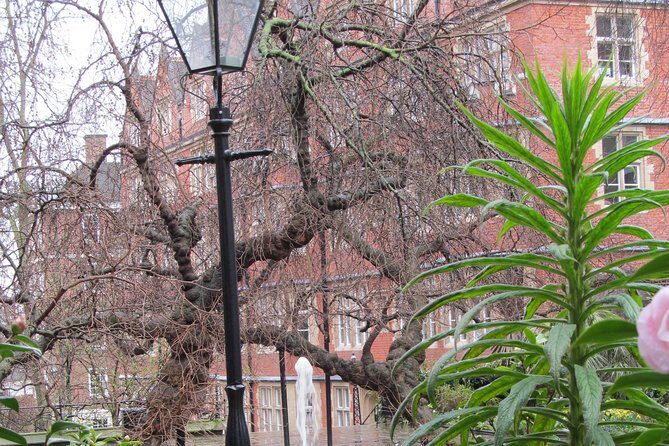
This is the softer, calmer part of the tour. Instead of courtroom intensity, you’re in the atmosphere of the Inns of Court: historic legal institutions with their own traditions. You’ll see gardens and fountains, including the Dickens fountain tied to Martin Chuzzlewit.
That literary connection is more than a fun detail. It reminds you these places don’t exist in a vacuum. London’s legal institutions have always been part of the city’s cultural memory. When you step into these grounds, you get a sense of continuity: law as a profession with roots, rituals, and spaces built for people who take their work seriously.
What I like about ending here: it gives your brain a breather. After courts and procedures, you can walk, look around, and let the architecture and gardens do some of the work. It’s a chance to absorb the “why” behind the grandeur rather than rushing through it like a checklist.
If you prefer fast-paced tours, this brief garden segment may feel short. But if you want a tour that balances legal nuts-and-bolts with atmosphere, it’s a good way to land the plane.
Magna Carta and a complimentary drink: the small extras that make it feel complete
You get a complimentary drink and a copy of the Magna Carta included in the cost. That’s not just a nice bonus. It changes how you remember the experience.
The Magna Carta is one of those names you hear constantly in Britain, but a physical copy helps you connect the idea to the place and the institutions that keep referencing it. You’re not leaving with only facts. You’re leaving with something tangible you can refer back to later—especially useful if you’re planning a wider history trip across London.
And yes, the included drink helps with the pacing. You’ll be walking between legal sites in the middle of the day, starting at 1:30 pm and finishing at Ye Olde Cheshire Cheese on Fleet Street. A break item matters when you’re paying attention to detail and trying to process what you’re learning.






Price and what you’re really buying at $370.24 per person
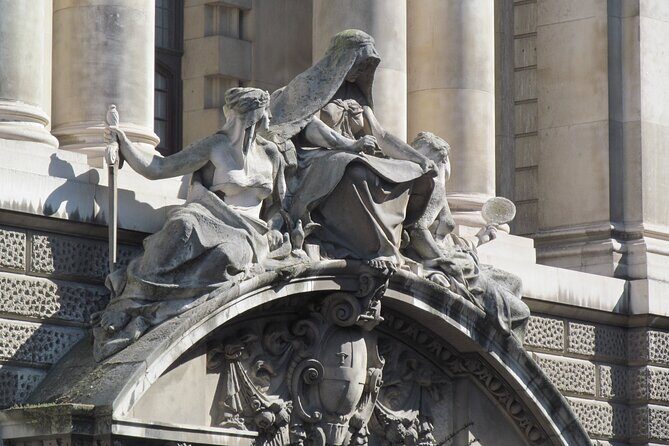
Let’s talk value, because this tour costs $370.24 per person for roughly 3 hours 30 minutes. That’s the kind of price where you should expect more than a casual stroll.
Here’s what you are buying:
- A professional guide who can translate legal architecture into plain English
- Entry to at least one paid site (Royal Courts of Justice ticket is included)
- The chance to sit in on a live public case when possible
- Access to the Rolls Building and the Inner Temple grounds
- Tangible extras: Magna Carta copy plus a drink
Because it’s private, the cost can make sense when you’re traveling as a pair or small group. The minimum requirement is 2 people per booking, which usually means you won’t be footing the full price solo. For many people, that turns the tour into a “we’re paying for focus” experience—less waiting, fewer miscommunications, and more time for your questions.
But I’m also going to be honest: at this price, guide quality matters a lot. If the guide is disorganized or doesn’t explain the court world well, the tour can feel like overpriced footsteps. The best reviews emphasize exactly that: a strong guide who knows the court processes and can adapt when plans change.
Your guide is the difference between fascinating and frustrating
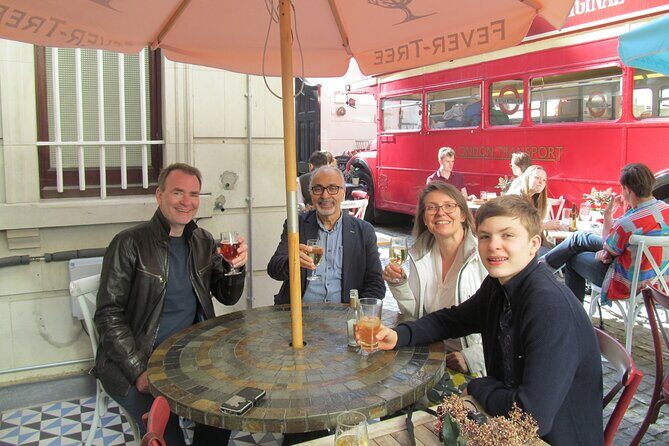
This tour lives and dies on interpretation. The buildings are impressive, but the guide is what makes them understandable.
One guide name that stands out in feedback is Mushin, praised for thorough knowledge of the Royal Courts of Justice, the Inns of Court, and the broader London courts system. People also mention he was interested in how the law works, not just in describing buildings. Another positive theme: guides can be flexible to your needs—so if your group wants more time asking questions, a good guide can adjust on the fly.
There’s also a warning side to share. A couple of low ratings criticize poor guide knowledge and problems like getting turned around. One complaint also notes that not everything the group expected happened during their visit, including the lack of courtroom time, even after an attempt to get them into a trial setting. In another negative comment, the writer felt the tour didn’t include some elements they were hoping for and compared it to what they could do for free.
So how do you protect yourself? Ask one simple question before you go:
- What do you consider the “must-hit” moment on the day—court seating, the Rolls Building focus, or the Inns of Court explanations?
If your guide can clearly answer that and tie it to what’s scheduled that day, you’ll feel less at the mercy of chance.
Practical tips so you get the most from court access and indoor time
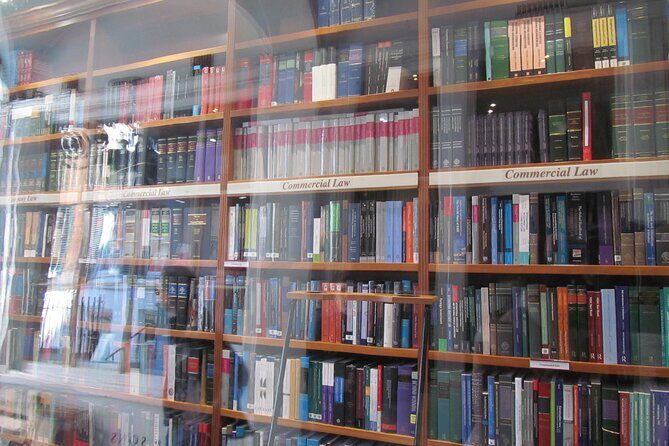
This tour is short at each stop. You’ll want to arrive with a plan for how you’ll use that time.
First, keep your expectations calibrated on the live-case part. Because seating depends on what’s happening, the best approach is to treat courtroom time as a bonus, not the only goal. Even without a seat, you can still learn a lot from how your guide explains public access and court procedure.
Second, bring curiosity, not a checklist of props. Some people want gowns and wig-related visuals. But what you can control is your mindset: ask what roles different people play inside court, how hearings proceed, and why certain spaces feel ceremonial. That turns the experience into understanding, not just photos.
Third, dress for a legal-building vibe. Even if the tour doesn’t say anything about dress code, these are formal public institutions. I’d choose something comfortable but not sloppy.
Finally, because you’re meeting at a specific point and ending at Ye Olde Cheshire Cheese, plan your next step after the tour. Fleet Street has plenty nearby, and you’ll be in the right mood to keep talking about what you just learned over lunch or a late drink.
Should you book the Law in London Private Tour?
If you’re the kind of traveler who likes real systems—how things work, where authority lives, and why buildings matter—this tour is a strong fit. I especially recommend it for:
- Couples or small groups who can split the private-tour cost
- People who want a guided entry into London’s legal world, not just surface history
- Anyone interested in the Inns of Court and the Magna Carta connection
Skip it or approach cautiously if courtroom seating is your only reason for booking. The tour is built around “when possible” court access, and that’s never fully in anyone’s control. Also, at this price, you should feel confident your guide will explain the court side clearly—good guidance is the core value here.
If you want a London experience that feels like stepping into the workings behind the headlines, this one delivers—especially when you’re with a guide like Mushin, who clearly knows the subject and can steer the day with confidence.
FAQ
How long is the Law in London Private Tour?
It runs for about 3 hours 30 minutes.
What language is the tour offered in?
The tour is offered in English.
Is a live court case included?
You’ll have the chance to sit in on a live public court case when possible.
What’s included in the price?
A professional guide, a complimentary drink, and a copy of the Magna Carta are included.
Where does the tour start and end?
It starts at GV7P+CPQ, London, UK at 1:30 pm and ends at Ye Olde Cheshire Cheese, 145 Fleet St, London EC4A 2BP.
What do I need to enter the stops?
Admission to the Royal Courts of Justice is included, and admission at the other stop(s) listed is free.
Is this tour private, and how many people do I need?
Yes, it’s private (only your group). The booking requires a minimum of 2 people.
If you tell me how many people are in your group and what matters most to you (court seating vs. Inns of Court vs. international law), I can help you decide if this is the right match.