REVIEW · LONDON
London: Landmarks Walking Tour
Book on Viator →Operated by Vox City International Ltd · Bookable on Viator
London feels big at first.
This short guided walking tour helps you get your bearings fast, while focusing on the details you miss when you’re hopping on buses or the Tube. You’ll also get a handy Vox City mobile app with an audio guide, so the sightseeing keeps going after the stroll.
What I really like is the tight, efficient route and the way the commentary connects the dots between power, royalty, and everyday London. Two standouts for me are the chance to see the Westminster political sights plus the royal “theatre” of the Changing Guard/King’s Life Guard moments around Buckingham Palace.
One consideration: like most London walks, it’s still 2 hours on your feet, and if you arrive late or can’t find the meeting spot, you could miss the start (the tour begins at Trafalgar Square and ends back there).
In This Review
- Quick highlights
- Why this 2-hour London landmarks walk is such a smart value
- Meeting at Trafalgar Square: how to avoid the most common problem
- Stop-by-stop: what each highlight really feels like
- 1) Trafalgar Square: the “start button” for central London
- 2) Big Ben area: seeing the clock tower like a local, not a postcard
- 3) Parliament area: the heart of UK politics (and how to read the buildings)
- 4) The UK Supreme Court: seriousness in stone
- 5) Westminster’s royal connection: an iconic church tied to monarchy
- 6) St James’s Park: a royal hunting park vibe inside the city
- 7) St James’s Palace: a Tudor-era royal residence in view
- 8) The Mall: where Trooping the Colour happens (and where the Marathon finishes)
- 9) Buckingham Palace and the King’s Guard: royal presence on full display
- 10) Churchill in wartime: the buildings tied to decisions
- 11) Regent Street: the “first shopping mall” idea in motion
- 12) West End theatres: stage culture right next to landmark sightseeing
- 13) Soho: food, fashion, entertainment, nightlife
- 14) The portrait-and-art gallery stop: turning photos into art appreciation
- Who this tour is perfect for (and who should consider something else)
- The guides: small group energy and story-driven stops
- Practical tips before you go
- Should you book London: Landmarks Walking Tour?
- FAQ
- How much does the London Landmarks Walking Tour cost?
- How long is the tour?
- When does the tour start?
- Where do I meet the guide?
- Where does the tour end?
- What’s included in the tour?
- What is not included?
- What language is the tour offered in?
- How many people are in a group?
- Is free cancellation available?
- Are service animals allowed?
Quick highlights
- Trafalgar Square orientation right from the start, next to the white cube on the 4th Plinth
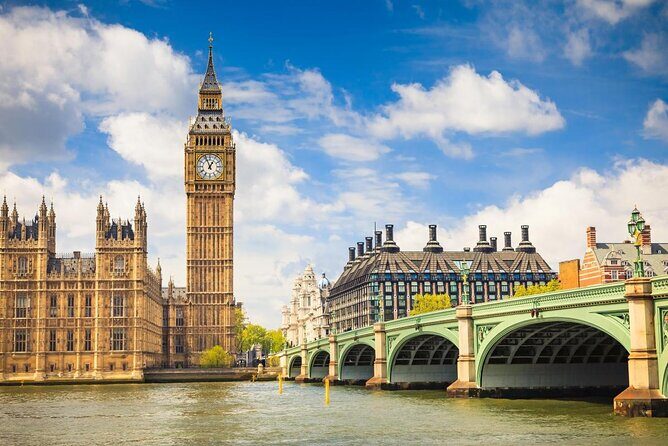
- Big Ben area photo stops timed for prime viewing during the day
- Westminster power tour: Supreme Court, Parliament area, Churchill statue, and more
- St James’s Park and St James’s Palace stops with royal-era context
- The Mall to Buckingham Palace for Trooping the Colour route vibes and guard watching
- Regent Street and Soho plus a major portrait-and-art gallery stop to wrap it all up
Why this 2-hour London landmarks walk is such a smart value
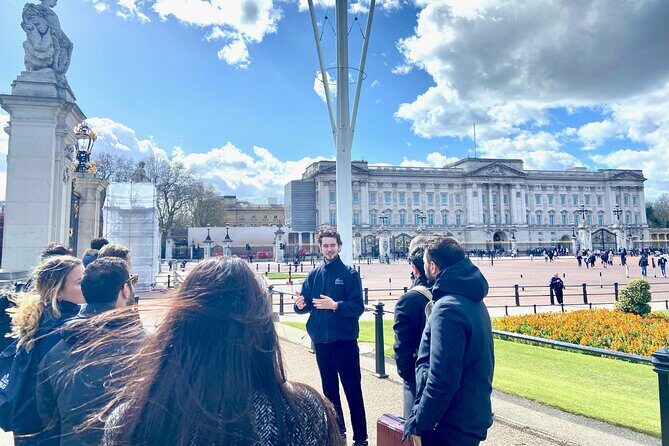
For first-time visitors, London can be a blur of monuments, crowds, and long distances. This tour is built to solve that problem with a simple plan: you get a guided route through central highlights in about two hours, without having to figure out the map the whole time.
At $20.80 per person, the value isn’t just the price. It’s what you’re buying: live commentary, a small-group feel (up to 25 people), and a built-in way to keep learning afterward through the Vox City app. If you only have a day or two, that mix of “see it now” plus “learn it later” is exactly what saves you time.
The timing also matters. Starting at 12:30 pm means you’re in the thick of the day’s central-city action, and the route is arranged so you’re near major photo points (and the royal guard atmosphere) during a useful window.
You can also read our reviews of more walking tours in London


Meeting at Trafalgar Square: how to avoid the most common problem
This tour starts and finishes at Trafalgar Square (Trafalgar Sq, London WC2N 5DS). The key detail is where to stand.
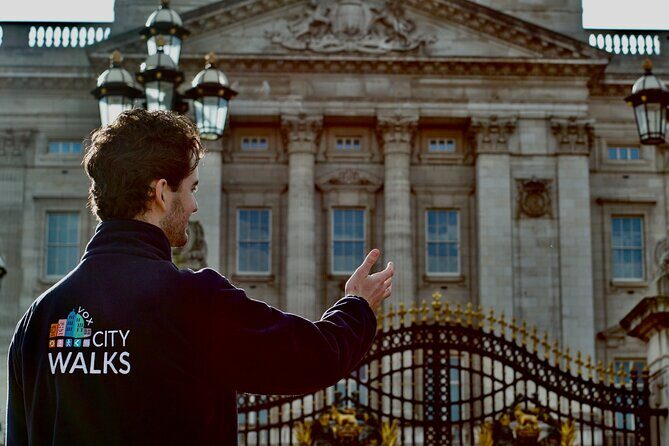
Meet your guide in Trafalgar Square next to the large, white cube statue on the 4th Plinth, opposite Canada House. Your guide wears a dark blue Vox City uniform. Arrive about 5 minutes early if you can, because the tour departure is real and central squares can be crowded.
One more practical tip: scan the QR code on your voucher to download the sightseeing app and audio guide prior to arrival. Since a mobile device and headset are not included, having everything ready ahead of time keeps you from fumbling with your phone mid-walk.
Stop-by-stop: what each highlight really feels like
This is a landmarks-and-stories route. You’re not just checking boxes—you’re being pointed to the small stuff: materials, symbols, layout, and why each place matters in the bigger London story.
1) Trafalgar Square: the “start button” for central London
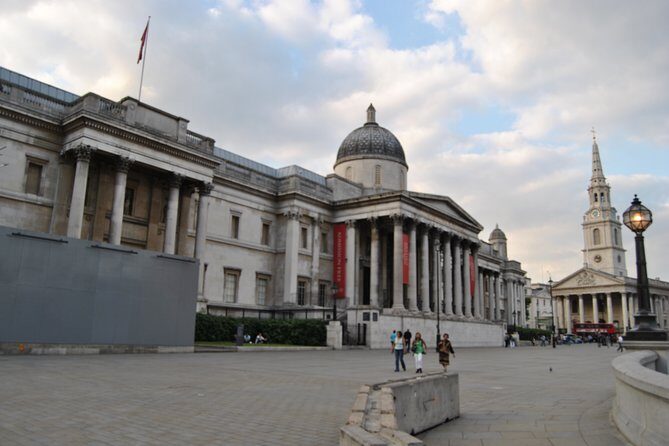
You begin at Trafalgar Square, built around the commemoration of the Battle of Trafalgar. It’s a great starting point because the square is a crossroads for sight lines and nearby landmarks. If you’ve never been to London, it’s also an easy place to recognize on a map once you’ve oriented yourself.
2) Big Ben area: seeing the clock tower like a local, not a postcard
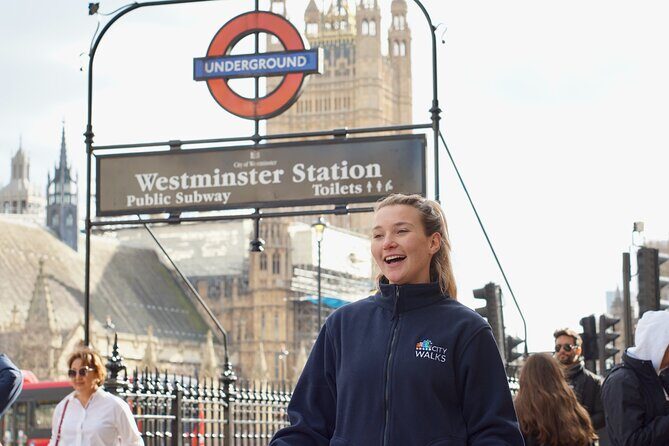
From Trafalgar Square you’ll head toward the Big Ben clock tower. The tour spotlights the tower’s renovated look—described as gleaming with golden and blue colours. That matters because London landmarks can look flat in photos, but in person you notice details like the way the tower sits against the sky and how the colours catch light differently as clouds move.
This is also a “pause and frame it” stop. You’re given time to take a snap and reset your eyes before moving onward.





3) Parliament area: the heart of UK politics (and how to read the buildings)
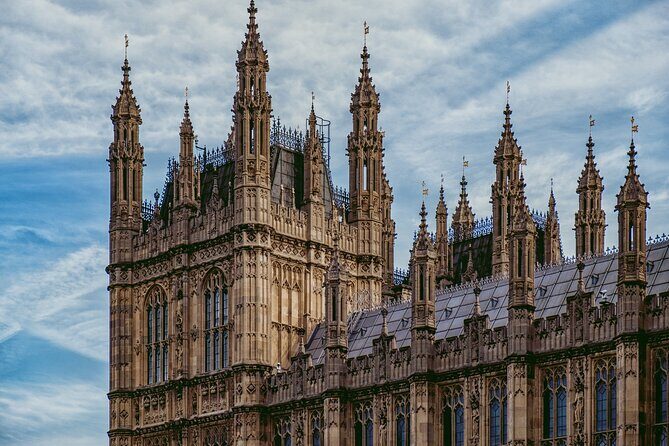
Next comes the politics core—laws debated for centuries, with the feeling that government here isn’t behind closed doors. The tour also includes a bronze statue of Winston Churchill, placing him in the context of wartime leadership and national memory.
The best part of this section is the way politics becomes visual. You’re not learning abstract facts; you’re learning how the area communicates power through its architecture and public space.
4) The UK Supreme Court: seriousness in stone
You’ll pass by the UK Supreme Court, where the most important civil and criminal cases have been heard for over 100 years. This stop works well because it adds variety to the walk. After centuries of politics talk, the Supreme Court adds a modern “rule of law” note—and you can see how London layers eras next to each other.
5) Westminster’s royal connection: an iconic church tied to monarchy
Then you’ll see the church that’s owned by the royal family and linked to coronations and royal burials. This is one of those places where the outside alone feels like a statement—London doesn’t whisper here. It points.
Even if you don’t go inside, the guide’s commentary helps you understand why people associate this area with both ceremony and long-term tradition.
6) St James’s Park: a royal hunting park vibe inside the city
Stroll through the lush St James’s Park, described as a green patch where King Henry VIII once hunted deer. That fact alone changes how you see the greenery. It’s not just a park you walk through—it’s a reminder that these spaces have served royal life for a long time.
7) St James’s Palace: a Tudor-era royal residence in view
From the park you’ll move toward the Tudor palace that generations of monarchs used as a royal residence. In a walking tour format, palace exteriors hit differently: you notice scale, gates, and the way the building anchors the surrounding streets.
8) The Mall: where Trooping the Colour happens (and where the Marathon finishes)
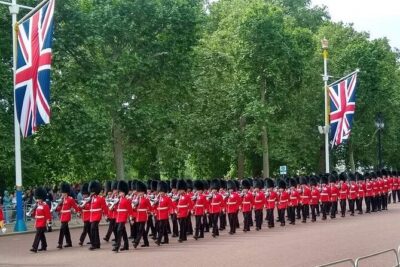
Next is the ceremonial route where Trooping the Colour is performed and the London Marathon finishes annually. This section is especially useful if you’ve ever seen those broadcasts on TV and wondered where the route is.
It also helps you understand London’s “event geography.” The same streets that host ceremony can also handle everyday movement—London plans for both.
9) Buckingham Palace and the King’s Guard: royal presence on full display
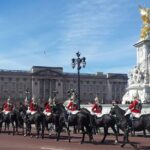
You’ll then get to the royal palace where monarchs still reside, along with the King’s Guard protection. This is the most photo-hungry part of the route. The tour includes moments to take snaps of the King’s Life Guard—the horseback unit known for red tunics and white plumed helmets.
A practical note: on the day, guard activity can shift with crowd flow and local schedules. What you’re really guaranteed is the tour’s positioning and the chance to see the royal guard atmosphere close up.
10) Churchill in wartime: the buildings tied to decisions
You’ll pass by buildings associated with Winston Churchill’s wartime decisions during World War Two. Even without entering anything, this stop adds meaning. Churchill becomes more than a statue; you start connecting leadership to the surrounding government district.
11) Regent Street: the “first shopping mall” idea in motion
Next is Regent Street, filled with flagship stores of world-class designer brands. The tour calls out the area’s connection to the first ever concept of a shopping mall. That’s a fun historical lens: even if you’re not shopping, you can read the street itself as a designed experience—shops, foot traffic, and the sense of movement.
The tour also mentions the area is guarded by the oldest police force in the UK. Even if you don’t go looking for it, that line gives you a sense that London’s “street theatre” is supported by real institutions.
12) West End theatres: stage culture right next to landmark sightseeing
You’ll walk near the West End, keeping an eye out for theatres and iconic stage productions. This makes sense after Regent Street: it’s a smooth transition from royal and political Britain to entertainment Britain.
13) Soho: food, fashion, entertainment, nightlife
Soho comes next—known for a mix of food, fashion, entertainment, and nightlife. On a landmarks tour, Soho is a useful contrast. It reminds you that London isn’t only museums and monuments; it’s also where people actually eat, dress up, and make evenings happen.
14) The portrait-and-art gallery stop: turning photos into art appreciation
The final stretch includes an art gallery that houses thousands of portraits, paintings, and sculptures from artists around the world. Since entries aren’t included, you’ll likely focus on the outside and the context the guide provides. Still, it’s a great way to end with a “bigger picture” note—especially if you plan to come back later when you have more time.
Who this tour is perfect for (and who should consider something else)
This tour fits best if you want:
- A fast orientation to central London
- A route that strings together major landmarks without multiple transfers
- A live guide who keeps the walk moving and makes the history feel connected
It’s also great for mixed groups: families, older visitors who still can do a 2-hour walk, and anyone who wants a guided introduction before picking museum or palace visits later.
If you’re the type who wants long, deep stops—like spending half a day in a single museum—this probably won’t satisfy that hunger on its own. It’s built for overview, not for lingering inside attractions.
The guides: small group energy and story-driven stops
The tour’s strongest ingredient is the human one: guides who keep groups engaged and time the walk well. Names you may be assigned include Freya, Jess, Sebastian, and Lou/Lew.
Across different guides, the consistent theme is clear: they make the stops make sense. You get historical context, photo timing, and explanations of how the area works. One reason that stands out is the small group size—up to 25 means questions can actually happen, instead of feeling like you’re shouting into the void.
Also keep in mind that London days can bring surprises. One guide may adjust the route due to local conditions like protests or crowds. If you go in with flexible expectations, that adaptability is a plus, not a problem.
Practical tips before you go
- Wear comfortable walking shoes. Two hours is short, but London sidewalks add up.
- Charge your phone and download the Vox City app using the QR code on your voucher before you arrive.
- Keep your meeting-point plan simple: white cube on the 4th Plinth, opposite Canada House, dark blue Vox City uniform.
- Bring water and something light to eat if you’re prone to getting hungry mid-walk (the tour doesn’t include entries, and it’s a central-city route).
Should you book London: Landmarks Walking Tour?
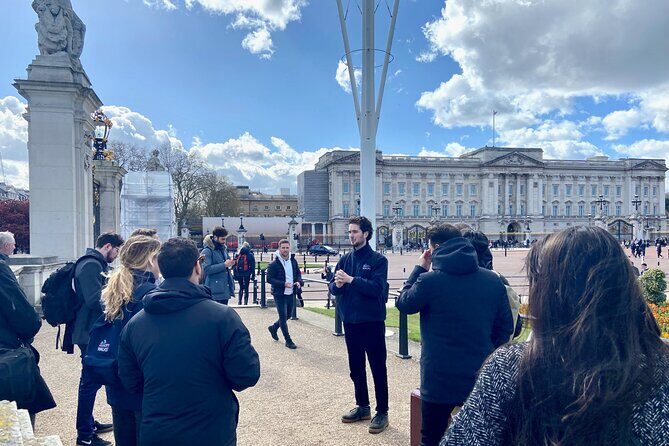
Yes—if you want a smart first pass through central London. For $20.80, you get a guided overview of the Big Ben/Westminster axis, the royal parade-area feel of the Mall and Buckingham Palace, and a final glide through Regent Street, Soho, and an art-gallery zone. That’s a lot of orientation for the time.
I’d hesitate only if you’re hoping for lots of indoor time or detailed museum access, because the tour doesn’t include attraction entry tickets. And if you don’t like the idea of meeting at a specific spot and starting promptly, arrive early and get your phone ready with the app ahead of time.
If you’re doing London on a tight schedule, this is the kind of tour that helps you spend your later hours smarter.
FAQ
How much does the London Landmarks Walking Tour cost?
The price is $20.80 per person.
How long is the tour?
The tour lasts about 2 hours.
When does the tour start?
The start time listed is 12:30 pm.
Where do I meet the guide?
Meet at Trafalgar Square at Trafalgar Sq, London WC2N 5DS, next to the large white cube statue on the 4th Plinth opposite Canada House.
Where does the tour end?
The tour ends back at the meeting point in Trafalgar Square.
What’s included in the tour?
Included are a London landmarks guided walking tour, live commentary in English, and the Vox City sightseeing mobile app (available in English, Spanish, French, German, Italian, and Mandarin).
What is not included?
Not included are a mobile device and headset, public transportation tickets, and entry tickets to attractions.
What language is the tour offered in?
The tour is offered in English.
How many people are in a group?
The tour has a maximum of 25 travelers.
Is free cancellation available?
Yes. You can cancel up to 24 hours in advance for a full refund.
Are service animals allowed?
Yes, service animals are allowed.