REVIEW · LONDON
London: Notting Hill Self-Guided Walking Tour with an APP
Book on Viator →Operated by Trippy Tour Guide · Bookable on Viator
Notting Hill works best when you can wander without a schedule. This self-guided route pairs offline maps with GPS-style cues, so you can move at your own pace while hearing stories at key film spots and landmarks. I like the mix of Victorian-and-Edwardian streets plus practical, “look-and-linger” stops like Portobello Road Market.
Two things I’m especially into: the 20+ narration points that explain what you’re seeing, and the option to shop, pause for coffee, or browse antiques along the way. The one drawback to factor in is that the app experience depends on your phone setup, so it helps to start with GPS enabled and download the app before you leave.
You start at Notting Hill Gate and finish at Lansdowne Crescent. Expect roughly 1–2 hours, then you’re right in the middle of local life—cinemas, bookshops, terraces, and markets—without needing to book another thing afterward.
In This Review
- Key highlights worth planning around
- Notting Hill Gate to Lansdowne Crescent: what you’re really buying
- Using the Trippy Tour Guide app: keep GPS on and plan for smooth start-up
- Stop 0: The Gate Picturehouse (1911) and film-time nostalgia on the street
- Pembridge Road: Victorian and Edwardian detail you can actually see up close
- The Blue Door: the Notting Hill film landmark and what you can’t do
- The Notting Hill Bookshop: when location beats accuracy
- Portobello Road Market: where you should slow down (and when)
- Electric Cinema: a classic-meets-modern break for film lovers
- Lansdowne Crescent: townhouses with Georgian and Victorian flair
- How long it really takes, and how to pace your coffee breaks
- Logistics that matter on a self-guided walk (so you don’t waste time)
- Is it worth $14.99? The value math for a short Notting Hill day
- Who this Notting Hill app walk suits best
- Should you book this Notting Hill self-guided tour?
- FAQ
- FAQ
- How long is the Notting Hill self-guided walking tour?
- Where does the tour start and end?
- Is this tour fully self-guided?
- Do I need Wi-Fi or mobile data during the walk?
- What language is the tour in?
- What’s included in the $14.99 price?
- Are tickets or entry fees required at the stops?
- What should I know about the Blue Door stop?
- What are the opening hours for the experience?
- Can I cancel for a full refund?
Key highlights worth planning around
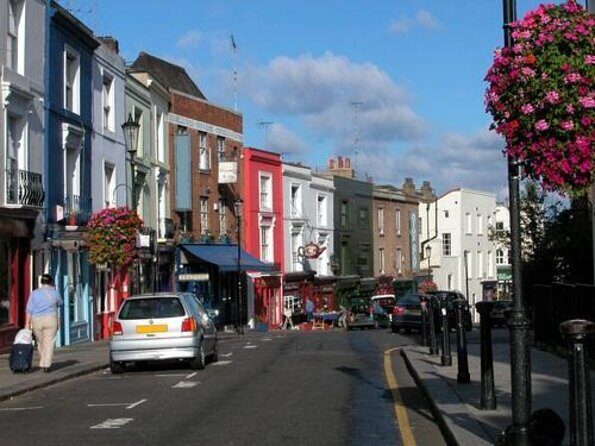
- Offline map + no Wi-Fi: navigate without mobile data once you’re set up
- GPS-triggered narration: prompts appear as you reach each stop
- Movie-linked stops on foot: Gate Picturehouse, The Blue Door, and film-familiar streets
- Portobello Road Market time: fresh food, antiques, and browsing options (big Saturday antique pull)
- A proper neighborhood walk: Pembridge Road and Lansdowne Crescent for architecture and street-level charm
- Cinema stops included: Gate Picturehouse plus Electric Cinema as film-weather options
Notting Hill Gate to Lansdowne Crescent: what you’re really buying
This tour is not about getting herded to a handful of photos. It’s about stitching together a walk that feels like Notting Hill—at a speed you control. You’ll get a route that connects famous film locations with everyday street scenes, then you’re free to linger at the places you like most.
At $14.99 per person for a 1–2 hour self-guided experience, the value is in what’s bundled into your phone: access to the app, a fully offline map, and 20+ narration points. If you’re the type who would otherwise buy a paper guide, pay for entry tickets, or miss context while you’re snapping photos, this helps you slow down and understand what you’re looking at.
The pricing also makes sense for short trips. One well-timed walk can replace the “extra hour” that turns into an expensive detour. If your day is already tight, this gives you structure without stealing your afternoon.
You can also read our reviews of more walking tours in London



Using the Trippy Tour Guide app: keep GPS on and plan for smooth start-up
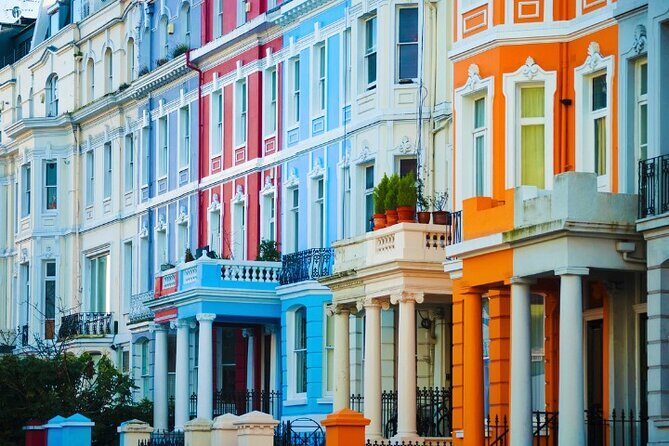
The heart of this experience is the Trippy Tour Guide app. You’ll use it with the mobile ticket, and the route comes with directions to both well-known sights and quieter corners. The big practical win is the offline map, so you’re not stuck hunting for signal.
Here’s how to set yourself up for the best experience:
- Download before you go and make sure you can open the app outdoors.
- Enable GPS / location so the app can sync the narration to where you are.
- Keep your phone’s battery in mind; you’re walking for 1–2 hours and using GPS.
One consideration: if your phone is slow to get a location fix, it can affect how quickly you see stop prompts. Also, some people have found activation and re-entering the app at a stop can be a bit fiddly. The fix is simple: if the flow breaks, take a moment to confirm you’re on the tour screen again before continuing.
If you run into a real glitch, the provider has reportedly been able to contact guests quickly to help troubleshoot. Still, don’t make this tour your only plan for a day of tight connections—keep a little buffer.
Stop 0: The Gate Picturehouse (1911) and film-time nostalgia on the street
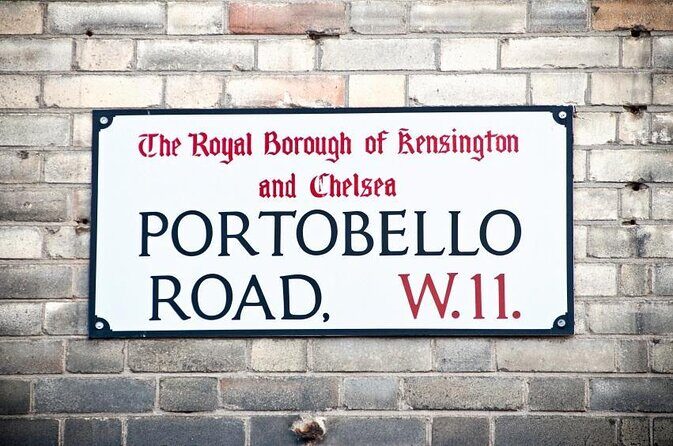
Your tour starts near Notting Hill Gate, then one of the first landmarks you’ll hit is The Gate Picturehouse in Notting Hill. This cinema dates back to 1911, and it’s got the kind of vintage look that feels like the neighborhood kept a piece of its older self.
If you know Notting Hill from the movie, you’ll recognize this cinema from the humorous scuba goggles scene. Even if you don’t care about the film, this stop works because it’s an actual working cinema with a long timeline, not just a random plaque or storefront.
What to do here:
- Take a slow look at the facade and imagine it in different decades.
- Use it as a mental warm-up for the rest of the route.
Possible drawback: you’re outside a cinema. The exterior is the main “tour payoff” from this stop, and the experience doesn’t include a guaranteed ticketed viewing inside. If a screening is happening, you might be tempted—but the tour itself is built for walking and spotting.
Pembridge Road: Victorian and Edwardian detail you can actually see up close
Next up is Pembridge Road, a street that’s basically a classroom for architectural styles. You’ll see a blend of Victorian and Edwardian buildings with vivid decorative touches—exactly the kind of thing that’s easy to miss if you’re zipping by on the tube.
You’ll likely want around 10 minutes here, which is about right. Too long and you start hunting for tiny details without moving. Too short and you won’t notice the patterns that make this street special.
Quick practical tip: when you pause here, step back far enough to take in the street rhythm, then move closer for the facades. This helps you connect the “big picture” look with the smaller design elements.
The Blue Door: the Notting Hill film landmark and what you can’t do
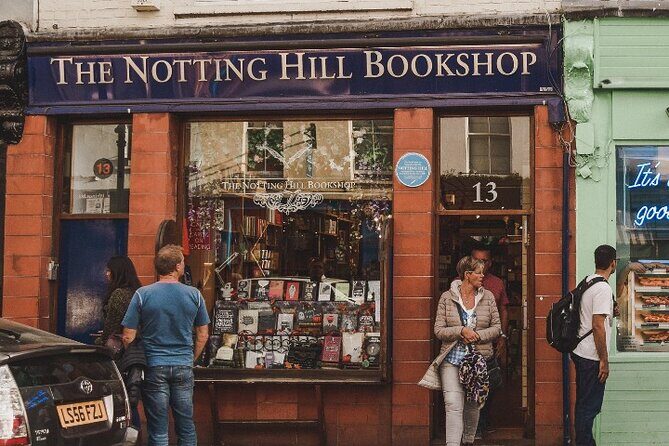
One of the most recognizable “film spot” stops is The Blue Door, associated with Hugh Grant’s character’s residence in Notting Hill. The iconic clue is in the name: the door is the focal point, and it’s what people come to see.
Important reality check: the interior is private. That means this stop is about the outside view and the nearby streetscape, not about going in.
What makes this stop worth it anyway:
- It’s a fast photo-and-look stop.
- It gives you a concrete way to connect film imagery to real neighborhood geometry.
Time-wise, plan on about 20 minutes. That’s plenty if you want a couple pictures and a short stroll around the immediate area to understand the street angle and sightlines.
You can also read our reviews of more guided tours in London






The Notting Hill Bookshop: when location beats accuracy
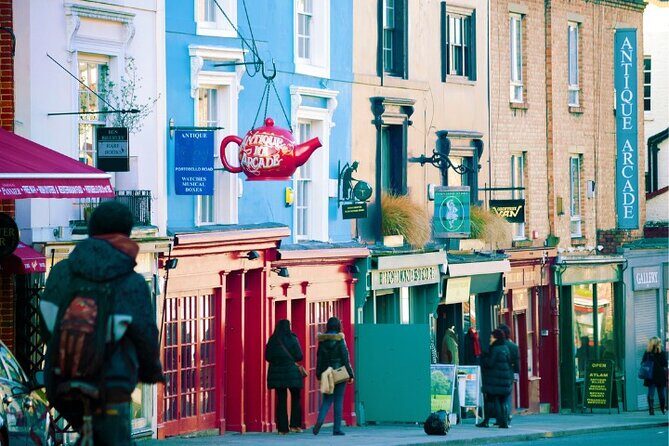
The tour also includes The Notting Hill Bookshop, specifically the Travel Bookshop that’s often mistaken for the film’s version. Even though it isn’t the exact same backdrop from the movie, it’s in the area and shares the same basic “books + romance + tourists” energy—so it became a fan favourite.
This is the kind of stop I like on a self-guided walk. You can browse if you want, step away if you don’t, and you’re not wasting time in a venue that feels forced. If you’re a book person, you may find it extra fun; if you’re not, you still get a sense of how locals and visitors treat the shop as part of the neighborhood story.
Plan around 20 minutes here. If the shop is busy, you can still enjoy the window display vibe and move on without feeling rushed.
Portobello Road Market: where you should slow down (and when)
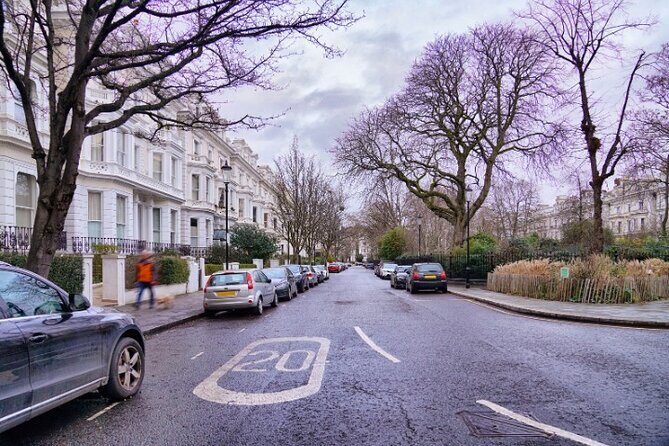
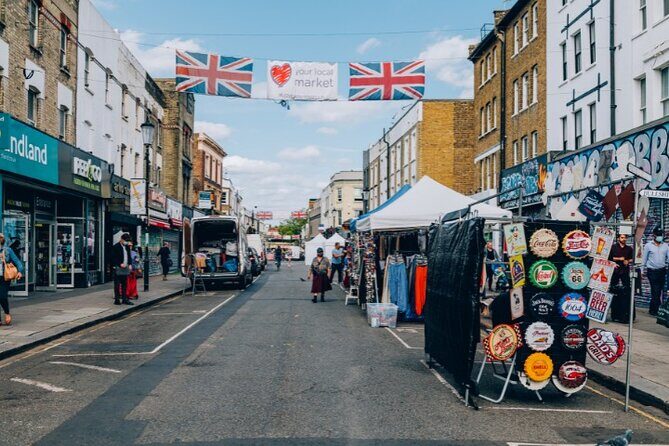
If you only remember one part of this walk as an actual activity, make it Portobello Road Market. This stop offers a sensory mix: fresh produce, antiques, and the kind of browsing that turns a photo stop into a mini afternoon.
The market is described as being frequented six days a week. The biggest pull, especially for antique lovers, is the Saturday antique sale. So if you’re choosing which day to do this walk, Saturday can be the day to lean into the market angle.
You’ll spend around 20 minutes, which works if you treat it like a sampler:
- Look at one or two sections.
- Pick one thing you’d actually carry or use.
- Continue rather than getting stuck comparing everything.
Possible drawback: markets can get crowded, and Portobello’s foot traffic can slow you down. Since this tour is GPS-based, congestion sometimes makes it feel like the app cues lag a bit. If that happens, don’t fight the device—just keep your eyes up and walk the route. Your satisfaction comes from the street experience more than perfect timing.
Electric Cinema: a classic-meets-modern break for film lovers
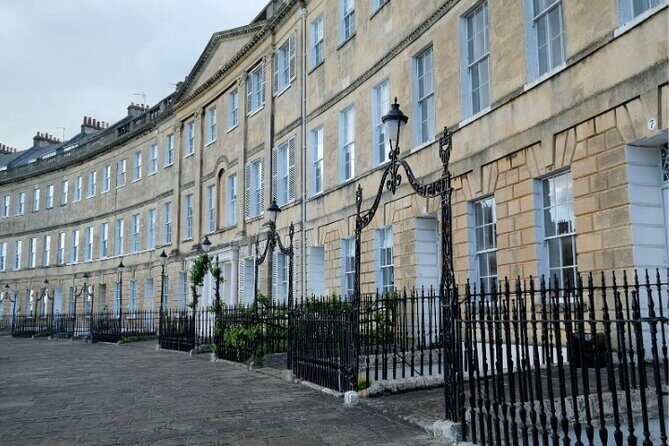
Another cinema stop on this tour is Electric Cinema, where vintage charm meets a modern film setup. The tour info points out lush leather seats and a nostalgic-but-up-to-date film experience.
Even if you don’t plan to watch a movie, this stop is a good change of pace. You get a break from pure shop-and-street watching, and cinemas are natural “rest points” for legs and attention.
If you’re doing the tour on a day when weather is moody, think of Electric Cinema as a practical fallback. You can stay dry and still feel like you’re doing something aligned with the route’s theme.
Lansdowne Crescent: townhouses with Georgian and Victorian flair
Your walk wraps at Lansdowne Crescent. This is one of the places you’ll appreciate more the longer you look at it. The terraces bring Georgian and Victorian character, and the road carries that classic Notting Hill look of ordered facades and residential calm.
The tour info notes it was also the setting for a memorable Notting Hill film scene. Since the tour ends here, this stop works as a payoff: you’ve spent an hour or two matching film memories and architectural details, and now you’re finishing on a street that feels like the neighborhood’s ideal postcard.
Plan on around 15 minutes. It’s long enough to take photos, slow down, and close out the walk without lingering so long that you start losing the “walk momentum” that keeps this tour fun.
How long it really takes, and how to pace your coffee breaks
The tour is designed for about 1 to 2 hours. That range matters because you’ll have optional time built into each stop (some are 10 minutes, others 15–20). Your pacing is the variable.
A good rhythm is:
- Move efficiently between stop clusters.
- Treat Portobello Road and the Bookshop as your main “linger” zones.
- Use Pembridge Road and The Blue Door for shorter look-and-go moments.
Coffee note: the tour includes options to stop for coffee or browse shops and stalls as you explore, but snacks aren’t included. If you care about eating, plan to grab something along the route rather than expecting it in the package.
If you want the best experience, pick a time of day when you’re not rushing to another reservation. This is the kind of walk where you’ll enjoy it more if you leave your next plan flexible by even 30–60 minutes.
Logistics that matter on a self-guided walk (so you don’t waste time)
This is a private tour/activity, meaning only your group participates. For self-guided tours, that usually translates into fewer concerns about matching schedules and more flexibility on timing.
You’ll start at Notting Hill Gate, London W11 3HT, UK and finish at Lansdowne Crescent, W11. The tour is offered daily between 9:00 AM and 9:00 PM, which gives you plenty of options for lighting and crowd levels.
It’s also noted as near public transportation. That matters because you can easily tie it into the rest of your London plan without turning the day into a single neighborhood loop.
The single biggest “do not ignore” detail is your phone setup:
- Enable location services.
- Keep the app open when you’re near stop areas.
- Make sure your battery won’t die mid-walk.
If you like self-guided travel, this route is built to feel low effort. If you prefer a fully guided narrative in real time, you might find yourself wanting more human explanation at certain spots. The tour answers a lot through narration, but it’s still you walking.
Is it worth $14.99? The value math for a short Notting Hill day
Here’s why this price can feel fair. You’re paying for:
- access to the Trippy Tour Guide app with your mobile ticket
- 20+ narration points
- detailed directions to attractions and quieter spots
- a fully offline map so you don’t need data
If you’re already planning to walk Notting Hill, the incremental benefit is context. A phone guide is most useful when it saves you from guessing why a door, facade, or cinema matters. That’s exactly what this tour is built around, from the Gate Picturehouse story to the Blue Door association and the market’s antique-day pull.
To judge value for yourself, ask:
- Do I want film and architecture context while I walk?
- Will I actually spend time at Portobello Road and at least one cinema-and-book stop?
- Can I manage GPS on my phone without fighting settings?
If the answer is yes, $14.99 is a reasonable buy for a focused neighborhood experience. If your idea of fun is quick photos only, you may not use enough narration points to feel the value.
Who this Notting Hill app walk suits best
This self-guided tour is a great fit if you:
- want freedom to linger at stalls, shops, and photo stops
- like film-linked sightseeing but also want real neighborhood street life
- prefer walking at your own pace with offline navigation
- are traveling on a budget and want structure without paid attractions
It’s less ideal if you:
- dislike relying on apps and want everything explained by a human guide
- hate phone settings work like enabling GPS and managing app triggers
- plan to walk with a dying battery or in a way that constantly drains your phone
Should you book this Notting Hill self-guided tour?
Yes, I think you should book it if you want a practical way to enjoy Notting Hill with built-in storytelling and an offline map. The strongest reasons are the GPS-style stop prompts, the 20+ narration points, and the way the route blends cinemas, architecture, and market time in about 1–2 hours.
Skip it if you’re the kind of traveler who needs a guide’s presence to feel satisfied, or if you know your phone can be unreliable with GPS outdoors. Also, if you hate app-based navigation, you’ll likely feel more friction than reward.
If you do book, set yourself up for success: download first, enable location, and treat Portobello Road as your main “slow down” stop. Then you’ll get the best version of Notting Hill—on your terms.
FAQ
FAQ
How long is the Notting Hill self-guided walking tour?
It’s listed as taking about 1 to 2 hours.
Where does the tour start and end?
The tour starts at Notting Hill Gate, London W11 3HT, UK and ends at Lansdowne Crescent, W11.
Is this tour fully self-guided?
Yes. It’s a self-guided walking tour using the Trippy Tour Guide app.
Do I need Wi-Fi or mobile data during the walk?
No. The tour includes a fully offline map, so you do not need Wi-Fi or data once you have the app set up.
What language is the tour in?
The tour narration and content are offered in English.
What’s included in the $14.99 price?
You get access to the London Notting Hill self-guided walking tour in the Trippy Tour Guide app, 20+ narration points, and detailed directions, plus an offline map.
Are tickets or entry fees required at the stops?
The stops listed show admission ticket free for the locations included in the route.
What should I know about the Blue Door stop?
The Blue Door is an iconic film landmark, but the interior is private.
What are the opening hours for the experience?
It’s available daily from 9:00 AM to 9:00 PM.
Can I cancel for a full refund?
Yes. Free cancellation is available if you cancel up to 24 hours in advance for a full refund.