REVIEW · LONDON
London Private Jack The Ripper Tour
Book on Viator →Operated by Tours Of The UK · Bookable on Viator
Jack the Ripper has a street map. This private 2.5-hour walking tour turns notorious murders into something you can actually follow: a stop-by-stop route through Whitechapel, with your guide doing the explaining in clear, human terms. You’ll hit the “canonical” locations people argue about for years, from Polly Nichols to Mary Kelly, and you’ll understand why the story grew beyond the crimes.
Two things I really like: you’re with just your group (up to 15), so you’re not waiting for the loudest voice in a big crowd, and the guide support is genuinely personal. A guide such as Michael is also noted for helping solo visitors feel at ease, even walking them to the next transit point after the tour. One thing to keep in mind: this is an active, on-your-feet route—bring comfortable shoes.
In This Review
- Key takeaways before you go
- Private Jack the Ripper walks: why this format feels better
- Start in Whitechapel Road: Polly Nichols and the “first canonical victim”
- The Working Lads Institute: how inquests shaped what people believed
- Hanbury Street, 29 Hanbury Street: Annie Chapman and the press panic
- Henriques Street (formerly Berner Street): Liz Stride and the debate
- Mitre Square: the double event and how the name changed
- Goulston Street: a vital clue in the investigation
- Gunthorpe Street: possible earlier murder, plus forensics lessons
- Old Spitalfields Market: Mary Kelly and the final canonical stop
- What you’re paying for: price, group size, and value
- Timing and movement: plan for short walks and one transit gap
- Solo traveler comfort: what to expect when you’re not traveling with a crowd
- Should you book this London Jack the Ripper private tour?
- FAQ
- How long is the London Private Jack the Ripper Tour?
- Where does the tour start and end?
- Is this tour private?
- What’s included in the tour price?
- Are there admission tickets required at the stops?
- What group size does the pricing cover?
- Is the tour offered in English?
- Is service animal access allowed?
- What is the cancellation policy?
Key takeaways before you go

- Private group format means you can ask questions and adjust pace without being shuffled.
- Full route coverage takes you through the key “canonical” murder sites, in order.
- Victorian context matters, from inquests at the Working Lads Institute to newspaper-fueled panic.
- Name origin gets explained, including how communications tied to the Central News Agency helped shape the Jack the Ripper label.
- Clues and modern forensics get addressed, including what later investigators tried to learn from the evidence.
Private Jack the Ripper walks: why this format feels better
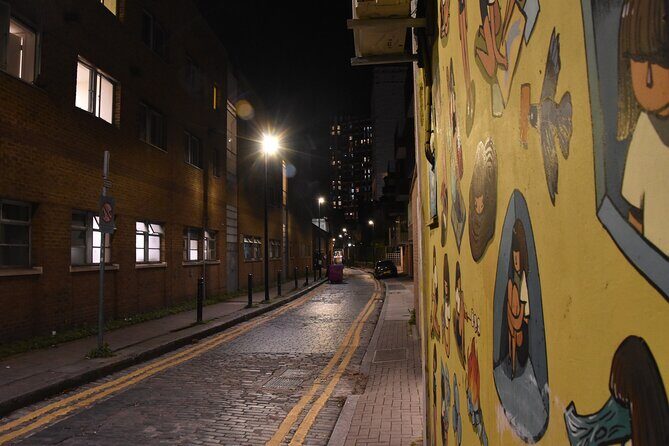
Jack the Ripper tours can be a mix of vibes and facts. This one stays anchored in place. Because it’s private, your group has room to process the details without the “everyone rushes forward” feeling that can happen in larger groups.
That matters more than you’d think. The Whitechapel story is messy: different victims, different theories, and a lot of Victorian-era public noise. When you can ask follow-ups—like why certain victims are considered canonical, or why other deaths are disputed—you get a clearer picture instead of a foggy legend.
You’ll also appreciate that this tour is designed for real questions, not just spooky narration. The stops are close enough to create momentum, but each one is given enough time for your guide to connect the dots.
You can also read our reviews of more private tours in London
Start in Whitechapel Road: Polly Nichols and the “first canonical victim”
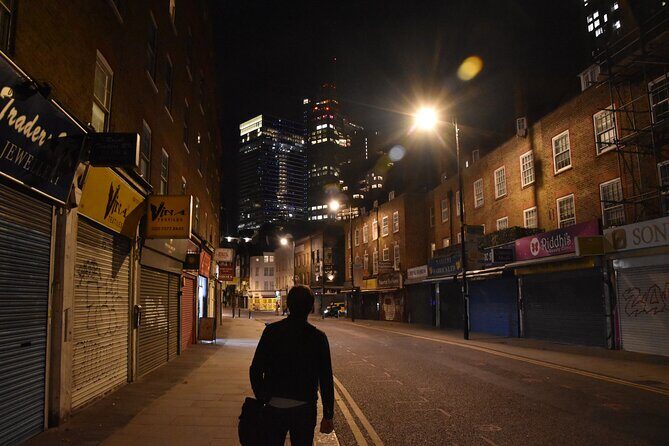
Your tour begins at 277 Whitechapel Rd, London E1 1BY, and your first stop is a short walk from Whitechapel Station, tied to the first canonical murder. Here, your guide focuses on Polly Nichols—what happened, how she was discovered, and why she gets treated as the first canonical victim in the way people recount the case.
This opening is useful because it sets the rules of the story. You’re not just learning names—you’re learning how the narrative gets built. Your guide’s job at this stage is to show you the difference between what’s documented, what’s inferred, and what later writers turned into certainty.
One practical perk: the stop is quick and focused (about 10 minutes), so you don’t burn the entire tour hearing the same “greatest hits” summary you can read in a brochure. You’re getting oriented early, then moving forward.
The Working Lads Institute: how inquests shaped what people believed
Next up is outside the former Working Lads Institute, where the Ripper inquests were held. This is one of the most interesting stops because it shifts the story from street crime to Victorian legal process.
Your guide explains how inquests worked during that era—how cases progressed, who was called as witnesses, and what outcomes came out of those sessions. Even if you’re not a law-and-history person, this helps you understand why the public story hardened over time.
In plain terms: when a community hears conclusions through formal hearings (and through reporters covering those hearings), the case becomes more than a rumor. It becomes a narrative people repeat.
Hanbury Street, 29 Hanbury Street: Annie Chapman and the press panic
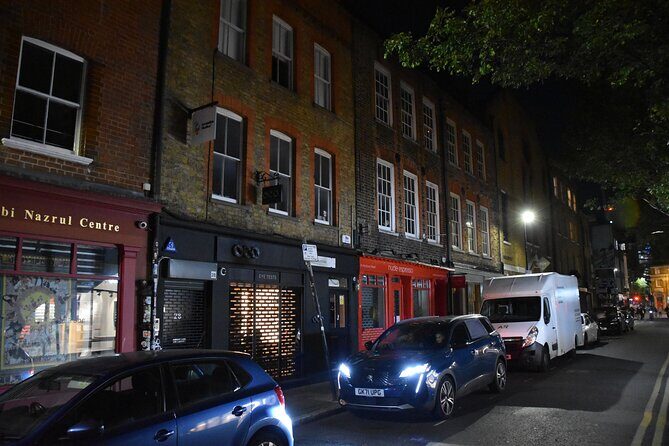
At Hanbury Street, your tour points you to 29 Hanbury Street, the place connected with the second canonical victim, Annie Chapman. This stop is where the mood shifts from facts-on-the-ground to a society-wide reaction.
Your guide covers how Chapman’s death sparked public and media panic. That panic then increased pressure on local police, especially as London newspapers promoted the idea of someone called the Whitechapel Murderer. You’ll also get the answer to the key question you’ll hear framed during the tour: how the chaos in the press helped fuel the myth that became Jack the Ripper.
Why this stop is valuable is simple. The Ripper story didn’t just grow because crimes happened. It grew because the public learned to interpret those crimes through headlines, fear, and repetition. Once you see that mechanism, you can start understanding the legend as something people built in real time.
Henriques Street (formerly Berner Street): Liz Stride and the debate
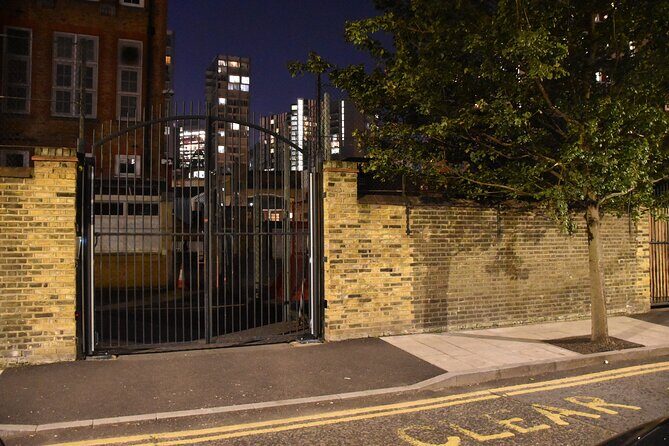
On Henriques Street (formerly Berner Street), the tour addresses the third canonical murder: Liz Stride. Your guide points out a detail that’s central to a lot of debate—Stride was not mutilated after her murder. That becomes a reason some people question whether she fits the most famous version of the Ripper profile.
Here’s what I think you should take away: uncertainty is part of the story. Even when people call these locations canonical, not every detail matches neatly with the label everyone knows. Your guide uses this tension to explain why conjecture survives.
And honestly, this is where the private format helps again. If you’re the type who wants to sort out what’s firmly established versus what’s theory, you can ask for clarity without the tour moving on while you’re still thinking.





Mitre Square: the double event and how the name changed
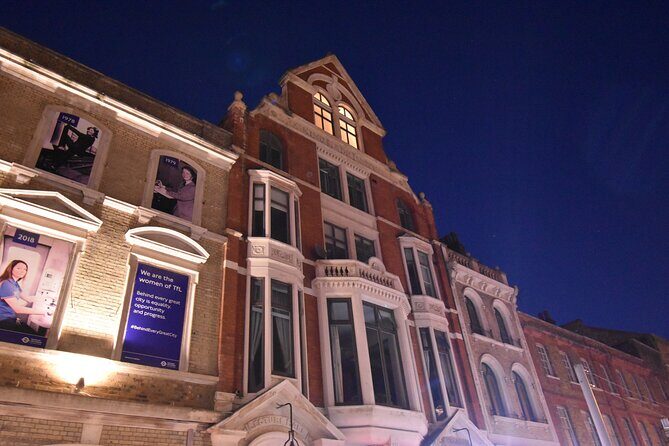
At Mitre Square, you’ll reach the site linked to the fourth canonical victim, Catherine Eddowes. This is also where the tour explains the so-called double event—the night when two women were murdered.
Your guide connects that event and the messages sent to the Central News Agency in London to the moment the label evolves. You’ll learn how communications helped drive the naming of the Whitechapel Murderer as Jack the Ripper, and how that shift mattered to the way people understood the case afterward.
This stop is one of the best “story mechanics” lessons on the whole route. It’s not just about a name. It’s about how media systems can accelerate a myth—how a label can become shorthand for a theory, and then for a whole brand of fear.
If you like history that explains cause-and-effect, you’ll probably lock into this section.
Goulston Street: a vital clue in the investigation
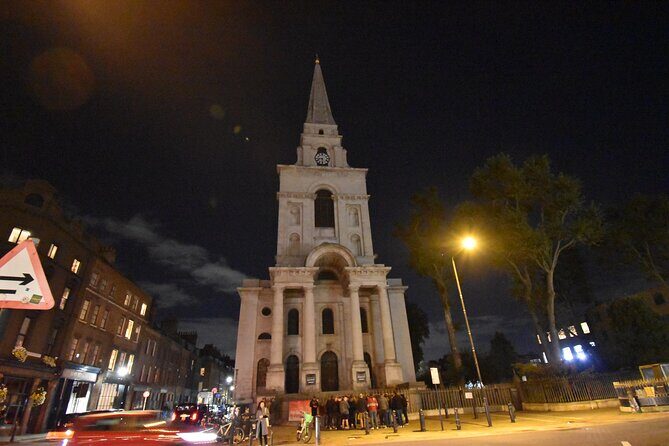
Next is Goulston Street, where the tour describes a vital clue connected to the investigation into one of the UK’s most notorious serial killers. The tour doesn’t just throw you a mystery and move on. Your guide gives context for why that clue mattered, and how it fits into the bigger case.
Because the details are handled by the guide, you’ll get the sense of what later people tried to use the clue for. This is a stop built for people who want the case to feel like an investigation, not only a list of addresses.
In terms of pacing, it’s another short, focused segment (about 10 minutes), which keeps the tour from dragging. You’ll probably find yourself thinking about this clue again later when you connect it to forensic questions at the next stop.
Gunthorpe Street: possible earlier murder, plus forensics lessons
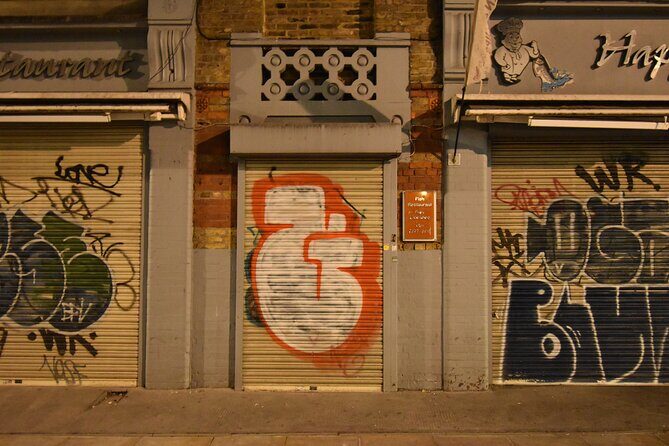
At Gunthorpe Street, your guide covers an earlier possible murder site. This stop is aimed at the question people keep circling: was there a first act in this story that didn’t get treated the same way as the later canonical murders?
You’ll also hear how modern policing techniques and forensic science have been applied to Ripper investigations. The goal isn’t to pretend science solves everything instantly. It’s to show you what later methods can do when you’re looking back at Victorian-era evidence and records.
This section is especially good if you like a reality check. The Ripper story is full of gaps. Forensics doesn’t magically fill every blank, but it can clarify what might have been missed or misread.
Old Spitalfields Market: Mary Kelly and the final canonical stop
The tour ends at Old Spitalfields Market, the location tied to the fifth and final canonical murder of Mary Kelly. This stop gives the case an ending point that’s easy to remember: five canonical victims, a route through Whitechapel, and a final address that people treat as the closing chapter.
After that, the tour finishes at Liverpool Street Station (meeting point is the start address near Whitechapel Road). It’s a practical landing. Liverpool Street makes it easy to continue your day across London.
One more small plus: each stop is described as admission ticket free, so you’re not buying separate entry fees to “stand in the right spot.” You’ll rely on the guide’s explanations and the street-level surroundings.
What you’re paying for: price, group size, and value
The tour costs $246.91 per group, with room for up to 15 people. That sounds high if you imagine booking for just one or two. But think of it like a private lesson on a specific London story.
If you fill the group with 15 people, that’s roughly $16.46 per person—a bargain for a guide-led, route-based private experience. If it’s just a couple of you, the price lands more like a “treat yourself” private tour. Either way, you’re paying for two things: the guide’s time and the private format that keeps the pace sane.
This tour is also commonly booked about 45 days in advance. You don’t need panic, but if you’re traveling in peak season or on a busy weekend, it’s smart to lock it in sooner.
Duration is about 2 hours 30 minutes, so you’re getting a full route experience without losing most of a day.
Timing and movement: plan for short walks and one transit gap
You’ll be moving around Whitechapel and nearby areas for roughly 2.5 hours, with multiple 10-minute stops. That adds up to a fair bit of walking, even if each individual segment is short.
Also note this important logistics point: Underground travel between Whitechapel and Aldgate is not included. If your route requires that transfer, you’ll need to handle it yourself. The rest of the tour is set up so you can focus on the story, not ticket hunting at every corner.
For best results, wear shoes you can stand in for a while. One solo visitor specifically recommended being comfortable with walking, and that’s solid advice for anyone doing an urban route.
Solo traveler comfort: what to expect when you’re not traveling with a crowd
If you’re traveling alone, private tours can be a relief. You’re not singled out, but you also aren’t stuck in a large group where you feel pushed along.
There’s also a specific note tied to a guide named Michael: he’s described as making a solo woman feel comfortable, with no red flags, and even walking her to the tube station after the tour. Even if your guide isn’t the same person, that style of care—clear communication, respectful pacing—matters.
In a neighborhood known for a lot of tourists and a lot of stories, feeling grounded and safe is not a small detail. Choose your time, stay aware like you would anywhere, and you’ll likely find the tone is calm and instructional rather than sensational.
Should you book this London Jack the Ripper private tour?
Book it if you want a street-by-street version of the case that explains not only what happened, but how people learned about it and how the legend grew. It’s a good fit for history-minded travelers, literature lovers, and anyone who’s curious about how Victorian media and legal process shaped public belief.
Skip it if you’re looking for a mostly spooky ride with minimal walking and no context. This tour is built for interpretation: inquests, press panic, naming, and what later forensics can do when looking backward.
If your ideal London day includes a guided walk ending at a major transit hub like Liverpool Street, and you value the comfort of a small private group, you’re in the right place.
FAQ
How long is the London Private Jack the Ripper Tour?
It runs for about 2 hours 30 minutes.
Where does the tour start and end?
It starts at 277 Whitechapel Rd, London E1 1BY, and ends at Liverpool Street Station, London EC2M 7QA.
Is this tour private?
Yes. It’s a private tour/activity, so only your group participates.
What’s included in the tour price?
All guiding fees are included, and the experience includes a live guide.
Are there admission tickets required at the stops?
No admission tickets are listed for the stops, and each stop is noted as admission ticket free.
What group size does the pricing cover?
The price is per group, up to 15 people.
Is the tour offered in English?
Yes, it’s offered in English.
Is service animal access allowed?
Service animals are allowed.
What is the cancellation policy?
You can cancel for a full refund if you cancel at least 24 hours in advance of the experience’s start time. If you cancel less than 24 hours before the start time, the amount paid is not refunded.