REVIEW · LONDON
Make a Fascinator Hat with a Designer in London
Book on Viator →Operated by Elena Shvab Millinery · Bookable on Viator
Sinamay, steam, and a hat you made. This small-group fascinator workshop in central London is hands-on millinery, not a demo. You’ll shape a base, wire the edges, and work with veiling and traditional stitches in a cozy studio setting with Elena Shvab Millinery.
I love that you leave with a finished piece, not just new ideas. You also get all materials and tools provided, so you can focus on learning the techniques right away.
One thing to consider: it’s not for children under 8, and the class depends on good weather, so you’ll want a flexible plan if you’re visiting during unsettled days.
In This Review
- Key highlights worth planning for
- Why a fascinator workshop feels so London
- The studio setup: where you go and what that means
- What you’ll make: from basic hat block to a wearable design
- 1) Start with hat styles, materials, and trimming ideas
- 2) Build the base using a traditional hat block
- 3) Decorate with sinamay straw rolling, veiling, and steaming
- 4) Finish your hat and take it home
- Why Elena’s teaching style makes the workshop work
- Materials included: the quiet value hidden in the price
- Who this workshop suits best
- Timing and how to plan your day around it
- Price, value, and what you get for $165.13
- Should you book Make a Fascinator Hat with a Designer?
- FAQ
- What is the duration of the fascinator hat workshop?
- Where does the workshop meet in London?
- What time does the class start?
- What’s included in the class?
- How many people are in the class?
- What language is the workshop offered in?
- Is the workshop suitable for children?
- Do I need to bring anything with me?
- What happens if the experience is canceled due to poor weather?
- How does cancellation for a refund work?
Key highlights worth planning for
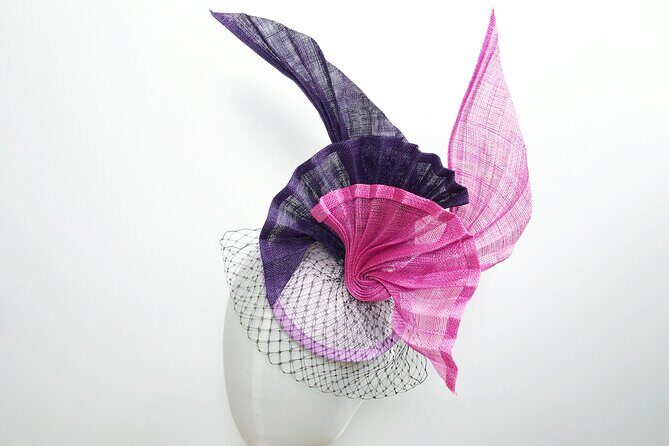
- Small-group size (max 6) keeps the instruction very hands-on
- All materials included, so you don’t have to hunt down supplies
- Classic techniques taught: hat-block base, wire, veiling, steaming, and millinery stitches
- Personal design choices with sinamay straw rolling and trimming styles
- Cozy studio pace where patience matters and step-by-step guidance helps
- A take-home creation you can wear again for events
Why a fascinator workshop feels so London
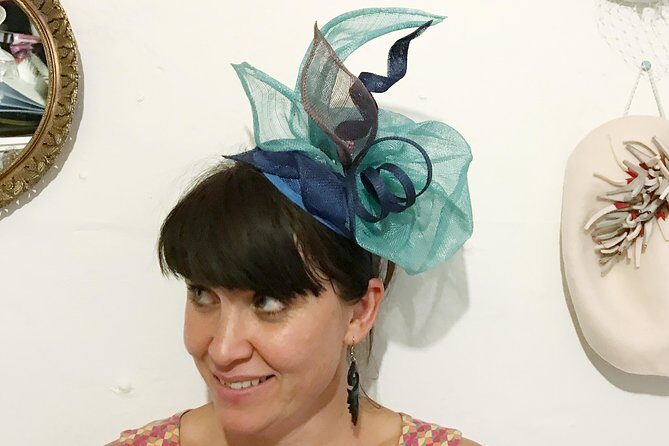
A fascinator is one of those distinctly British accessories that turns an ordinary outfit into something event-ready. It’s playful, a little theatrical, and very “show up dressed.” That’s exactly why I like this kind of workshop for London.
Instead of spending your afternoon hopping between sights, you’re making something tactile and personal. You’ll work with materials you can’t really “practice” from home—sinamay straw, veiling, wire, and steaming—so the experience is more than a craft souvenir. And because it’s a small group, you’re not stuck watching from the side.
This is also a smart way to get a creative moment that isn’t dependent on good luck with weather forecasts and queues. When the day is rainy, this kind of indoor activity is a real fix.
You can also read our reviews of more tours and experiences in London.



The studio setup: where you go and what that means
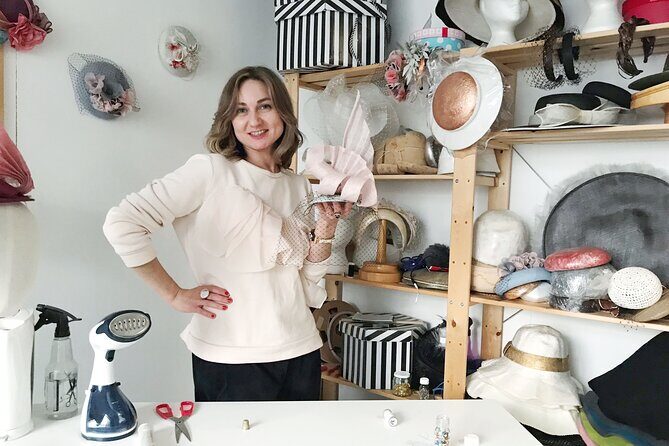
You’ll meet at Make Space Studios, Newnham Terrace, London SE1 7DR (start time 11:00 am). The location is described as near public transportation, which matters in London where time can disappear fast.
The class happens in a cozy studio space, and that feeling comes through in how people describe the workshop. A smaller room and fewer participants usually means you get clearer guidance and more chances to ask questions—especially if you’re not the type who has ever handled millinery tools before.
With a maximum of 6 travelers, you’re also less likely to feel rushed. That’s important for hat-making, because tiny adjustments to shape and trim can make a big difference in the final look.
What you’ll make: from basic hat block to a wearable design
The workshop is built like a proper mini course, even though it lasts about 3 hours. You’re not just decorating something pre-made. The goal is that you understand the structure, then you learn multiple ways to finish the look.
Here’s the arc of what happens in the class.
1) Start with hat styles, materials, and trimming ideas
You begin with a short introduction in the studio. You’ll learn about different hat styles, along with the kinds of trimmings and materials used in millinery. This is useful because fascinators can look very different depending on the shape of the base and the way veiling or rolled straw is applied.
If you’re trying to decide what vibe you want—classic, romantic, bold, or subtle—this opening segment gives you a vocabulary to make choices later.
2) Build the base using a traditional hat block
Next, you’ll learn how to make the base of your fascinator using a traditional hat block. This is the structural part, and it’s where many people are surprised to see how methodical hat-making can be.
You’ll also work with wire and learn how to trim and shape the edges. Getting this right helps your fascinator hold its form, instead of collapsing or looking uneven when you move your head.






3) Decorate with sinamay straw rolling, veiling, and steaming
Then comes the fun, visual stage. You’ll learn techniques of trimming and decorating, including:
- Sinamay straw rolling
- Working with veiling
- Steaming to help materials shape more naturally
- Traditional millinery stitches for secure finishing
These steps matter because fascinators aren’t only about looks. Materials need to sit the way you intend. Veiling can drape, roll, or frame depending on how you handle it. Sinamay responds to shaping and preparation. Steam isn’t just a gimmick—it’s part of how milliners guide materials into shape.
Even if you consider yourself uncreative, this is the kind of craft where guidance makes a huge difference. The class is set up so you can follow along step by step and still end up with something you’re proud to wear.
4) Finish your hat and take it home
By the end, you’ll have a completed fascinator hat that you made yourself. That take-home piece is one of the biggest reasons this workshop is such a good use of a London half-day: it turns into something personal you’ll remember whenever you get dressed for an event.
People also like that the session includes hands-on instruction rather than a quick run-through. You get time to practice the techniques, not just see them.
Why Elena’s teaching style makes the workshop work
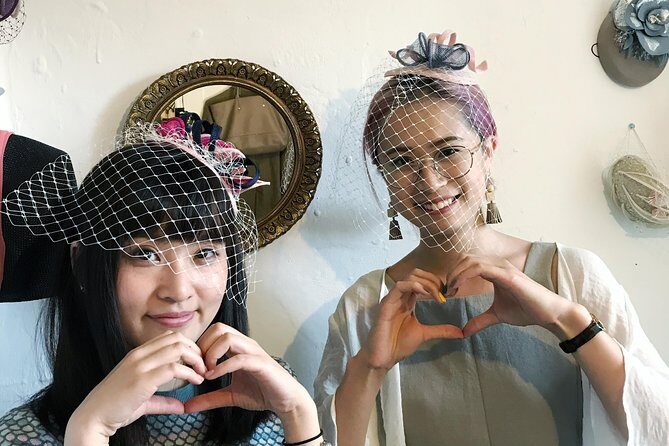
This class is led by Elena Shvab Millinery. The descriptions of her teaching show a consistent theme: patience, clarity, and a step-by-step approach.
That matters because millinery involves small, fiddly tasks. If you’re nervous about doing it wrong, you’ll feel a lot better with instruction that slows things down. If you’re the type who asks questions (I am), you’ll appreciate that the teaching tone supports that.
One extra detail that shows up in the experience is that the workshop includes tea and snacks. In a creative class, that small comfort turns the session into more of a warm workshop day than a strict class.
There’s also an example of Elena being flexible with scheduling when the group’s timing got complicated. That’s not something you can bank on for every trip, but it does suggest the instructor cares about making the experience happen.
Materials included: the quiet value hidden in the price
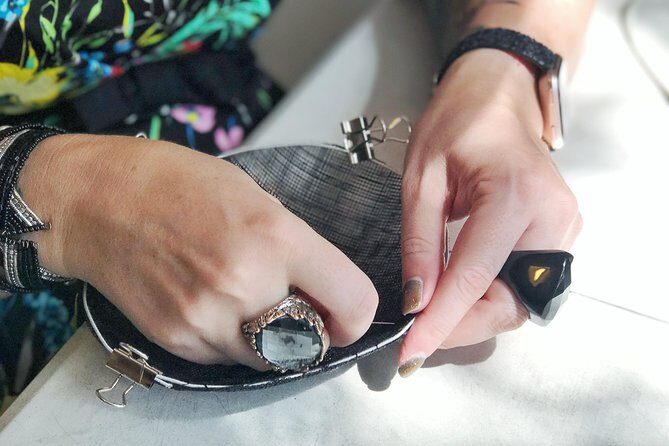
At $165.13 per person, this isn’t a bargain craft kit you can compare to a basic souvenir workshop. But it also isn’t overpriced for what you’re doing. The value comes from the combination of:
- instruction from a milliner
- a small-group format
- and all materials and tools provided
If you’ve ever tried to price out craft supplies in the UK, you know the costs can creep up quickly—especially for specialty items like millinery wire, veiling, and hat components. Here, you don’t need to bring anything, which keeps the day simple.
It also means your focus stays on the technique. You’re not negotiating with your own bag of supplies while trying to learn steaming, stitching, and shaping.
Who this workshop suits best
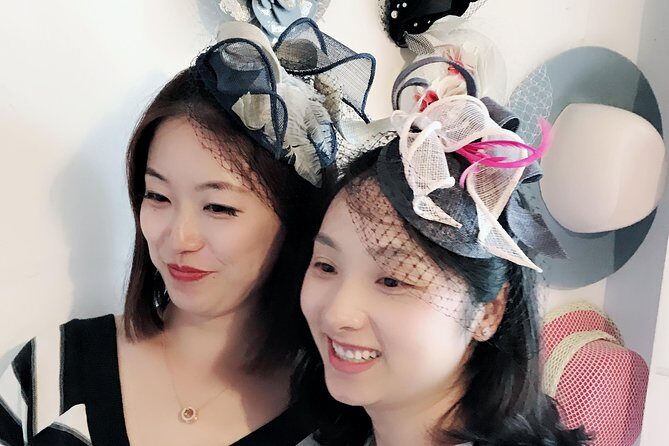
I think this is a strong choice if you fall into any of these buckets:
- You love British style, events, and dressy accessories
- You want a creative London activity that ends with something you can wear
- You’re traveling with a friend, partner, or family member and want a shared memory
- You’re not especially crafty, but you’re willing to follow directions and learn by doing
It also seems to work well for family time. Several people describe mother-daughter or multi-generation visits, where the class becomes a bonding activity. With a small group, you get enough attention without the workshop feeling crowded.
If you’re traveling with kids under 8, this won’t fit, since it isn’t suitable for children under 8.
Timing and how to plan your day around it
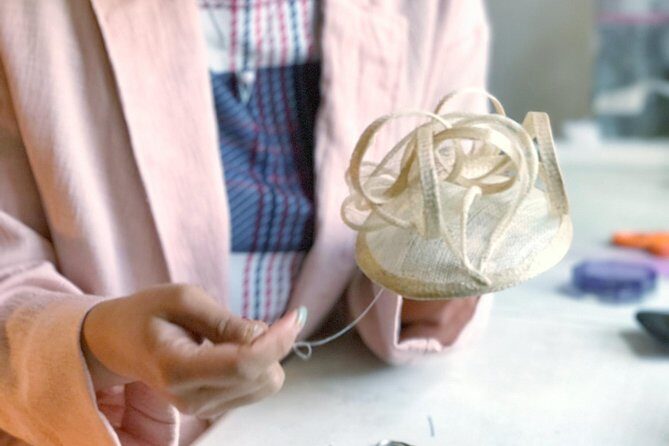
The workshop starts at 11:00 am and lasts about 3 hours. Since you’re making something that needs some finishing time, you’ll want space after class to admire your fascinator and store it carefully.
Also, plan around the idea that it requires good weather. The experience notes that if cancellation happens due to poor weather, you’ll be offered a different date or a full refund. That means it’s not ideal if your schedule is so tight that you can’t switch plans.
If you like to pack your London day tightly, consider this your main event and keep the rest lighter.
Price, value, and what you get for $165.13
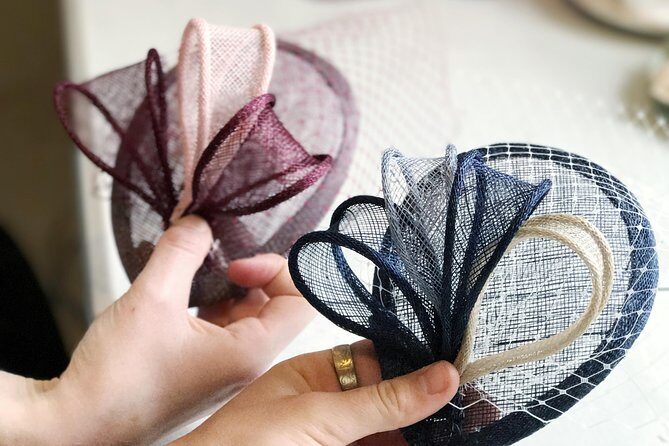
When I evaluate value, I look at three things: instruction quality, learning depth, and how much you take home.
Here, you get:
- hands-on teaching for the core millinery steps
- a structured process from base-making to finishing
- and a completed custom fascinator you take home
The small-group size (max 6) increases the chance you’ll get individual feedback while you work. And because materials are included, the money feels tied to the craft itself rather than surprise add-ons.
If you’re looking for a quick photo stop, this won’t be that. If you want a real craft skill and a wearable result, the pricing makes more sense.
Should you book Make a Fascinator Hat with a Designer?
Book it if you want a memorable London experience that’s hands-on and personal. You’ll likely enjoy it most if you like learning by doing, you care about the details, and you want something you can wear again for weddings, race days, garden parties, or any event where dressing up matters.
Skip it only if:
- you need an activity that requires zero focus or you want something purely passive
- you’re traveling with children under 8
- your schedule can’t handle a weather-related reschedule or refund
If you’re on the fence, here’s my simple take: this is one of those rare London activities where the day produces a tangible result, and the teaching style is built for people who want to get it right.
FAQ
What is the duration of the fascinator hat workshop?
The workshop lasts up to about 3 hours.
Where does the workshop meet in London?
Meet at Make Space Studios, Newnham Terrace, London SE1 7DR, UK.
What time does the class start?
The start time is 11:00 am.
What’s included in the class?
All materials and tools are provided, and you’ll receive hands-on guidance and instruction during the workshop.
How many people are in the class?
The workshop has a maximum group size of 6 travelers.
What language is the workshop offered in?
The workshop is offered in English.
Is the workshop suitable for children?
It is not suitable for children under 8 years old.
Do I need to bring anything with me?
No. You don’t need to bring materials, since they’re included.
What happens if the experience is canceled due to poor weather?
If it’s canceled due to poor weather, you’ll be offered a different date or a full refund.
How does cancellation for a refund work?
Cancellation is free up to 24 hours in advance of the experience start time for a full refund.