REVIEW · LONDON
Private Guided Walking Tour of Bloomsbury, London
Book on Viator →Operated by Bespoke Britain · Bookable on Viator
Bloomsbury has secrets, and you’ll feel them. This private 2-hour walk puts a guide in your ear, so you notice details you’d miss on your own, and it moves at a question-friendly pace. I especially like the on-foot atmosphere and the British Museum exterior finish that helps you plan what to see next. One thing to consider: the British Museum interior is not included unless you upgrade.
You’ll follow a smart route through the neighborhood’s contrasts: elegant streets, quieter squares, and big historic themes tied to health, charity, and conflict. I also like that you can personalise your tour around what you care about, instead of getting a one-size-fits-all script. Depending on your interests, that flexibility can be the difference between a nice walk and a memorable one.
If you want London history without a lecture, this style works. Expect an English-speaking private expert guide, a mobile ticket, and time to ask questions while you’re walking rather than after the fact.
In This Review
- Key highlights to look for
- Bloomsbury on Foot: Why This Walk Feels More Personal
- Starting at Holborn Station and Setting the Rhythm
- Stop 1: Gardens, Early Bloomsbury, and Hidden Violence
- Stop 2: A Historic Shopping Street and Elizabethan Traders
- Stop 3: A Children’s Hospital, Literature, and Medicinal Heritage
- Stop 4: Foundling Hospital and the Plight of Abandoned Children
- Stop 5: Brunswick Centre and Post-War Urban Planning Debate
- Stop 6: Tavistock Square Monuments and Bloodiest Conflict Links
- Stop 7: Senate House and the University of London Factor
- British Museum Exterior Views and the Best Upgrade Choice
- Price and Value: Is $140.49 for Two Hours Fair?
- Best Fit: Who This Tour Suits
- A Quick Reality Check Before You Book
- Should You Book This Bloomsbury Private Walk?
- FAQ
- How long is the Bloomsbury walking tour?
- What’s the price per person?
- Is this tour private or shared?
- Is the British Museum interior included?
- What language is the tour offered in?
- Where do we meet, and where does it end?
- Is there a mobile ticket?
- Can I cancel for a full refund?
Key highlights to look for
- Private expert guide who can answer your questions as you go
- Bloomsbury by foot at an easy walking pace through gardens, squares, and streets
- Story-focused stops linking places to literature, monarchy, hospitals, and charity
- British Museum exterior views to set context, with an interior upgrade available
- Customisable route themes if you have a specific angle you want
Bloomsbury on Foot: Why This Walk Feels More Personal
A guided walk through Bloomsbury works because the neighborhood is made for slow noticing. You’re not stuck watching from a seat. You get to pause where something catches your eye and trade questions with your guide in real time.
This tour leans hard into story. Instead of just pointing out buildings, your private expert guide connects places to the human side of the past. You’ll hear how gardens and streets can hide harsher chapters underneath the pretty surfaces. That kind of framing changes how you look at everything as you move.
And yes, if you end up with a guide like Jack, the experience can feel especially smooth. In the feedback I saw, Jack stood out for making the afternoon fun while still keeping the details clear.
You can also read our reviews of more walking tours in London



Starting at Holborn Station and Setting the Rhythm
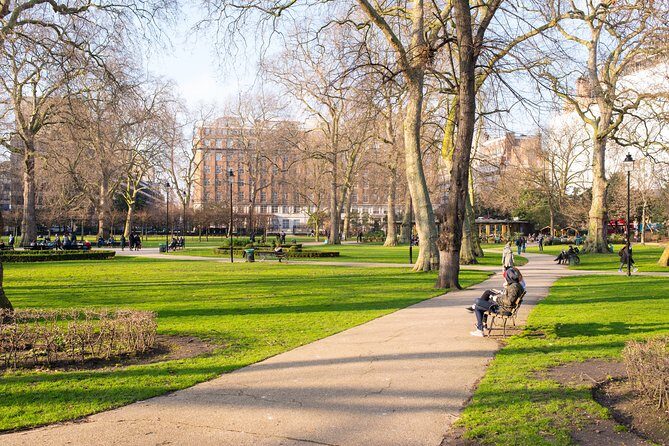
The tour begins at Underground Ltd, Holborn Station (Kingsway, WC2B 6AA). The end point is back at the meeting area, so you’re not left figuring out what to do next.
The timing matters here: it’s about 2 hours. That’s long enough to cover multiple neighborhoods-feel scenes, but short enough that you can keep your energy for the rest of the day. If you like tours where you can actually talk—without feeling rushed—this format supports that.
Since it’s private, your group sets the pace. If your interest is mainly about the institutions and their stories, you can lean in. If you care more about architecture and urban planning moments, you can steer the conversation that way too.
Stop 1: Gardens, Early Bloomsbury, and Hidden Violence
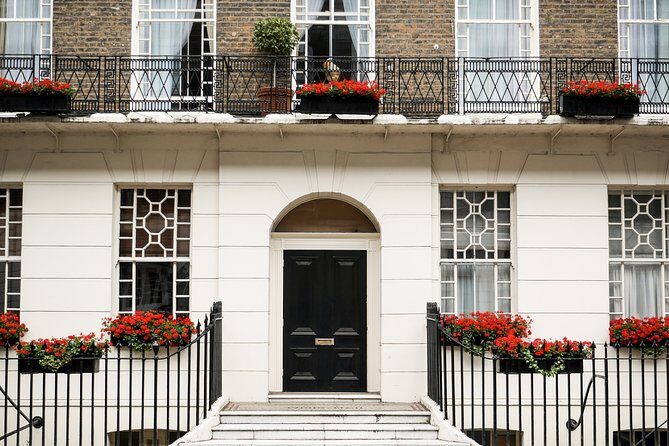
Your first stop sets the tone. You’ll get the early history of Bloomsbury and learn about the beautiful gardens alongside a violent history hidden beneath that elegant surface.
This is a great start because it gives you a mental map for the rest of the walk. Once you understand that contrast—beauty over something harsher—you start noticing it in other places too. You’re not memorizing facts. You’re building a theme.
What to expect: guided storytelling as you move through the garden and neighborhood atmosphere, with context that makes later stops easier to follow.
Possible consideration: this opening is information-heavy by design. If you prefer lighter, purely visual sightseeing, ask your guide early to slow down the details and focus more on what you’re seeing right then.
Stop 2: A Historic Shopping Street and Elizabethan Traders
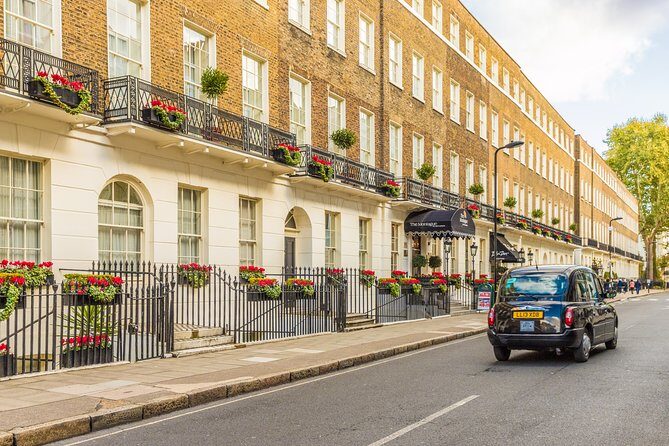
Next comes a stroll along a beautiful historic shopping street. You’ll hear about Elizabethan traders and feminist publishers, tied to the street’s past.
This stop is valuable because it puts ideas into motion. You’ll see how commerce, publishing, and social change can cluster in the same streetscape. Bloomsbury is famous for writers and thinkers, but this is more specific than the usual postcard version of that reputation.
What to expect: a walking segment where your guide connects the street to named historical themes—Elizabethan trading and feminist publishing—so it feels less generic and more place-based.
Tip for you: if you’re a book person, this is the moment to ask how the publishing side connects to the other institutions you’ll see later in the tour.
Stop 3: A Children’s Hospital, Literature, and Medicinal Heritage
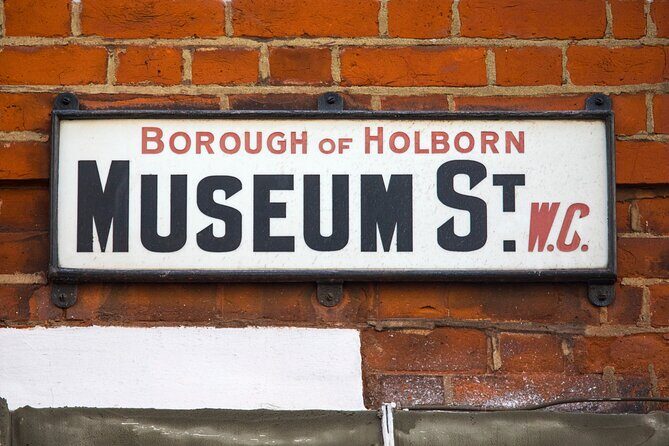
Then you’ll hear the story of the world-famous children’s hospital, with a surprising connection to a classic work of literature. After that, you’ll discover how a famous monarch was privately treated in a nearby square—giving the neighborhood a medicinal heritage.
This stop is the kind of twist that makes a tour memorable. It links something you might think of as modern medical care to older culture and to the personal history of power. The story also adds a distinct Bloomsbury flavor: charity, health, and literature in the same walking line.
What to expect: guided storytelling that ties the children’s hospital to a classic literary connection, plus the monarch-and-square angle that explains why medicine became part of Bloomsbury’s identity.
What to watch for: if you’re someone who enjoys cause-and-effect history, ask your guide to point out how the hospital story connects to the next stop about abandoned children and national compassion.
You can also read our reviews of more guided tours in London






Stop 4: Foundling Hospital and the Plight of Abandoned Children
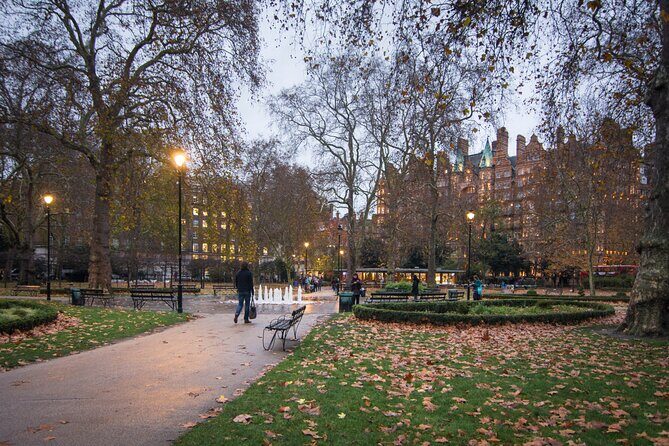
From there, your private expert guide shows you where the Foundling Hospital was created. You’ll hear stories about how the plight of poor abandoned children moved hearts across England, reaching people from illustrious composers to renowned writers.
This is one of the tour’s emotional centers. It also gives you a practical way to understand why Bloomsbury matters beyond famous names. You’re learning about how a social problem became a public story, with creative giants pulled into the cause.
What to expect: a guided segment focused on charity, abandonment, and how compassion traveled through English culture—especially through artists and writers.
Why it matters for you: if you’ve ever visited London and thought, I get the big monuments but not the human stakes, this stop is built to correct that feeling.
Stop 5: Brunswick Centre and Post-War Urban Planning Debate
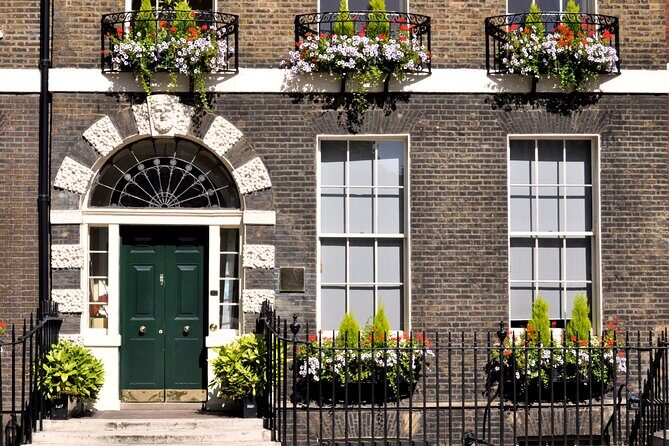
Next you take a break from Georgian architecture and explore the imposing Brunswick Centre. You’ll learn how it became a milestone of post-war urban planning and why it’s one of the more contentious developments in the neighborhood.
This stop adds a modern London layer so the walk doesn’t feel trapped in centuries-old themes. It also makes the tour feel real: London keeps changing, and not everyone agrees with the changes.
What to expect: a shift in tone toward urban planning, with your guide highlighting why the Brunswick Centre matters and why some people see it as controversial.
Consideration: if you only want “old London,” you may find this stop less emotionally moving than the hospital and Foundling Hospital stories. If you do like how cities evolve, it’s a strong counterbalance.
Stop 6: Tavistock Square Monuments and Bloodiest Conflict Links
Then comes Tavistock Square, a tranquil place with monuments you’ll explore. Your guide will share how this square connects to some of the bloodiest conflicts in history.
The value here isn’t just the fact of remembrance. It’s the feeling of contrast: a quiet square holding heavy connections. That contrast is part of what makes Bloomsbury’s story so layered.
What to expect: monument-focused explanation across the square, with attention on conflict links rather than just sightseeing.
Tip: if you like photography, this is often a good stop for it. You’ll have time to take in the atmosphere, but still get guided interpretation.
Stop 7: Senate House and the University of London Factor
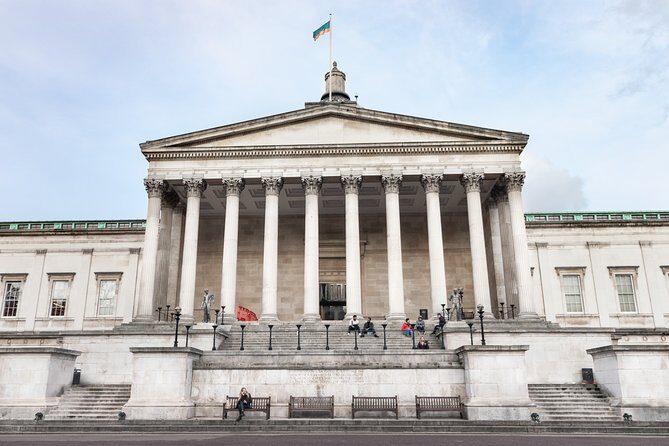
You’ll then marvel at Senate House, the imposing structure that marks the home of the University of London. Your guide will also share how members of the elite and artistic Bloomsbury Group made their homes in and around the square.
This is where Bloomsbury’s “thinkers and artists” reputation becomes more concrete. Instead of vague labels, you get a specific anchor: the university building and the creative-intellectual circles tied to the area.
What to expect: exterior views and guidance connecting the university presence to the surrounding community—elite and artistic—plus ties to the Bloomsbury Group.
Why it’s worth your time: this stop helps you understand why Bloomsbury became a magnet. It’s not only about famous people; it’s about institutions and the spaces they occupy.
British Museum Exterior Views and the Best Upgrade Choice
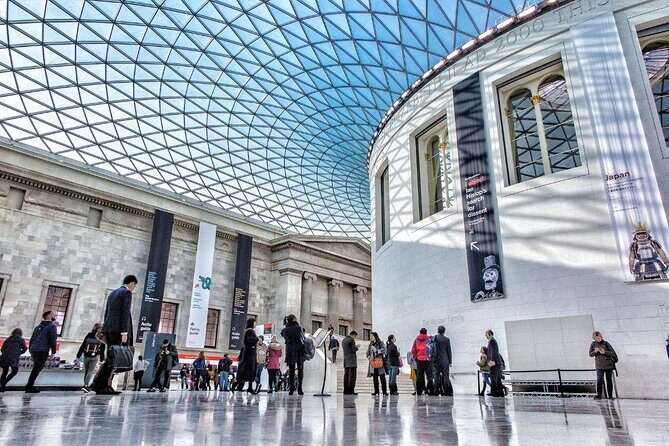
The tour finishes with exterior views of the iconic domed British Museum. You’ll hear the story of how it came to represent empire, status, and exploration. An interior tour is not included, but it can be added to your tour.
This setup is smart if you’re the type who wants a plan before entering. The exterior stop gives context, so when you do decide to go inside, you’ll know what kind of themes you’re stepping into.
What to expect: guided explanation from the outside, with your guide pointing out the parts that matter.
Upgrade logic for you: if you’re planning to spend time in the British Museum anyway, upgrading can turn the museum visit into part of the story chain instead of a separate activity. If you’re not sure you’ll have energy for a museum interior, you can keep it light and stick with the exterior context.
Price and Value: Is $140.49 for Two Hours Fair?
At $140.49 per person for roughly 2 hours, the price isn’t budget-level. It’s a premium that makes sense when you compare it to what you’re actually buying: a private expert guide and a structured story route where you can ask questions along the way.
Here’s what you’re really paying for:
- Personal pacing (private means you can slow down or re-focus)
- A story thread connecting multiple stops, rather than isolated sightseeing
- Bespoke recommendations for the rest of your London time
- The option to upgrade the British Museum experience if you want more
If you’re traveling as a couple or small group and you like walking tours that feel like a conversation with a careful historian, the value usually lands well. If you prefer to wander on your own and only want a few highlights, you might want something shorter or less guided.
Best Fit: Who This Tour Suits
This walk is ideal if you like history that links places to people: hospitals, charity, publishing, education, and conflict. It’s also a good choice if you enjoy stopping often to ask questions, because the tour is designed to give you that time.
It also suits first-timers who want a Bloomsbury orientation without being overwhelmed. And if you’re a museum fan, the British Museum exterior stop gives you a head start.
If your ideal day is mostly quiet and low talk, you may find the story-heavy approach a bit intense. In that case, tell your guide what you prefer early. This is a private tour, so it can usually be adjusted.
A Quick Reality Check Before You Book
This is a walking tour with multiple stops and a strong focus on storytelling. Bring comfortable shoes, and be ready to spend time hearing how each place fits into the neighborhood’s larger themes.
Also, if the British Museum interior is a must for you, plan to upgrade. As described, the museum itself is exterior views only unless you add the interior option.
Should You Book This Bloomsbury Private Walk?
Yes, if you want Bloomsbury with a guide who connects the dots. I’d book it when your ideal London day includes walking, questions, and a clear theme that ties together gardens, hospitals, squares, and the British Museum exterior finish.
Skip it or modify your plan if you’re trying to do everything on the ultra-budget side, or if you strongly prefer museum interiors without exterior-only context. In that case, you might be better off booking a museum-centered day instead of a neighborhood story walk.
FAQ
How long is the Bloomsbury walking tour?
It’s approximately 2 hours.
What’s the price per person?
The price is listed as $140.49 per person.
Is this tour private or shared?
This is a private tour/activity. Only your group participates.
Is the British Museum interior included?
No. The British Museum interior tour is not included, but it can be added to your tour.
What language is the tour offered in?
The tour is offered in English.
Where do we meet, and where does it end?
You start at Underground Ltd, Holborn Station, Kingsway, London WC2B 6AA, UK, and the activity ends back at the meeting point.
Is there a mobile ticket?
Yes, the tour includes a mobile ticket.
Can I cancel for a full refund?
You can cancel for free up to 24 hours in advance for a full refund.