REVIEW · LONDON
Semi Private Guided tour at British Museum
Book on Viator →Operated by LivTours · Bookable on Viator
Small group. Big museum energy.
A semi private British Museum tour is a smart way to tame this place fast, with an expert guide steering you toward major artifacts instead of letting you wander lost for hours. I like the small group size (max 6 per guide) because it keeps the conversation going, and I also like the insider guidance you get, like the depth Luca brought to the highlights, and how Cecily helped people connect quickly and start in quieter areas.
You also get a guided path through some of the museum’s most famous stops, from Egyptian mummies to Greek and Roman masterpieces. The big consideration: the British Museum is huge, and even with a tight route, your guide may not cover every room. You’re there for key highlights plus your interests, not a room by room checklist.
In This Review
- Key things to know before you go
- Why this semi-private British Museum plan beats wandering
- Getting started at 52 Great Russell Street
- Egypt first: mummies, the Rosetta Stone, and getting your bearings fast
- Greece and the Parthenon Marbles: more than famous statues
- Mesopotamia and world artifacts: Standard of Ur, Assyria, and the story connections
- Roman Britain and Ancient Rome: where the details add up
- Sutton Hoo, Medieval Europe, and the Anglo-Saxon pull
- Easter Island and the Hoa Hakananai’a: a surprising pivot that works
- Aztec and Mayan collection: how the tour crosses continents on purpose
- Price and value for $142.98
- Who should book this British Museum tour
- Should you book this British Museum tour or not?
- FAQ
- Is the British Museum admission included?
- How long is the tour?
- Where does the tour meet?
- What size are the groups?
- What is included in the tour, and what is not?
- What are the bag rules and cancellation rules?
Key things to know before you go
- A real guide plan helps you hit the top pieces without wasting time
- Max 6 per guide keeps it feeling personal, not crowded
- Admission included means you focus on the art and stories, not ticket math
- Your route adapts to your questions and preferences
- No cloakroom means travel light if you bring a bag
Why this semi-private British Museum plan beats wandering
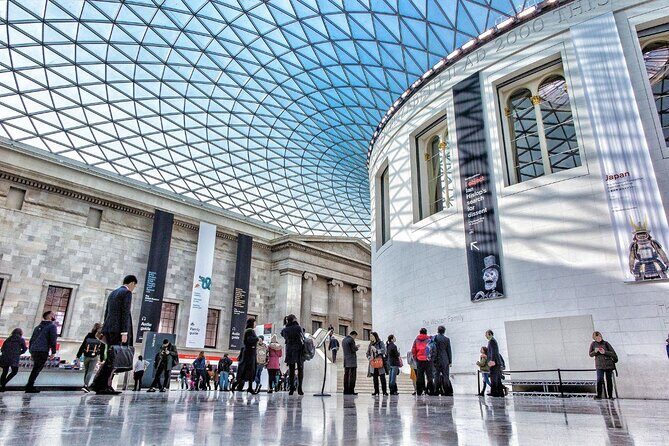
The British Museum can feel like a treasure hunt with no map. It is not small, and it is not organized for casual browse-only visitors. This semi private format helps because someone else does the thinking for you: where to start, what to prioritize, and how to explain what you’re looking at.
That matters most in a museum like this, where one artifact can connect to five different civilizations, and where labels alone often don’t answer the big questions. With a guide, you see not just what the object is, but why it mattered, who made it, and how it fits into the museum’s larger story.
And the semi private angle is the point. You’re not stuck with a huge group where your questions get cut off. With the tour capped at small numbers per guide and a maximum total group size, you get more time to ask things like how the museum organized certain galleries, or what to pay attention to in crowded display areas.
You can also read our reviews of more guided tours in London



Getting started at 52 Great Russell Street
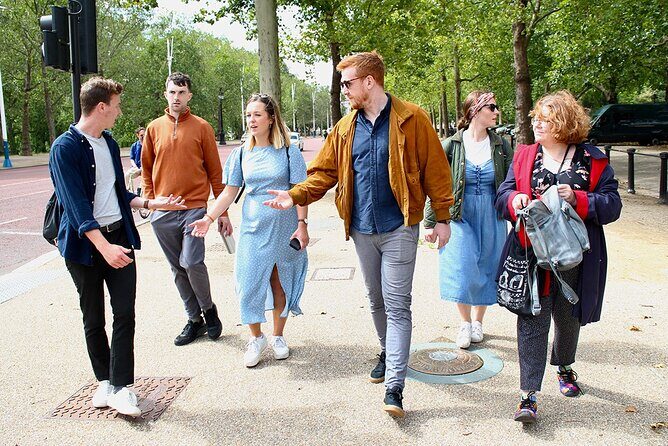
The tour meets at 52 Great Russell St, London WC1B 3BA, and it ends back at the same meeting point. There is no hotel pick up or drop off, so you’ll want to use public transit and give yourself a little buffer to find the exact spot.
The experience runs about 2 hours 30 minutes. That time is short enough that you won’t feel dragged through every corner, but long enough for the guide to take you between several major collections and slow down when something is especially important.
A couple practical notes will help you enjoy it more:
- You’ll want a bag that fits the allowed size limits. Bags exceeding 40x40x50 and weighing 8 kilo’s or more are prohibited from entering.
- The museum does not offer a cloakroom, so plan to carry what you bring without relying on coat storage.
Also, the tour language is English, and you’ll receive confirmation at the time of booking. Service animals are allowed, and children must be accompanied by an adult. Most travelers can participate.
Egypt first: mummies, the Rosetta Stone, and getting your bearings fast
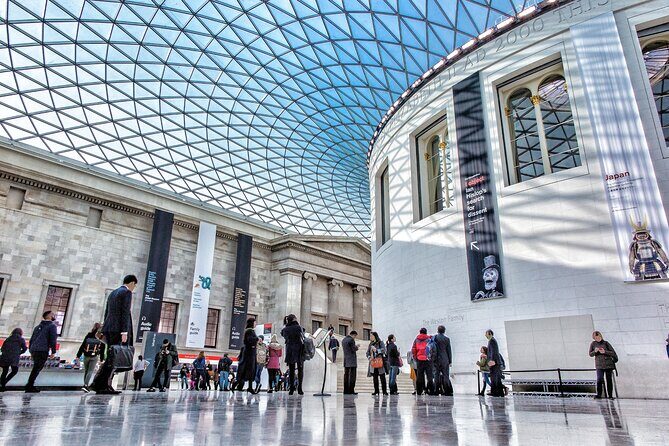
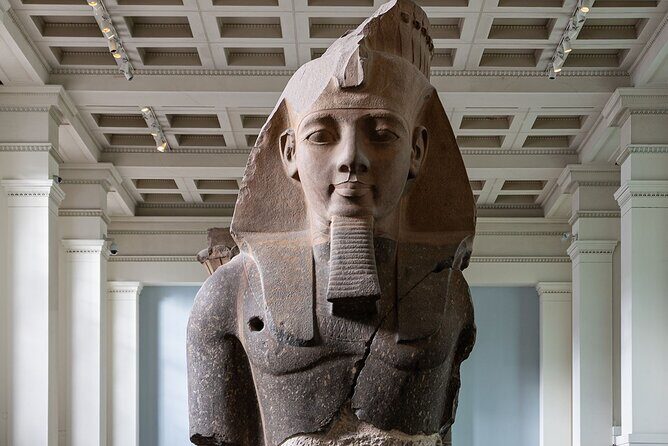
Starting with Egypt is a smart move, because it gives you a strong foundation for the rest of the museum. In this tour, you’ll spend time with key Ancient Egypt objects, including Egyptian mummies and major Egyptian displays that help you understand how different cultures treated death, power, and memory.
The headline stop for many people is the Rosetta Stone. Even if you’ve heard the name before, it hits harder when a guide explains what you’re looking at and why this object changed how scholars approached ancient languages. It’s one of those artifacts that turns museum viewing into real context.
You’ll also see how the tour ties together the wider “Enlightenment” and museum-wide thinking behind collecting and display. The British Museum did not just gather objects; it built narratives around them. When you visit with a guide, you start noticing how the museum frames meaning across regions.
One small drawback: Egypt can be intense and visually dense. If you’re the kind of person who likes long pauses, you may have to choose where to slow down. That said, the guide can tailor the route to your interests, so you can ask for extra time if a theme hooks you.
Greece and the Parthenon Marbles: more than famous statues
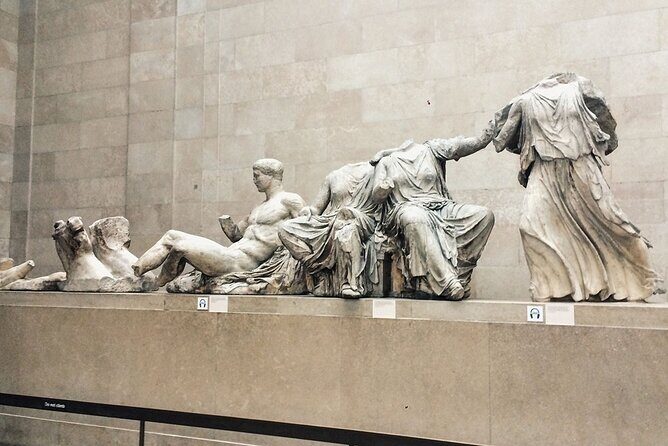
The Parthenon Marbles are the other big magnet in this tour. You’ve probably seen photos, but the first time you view them in person, the scale and fine detail can surprise you. With a guided approach, you also get the historical and artistic context that turns them from “big famous pieces” into something you can actually read.
A good guide will point out what to look for: the craftsmanship, the composition choices, and the way the marbles connect to Ancient Greece and the ideas they represented. This is one reason people rate the tour so highly. When the guide has time to explain, you leave with more than just recognition.
The tour also includes Ancient Greece, so you’re not limited to one room. You get a broader feel for how Greek art is presented in the museum, with transitions that keep you oriented.
If you only want to photograph and move on, you’ll still enjoy it, but you might prefer a less structured visit. The tour is built for understanding first, pictures second.
Mesopotamia and world artifacts: Standard of Ur, Assyria, and the story connections
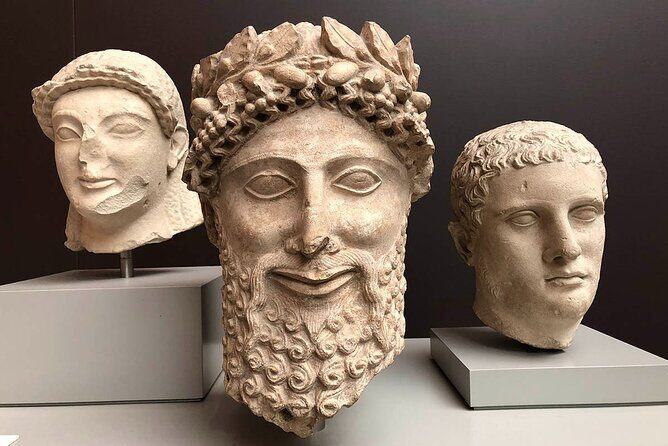
One of the best parts of a guided route is seeing how themes echo across time. This tour moves beyond Egypt and Greece into Mesopotamia and Assyria. You’ll encounter the Assyrian collection and major Mesopotamian finds, including the Standard of Ur.
The Standard of Ur is a reminder that everyday viewing labels don’t always explain the bigger deal. A guide can help you see symbols and craft choices as part of a larger culture, rather than treating it like a random treasure in a case.
You’ll also get time with objects from other world regions in a way that makes the museum feel less like a pile of displays and more like a map of human exchange. That’s where the “one morning” format earns its keep. You cover meaningful ground without treating each gallery like a separate trip.
You can also read our reviews of more private tours in London





Roman Britain and Ancient Rome: where the details add up
Rome shows up here through a couple routes: Ancient Rome and Roman Britain. That combination is useful because it lets you connect the imperial story to what happened in Britain under Roman influence.
Instead of walking past Roman artifacts like they’re just “stone things,” you get cues about what makes them Roman, what tells you how they were used, and how the museum presents that material. When you know what to notice, the Roman section becomes much more rewarding.
One highlighted object in the included stops is the Portland vase. Even if you’ve never heard the name, it’s exactly the sort of artifact that benefits from interpretation. It’s visually striking, and a guide can help you understand why people care about it.
A practical tip for the Roman section: if you’re sensitive to crowds, ask the guide early where the quieter angles are. The route can start with less busy sections first, which makes a big difference for seeing details.
Sutton Hoo, Medieval Europe, and the Anglo-Saxon pull
Not everyone thinks of the British Museum as a place for medieval Britain, but the tour includes standout stops like the Sutton Hoo ship burial and the Medieval Europe collection. This is where you start seeing how the museum stitches together Britain’s own long timeline with the wider world.
Sutton Hoo is special because it’s a moment that instantly feels like it belongs to you, even when you’re watching it behind glass far from the original site. A guide’s explanation helps connect it to the broader themes of power, craftsmanship, and belief.
The overview also mentions the Anglo Saxon Helmet and the Lewis Chessman as potential memorable highlights. Those kinds of artifacts are perfect for a guided visit because they invite questions. Why does it look like that? What does it tell us? How did people make this?
The tour is flexible enough that if you care more about medieval Europe than, say, another ancient region, you can steer your guide. That flexibility is a major reason people rate the tour so high.
Easter Island and the Hoa Hakananai’a: a surprising pivot that works
Easter Island is not the first thing most people expect in the British Museum, which is exactly why it’s one of the most satisfying parts of a guided morning. This tour includes an Easter Island head, and the overview points to the Hoa Hakananai’a, the famous Easter Island statue.
When the guide connects the object to its cultural meaning, it shifts how you see the museum’s world map. Suddenly, the collection is not just European and ancient Mediterranean. It’s global.
This is also one of those stops where your brain benefits from guidance. Without context, you might admire the sculpture but miss why it’s a big deal. With a guide, you get the why behind the wow.
Aztec and Mayan collection: how the tour crosses continents on purpose
The tour doesn’t treat “non-European” cultures as a side note. It includes time for the Aztec and Mayan collection, which is a great move for anyone who feels that many London museum visits over-focus on one region.
When you’re guided, you can ask questions that you might not think to ask on your own, like what symbols mean or how the museum organizes and interprets objects. A good guide helps you notice details in the artifacts and in the display approach.
One reason this works so well in a short time: you’re seeing contrasts back to back. You move from one worldview to another, and the guide helps you keep track of the connections and differences. It makes a bigger museum feel navigable.
Price and value for $142.98
At $142.98 per person for about 2.5 hours, this is not a budget tour. But the value is in what you get:
- Admission is free/included, so you’re not paying extra to get in.
- You’re paying for structured time with a guide, not for a generic walk-through.
- The group is capped, so you’re more likely to get your questions answered.
If you love museums but hate the planning headache, the price starts to make sense. You’re buying speed and clarity. In a giant place like the British Museum, an expert route can save you hours of guesswork.
Also, the top ratings make sense in practical terms. Luca’s deep knowledge and Cecily’s ability to help people find each other and start in quieter sections first are exactly the kinds of service touches that matter when you’re on a tight schedule.
Could you do this on your own? Sure. But you would need to pick a route yourself, figure out what’s worth your limited time, and still manage the crowds. This tour handles those problems for you.
Who should book this British Museum tour
This tour is a great fit if you:
- Want to see major highlights without spending the whole day deciding what to skip
- Like asking questions and getting answers in real time
- Prefer a small group where you don’t feel invisible
- Are visiting London with a morning window and want maximum payoff
It’s less ideal if you:
- Want total freedom with no structure at all
- Need to linger for long stretches at every display
- Are traveling with a large bag or rely on cloakroom storage (there is no cloakroom here)
Should you book this British Museum tour or not?
Yes, if you want a guided morning that hits the biggest names like the Rosetta Stone and the Parthenon Marbles, plus strong coverage across Egypt, Greece, Assyria, Rome, and even Easter Island. It’s the kind of tour that helps you leave with a mental map, not just a set of photos.
Skip it only if you already have a plan for what you want to see and you’re comfortable building your own route through thousands of objects. Otherwise, this is a strong way to get oriented quickly and get more out of the time you’ll have in London.
FAQ
Is the British Museum admission included?
Yes. The tour includes an admission ticket, and entry is free for the visit included with the experience.
How long is the tour?
It runs about 2 hours 30 minutes.
Where does the tour meet?
The meeting point is 52 Great Russell St, London WC1B 3BA, UK. It ends back at the meeting point.
What size are the groups?
It operates with a maximum of 6 participants per guide, with a maximum of 15 travelers for the activity.
What is included in the tour, and what is not?
Included: a fully guided experience and time in highlighted collections and artifacts such as Egyptian mummies, the Rosetta Stone, the Parthenon Marbles, Sutton Hoo, and others named in the experience details. Not included: food and beverages, gratuities, and hotel pick up/drop off.
What are the bag rules and cancellation rules?
Bags exceeding 40x40x50 and weighing 8 kilo’s or more are prohibited from entering, and the museum does not offer a cloakroom. Cancellation is free up to 24 hours in advance for a full refund.