REVIEW · LONDON
Stand up Paddleboarding on the beautiful Thames at Richmond
Book on Viator →Operated by Paddle Richmond · Bookable on Viator
Paddle the Thames at Richmond Bridge. This small-group stand-up paddleboarding (SUP) session turns London’s river into an easy, guided playground with just enough structure to help you feel confident. You’ll start with 15–20 minutes of on-riverbank training, then head out when the tide makes the route easiest, usually upstream toward Eel Pie Island and Teddington or downstream toward Richmond Lock and Kew Gardens.
I like that safety gear is handled for you: buoyancy aids are included and compulsory, and instructors teach you how to fall and recover while they keep things calm and controlled. I also like that the guides take a few snapped photos, so you leave with more than wet memories.
One drawback to plan for: you’ll need some flexibility and basic balance to get up from kneeling to standing, and you should be comfortable with the idea of falling in while wearing the buoyancy aid.
In This Review
- Key Things to Know Before You Paddle
- Richmond Thames SUP: Why this 2-hour session feels like a mini-adventure
- Meeting at Richmond Bridge Boathouses: Easy to find, easy to start
- The first 15–20 minutes: Safety briefing and land-based training
- Where you paddle: Tide decides whether it’s upstream or downstream
- What you might see on the Thames
- 90–105 minutes on the water: Enough time to learn and actually feel it
- Instruction style: Small-group coaching that keeps you moving
- Gear and comfort: Paddleboard basics and buoyancy aid reality
- What to wear (practical tip)
- Photos included: A small extra that makes the memory stick
- Price and value: What you’re really paying for
- How to choose the right day and manage expectations
- Should you book Richmond SUP? Yes, if you want a guided first-timer win
- FAQ
- FAQ
- Where is the meeting point for the Thames SUP?
- How long does the SUP experience last?
- How many people are in each group?
- Do I need to be a strong swimmer?
- What safety equipment is provided?
- Do we get training before paddling?
- Which direction will we paddle on the Thames?
- Are photos included?
- Is bottled water included?
- What happens if the weather is bad?
Key Things to Know Before You Paddle
- Max 6 paddlers means more coaching and less waiting around.
- 90–105 minutes on the water inside a ~2-hour total experience.
- Tide controls your route, with options ranging from Eel Pie Island to Chiswick.
- Buoyancy aid is included and required, and training happens first near Richmond Bridge.
- Instructor photos are part of the experience, not an extra expense.
- No bottled water included, so bring a plan for hydration if you need it.
Richmond Thames SUP: Why this 2-hour session feels like a mini-adventure
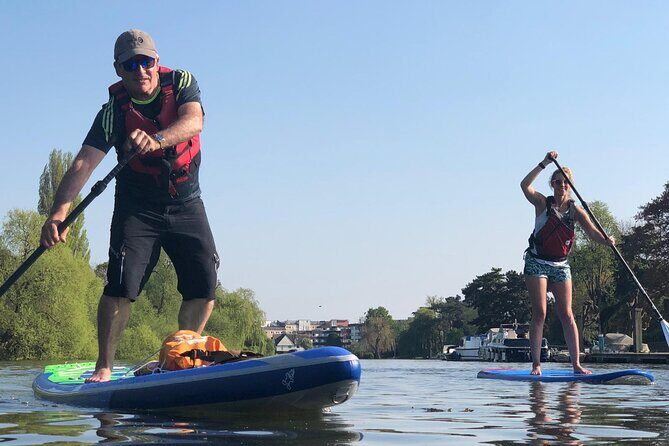
If you’re looking for something very London that doesn’t require a big time commitment, SUP on the Thames at Richmond hits the sweet spot. You get the classic river view setting—boats, bankside life, and long sightlines—without needing years of experience or a full-day schedule.
The vibe here is “learn the basics, then get moving.” The instruction is practical. You’re not stuck practicing in one spot for hours. You’ll actually paddle long enough that you feel your arms and core, and you’ll get the basics of steering so the river stops feeling like a moving obstacle course.
At £/$89.13 per person for about 2 hours, it’s a price point that makes sense because you’re paying for gear, coaching, and time on the water with a small group. You’re also saving yourself the hassle of figuring out rentals, instruction, and safety on your own in the middle of a real city river.
One more reason this works for visitors: it’s run in English, you get a mobile ticket, and the meeting point is near public transportation.
You can also read our reviews of more tours and experiences in London.



Meeting at Richmond Bridge Boathouses: Easy to find, easy to start
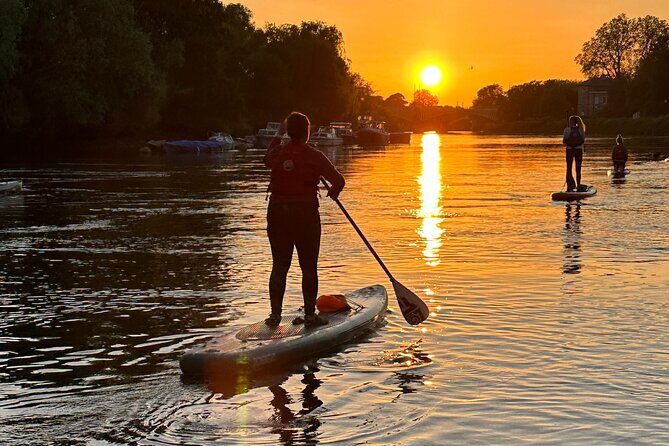
Your session starts at Richmond Bridge Boathouses, Riverside, Richmond TW9 1TH, UK. The name matters because it keeps the meet-up simple: you’re not hunting down a vague address tucked into side streets.
This spot also gives you something you’ll appreciate later: you’re right by the water. That means the pre-paddle training happens close to the riverbank, so you aren’t dragging gear around the city or wasting time getting oriented.
Hours run 9:00 AM to 6:00 PM during the given season dates, and you can choose a slot that fits your day in London. Since this activity is often booked ahead (on average, about 53 days), it’s smart to lock in a time window when you’re planning your trip rather than treating it like a last-minute idea.
The first 15–20 minutes: Safety briefing and land-based training
Before you touch the water, the instructor will kit you up and run a safety briefing plus land-based training on the riverbank near Richmond Bridge. Expect 15–20 minutes, which gets built into your total session time.
This part is more valuable than it sounds. It’s where you learn:
- how the paddleboard should sit under you
- how to move your weight so you don’t fight the board
- what to do if you go down (yes, you should expect you might fall at least once while learning)
You do not need to be a proficient swimmer, but you should be comfortable with falling into the water while wearing the buoyancy aid. In other words: you’re not signing up for a test. You’re signing up for instruction that assumes a first-timer moment or two.
If you’re worried about balance, focus on the instruction. The goal is to help you get to that first clean, stable standing moment. And based on coaching you’ll likely receive from guides like Nigel, Sarah, Sophy, Suzanne, and Peter, the tone is friendly and patient. People describe the coaching as clear and supportive, with a real emphasis on getting you standing and paddling safely.
Where you paddle: Tide decides whether it’s upstream or downstream
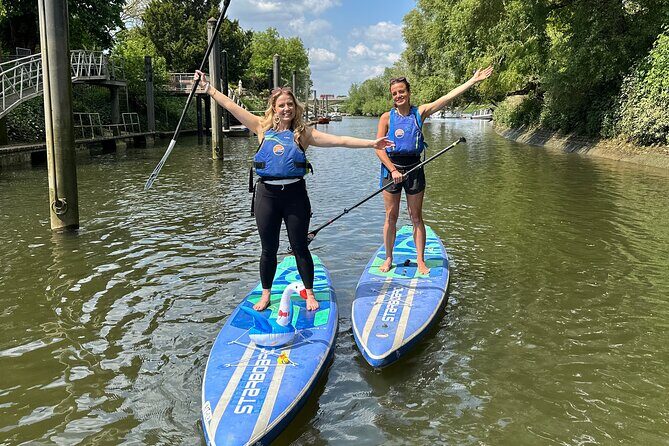
After training, you head onto the Thames. The direction depends on tide conditions on the day.
You’ll either:
- Paddle upstream toward Eel Pie Island and Teddington, or
- Paddle downstream toward Richmond Lock, Isleworth, Kew Gardens, and Chiswick
This matters more than it might seem. The Thames isn’t one uniform experience at all hours. Wind and tide change how steady you feel, how much effort steering takes, and how the water moves around you. By letting the tide steer the plan, the trip is more likely to feel manageable for beginners.
You return to the launch point at the end of the session, so you’re not dealing with complicated drop-offs or a long commute after you get off the water.
What you might see on the Thames
London’s river has real wildlife moments, and you can catch them if you look beyond the “paddle task.” Some sessions have included sightings like a seal and birds along the river. It’s not guaranteed, but it’s a good reminder: slow down your attention every so often and you’ll get a little nature bonus between technique drills.






90–105 minutes on the water: Enough time to learn and actually feel it
You’ll spend 90–105 minutes paddling on the water, depending on conditions like wind and tide.
That timing is ideal for first-timers. Long enough to:
- get comfortable with the board under different water movement
- practice basic control (not just a quick demo)
- feel how turns work when the river pushes back
It’s also long enough to be a workout. Don’t expect a leisurely float. Expect tired arms at the end, especially when you paddle against wind or deal with small waves. The good news is the coaching helps you avoid wasting effort.
A helpful mindset: treat the first part as learning and the middle part as applying. By the time you’ve got your steering basics, the Thames starts to feel like a place you can work with, not something that’s simply moving around you.
Instruction style: Small-group coaching that keeps you moving
This SUP is maximum 6 travelers, which is a huge quality factor. With smaller groups, instructors can:
- adjust technique for specific balance issues
- explain the next skill while you’re ready to try it
- watch more often so you don’t lose confidence
You also get a steady rhythm. Land training sets the foundation, then the water time lets you put it into practice right away.
Many first-timers get anxious about looking uncoordinated. In this setup, the coaching is part of the plan. People often describe it as a positive learning experience—learning how to stop and turn, steering away from other boats, and dealing with waves and wind without panicking.
Gear and comfort: Paddleboard basics and buoyancy aid reality
The experience provides:
- a paddleboard and paddle
- buoyancy aids, which are compulsory
That buoyancy aid detail is worth thinking about. It’s not just a formality. It’s what lets instructors teach safely. You can practice recovering if you fall without turning the whole session into a high-stress event.
You’ll also want to consider how your body feels once you’re standing and paddling. Most first-timers struggle most with:
- getting a stable stance quickly
- keeping paddle strokes consistent
- shifting weight for turns rather than overcorrecting
If you haven’t paddleboarded before, expect your first few minutes to feel slightly awkward. That’s normal. The training is built for this learning curve.
What to wear (practical tip)
You weren’t told specific clothing rules in the data, so I’ll keep this honest: the safest plan is to wear something you don’t mind getting wet. You should also expect you may fall at least once during learning, even with a buoyancy aid.
If you’re thinking about footwear: if it gets slippery, you’ll hate it when you need quick foot control. Choose something stable for wet conditions.
Photos included: A small extra that makes the memory stick
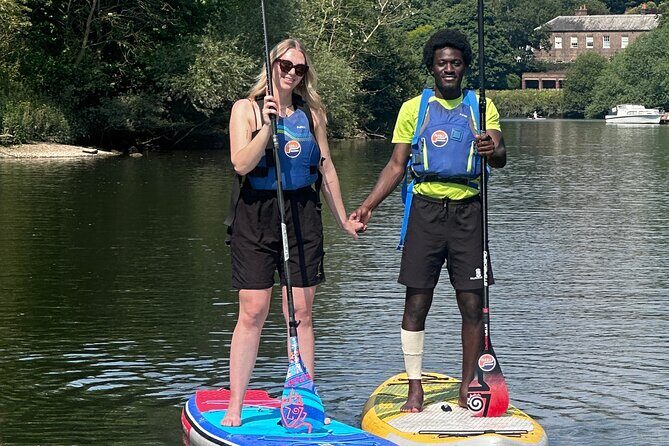
One of the nicest touches is that your instructor will capture the experience with a few snapped photos. That’s a real value add because it solves a common problem on water activities: you’re often too busy managing balance to also manage a phone camera.
It’s also a morale boost for first-timers. After a couple of wobbly moments, a good photo helps you remember you were actually doing something, not just standing nervously on a board.
Price and value: What you’re really paying for
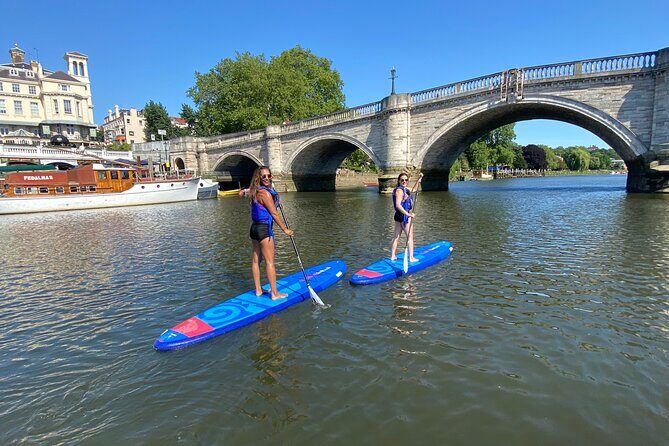
At $89.13 per person for a two-hour SUP session, the cost breaks down into a few clear value drivers:
- Gear included: You’re not paying separately for a board, paddle, or the right safety equipment.
- Instruction included: You’re paying for coaching time plus on-site safety training.
- Small group size: Max 6 means you’re not being passed around like a number.
- Proper river time: 90–105 minutes on the water is meaningful practice time.
If you tried to DIY this—rent a board, figure out rules, arrange instruction, and handle safety gear—you’d likely spend more money and more time, with less confidence about what to do next.
The only catch is that bottled water isn’t included. If you sweat easily or you’re doing this mid-day, plan to bring your own water bottle.
How to choose the right day and manage expectations
This experience requires good weather. If it’s canceled due to poor weather, you’ll be offered a different date or a full refund.
That’s not a small detail. On a river, wind and chop change everything, and for first-timers the goal is a session that feels safe and teachable. If the forecast looks questionable, you’re often better waiting for conditions that make paddling smoother.
Also keep in mind the physical expectation: you need some flexibility and ability to move from kneeling to standing while learning to paddle. If that movement is tough for you right now, the first steps may feel discouraging. You can still go, but you might want to approach it with patience.
Should you book Richmond SUP? Yes, if you want a guided first-timer win
Book this SUP session if you want:
- a guided way to try stand-up paddleboarding on the Thames
- a small group setting with hands-on coaching
- enough time on the water to actually learn steering and control
- a “London view” activity that doesn’t eat your whole day
Consider skipping or asking more questions first if:
- you don’t feel comfortable with the idea of falling into the water while wearing a buoyancy aid
- getting up from kneeling is difficult for you
- you hate workouts that leave your arms tired by the end
If your idea of fun includes learning something new with direct help, and you want to experience Richmond from the water without turning it into a big logistics project, this is a strong choice.
FAQ
FAQ
Where is the meeting point for the Thames SUP?
You’ll meet at Richmond Bridge Boathouses, Riverside, Richmond TW9 1TH, UK. The tour ends back at the same meeting point.
How long does the SUP experience last?
The full experience is about 2 hours. You’ll spend 90–105 minutes on the water, depending on wind and tide.
How many people are in each group?
This activity has a maximum of 6 travelers, so you get more guidance than in larger groups.
Do I need to be a strong swimmer?
No. You do not need to be a proficient swimmer, but you should be comfortable with falling into the water while wearing a buoyancy aid.
What safety equipment is provided?
You’ll be given a buoyancy aid. It’s provided and compulsory for all sessions.
Do we get training before paddling?
Yes. You’ll get a safety briefing and land-based training on the riverbank near Richmond Bridge, usually 15–20 minutes depending on group size.
Which direction will we paddle on the Thames?
It depends on the tide. You may paddle upstream toward Eel Pie Island and Teddington or downstream toward Richmond Lock, Isleworth, Kew Gardens, and Chiswick.
Are photos included?
Yes. Your instructor will take a few snapped photos during the experience.
Is bottled water included?
No. Bottled water is not included.
What happens if the weather is bad?
This experience requires good weather. If it’s canceled due to poor weather, you’ll be offered a different date or a full refund.