REVIEW · BIRMINGHAM
Skip the Line: House and Garden Admission Ticket
Book on Viator →Operated by University of Birmingham · Bookable on Viator
Winterbourne feels like a breather from central Birmingham. You get easy entry plus a peaceful walk through an Edwardian Arts and Crafts garden created from the ideas of Margaret and John Nettlefold, guided by plants and planting tips attributed to Gertrude Jekyll. I love that the garden keeps its character year-round, and I especially like how the walled areas and themed borders make it feel designed, not just decorative.
The main consideration: even with a skip-the-line style ticket, you might still see some queueing when you arrive. Also note that it’s a garden-and-house experience, so food and drinks are not included unless the site tells you otherwise on the day.
In This Review
- Key highlights at a glance
- Winterbourne House and Garden: a quiet pause in Birmingham
- What you’re actually buying: admission with a mobile ticket
- Edwardian Arts and Crafts details you’ll notice fast
- The walled garden and the crinkle-crankle wall
- Sandstone rock garden, woodland walk, and the global collections
- Timing your visit: opening hours and seasonal expectations
- Skip-the-line reality and how to plan your entrance
- Comfort, benches, and getting around on the property
- Price and value for $14.17
- Who should book this ticket (and who might skip it)
- Should you book this admission ticket?
Key highlights at a glance

- Edwardian Arts and Crafts suburban villa garden: a style you can read in the layout.
- Crinkle-crankle wall in the restored walled garden: classic design with real visual punch.
- Seasonal color from May to October: borders and plantings are planned for repeat visits.
- Global plant collections: you’ll spot plants from China, the Americas, and alpine regions.
- Short, flexible visit length: plan for about 1 to 4 hours depending on how slow you walk.
Winterbourne House and Garden: a quiet pause in Birmingham
Winterbourne House and Garden is the kind of place you wish you’d found earlier in a trip. Birmingham’s city energy is always nearby, but once you’re on the grounds the pace drops. The feeling is practical too: you don’t need specialist knowledge to enjoy it. You can wander, sit, and let the garden do the work.
What makes this visit especially satisfying is the garden’s purpose. This isn’t just a random collection of pretty plants. It’s described as one of the best surviving examples of an Edwardian Arts and Crafts suburban villa garden in Birmingham. That matters because you’ll start seeing patterns: structured beds, a walled-garden feel, and a sense of intent in how paths, lawns, and borders relate to the house.
If you like gardens, you’ll enjoy the year-round promise, and if you like history, you’ll enjoy the story of who shaped the place. The homeowners Margaret and John Nettlefold created the garden using Gertrude Jekyll’s books as guides and inspiration. That connection turns your walk into something closer to a living design study.
A few more Birmingham tours and experiences worth a look



What you’re actually buying: admission with a mobile ticket

This is an admission ticket to the House and Garden area. It includes entry, and the ticket is a mobile ticket. That’s a real convenience, especially if you’re bouncing between stops and don’t want to juggle paper tickets.
This is also not a long guided tour format. The experience window is listed as about 1 to 4 hours. In other words, it’s built for self-paced exploring. If you like moving at your own speed—slow through plant borders, then pause for a bench moment—this fits well.
Do plan around the fact that food and drinks aren’t included unless something is specifically offered on-site (the data you provided doesn’t promise it). If you’re visiting for an extended stroll, bring water or plan to grab something before or after.
Edwardian Arts and Crafts details you’ll notice fast

One of the smartest parts of this garden is how quickly you can understand what you’re looking at. The layout has that Edwardian Arts and Crafts suburban villa feel—more design-led than purely ornamental.
Here’s what I’d pay attention to on your first pass:
- The relationship between the house and garden space. Even when you’re only looking at the edge of a border, you can often tell where the designers wanted your eye to land.
- The “room” effect created by walls and path choices. Walled spaces can make a garden feel calmer and more sheltered.
- The plant structure and repeat themes. The garden is known for color and interest throughout the year, so don’t feel like you missed anything if your visit isn’t in peak summer.
If you’re into garden design, this is one of those visits where you come away with practical observations, not just photos. You’ll likely notice how the garden uses contrasts: textured foliage against flower color, and structured lawns against more informal-looking plantings.
The walled garden and the crinkle-crankle wall
The centerpiece of the garden experience is the restored walled garden, including the crinkle-crankle wall. If you’ve never seen one of these walls in person, it’s worth taking a moment just to look at the shape. Crinkle-crankle walls are famous because they’re not straight and plain. They create an intentional twist that adds visual interest and can also affect how space feels.
The best part for many people is seasonal color. The walled garden is described as a riot of rainbow shades from May until October. That matches how most garden visitors plan: if you have flexibility, summer and early autumn often deliver the strongest flower show.
You’ll also find lawns edged with striking color-themed borders. This matters because borders are where you get the “designed” look. The garden isn’t asking you to admire everything at once. It invites you to linger along the edges and let the colors and themes unfold gradually.
A small practical tip: give yourself a little time before you head into the house area, if that’s available in your visit flow. Walled gardens can shift your eyes quickly from outside expectations to inside focus. Take five extra minutes there and the rest of your walk will feel more rewarding.
Sandstone rock garden, woodland walk, and the global collections
Once you’ve enjoyed the walled sections, the garden expands in ways that keep it interesting even if you’re not a dedicated plant person. Beyond the sandstone rock garden, you’ll find a woodland walk with Gunnera leaves and Rhododendron displays.
This part is great for two kinds of travelers:
- If you love dramatic leaf textures, Gunnera can feel like the garden is turning up the volume.
- If you like a layered woodland look, rhododendrons help create that lush, layered edge.
The garden also has plants from around the globe, including collections from China, North and South America, and the alpine areas of the world. That’s not just trivia. When you move from one collection area to another, the garden’s “mood” changes. You get variety in how plants behave and how the planting reads from a walkway.
If you enjoy repeating patterns in design, you may also notice how the garden places these collections with a wider plan in mind. It’s one reason the visit doesn’t feel like a single long corridor. It feels like several experiences stitched together—still quiet, but not monotonous.




Timing your visit: opening hours and seasonal expectations
Winterbourne’s opening hours shift by season, so check before you go. During the period 01/13/2026 to 02/28/2026, it’s open Monday to Sunday from 10:30 AM to 3:30 PM. From 03/01/2026 to 10/31/2026, it’s 10:30 AM to 4:30 PM.
That difference matters because it affects how relaxed your visit feels. If you’re visiting during the earlier closing window, you’ll want to arrive earlier in the day so you can do the garden sections without rushing.
Seasonality also affects what you’ll see in bloom. One review noted a disappointment around wisteria not being in full bloom during a visit in March, even though there was some on the house. That’s a good reminder: if you’re chasing a specific plant moment, plan around seasons. Even then, gardening is living. A garden can’t promise exact timing.
Still, the garden is described as having interest throughout the year, so a winter or early spring visit should still feel worthwhile. You’ll likely see the structure of planting, leaf forms, and the garden’s overall design rather than just flower peaks.
Skip-the-line reality and how to plan your entrance
The ticket is branded as skip-the-line admission. In practice, you should expect faster entry than doing nothing at all—but don’t assume you’ll walk straight in with zero wait.
One important note from the experience: someone reported they still joined a queue, so the “skip the line” promise may not mean no waiting at arrival time. I’d treat it as a helpful time-saver, not a magical force field against queues.
What you can do to make your arrival smoother:
- Aim to arrive near opening time when possible, especially in peak months.
- Keep your mobile ticket ready on your phone screen so you don’t fumble at the entrance.
- Plan for a calm pace once you’re inside. The value here is the slow garden experience.
With a maximum of 30 travelers, this setting can feel more manageable than bigger city attractions. That size helps the grounds stay peaceful.
Comfort, benches, and getting around on the property
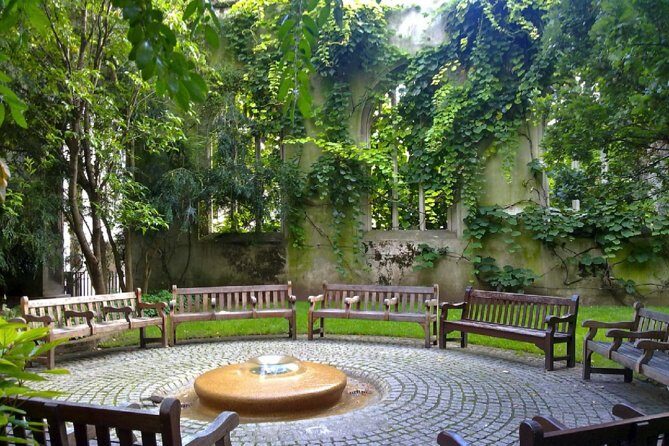
A lot of visitors come here for the calm. Reviews repeatedly mention peacefulness and plenty of benches to sit and admire the surroundings. That’s exactly what I’d do too. Take a bench break after you’ve walked the walled section—when the colors are front of mind, it’s a good time to reset and appreciate the bigger layout.
Getting around is mostly a garden-walk situation. One review flagged narrow car parking as a downside, so if you’re driving, plan for careful maneuvering. The experience also isn’t described as fully obstacle-free. A review mentioned that wheelchair/pushchair access is available to some way, which suggests not every path may be equal. If you’re relying on a wheelchair or stroller, it’s smart to go in expecting partial routes rather than every corner being fully effortless.
That said, the overall experience is described as relaxing and refreshing. If your goal is a quiet half-day and you don’t need every nook accessible, the site can work well for many visitors.
Price and value for $14.17
At $14.17 per person, the value hinges on what you want from your day. If you’re the type who enjoys gardens, historic design, and quiet walking, that price can feel like a very fair deal for a 1 to 4 hour outing.
The value logic is simple:
- You get a self-paced visit that can fill a real chunk of time.
- The garden is designed with multiple distinct sections—walled garden, rock garden, woodland walk—so you’re not paying for one narrow loop.
- The historical angle isn’t theoretical. You’re walking in a space tied to real Edwardian-era creation, with specific names connected to its formation.
If you’re only going to spend 20 minutes and leave, the cost won’t feel as sharp. But if you’ll slow down—watch seasonal plantings, sit on a bench, and wander at a garden’s own tempo—you’ll get your money’s worth.
Also remember: food and drinks aren’t included. So if you’re making a full day of it, budget a snack and water separately. That’s typical for garden visits, but it’s good to plan.
Who should book this ticket (and who might skip it)
This is a strong fit if you’re:
- A keen gardener or design fan who likes seeing planting choices in real life.
- A history buff who enjoys Edwardian Arts and Crafts context.
- Traveling with families who need a calmer break from city streets.
It’s also a nice match if you want a low-stress outing where the garden does the entertaining. You don’t need a guide to understand what you’re seeing, though the backstory of Margaret and John Nettlefold and Gertrude Jekyll adds a layer if you want it.
I’d think twice if you’re looking for a high-energy, must-see-and-go attraction with lots of scheduled activity. This is a place to wander. If your ideal day is all timed stops and constant motion, you might find it too slow.
Should you book this admission ticket?
Book it if you want a peaceful garden break that feels tied to real design and real people. The combination of Edwardian character, a restored walled garden with a crinkle-crankle wall, and global plant collections makes this more than a quick flower stop. At $14.17 and with a flexible 1 to 4 hour visit window, it’s priced for value, not for drama.
If you’re sensitive to queues, plan to arrive early and treat the skip-the-line idea as a boost rather than a guarantee. And if you need full mobility coverage, expect some areas may be harder than others based on what’s been reported.
If your travel style includes slow walking, bench breaks, and spotting design choices you can carry home in your head, this one is worth your time.