REVIEW · BIRMINGHAM
Banshees of Birmingham Ghost Tour: The Furnace of the Forgotten
Book on Viator →Operated by Birmingham Ghosts · Bookable on Viator
Seven stops, seven stories of Birmingham’s darkness.
This walk through downtown feels like moving from one real-life landmark to the next while a guide ties local ghost lore to the way Birmingham grew. You’ll cover history and hauntings at a pace that stays friendly, with each stop lasting just minutes.
I especially like the storytelling style. When the guide leans into both chilling legend and straightforward local background, the whole thing clicks fast, and you end up paying attention instead of just listening. I also like that it’s built as a tight, one-hour route, so it fits easily into your night plans without turning into a marathon.
One thing to keep in mind: the tour’s spooky factor can vary. If you’re expecting nonstop scares or big audience participation, you might find it more mystery-and-story than jump-scare theatre, especially on smaller nights.
In This Review
- Key highlights at a glance
- Seven downtown stops, one memorable walk
- Starting at 20th St N: quick orientation and a good pace
- Linn Park: where the legends start
- Linn-Henley House and Tutweiler: haunting tales in everyday streets
- Redmont Hotel and the Clark Building: the city’s supernatural edge
- Jim Reed Books and the Elyton Hotel: stories that linger
- What the guides do well: pacing, humor, and real context
- Is it worth $31 for an hour-long ghost walk?
- Who should book this tour?
- Tips to get the most from the Furnace of the Forgotten
- Should you book The Furnace of the Forgotten?
- FAQ
- How much does the Birmingham Ghosts tour cost?
- How long is the Furnace of the Forgotten tour?
- Where is the meeting point?
- Where does the tour end?
- How many stops are on the walk?
- What is included in the tour price?
- What language is the tour offered in?
- Is a mobile ticket provided?
- Is the tour near public transportation?
- Can I bring a service animal?
- Is there free cancellation?
Key highlights at a glance
- Seven downtown stops in about an hour: a compact route that still gives you time to absorb each location.
- Historic buildings with specific tales: you’re not just hearing generic ghost lines; each stop has its own character.
- A guide who can balance funny and spooky: one of the most praised parts is how the stories land without feeling overdone.
- Easy walking pace: most people can participate, and the schedule keeps moving in short segments.
- Small-group energy is possible: group size can range, so the vibe may feel quieter than you expect.
Seven downtown stops, one memorable walk
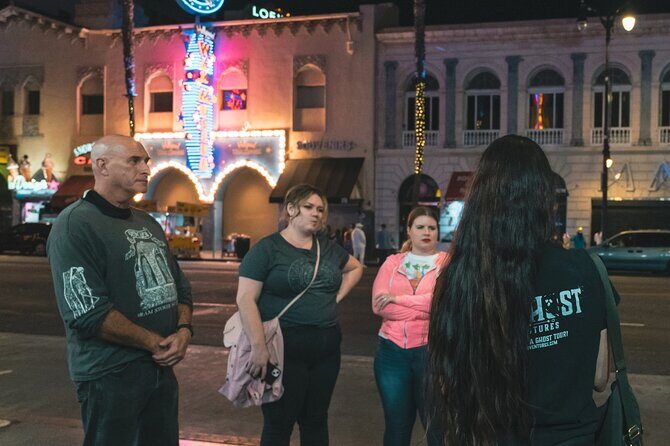
The Furnace of the Forgotten is built for people who want a night activity that feels local, not like a cookie-cutter haunted show. For $31, you get a guided walk that runs about an hour, with the tour winding past a set of well-known Birmingham landmarks. The focus stays on stories tied to place—what happened there, who lived or worked there, and why that location carries a haunting reputation.
Here’s the practical win: the route is short enough that you can still do dinner or another attraction afterward. And because each stop is only around 8–9 minutes, you’re never stuck at one spot too long. That keeps the evening moving while you get a steady stream of spooky-but-comprehensible tales.
The tour is offered in English and uses a mobile ticket, which is handy if you’re juggling sightseeing apps, maps, and where you parked. With up to 40 travelers, you’re not in a huge pack, and that matters for being able to actually hear the guide as you walk.
You can also read our reviews of more tours and experiences in Birmingham.



Starting at 20th St N: quick orientation and a good pace
You begin at 20th Street North in Birmingham and the walk ends back at the meeting point. That round-trip setup is simple: you’re not trying to figure out how to get back after the tour, and you’re not stuck halfway across town.
I like the way the start sets you up. You’re not waiting around with a long intro; you start walking and the first stop helps you get into the mood right away. Also, if you’re using public transportation, the tour is described as near public transportation, which is useful when you don’t want your evening plans tied to parking.
If you’re the type who likes to be comfortable, plan for a normal walking night: comfy shoes, a light layer if it cools down, and a phone charged enough for your mobile ticket. The tour’s pacing is designed so that most travelers can participate, which usually means the walk won’t feel punishing.
Linn Park: where the legends start
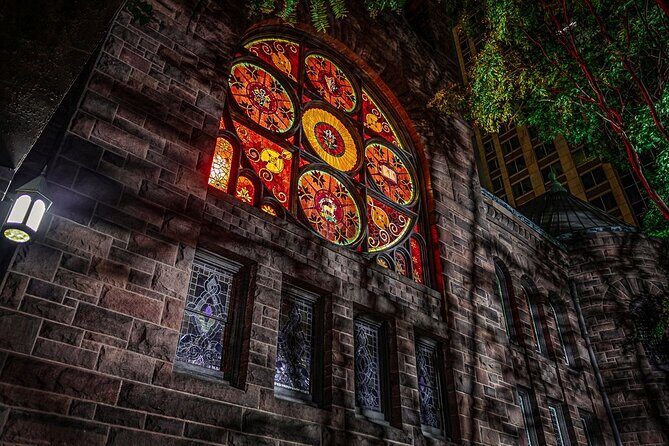
Stop 1 is at 20th Street North, inside Linn Park, and the theme here is clear: the guide frames this as a place where people’s stories and fears have collected over time. You’re walking a path tied to reputation—what locals remember, what gets repeated, and what feels believable because it’s grounded in the neighborhood.
This first stop works because it gives you a lens. Instead of waiting for the tour to explain what you should be hearing, it asks you to pay attention to how Birmingham’s public spaces become story machines. You get a quick window into the supernatural history of the area, setting expectations for the rest of the evening.
A small drawback at this kind of first stop is that it can set the tone in a way that some people love immediately and others take a minute to get into. If you’re warming up slowly, give the second location a chance before deciding how you feel about the overall vibe.
Linn-Henley House and Tutweiler: haunting tales in everyday streets
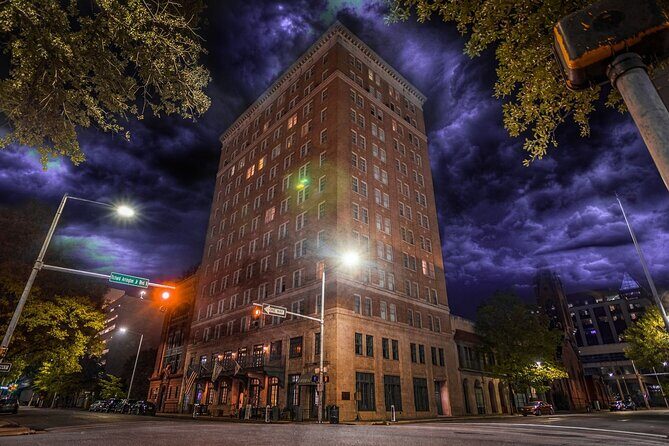
Next you head to 2100 Park Pl at the Linn-Henley House. This stop leans into the idea that hauntings often live in the details: the memory of who was there, what the building represents, and why certain stories keep surviving. It’s the kind of location where the setting almost helps you imagine the legend—an older house, a known address, and a reputation that feels tied to the structure itself.
Stop 3 is 2021 Park Pl at Tutweiler. This one keeps the pace going while shifting the focus a bit toward history and local storytelling. The charm here is that you’re still walking, still moving, and still hearing how Birmingham’s past shows up in the present through specific sites.
What you’ll likely enjoy most is the way these stops treat buildings as characters. You’re not getting a single big scary story and then moving on. Instead, you get smaller, place-specific tales that make the city feel like it has layers—some visible, some rumored.
Redmont Hotel and the Clark Building: the city’s supernatural edge
Stop 4 brings you to 2101 5th Ave N at the Redmont Hotel. This location is perfect for haunting stories because hotels are built around arrival, departure, and the feeling that life moves through quickly. That makes it easy for a guide to paint a picture of restlessness—spirits that supposedly refuse to fade into oblivion.
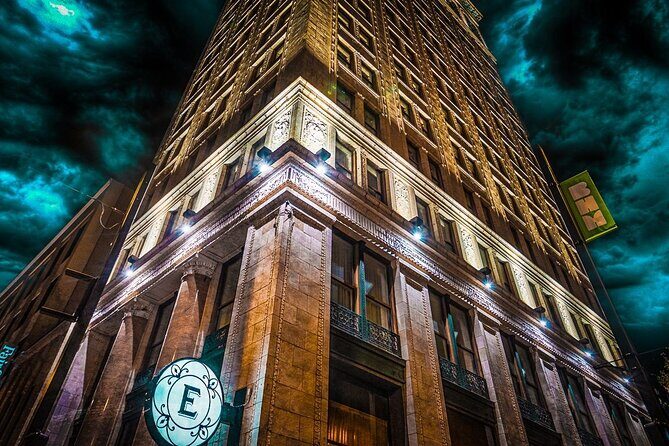
Stop 5 is at 400 20th St N, the Clark Building. Here the tone shifts to spectral mysteries hidden in plain sight. Big buildings tend to carry big reputations, and this kind of stop often feels like the point where you start noticing how a city’s layout can shape the stories people tell. Even if you don’t buy the supernatural part, you can appreciate how humans turn striking architecture into meaning.
A practical note: since you’re walking between downtown-ish locations, keep an eye on where you stop and where others stop. These tours work best when everyone can hear the guide without stepping into traffic or blocking sidewalks.




Jim Reed Books and the Elyton Hotel: stories that linger
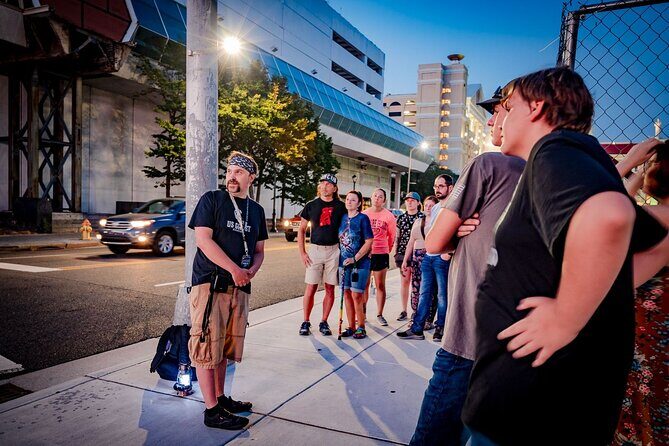
Stop 6 is 2021 3rd Ave N at Jim Reed Books. This is a clever choice, because bookstores already feel like quiet places for memory. Adding ghost stories to that environment tends to make the evening feel more intimate and less like a performance. It’s also the point where you may realize the tour isn’t only about scares; it’s about how stories spread through local culture.
Stop 7 is at 1928 1st Ave N, the Elyton Hotel, and it lands the tour on a strong closing note. The guide frames this stop with tales that haunt the building to this day, so it feels like you’re finishing where you started emotionally—only now you’re sharper about listening for the meaning behind the legend.
If you like endings that leave you thinking, this final stretch is built for it. You should walk away with questions, not just a list of places you passed. That’s usually the sign of a tour that connects story to environment.
What the guides do well: pacing, humor, and real context
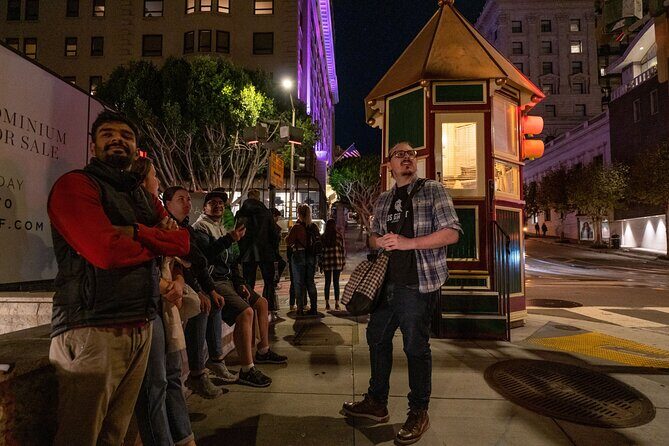
The biggest strength of this tour isn’t the idea of ghosts. It’s the delivery. Multiple guide experiences in the available feedback highlight engaging storytelling—the kind that mixes humor and just enough spooky mood to keep you interested. If your guide keeps a steady rhythm and explains enough context to make the legends feel tied to Birmingham, you’ll enjoy the evening far more than if the stories feel random.
Names that come up in guide praise include Madison and Liz. The common thread is that they know Birmingham’s local background and can connect it to the haunting tales in a way that feels like it belongs on these specific streets. When the guide is good at that, the city becomes the set, and you start noticing details you would’ve skipped otherwise.
Another thing I like: the tour is structured so the guide’s stories don’t drag. With short stops, the pacing stays tight. That helps especially if you’re the type who gets restless when a group pauses too long.
Is it worth $31 for an hour-long ghost walk?
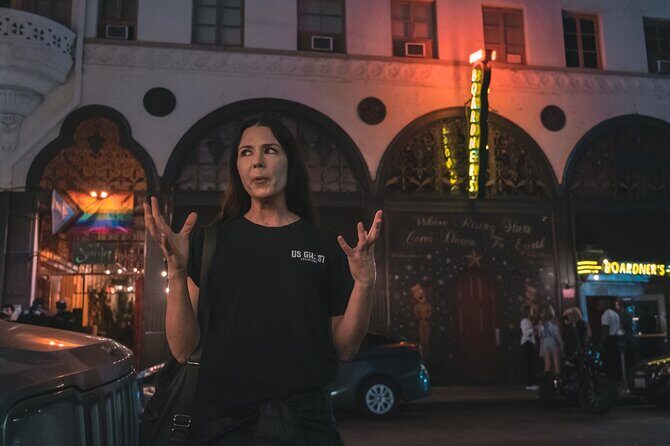
For many people, $31 is the tipping point for deciding if a ghost tour is “fun enough” or “just another paid walk.” Here’s how I’d think about value.
First, you’re paying for a guided experience, not for a ticket to an attraction. The guide does the work of choosing the locations, shaping the story, and keeping everyone moving. Second, you’re getting about an hour of activity, which is a good length for a night plan when you want something memorable but still flexible.
You also get practical perks: the tour is in English, uses a mobile ticket, allows service animals, and is marked as near public transportation. If you’re traveling light or don’t want to arrange extra logistics, those details matter more than you’d think.
The only reason value could feel weaker is expectation mismatch. If you’re chasing maximum fear, you may wish the tour leaned harder into interactive scares. But if you want local stories, place-based legends, and a guided walk that doesn’t overstay its welcome, the price-to-time ratio makes sense.
Who should book this tour?
This is a good fit if you:
- like downtown walking and want a night plan that doesn’t require a car
- enjoy ghost stories that connect to real-world addresses and buildings
- want a guide who tells stories with humor and pacing
- are traveling with friends who are split between history and spooky entertainment
It might be less ideal if you:
- need constant audience interaction
- expect the scariest possible atmosphere
- are sensitive to tours that feel more like storytelling than theatrical scares
One more point: group size can affect the feel. With a maximum of 40 travelers, it stays manageable, but smaller groups can feel quieter and less lively socially.
Tips to get the most from the Furnace of the Forgotten
You’ll get more out of this tour if you treat it like a walking story. A few things I recommend:
Wear comfortable shoes and keep your pace natural. The tour moves city-block style, and you don’t want sore feet cutting into the mood.
Go in ready to listen. These stories work best when you give the guide your full attention for the whole stop, not just for the scariest line.
Bring a light layer. Even if you’re not expecting cold, it’s a walking tour at night, and temperatures can shift.
Use your mobile ticket early. Waiting at the start while people load screens kills the vibe.
If you get paired with a guide who explains history alongside legends, lean into that. It turns the spooky stuff from random to meaningful.
And if you’re hoping for a louder, more interactive experience, set your expectations toward story-driven scares rather than constant action.
Should you book The Furnace of the Forgotten?
I’d book this tour if you want a straightforward, hour-long way to learn Birmingham through haunted landmarks. The route is compact, the stops are varied (parks, hotels, buildings, and even a bookstore), and the overall storytelling style gets strong praise for being engaging without going over-the-top.
I’d pass or look for another option if you’re mainly chasing extreme fear or big group energy. The tour can feel more like a guided night walk with legends than a full-on scare event.
If you’re on a tight schedule, this is one of those “do it early, then decide what else you want” activities. It gives your next evening plans a different lens on the city.
FAQ
How much does the Birmingham Ghosts tour cost?
The tour costs $31.00 per person.
How long is the Furnace of the Forgotten tour?
It lasts about 1 hour.
Where is the meeting point?
The tour starts at 20th Street North (20th St N, Birmingham, AL, USA).
Where does the tour end?
It ends back at the meeting point.
How many stops are on the walk?
There are 7 stops.
What is included in the tour price?
A knowledgeable guide is included.
What language is the tour offered in?
The tour is offered in English.
Is a mobile ticket provided?
Yes, it uses a mobile ticket.
Is the tour near public transportation?
Yes, it is described as near public transportation.
Can I bring a service animal?
Yes, service animals are allowed.
Is there free cancellation?
Yes, you can cancel for free up to 24 hours in advance for a full refund. If you cancel less than 24 hours before the experience, the amount paid is not refunded.