REVIEW · BIRMINGHAM
Photography Walking Tour in Birmingham
Book on Viator →Operated by PicTours · Bookable on Viator
Birmingham can look like a blur if you rush through it. This 90-minute photo walk turns you into a slower, smarter observer, with practical tips from a local guide and built-in stops at major landmarks.
I especially like the phone-first approach and the way the guidance stays hands-on. You’re not just hearing history; you’re learning how to set up a shot, use focus and depth, and make quick edit choices you can apply that same day.
One thing to keep in mind: this experience needs good weather, and it can be canceled if minimum numbers aren’t met. Also, while most reviews sing, there’s at least one report of a very last-minute disruption, so check your messages the day before.
In This Review
- Key things that make this Birmingham photo walk worth your time
- A phone-first photoshoot that helps you see Birmingham differently
- Getting oriented fast: where the walk starts and how it flows
- Victoria Square: angles at Birmingham’s most recognizable hub
- Chamberlain Square: framing buildings like a screen “subject”
- Library of Birmingham: foreground and background that actually create depth
- International Convention Centre Birmingham: street photography, focus, and depth cues
- Brindley Place: symmetry, leading lines, and canal angles
- Ikon Gallery: reflection shots using the back-of-phone trick
- The Cube: finding the best angle for Birmingham’s most iconic modern shape
- What the guides actually teach you (and why it works)
- Group size, walking pace, and practical comfort
- Price and value: why this feels like a bargain
- Weather and last-minute changes: the one risk you should plan for
- Who this tour is best for
- Should you book this Birmingham photography walking tour?
- FAQ
- How long is the Photography Walking Tour in Birmingham?
- What time does the tour start?
- Where do I meet for the tour?
- Where does the tour end?
- How much does it cost?
- What language is the tour offered in?
- Is a professional camera included?
- What’s included in the ticket?
- Is there a limit on group size?
- Do I need good weather for the tour?
Key things that make this Birmingham photo walk worth your time
- Landmark stops planned for angles, framing, and depth (from Victoria Square to The Cube)
- Mobile-phone techniques you can use immediately, including grid-based composition and reflection shots
- Real city stories tied to the places you photograph, not just random facts
- Small group size (max 15), so questions actually get answered
- Multiple styles covered: street, symmetry, canal leading lines, and even a black-and-white angle for abstract subjects
- Optional “spotting” moments where your guide may point out quirky visual details as you go
A phone-first photoshoot that helps you see Birmingham differently
The best part of this kind of tour is that it treats your camera like a tool, not a trophy. You’ll walk through central Birmingham while your guide gives quick, clear instructions for how to get stronger photos on a phone, even if you’ve never touched settings beyond turning the flash on or off.
For me, the sweet spot is the mix of composition lessons plus editing thoughts. In feedback from past groups, guides like Paul and Sancha focused on things you can act on instantly, like using the grid for central balance and understanding terms such as contrast, highlights, and shadows when you edit.
The overall vibe stays relaxed. You’re not herded like a tour bus stop. You get time at each location to try a few angles, step forward or back for depth, and take more than one attempt.
You can also read our reviews of more walking tours in Birmingham
Getting oriented fast: where the walk starts and how it flows
You meet at Birmingham Museum & Art Gallery at Chamberlain Square (B3 3DH) and the walk ends at 196 Wharfside Street (B1 1RN). It starts at 11:00 am, runs about 1 hour 30 minutes, and keeps group size capped at 15.
That duration matters. In 90 minutes you won’t “cover all Birmingham,” but you can still make a real dent: you’ll see a tight slice of the city center, learn repeatable camera habits, and come away with photos that look intentionally composed instead of accidental.
Also, since the stops are in central areas, you’ll find this works well even if you’re using public transportation. And if you’re traveling with a service animal, it’s allowed.
What to watch for: because the walk is timed tightly, you’ll get the most from it if you’re ready to pause, step into position, and take photos on the fly. If you want to spend 20 minutes at one building no matter what, you may feel a bit rushed here.
Victoria Square: angles at Birmingham’s most recognizable hub
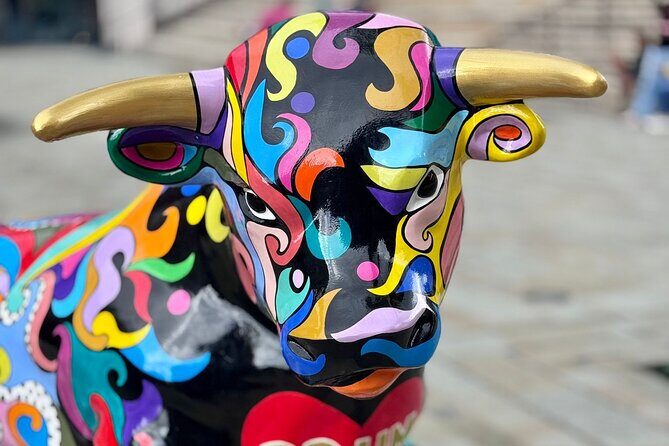
Your first stop is Victoria Square, and your guide begins right where the city is easiest to orient. This is smart for first-time visitors because it helps you build a “mental map” while you practice shooting.
Expect a quick intro to how to find strong angles. Guides focus on things like:
- where to stand for a cleaner view of the landmark
- how to line up buildings so they don’t look like they’re falling over in your frame
- how to use your phone’s composition tools to center or balance key elements
Why this stop works: Victoria Square gives you wide open space and obvious landmarks, so it’s the perfect place to practice without the stress of getting lost or squinting for tiny details.
Small drawback: because this spot is popular, you may need a minute to time your shots between foot traffic. If you’re picky, bring patience for a clean frame.
Chamberlain Square: framing buildings like a screen “subject”
Next up is Chamberlain Square, where the lesson turns from general angles into framing. This is where your guide shifts you from “take a photo” to “compose a photo.”
In plain terms, framing means you control what’s inside the image and what’s cropped out. You’ll practice how to use the building as a subject and how to position yourself so the structure feels deliberate, not random.
This stop is also great for improving one of the most common beginner issues: phone photos that feel too wide or too busy. By practicing framing early, you’ll be better prepared for the more architectural and reflective scenes later in the walk.
Library of Birmingham: foreground and background that actually create depth
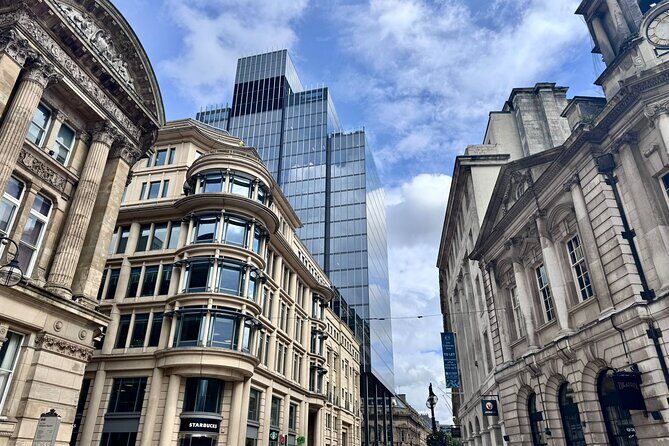
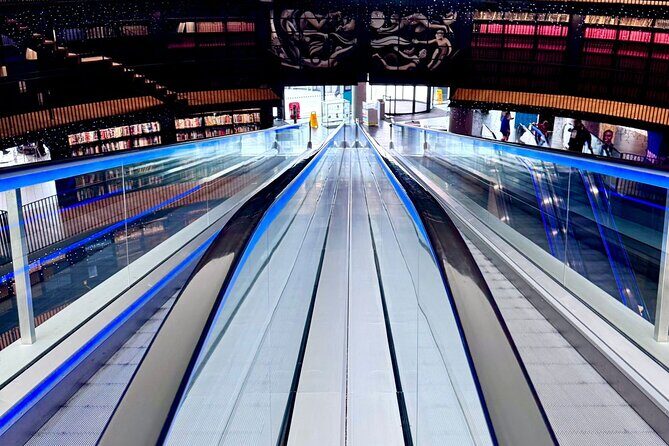
At the Library of Birmingham, the focus becomes depth using foreground and background. This is one of those techniques that sounds technical until someone shows you where to stand.
The basic idea you’ll learn: put something near the camera in the foreground, and another key element farther away in the background. On a phone, even a small change in position can create a noticeable layer effect.
Why you’ll like this stop: the library’s strong lines and prominent shapes naturally support depth. You’re not forcing it with gimmicks; you’re working with architecture.
Possible consideration: this is more “composition work” than “quick snapshot work.” If you rush without trying a few distances (closer, then a step back), you might miss the depth payoff.


International Convention Centre Birmingham: street photography, focus, and depth cues
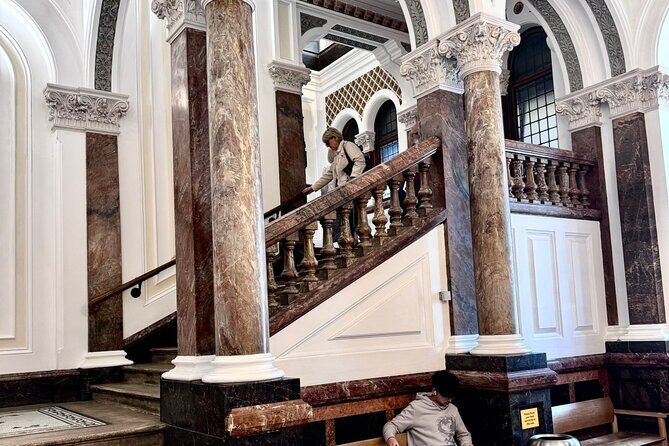
Then you head to the International Convention Centre Birmingham, where the guidance turns toward street photography. This stop is less about “perfect postcard symmetry” and more about using focus and depth to make city scenes feel real.
The key lesson here is making your viewer’s eye land where you want it. You’ll practice:
- choosing your primary subject
- controlling how sharpness and depth make the scene feel layered
- finding compositions where lines and edges guide attention
Why this matters: street photography on phones often ends up flat because everything is treated the same. When you learn to pick a focal anchor, suddenly your images look more intentional.
Brindley Place: symmetry, leading lines, and canal angles
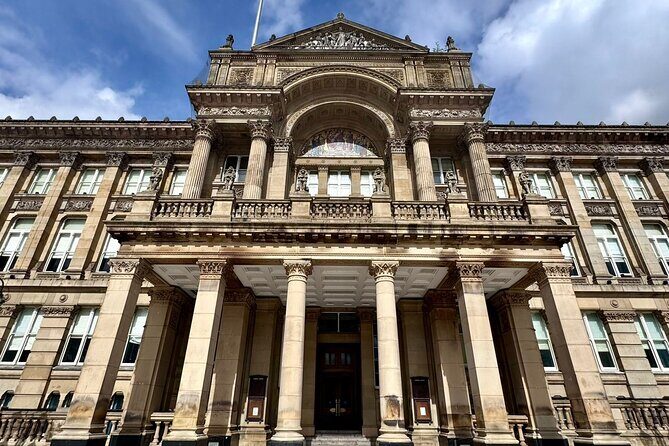
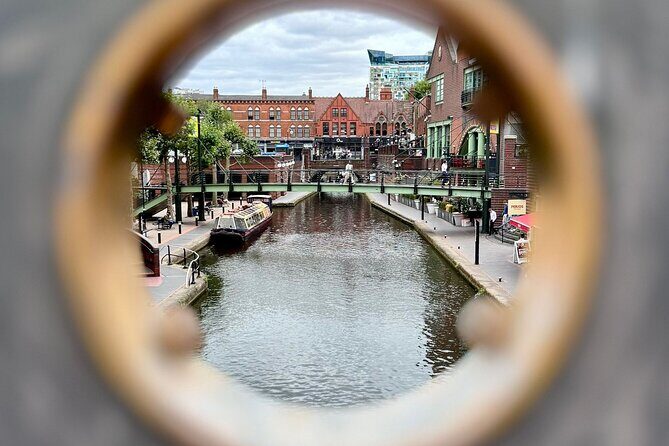
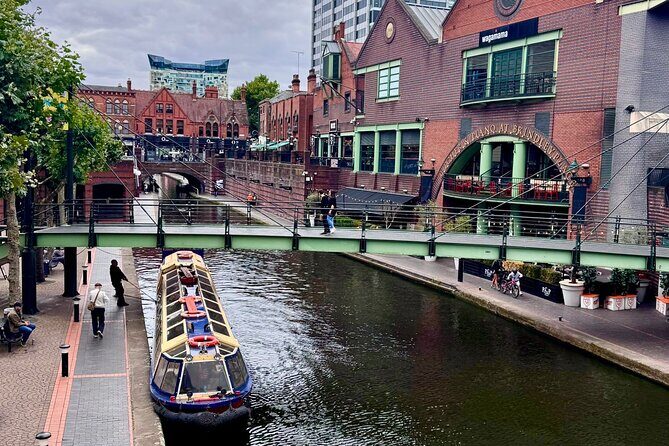
Next is Brindley Place, a favorite kind of stop because it rewards slow movement. You’ll learn how to work on symmetry and use leading lines with the canal.
This is the stop where you start seeing how city planning becomes photo planning. Water gives you reflections or smooth surfaces. Walkways and edges give you guides. And the canal creates natural “lines” that pull your photo through the frame.
A quick practical tip you’ll likely use: try both sides of the canal view. Changing your position often changes the symmetry instantly, even if you’re only a few steps away.
The main drawback: if you’re chasing the cleanest mirror reflections, you’ll need calm conditions. With moving water or crowds, you may have to work with softer reflections instead.
Ikon Gallery: reflection shots using the back-of-phone trick
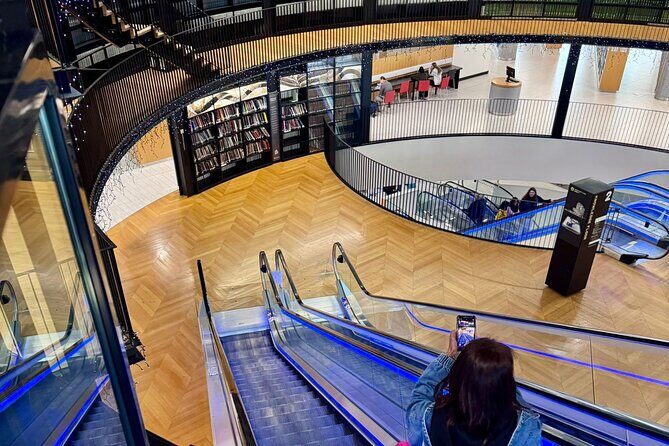
At Ikon Gallery, the lesson targets reflection shots, and your guide specifically works with how to get reflections using the back of your phone.
This is a great technique class because reflections can be tricky. You want something you can actually control, not a blurry guess. When your guide teaches a consistent method, you stop wasting time and start getting repeatable results.
Why this stop is valuable: reflections add a second image layer without needing extra locations. One frame can become two stories—original subject plus its mirrored echo.
The Cube: finding the best angle for Birmingham’s most iconic modern shape
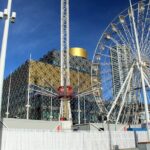
Finally, you reach The Cube, where the goal is to capture Birmingham’s iconic modern form from the best angle. This is where you’ll use everything you’ve practiced: positioning, line control, and making the subject feel solid and centered.
This stop is short, so the photos you’ll like most are the ones you plan quickly: take one wider view, then adjust slightly for a cleaner geometry shot.
If you’re traveling with friends or family, this is also a good “team photo” moment because the structure reads clearly even in smaller frames.
What the guides actually teach you (and why it works)
The tour’s real value isn’t just the places. It’s what your guide helps you do with your phone while you’re standing in front of the subject.
From past feedback, guides like Paul were known for practical iPhone editing pointers such as:
- turning on the grid to lock in central composition
- using photo editing settings like contrast, and understanding highlights and shadows
- suggesting black-and-white looks for more abstract compositions
Other guides, like Sancha, were praised for helping people feel comfortable trying new angles, even if they weren’t “camera people.” Howard also stood out for mixing city knowledge with a playful, approachable tone that made questions feel normal, not awkward.
In other words, you’re getting both the how-to and the confidence boost. That combo is rare in short walking tours.
Group size, walking pace, and practical comfort
With a maximum of 15 people, you can expect a semi-personal experience. Your guide should be able to check in with individuals and help you adjust your shot setup.
The pacing is brisk but not frantic. Still, you’ll be on your feet most of the time, and the whole point is to stop, shoot, and move.
What I recommend you bring:
- your phone fully charged (and ideally a backup battery)
- a comfortable pair of walking shoes
- water if it’s warm
- a willingness to take 5–10 shots per stop rather than one
Even if you’re not chasing “perfect” photos, this structure trains your eye. That’s the long-term win.
Price and value: why this feels like a bargain
At about $6.84 per person for roughly 1.5 hours with a guide, the value is strong. You’re paying for direction, not just sightseeing.
A paid workshop would normally cost much more than this, especially if you consider what you get:
- multiple landmark stops in a compact route
- a guided mini “photos on your phone” coaching session
- time at each location to practice framing and composition
Also, you’re not required to bring a professional camera. The tour explicitly doesn’t include one, which keeps it accessible. If you already have a phone, you’re set.
Weather and last-minute changes: the one risk you should plan for
This experience requires good weather. If weather turns ugly, you’ll be offered a different date or a full refund.
There’s also an important caution flag from one unhappy case: a cancellation/absence tied to a family situation led to frustration, and refund handling took effort. You can’t predict these rare events, but you can protect yourself by checking emails the night before and keeping your schedule flexible if possible.
Who this tour is best for
You’ll get the most if:
- you’re visiting Birmingham for the first time (or you want a fresh look)
- you want better phone photos without learning a camera system
- you enjoy structured photo prompts like framing, focus, symmetry, and reflections
- you like walking with a guide who mixes practical technique with city context
You may not love it if:
- you want long stops where you can wander freely for an hour
- you only want history and don’t care about camera settings
- you hate crowds at popular city-square locations
Should you book this Birmingham photography walking tour?
Yes, if your goal is better photos with less guesswork. The small group size, landmark variety, and phone-focused instruction make it a smart use of time in central Birmingham. The lessons are simple enough to use immediately, but targeted enough that your images improve in one afternoon.
Book it especially if you want a guide to help you stop photographing like you’re pointing a camera and start photographing like you’re composing a scene. If your schedule is tight, add a little buffer for weather, and check your messages closely the day before.
FAQ
How long is the Photography Walking Tour in Birmingham?
It lasts about 1 hour 30 minutes.
What time does the tour start?
The start time is 11:00 am.
Where do I meet for the tour?
You meet at Birmingham Museum & Art Gallery, Chamberlain Square, Birmingham B3 3DH, UK.
Where does the tour end?
The tour ends at 196 Wharfside St, Birmingham B1 1RN, UK.
How much does it cost?
The price is $6.84 per person.
What language is the tour offered in?
The tour is offered in English.
Is a professional camera included?
No. A professional camera is not included.
What’s included in the ticket?
The guide is included.
Is there a limit on group size?
Yes. The maximum number of travelers is 15.
Do I need good weather for the tour?
Yes. It requires good weather. If it’s canceled due to poor weather, you’ll be offered a different date or a full refund. Service animals are allowed, and the tour is near public transportation. Free cancellation is available if you cancel at least 24 hours before the experience’s start time.