REVIEW · BIRMINGHAM
Birmingham Civil Rights Walk of Freedom Smartphone Audio App Tour
Book on Viator →Operated by WalknTours · Bookable on Viator
A phone guides you through Birmingham’s hardest days. This self-paced Civil Rights smartphone audio walk maps major stops like 16th Street Baptist Church and Kelly Ingram Park so you can learn on your schedule.
I like the GPS-triggered audio that advances as you reach each corner, and I also like that this is a short, mostly outdoor route you can fit into a tight day.
One thing to consider: it’s an all-outside walk, so you may not be able to go inside every building you pass.
In This Review
- Key highlights at a glance
- How the GPS Audio Advances When You Reach Each Corner
- Price and Value for a 1 to 1 Hour 10 Minute Outdoor Walk
- Start at 16th Street Baptist Church, End Near the Civil Rights Institute
- 16th Street Baptist Church and the Children’s Crusade Stories
- A.G. Gaston Motel and Project C, Plus Movement Churches
- Jazz, Theater, and Jim Crow: Hearing Segregation Through Place
- Eddie Kendrick Memorial Park and Birmingham’s Black Skyscraper
- Kelly Ingram Park: Statues, Marches, and What to Notice
- Pacing Tips and Who This Tour Fits Best
- Should You Book This Birmingham Walk of Freedom App Tour?
- FAQ
- How much does the Birmingham Civil Rights Walk of Freedom smartphone tour cost?
- How long does the tour take?
- Where does the tour start and end?
- Is the tour all outdoors, and does it include admission tickets?
- What language is the tour offered in?
- Is this tour private?
- Can I cancel and get a refund?
Key highlights at a glance
- GPS audio that advances by location, so you’re not wandering while the story plays
- Photos for each stop to confirm you’re at the right place
- A focused route (about 1 hour to 1 hour 10 minutes) with landmark after landmark
- Major Birmingham sites including 16th Street Baptist Church, A.G. Gaston Motel, and Kelly Ingram Park
- Priced for value at $9.75 per person, with no included admissions needed
- Private by group so you’re not tied to strangers’ pacing
How the GPS Audio Advances When You Reach Each Corner
This is the kind of tour where you walk and your phone talks. The biggest win is how the route feels built for real streets, not just a museum slideshow. The GPS system is designed to determine when the audio should move forward, and the directions are specific enough that you can follow along without constantly checking maps.
A practical perk: each stop comes with on-screen help (including a photo), so you can quickly verify you’re standing in the right spot before the next story begins. That matters most at sites that look similar at a glance—especially in busy urban blocks where you don’t want to guess.
There is also a human element to the narration style. The delivery is engaging, and it keeps momentum. Still, don’t be shocked if you hear an occasional odd pronunciation—like a word that sounds close-but-not-perfect. It won’t ruin the tour, but it’s worth knowing going in.
You can also read our reviews of more walking tours in Birmingham

Price and Value for a 1 to 1 Hour 10 Minute Outdoor Walk
At $9.75 per person, this is one of the easier ways to spend meaningful time with Birmingham’s Civil Rights story without a high ticket price. You’re paying for: an audio guide in your pocket, a route that’s already planned, and just enough time pressure to keep the walk focused.
What boosts the value: you’re not required to buy separate admissions just to follow the route. The tour is all outside, and the route includes stops where the related locations don’t require extra ticketing to participate in the experience. That means you can get the core of the education—names, events, and context—without paying again at each site.
Where you should watch your expectations: if you want to go inside places like the 16th Street Baptist Church, that may be a separate decision with separate access. One common snag is that inside access can sell out, so the audio tour is the safer bet if your schedule is tight.
Start at 16th Street Baptist Church, End Near the Civil Rights Institute
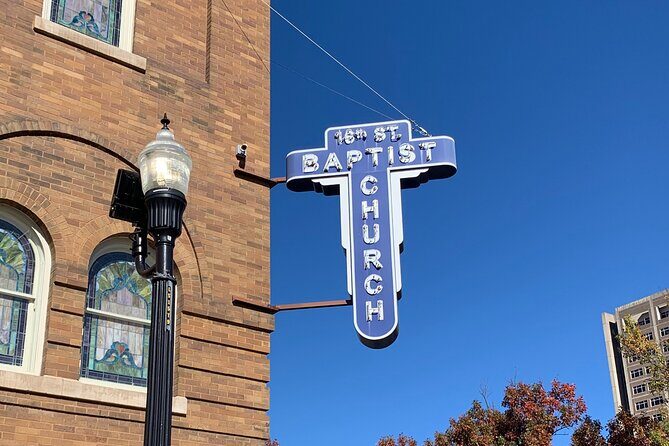
The walk begins at 16th Street Baptist Church, located at 1530 6th Ave N, Birmingham, AL 35203. You’ll end near the Birmingham Civil Rights Institute at 520 16th St N, Birmingham, AL 35203. In other words, it’s not a dead-end route. It loops you back into a cluster of where you can keep learning.
The location setup is practical for two reasons. First, it keeps the most emotionally significant starting point right where it belongs. Second, the end point gives you an easy follow-on if you want more depth after the audio finishes. The institute’s hours are listed as open daily from 12:00 AM to 11:30 PM, which makes it easier to plan around your other day activities.
This tour is also private in the sense that only your group participates, not a mixed group. That helps if you’re walking with kids, going at a slower rhythm, or simply want your own space while you listen.
16th Street Baptist Church and the Children’s Crusade Stories
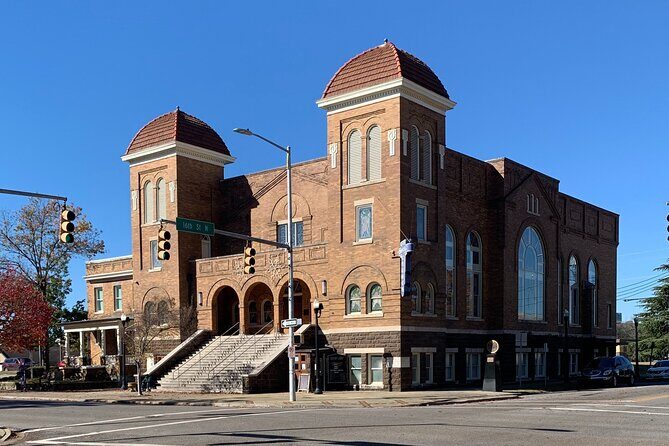
The first stretch centers on the 16th Street Baptist Church, starting from the church steps. This is where the tour slows you down with the backstory: the bombing, the people who gathered at this site, and the wider Civil Rights leadership that touched the era, including MLK.
Even if you know the broad outline of the story, the audio structure helps it land in your body. You’re not just reading about events; you’re standing where they happened and hearing the sequence explained stop-by-stop. It’s a powerful way to connect names and dates to a real address.
A second key moment happens outside the church as the tour moves into the role the church played in the Children’s Crusade in 1963. The framing here matters because it shows how faith communities weren’t just background to history—they were active meeting points that helped people organize, protest, and push forward despite fear.
This is also one of the best sections for families and first-timers, because the audio pacing is built around short segments and clear transitions. You get context without needing to sit still for an hour at once.
A.G. Gaston Motel and Project C, Plus Movement Churches
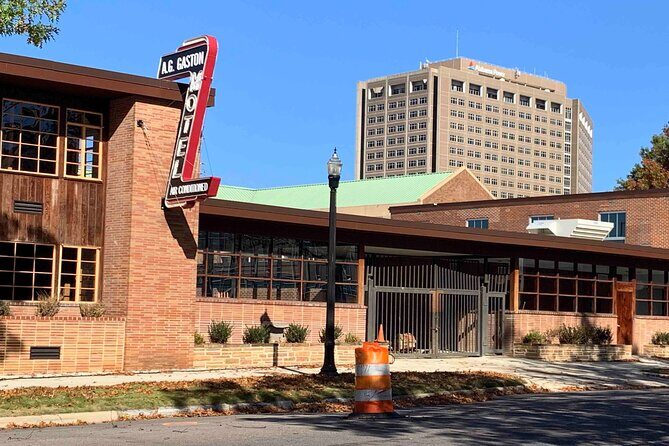
Next, you’ll head to the historic A.G. Gaston Motel area to hear its role in Project C. This part of the route is valuable because it broadens the lens. Instead of focusing only on protests in the streets, you also hear how networks and behind-the-scenes organizing shaped outcomes.
Then the tour shifts again to the Movement churches. This matters because it connects the church theme to the larger movement strategy. These places helped anchor action—community organizing, moral support, and practical coordination—during a time when public life was heavily controlled.
A small expectation check: because the tour is outside, you’ll be learning from the sidewalks and corners rather than from interior exhibits. That’s not a deal-breaker. It just means you’ll get the story with you on the street, and you may want the option of additional reading or museum time if you crave deeper detail on any single chapter.
A few more Birmingham tours and experiences worth a look




Jazz, Theater, and Jim Crow: Hearing Segregation Through Place
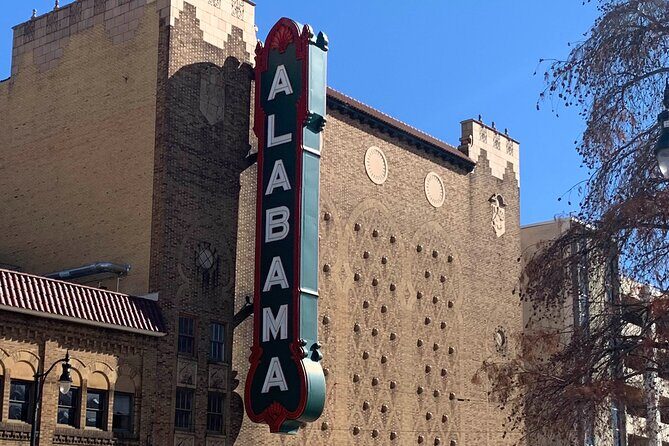
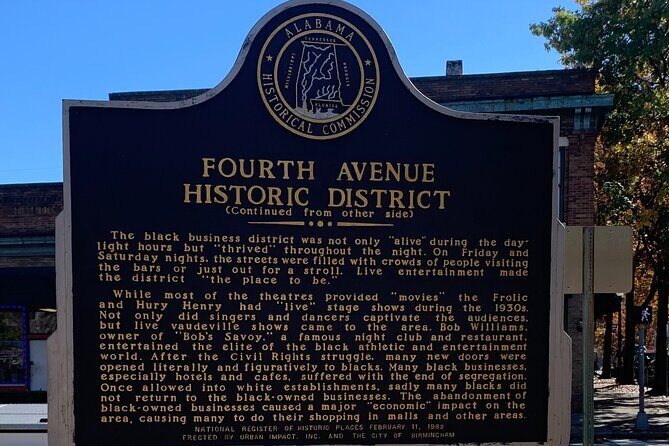
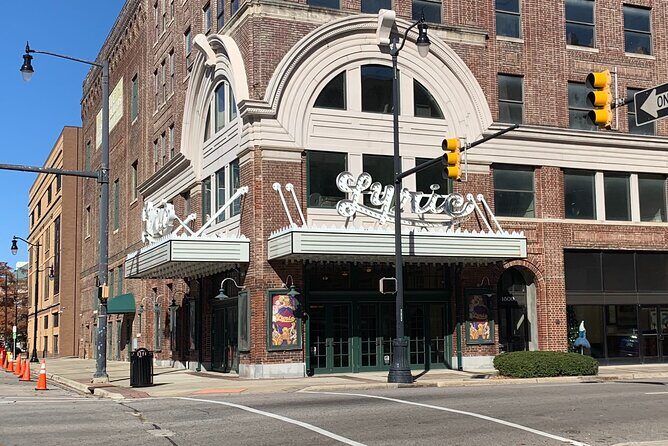
The middle portion of the walk moves from Civil Rights activism into cultural life under segregation. You’ll hear about the history of jazz and the history of the theater during segregation, explained as something that shaped daily reality—not just entertainment.
From there, the audio takes on Jim Crow laws and their effects, including how segregation days worked and how that system was later revived. Hearing it connected to real buildings and real streets keeps the message grounded. It also helps you understand that segregation wasn’t only about laws—it was about access, visibility, and who got to be seen in public life.
This section is also a good mental reset. After the heavy emotional weight of the early church stories, the culture-and-laws angle gives you a wider picture. You’ll walk away understanding that Civil Rights history includes courtrooms and marches, yes, but also the fight for dignity in everyday spaces.
Eddie Kendrick Memorial Park and Birmingham’s Black Skyscraper
Two of the route’s stops add variety while keeping the theme centered on Black lives and legacy.
First up is Eddie Kendrick Memorial Park. Here you’ll hear the history of the famous Temptations singer and his music. It’s a reminder that these stories are not only about oppression. They’re also about creative power and cultural contribution.
Then the tour stops at 1520 4th Ave N, sometimes referred to as Birmingham’s Black Skyscraper. You’ll hear about the people who once lived there. That’s the kind of detail that makes a city feel specific and lived-in, rather than like a list of landmarks.
Both stops are short, which is useful when you’re walking with kids or anyone who gets tired. You stay moving, but you still get meaningful stories that don’t feel like filler.
Kelly Ingram Park: Statues, Marches, and What to Notice
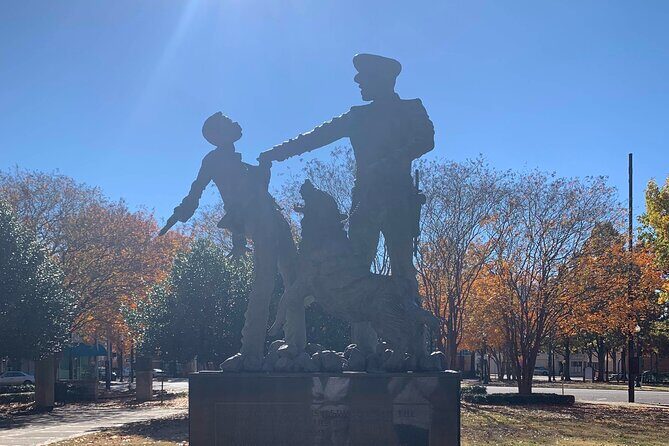
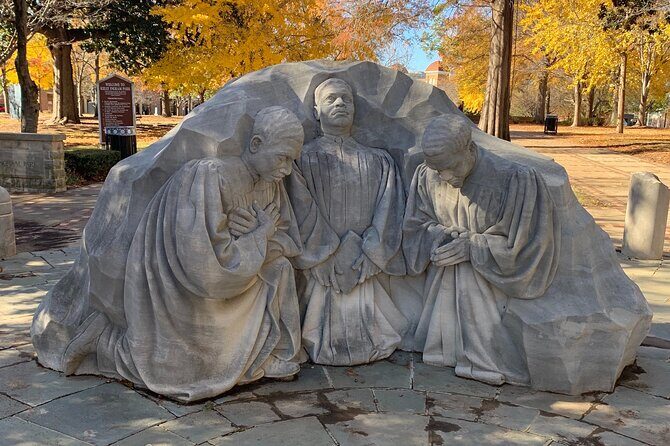
Kelly Ingram Park is one of the emotional anchors of the route. The audio guides you through the park as it covers the marches, the statues, and the Civil Rights moments that occurred here.
This stop is worth slowing down for. Even if you already know the basics, the park layout helps you notice how public art and open space can carry memory. When you listen to the stories while looking at the physical markers, you start to understand why this place became so symbolic.
If you’re short on time, make this your priority. The pacing is designed so you don’t feel rushed through everything, but Kelly Ingram Park is the part that often leaves people wanting just a few more minutes to stand, look, and replay what they heard.
Pacing Tips and Who This Tour Fits Best
The tour timing is designed for real-world walking: about 1 hour to 1 hour 10 minutes depending on how your pace matches the audio prompts. Since the audio advances by location, you’re encouraged to keep moving—yet you’re not locked into a rigid group schedule.
That flexibility is a big reason the experience works for different travel styles. I especially like it for:
- Families who want education without a long museum slog
- Solo visitors who prefer a structured route they can pause at will
- People who want a focused Civil Rights loop before or after visiting the Birmingham Civil Rights Institute
It also works well when you want a short window between other plans, like heading somewhere else later in the day. And because it’s private, you don’t have to manage conversations over a guide’s voice.
One practical note from experience-style feedback: the route directions can be easy to follow, but some buildings you pass may be closed depending on the day. Since the tour focuses on outside stops, it’s still meaningful even when interiors aren’t available. If you specifically want indoor access, plan extra time and be ready that access can vary.
Finally, the tour format is supported for most participants and allows service animals, and it’s near public transportation. That makes it easier to build into a wider Birmingham day without complicated logistics.
Should You Book This Birmingham Walk of Freedom App Tour?
Yes—if you want an affordable, self-paced way to connect Birmingham landmarks to the Civil Rights story. At $9.75, you’re getting a structured route through major sites—16th Street Baptist Church, A.G. Gaston Motel (Project C), Eddie Kendrick Memorial Park, 1520 4th Ave N, and Kelly Ingram Park—without paying for a separate guided program.
Book it if:
- you value flexibility over a fixed group tour
- you want an easy way to learn in order, stop-by-stop
- you’re heading to the Civil Rights Institute anyway and want a strong lead-in
Skip it or add more planning if:
- you strongly want indoor access at specific buildings like the 16th Street Baptist Church, since the tour itself is outside-focused
- you need a perfectly smooth app experience—most of the time it works well, but any initial technical hiccup was solvable with prompt support
If you want a walk that feels like a guided story in your own hands, this is a smart choice.
FAQ
How much does the Birmingham Civil Rights Walk of Freedom smartphone tour cost?
The tour costs $9.75 per person.
How long does the tour take?
The duration is about 1 hour to 1 hour 10 minutes.
Where does the tour start and end?
It starts at 16th Street Baptist Church, 1530 6th Ave N, Birmingham, AL 35203, and ends near the Birmingham Civil Rights Institute, 520 16th St N, Birmingham, AL 35203.
Is the tour all outdoors, and does it include admission tickets?
It is all outside, and it does not include food, drinks, or admission tickets. The included item is the GPS walking tour app.
What language is the tour offered in?
The tour is offered in English.
Is this tour private?
Yes. It is listed as a private tour/activity, so only your group participates.
Can I cancel and get a refund?
Yes. It has free cancellation. You can cancel up to 24 hours in advance for a full refund.