REVIEW · BIRMINGHAM
Birmingham City Centre Daily Walking Tour (10:30am & 2pm)
Book on Viator →Operated by Walking Tours in England · Bookable on Viator
Birmingham has two speeds: traffic and walking. This 90-minute city-centre walking tour slows things down so you can actually read the place—history, architecture, and local stories—without wrestling maps. I like that it hits major sights fast (Cathedral Square to Ikon Gallery) and I especially like the way guides thread the why behind what you’re seeing, often with humor.
One thing to keep in mind: this is mostly an outside walk. Some stops list admissions as not included, and you’re covering a lot of ground in a short time, so if you want long museum or indoor time, you’ll need a second visit.
In This Review
- Key highlights worth showing up for
- Why this Birmingham walk is built for getting your bearings fast
- Start at Birmingham Cathedral Square: your history compass
- St Philip’s Cathedral Garden and Victoria Square: quick shots of old Birmingham
- Birmingham Town Hall: the civic stage where famous names passed through
- Museum and Art Gallery stop: how creativity shows up in the city’s identity
- Chamberlain Square and Centenary Square: war sacrifice to modern city life
- Hall of Memory: remembrance without the rush
- Baskerville House and Broad Street: local legends plus a music-soaked vibe
- Symphony Hall and the industrial canal walk: Birmingham seen from the waterline
- Ikon Gallery finish at Brindleyplace: old-style drama meets modern art
- Price and value: what $19.41 really buys you here
- How to make the most of it: pacing, English, and comfort tips
- Who should book this Birmingham City Centre Daily Walking Tour
- Should you book this tour?
- FAQ
- What time does the Birmingham City Centre Daily Walking Tour run?
- How long is the tour?
- How much is the tour?
- Where do I meet and where does it end?
- Is the tour in English?
- Are tickets to the stops included?
- Do I need a paper ticket?
- What if the weather is poor?
- Can I get a full refund if I cancel?
Key highlights worth showing up for
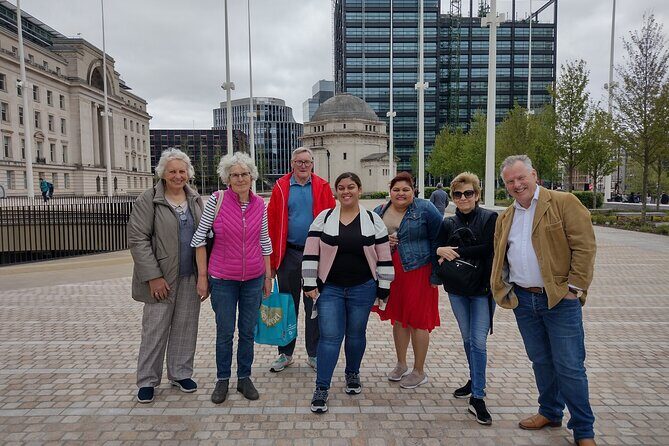
- Small-group feel (max 20): you don’t get lost in the crowd, and questions actually land.
- A clean city-center route: you move through Cathedral Square, Victorian squares, war memorial spaces, Broad Street, and finish at Ikon Gallery without navigating.
- World War + remembrance stops: Chamberlain Square and the Hall of Memory give you context that you’d miss if you just pop in and out.
- Canals and industry-era Birmingham: the walk connects the city’s industrial past to what you can still see today.
- Iconic landmarks, quick stops: each location is brief (about 5 minutes), which keeps pacing relaxed but means you won’t go deep inside everything.
- Guides with personality: local guides you might hear about include Phil, Dee, Peter, Richard, and Carlos, often praised for making facts feel fun.
Why this Birmingham walk is built for getting your bearings fast
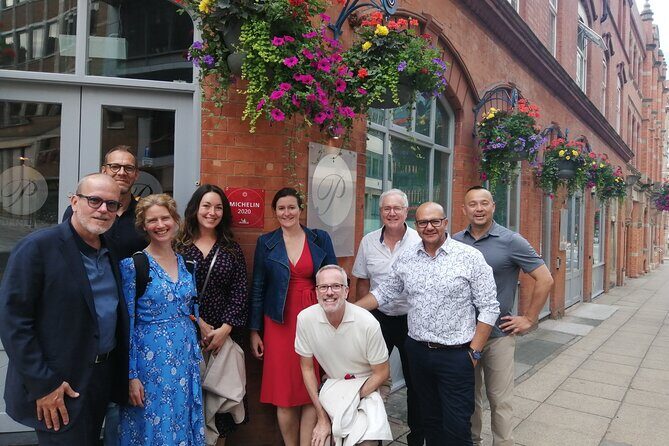
This tour is scheduled twice daily, at 10:30am and 2pm, and runs about 1 hour 30 minutes. That time window is practical: long enough to form a mental map of the city, short enough to still enjoy your afternoon (or add a pub stop) right afterward.
You’ll walk at a relaxed pace with short stops (roughly five minutes each). That matters because Birmingham’s centre can feel like a patchwork of eras. By the end, you should be able to look at familiar buildings and know what time period they belong to and why people built things that way.
You can also read our reviews of more walking tours in Birmingham


Start at Birmingham Cathedral Square: your history compass
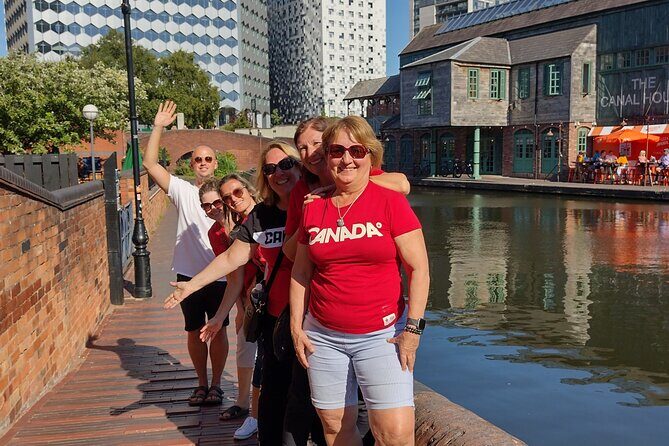
The walk begins at Birmingham Cathedral, Cathedral Square (Colmore Row, B3 2QB). Your first stop sets tone and context in the shadow of Birmingham Cathedral, with a local guide giving you a foundation for what comes next.
This is a smart opening. Cathedral Square isn’t just scenic—it’s a clean “anchor point” so your brain starts organizing the rest of central Birmingham. If you’re the type who usually misses context until the end of a trip, this is designed to fix that.
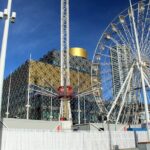
Practical tip: some people say the meeting spot can be easier to find by looking for the Ferris wheel in Cathedral Square rather than expecting a flagpole.
St Philip’s Cathedral Garden and Victoria Square: quick shots of old Birmingham
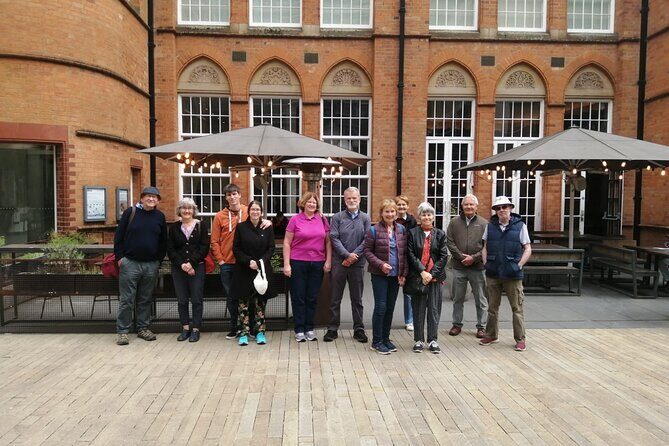
Next you’ll head to St Philip’s Cathedral Garden. The big draw here is the contrast: it’s tied to the industrial revolution era, and it’s described as one of the smallest cathedrals in Britain. Even in a brief stop, you get a sense of how Birmingham shaped religious architecture around its growth.
Then comes Victoria Square, where you step back into Victorian Birmingham. This stop is short, but it helps you place the city’s 1800s identity. On a walk like this, those “micro stops” are where the tour does its best work: you don’t just see the buildings—you learn how the city changed.
Birmingham Town Hall: the civic stage where famous names passed through
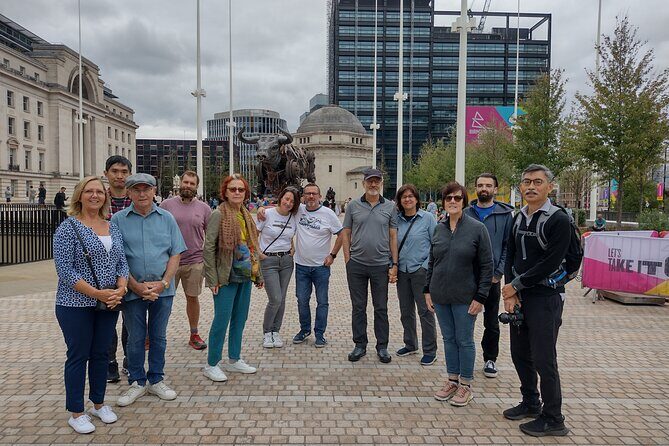
At Birmingham Town Hall, the tour leans into civic pride and big-city moments. You’ll get a guided pass that links the building to famous figures—names mentioned include Charles Dickens, Emmeline Pankhurst, Bob Dylan, the Rolling Stones, and the Beatles.
Two things to know for your planning:
- Admission is not included for this stop, so don’t assume you’ll be going inside.
- The value here is the storytelling and exterior appreciation. It’s enough to make you want a deeper visit later if the building grabs you.
This is one of the stops that turns a “look at the facade” moment into a “now I get why it matters” moment.
Museum and Art Gallery stop: how creativity shows up in the city’s identity
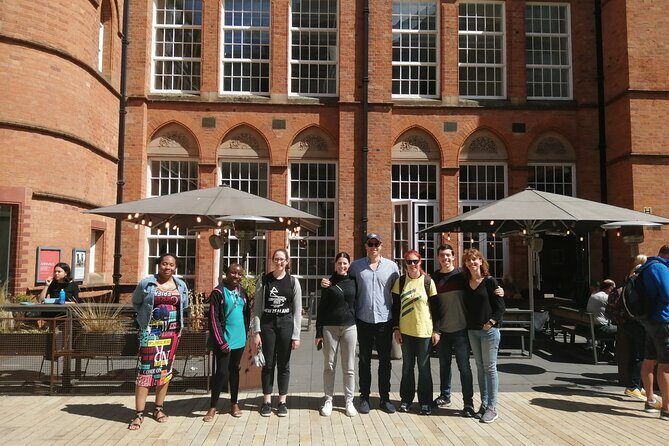
The tour continues to the Birmingham Museum & Art Gallery. Like Town Hall, admission is not included, so think of this as a guided window into the city’s arts scene rather than a full museum session.
Even with a short stop, I think this works well on a first visit. Birmingham’s story isn’t only factories and war. It’s also how communities funded culture and built institutions. If you later choose to return for an exhibition, you’ll already understand why this building sits where it does and what it represents.
You can also read our reviews of more city tours in Birmingham

Chamberlain Square and Centenary Square: war sacrifice to modern city life
At Chamberlain Square, you’ll focus on Birmingham’s crucial role in both World Wars and the sacrifices made by its people. Admission is free for this stop, and the guide’s job is to connect the memorial tone to real civic identity.
Then you move to Centenary Square, where the theme shifts from old to new. You’ll see modern city architecture and life in Birmingham today. This pairing is effective because it doesn’t treat the past like a dead display. It shows how the city rebuilds itself and repurposes space as time moves on.
If you’re someone who likes cities that don’t shy away from difficult chapters, these two stops are a strong reason to take the tour early in your trip.
Hall of Memory: remembrance without the rush
Next is the Hall of Memory. The tour notes admission is not included, but the stop is still meaningful because it’s framed as memorializing those who gave their lives for Birmingham and Britain.
This is also the type of stop where weather matters. The tour is short, but it’s still a walking experience with pauses, and one review experience called out how a cold day can make you want the guide to keep moving. If you’re visiting in winter, dress like you’ll be standing still in the open air for a bit.
Baskerville House and Broad Street: local legends plus a music-soaked vibe
At Baskerville House, the guide shares details about John Baskerville. Again, admission is not included, so you’ll likely get the context fast and keep walking. But it’s a nice reminder that Birmingham’s influence isn’t only industrial—it’s also connected to names that matter in broader cultural history.
Then you reach Broad Street, described as the city’s own walk of fame. Admission is free here. Even if you don’t obsess over celebrity “spotting,” this stop helps explain why Birmingham has always had a public-facing identity—music, performance, and a sense of swagger rooted in local pride.
Symphony Hall and the industrial canal walk: Birmingham seen from the waterline
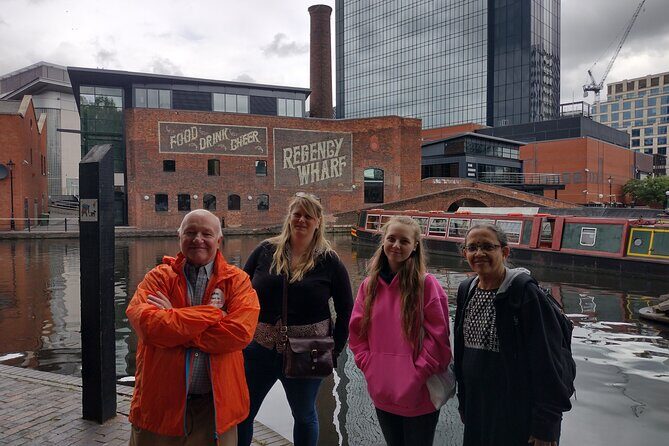
The tour continues to Symphony Hall, with a relaxing walk alongside industrial canals. Admission is not included for this stop, but that’s fine because this segment is about the setting and the story connection.
This is a standout type of stop because it changes the feel of the tour. Instead of only looking at facades and squares, you get movement through the city’s industrial-era geometry—edges, bridges, canal lines. It’s a great moment to slow down, look around, and let Birmingham’s engineering personality show.
It also pairs well with photos. If your camera roll usually looks like a parade of buildings, this is your chance to get the water-and-industry angles.
Ikon Gallery finish at Brindleyplace: old-style drama meets modern art
The walk ends at Ikon Gallery, 1 Brindley Pl, Oozells Sq (B1 2HS). This is where the route’s theme changes from purely historical to a mix of eras.
The tour frames Ikon Gallery as a place where old and new combine, calling out the Neo Gothic exterior of a contemporary art gallery. The stop is not listed with included admission, so treat this as a stylish finish line rather than a museum-locked finale.
In practice, a finish at Brindleyplace is handy. It’s a natural place to keep exploring after the guided portion ends, whether you want food, a second walk, or just a sit-down break.
Price and value: what $19.41 really buys you here
At $19.41 per person (with mobile tickets), this tour isn’t expensive for what you get in a city like Birmingham. The value comes from three things:
- Time saved on figuring out a route. You move through 12 named stops with no map work.
- Context delivered quickly. Most stops are about five minutes, which means you’re collecting key story beats rather than spending your holiday trapped in slow sightseeing decisions.
- Small group size. With a maximum of 20 travelers, it feels more like a guided walk than a big bus lecture.
The main reason this can still feel like great value even though some admissions aren’t included: in 90 minutes, you don’t have time for deep indoor visits anyway. The tour is designed to whet your appetite and help you choose what to return to later.
How to make the most of it: pacing, English, and comfort tips
The tour is offered in English, and it’s suitable for most travelers. That said, there’s a real-world consideration: if you prefer a slower speaking pace, it’s worth letting your guide know at the start. A tour with short stops can move quickly if you need extra time to process details.
Also, plan your clothing like you’re out for a walk, not a museum day. One experience noted that a cold day made the tour feel less energetic. With British weather, layers beat wishful thinking.
Finally, wear shoes you’ll trust. You’ll be moving between multiple central landmarks, and the route connects squares, civic buildings, and canal-side areas.
Who should book this Birmingham City Centre Daily Walking Tour
This is a good fit if you want:
- a first taste of Birmingham that creates a map in your head
- a guided route through major central landmarks
- history with local color and humor (guides like Phil and Dee are praised for making it fun)
It’s less ideal if you want:
- lots of time inside museums, cathedrals, or large interiors
- a slow, linger-and-explore-only schedule
Should you book this tour?
If you’re heading to Birmingham for a day or two and want to understand the city quickly, this tour is a strong yes. For a modest price, you’ll cover key squares, memorial spaces, and canal-side Birmingham, and you’ll finish with enough context to plan smarter follow-up visits.
Book it especially if you like walking tours that feel personal without being overcomplicated. Aim to go early in your trip, so the stories help you notice more later.
FAQ
What time does the Birmingham City Centre Daily Walking Tour run?
It runs at 10:30am and 2pm.
How long is the tour?
The tour lasts about 1 hour 30 minutes.
How much is the tour?
It costs $19.41 per person.
Where do I meet and where does it end?
Meet at Birmingham Cathedral, Cathedral Square, Colmore Row, Birmingham B3 2QB. The tour ends at Ikon Gallery, 1 Brindley Pl, Oozells Sq, Birmingham B1 2HS.
Is the tour in English?
Yes, it’s offered in English.
Are tickets to the stops included?
Not always. Some stops are listed as admission free, while others list admission not included (like Birmingham Town Hall and Birmingham Museum & Art Gallery). Plan on mostly guided viewing during the walk and expect that indoor entry may require separate tickets.
Do I need a paper ticket?
No. You get a mobile ticket.
What if the weather is poor?
The tour requires good weather. If it’s canceled due to poor weather, you’ll be offered a different date or a full refund.
Can I get a full refund if I cancel?
Yes. You can cancel for a full refund if you cancel at least 24 hours before the experience’s start time.