REVIEW · BIRMINGHAM
Birmingham Civil Rights Tour- Riding & Walking
Book on Viator →Operated by Red Clay Enterprises LLC · Bookable on Viator
Birmingham’s stories are written on every corner. This 3-hour ride-and-walk tour connects major civil rights sites into a clear route, with live guide commentary that helps the names, dates, and places finally stick.
I love the small group size (max 14). You get room to ask questions, and the guide can keep the pace human instead of rushed. I also love the air-conditioned vehicle between stops, which matters in Birmingham when you’re walking more than a mile total.
One possible drawback: the tour includes steady walking in temperatures that can run from 40 to 100°F, so you’ll want moderate fitness and the ability to walk unassisted at a reasonable speed.
In This Review
- Key highlights worth knowing
- Why this Birmingham civil rights route feels different from a self-walk
- The walk-and-ride rhythm: comfort without losing the street-level view
- Kelly Ingram Park and 16th Street Baptist Church: where Birmingham hits hardest
- Linn Park and Boutwell Auditorium: understanding power on the local level
- Smithfield and Dynamite Hill: bombings shown in the neighborhoods themselves
- Historic Bethel Baptist Church: Rev. Fred Shuttlesworth’s leadership in place
- Eddie Kendrick Memorial Park and the Black Business District: more than protests
- John Herbert Phillips Academy: integration attempted, resistance answered
- The Wells Fargo ATM stop: the Freedom Riders attack point
- Ride-and-walk logistics that help your day go smoothly
- Who should book this tour (and who might want a different option)
- Should you book the Birmingham Civil Rights Tour: Riding & Walking?
- FAQ
- How long is the Birmingham Civil Rights Tour- Riding & Walking?
- What language is the tour offered in?
- Where does the tour start?
- Will I be walking the whole time?
- What physical fitness level do I need?
- Are entrance fees included?
- How big is the group?
- Does the tour run in bad weather?
- Are service animals allowed?
- What is the cancellation policy?
- Are children allowed?
Key highlights worth knowing
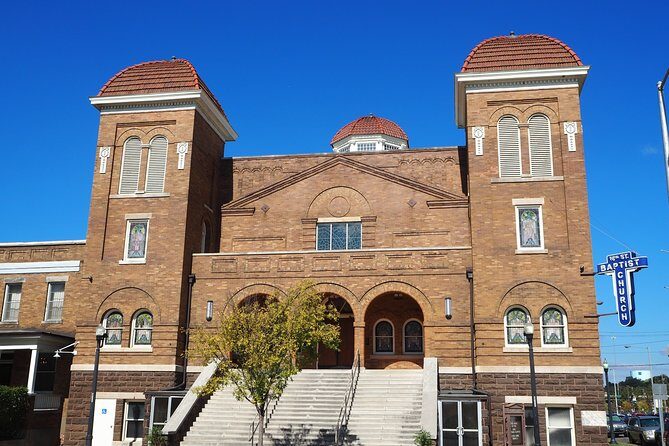
- Kelly Ingram Park to 16th Street Baptist Church: a focused walk through the movement’s most famous Birmingham moments
- Dynamite Hill and nearby streets: the history of bombings told in the places they happened
- A Freedom Riders stop tied to Wells Fargo: the attack point is part of the route, not a quick mention
- Small-group format: up to 14 people, so questions don’t get lost
- Shade, pacing, and a mix of ride/walk: breaks help keep the experience manageable during heat or chill
- All entrance fees included: you’re not surprised by extra costs at the door
Why this Birmingham civil rights route feels different from a self-walk
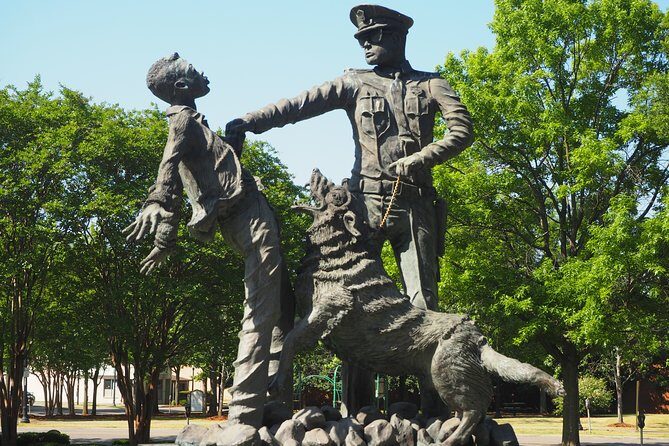
Birmingham can be a “read the plaque, then wander off” kind of city if you go solo. The buildings are there, but the significance can blur, especially when you’re trying to connect events across neighborhoods. This tour keeps you on a guided path where each location is explained in plain language, with context you can actually use.
What I like most is how the guide builds cause-and-effect. You don’t just get a list of landmarks. You get the “why” behind what happened at each site and how different communities pushed back in different ways, sometimes through marches, sometimes through courts and schools, sometimes through organizing that didn’t always make headlines.
Also, the emotional weight is handled with care. Reviews often call the tour sobering but also purposeful. That balance matters here. You’re learning real history, including tragic violence, without it turning into shock value.
You can also read our reviews of more walking tours in Birmingham

The walk-and-ride rhythm: comfort without losing the street-level view
This is a ride-and-walking tour, not a full bus tour. You’ll spend time on foot around key areas, then hop into an air-conditioned vehicle for the connections between neighborhoods. That mix is practical.
Yes, you’ll walk more than a mile during the tour. The good news: the stops are short and the schedule moves you along logically, so the walking feels like part of the story rather than a chore. The weather note is important. The tour runs rain or shine, and you may experience temperatures anywhere between 40 and 100°F. If you’re the type who gets cold quickly or overheats fast, plan accordingly with layers, water, and comfortable shoes.
One small detail that can make a big difference: guides on this route have been praised for managing comfort, including shade and restroom breaks. That’s not the same thing as a promise, but it’s a strong sign that the team understands what a real walking tour feels like.
Finally, the small group size (up to 14) makes the pacing work. You’re not trying to hear explanations over a crowd. You’re close enough to see what the guide points out.
Kelly Ingram Park and 16th Street Baptist Church: where Birmingham hits hardest
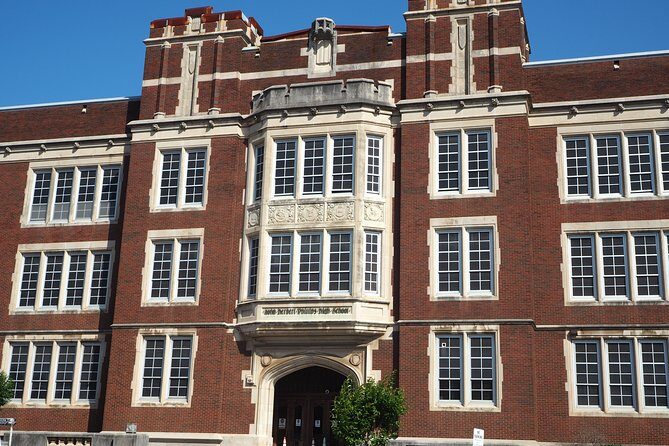
The tour starts at 512 16th St N, Birmingham, and you quickly move into the core of the Civil Rights story. The first stretch includes Kelly Ingram Park and surrounding areas tied to the Civil Rights District. Expect a guided walk that grounds the movement in specific locations, not just big-picture American history.
Kelly Ingram Park is where you really feel the scale of public confrontation. This area is known for the statues and the story they carry, and a guide turns those symbols into something you can picture: who marched, what they faced, and why Birmingham became a proving ground.
Then comes 16th Street Baptist Church, one of the most powerful stops on the route. You’ll learn about the church’s role in the movement and the history behind the bombing that killed four little girls. This is the kind of stop where you’ll want to slow down mentally. The guide’s job is to keep the story clear and respectful, and the structure of the tour helps you stay focused instead of getting overwhelmed.
Practical takeaway: build in the emotional energy for this segment. If you’re bringing kids, it can be educational and age-adjusted, but it is also heavy subject matter.
Linn Park and Boutwell Auditorium: understanding power on the local level
After the core church-and-park section, you shift into the “how the system pushed back” story. Linn Park is part of the route and connects to where march protests ended in Birmingham. Even with a short visit, it matters, because it shows how protests were met with control and pressure.
Boutwell Auditorium is another quick but meaningful stop. You’ll learn about Bull Connor and his clashes with those fighting for Civil Rights. Connor’s name is tied to the way city leadership used force and intimidation, and the guide’s explanations help connect the dots between protest action and official response.
What you’ll get here is a lesson in local politics. National headlines get the glory; local power often sets the boundaries. Once you understand that, Birmingham makes more sense, and the rest of the tour reads like an ongoing sequence rather than random sites.
Smithfield and Dynamite Hill: bombings shown in the neighborhoods themselves
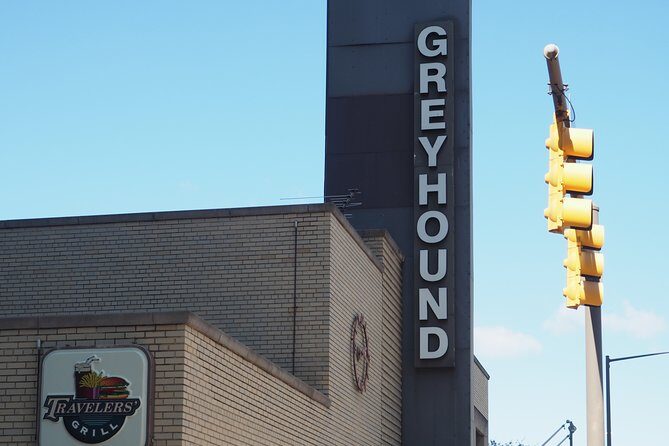
One of the tour’s most memorable components is Dynamite Hill, reached as part of the Smithfield area. This is where the route connects homes and churches that were targeted with bombings during the Civil Rights era.
The reason this stop lands so hard is simple: it’s harder to reduce violence to a statistic when you’re standing in the geography it affected. The guide helps you interpret the environment—what kind of places these were, what was at stake, and how terror was used to control basic rights like integration and equal access.
You also get a real sense of what courage looks like under threat. Instead of treating civil rights gains as inevitable progress, you see the costs and how persistent people were even when the danger was close.
Tip for your visit: if you take photos, do it respectfully and briefly. This part of Birmingham history is not a backdrop. It’s a reminder of deliberate harm, and the best photography here is usually the kind you don’t rush.




Historic Bethel Baptist Church: Rev. Fred Shuttlesworth’s leadership in place
The next major stop is the Historic Bethel Baptist Church. You’ll see the church where Rev. Fred Shuttlesworth led the movement in Birmingham.
This is a different kind of story than the earlier stops. Instead of focusing only on specific confrontations, you’ll get more emphasis on leadership and strategy. Shuttlesworth’s role helps show why organized faith communities mattered so much: they were meeting points, planning hubs, and moral centers when the rest of society refused to play fair.
Even in a 20-minute timeframe, this stop helps the tour avoid becoming just trauma. It brings people back to action—who organized, who led, who kept going.
Eddie Kendrick Memorial Park and the Black Business District: more than protests
Not every stop is built around marches and public conflict, and that’s a big plus. Eddie Kendrick Memorial Park helps you see the Black Business District and learn about Black life in Birmingham during its heyday.
This segment offers a necessary correction to a common tourist mistake: only visiting places tied to oppression and assuming that was the whole story. Here, you’re reminded that communities built culture, commerce, and local pride even under segregation and restriction.
If you’re the kind of traveler who wants a fuller picture—people as neighbors and builders, not only as historical subjects—this is the stop that widens your lens.
John Herbert Phillips Academy: integration attempted, resistance answered
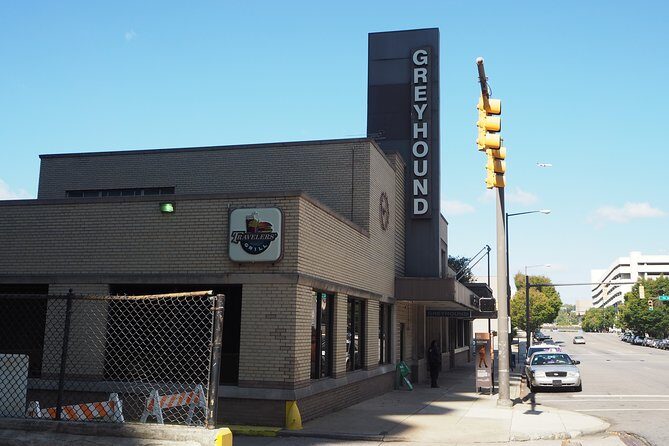
You’ll also see John Herbert Phillips Academy as part of the tour. The guide explains where Rev. Fred Shuttlesworth attempted to integrate schools in Birmingham.
This is valuable because it shifts the narrative from street confrontation to the legal and institutional struggle. Civil rights wasn’t only about marches. It was also about challenging who got to learn, where, and under what rules.
In practical terms, it helps you understand why “rights” take so long. Even when activists win part of the argument, schools and systems can drag their feet. Integration wasn’t a single event; it was a long fight against delay and obstruction.
The Wells Fargo ATM stop: the Freedom Riders attack point
One of the most distinctive parts of the route is the brief visit connected to the Wells Fargo ATM, where the Freedom Riders were attacked in Birmingham.
You may wonder why an everyday place like a bank location fits into this history. The answer is that the route treats the city itself as the record. The Freedom Riders weren’t just harmed somewhere vague—they were attacked at a specific point in time, and this tour ties the event to that place.
Short stop, strong impact. When a guide does it well, you leave with the feeling that you understand not only what happened, but how fragile safety was for people doing nonviolent direct action in hostile territory.
Ride-and-walk logistics that help your day go smoothly
This tour is designed for momentum. Duration is about 3 hours. You get live commentary on board, plus transportation in an air-conditioned vehicle. The schedule includes multiple short walking segments—each one timed so you’re not trapped in one place too long.
Group size matters for comfort and conversation. With a maximum of 14 travelers, you’re more likely to hear explanations clearly and get your questions answered.
If you’re sensitive to weather, plan layers. The tour runs rain or shine, and the company notes it will handle rain issues with transportation if needed. For severe weather cancellation, you’ll have the option of an alternative date or a full refund.
Also pay attention to physical requirements. The guidance is clear: this isn’t recommended if you can’t walk at least a mile, and it’s not a good fit for those affected by cold or hot weather.
Who should book this tour (and who might want a different option)
This tour is a strong fit if you:
- want a guided route through Birmingham’s most important civil rights landmarks
- prefer a small group over big bus crowds
- like clear explanations that connect multiple sites into one story
- are okay with walking just over a mile total and standing at outdoor locations
You might choose something else if:
- you struggle with walking unassisted or keeping a steady pace
- weather sensitivity is a major issue for you
- you want mostly indoor, minimal-walking sightseeing
For many visitors, this tour becomes the best use of a limited time in Birmingham. It’s also a good choice for families, with the caveat that the material is real and heavy.
Should you book the Birmingham Civil Rights Tour: Riding & Walking?
If you want Birmingham’s civil rights history to make sense, this is a smart booking. The route focuses on key locations—Kelly Ingram Park, 16th Street Baptist Church, Dynamite Hill/Smithfield, Bethel Baptist Church, the Freedom Riders attack point, and more—and the guide role is what turns those points into a coherent story.
The best part is the balance: you get the street-level experience of walking where history happened, without exhausting yourself on constant foot travel. Just be honest about your walking comfort and your ability to handle temperatures. If that’s manageable, you’ll likely leave with a much clearer understanding of what people faced, how they organized, and why Birmingham became such a pivotal chapter in the fight for equal rights.
FAQ
How long is the Birmingham Civil Rights Tour- Riding & Walking?
It runs about 3 hours.
What language is the tour offered in?
The tour is offered in English.
Where does the tour start?
The meeting point is 512 16th St N, Birmingham, AL 35203, USA.
Will I be walking the whole time?
No. You’ll do some walking around stops, plus you’ll travel between locations in an air-conditioned vehicle. The tour includes walking over a mile total.
What physical fitness level do I need?
The tour is recommended for people with a moderate physical fitness level and you should be able to walk unassisted at a reasonable speed. It is not recommended if you cannot walk at least a mile.
Are entrance fees included?
Yes. Entrance fees are included, and the tour is listed as having tickets/fees handled with no hidden costs noted in the highlights.
How big is the group?
The tour has a maximum of 14 travelers.
Does the tour run in bad weather?
It runs rain or shine. If canceled due to significant weather (such as a hurricane, tornado, or ice), you’ll be offered an alternative date or a full refund. If rain becomes an issue, transportation is provided.
Are service animals allowed?
Yes, service animals are allowed.
What is the cancellation policy?
You can cancel for a full refund up to 24 hours before the experience starts. If you cancel less than 24 hours before the start time, the amount paid is not refunded.
Are children allowed?
Children must be accompanied by an adult.