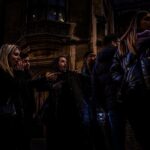
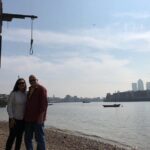
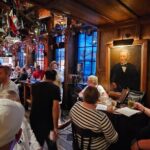
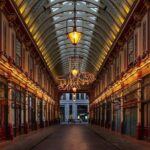
Street photos get better fast.
This 6-hour London street workshop is built for real-world practice, not just theory, with Cyrus and Marc guiding you through the streets around Fleet Street. You’ll work like a photographer: shoot, get coached, review, then shoot again—with a plan that tackles the stuff that usually makes people freeze up.
Two things I like a lot: you get hands-on feedback during the day, and you’ll also receive instruction that explains how to think about composition, subject, light, and colour—not just what to photograph. The small group format (up to 8) makes questions easy, and the teaching is structured enough that you can track your progress.
One thing to consider: the day moves hard. You’re looking at shooting, lectures, critiques, discussions, and assignments packed into a short window, so if you hate critique, or you want a laid-back stroll, you might find it a bit intense.
In This Review
- Key Takeaways Before You Go
- Fleet Street Meet-Up and How the Day Gets Going
- The Coaching Style: Cyrus and Marc Run It Like a Real Workshop
- Composition, Subject, Light, and Colour: What You Actually Learn
- Critique Sessions That Don’t Waste Your Time
- The Street Shooting Portion: Assignments and Less-Crowded Vantage Points
- Learning Through a Critique Loop, Not a One-Time Lecture
- What to Bring (and How to Prepare So You Don’t Get Stuck)
- Timing and Pace: A Full Day That Moves
- Value in Real Terms: Why This Workshop Can Be Efficient
- Who Should Book This Street Photography Workshop
- Should You Book It? My Practical Recommendation
- FAQ
- How long is the street photography workshop?
- Where does the workshop start?
- What time does it start?
- How many people are in the group?
- Is it offered in English?
- Do I need to bring a camera?
- Will I receive feedback on my photos?
- Will we photograph in busy tourist areas?
- Is it okay if I’m uncomfortable photographing strangers?
- Can I cancel and get a full refund?
- Are service animals allowed?
Key Takeaways Before You Go
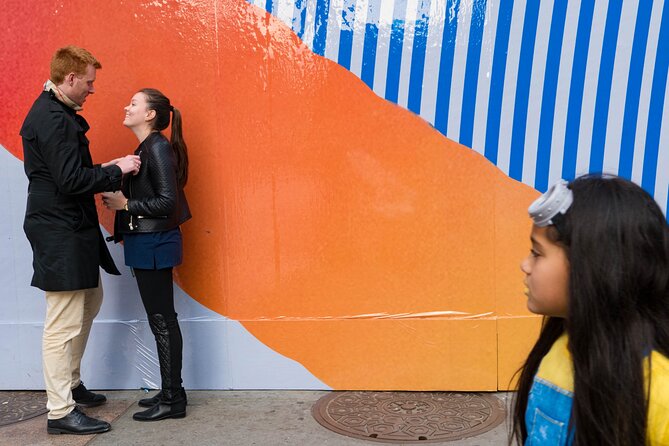
- Small group (max 8): more time for your questions and more direct attention on your photos.
- Feedback loops: you review images, get gentle corrections, then test the ideas immediately on the streets.
- Fewer-crowd shooting spots: you’ll head to lesser-known vantage points so you’re not fighting the crowds.
- Strangers anxiety, handled calmly: they teach you how to approach street photography safely and confidently.
- Theory that turns into frames: composition, subject focus, and the role of light and colour are taught in a practical way.
- A packed day: expect a full cycle of lecturing, critique, shooting assignments, and discussion.
Fleet Street Meet-Up and How the Day Gets Going
You start at Fleet St, London EC4A 2DQ, with the session set for 10:00 am. Since the workshop ends back at the meeting point, you don’t have to worry about navigating or getting stranded across town.
This kind of workshop works best when you arrive ready to shoot. You’ll be heading out around Fleet Street, and the format is clearly designed to get you into a street rhythm quickly. Even if you’re new, the training is framed around what typically goes wrong—awkward street interactions, average-looking photos, and not knowing where to put your attention.
Also, you’ll spend time at Cyrus and Marc’s rooms as part of the mentoring flow. That’s important because it means you don’t just get dumped outside with a camera. You get a structure for the day, then you translate it into action on the streets.
You can also read our reviews of more tours and experiences in London.


The Coaching Style: Cyrus and Marc Run It Like a Real Workshop
Cyrus and Marc teach street photography with a mix of encouragement and clear critique. The biggest win is how they treat feedback as part of the process, not as a scary judgement.
One review-style detail that matters for you: the teaching includes materials on the history and techniques of street photography. That background helps when you’re trying to make your own choices instead of copying random “tricks.” You start understanding what makes an image feel intentional—timing, subject placement, and how street scenes tell stories.
And yes, the tone seems relaxed, but not soft. Attendees with different personalities get handled sensitively, with both humor and seriousness showing up in the right places. If you’re nervous about photographing strangers, this is the part you’ll probably feel most. They’re not just saying be confident. They show you approaches that make it feel safer and more natural.
Composition, Subject, Light, and Colour: What You Actually Learn
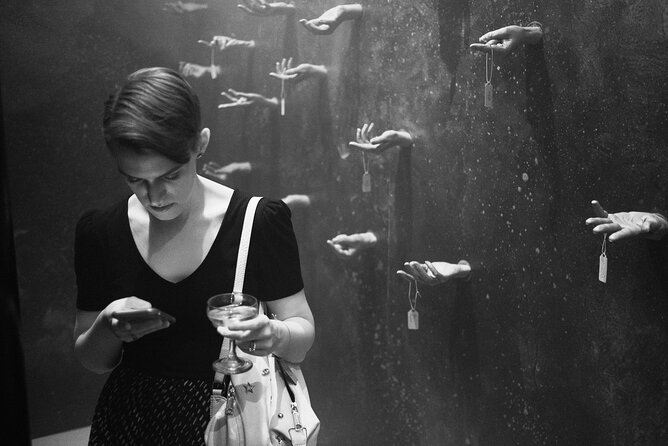
Street photography can look random when you’re new. You see a cool moment, you fire off a shot, and then you wonder why it doesn’t land.
This workshop tackles that directly. You’ll cover:
- Composition: how to frame, guide attention, and avoid cluttered images.
- The importance of the subject: who or what the photo is really about.
- Impact through light: when light makes a scene feel dramatic, readable, or emotional.
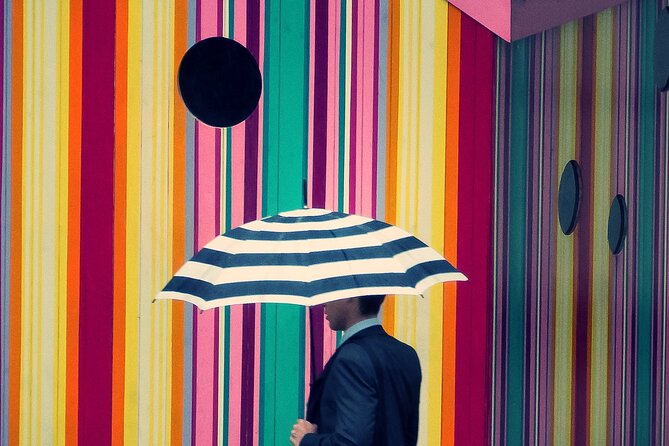
- Colour choices: how colour influences mood and clarity.
What I like about this is that it’s not “rules for the sake of rules.” The coaching connects these ideas to what you can do next—especially once you’re on an assignment. Instead of memorizing tips, you’ll practice the decisions while you’re still learning.
If you’ve ever stared at your own photos and thought they’re just okay, this is the kind of instruction that gives you a way to improve quickly. You stop asking only whether the moment was good, and start asking whether your photo actually works.
Critique Sessions That Don’t Waste Your Time
A major part of the workshop is critique. And it’s not vague. You’ll go through photographs, and you’ll get gentle advice about what’s working and what could be stronger.
There’s also a pre-day component. You can send photographs in the night before, and those get discussed during the workshop. That matters because it short-circuits the common problem: you spend your whole day taking shots but never develop a clear plan for what to change.
During the session, you’ll review images and talk about what’s good, then apply the feedback. The point is to help you see your pictures through a new lens—so you can recognize patterns and fix repeat issues next time you shoot on your own.
You should also know the workshop includes additional criticism during the assignments. That’s how you tighten your eye. It can feel like a lot, but that intensity is often what separates a fun walk from real improvement.
The Street Shooting Portion: Assignments and Less-Crowded Vantage Points
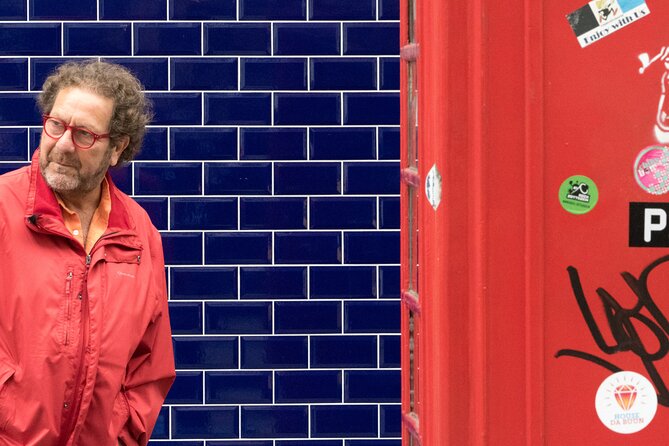
Once the lectures and setup are done, you’ll head out on street assignments. These are designed to push you beyond your comfort zone and to make you practice specific skills rather than randomly wandering.
A great detail here: you’ll be taken to lesser-known vantage points. That means you can shoot with fewer crowds and less visual competition. In London, that’s not a small thing. Crowds can turn even a great scene into a frustrating shuffle. Less crowd means more time to wait for the moment, compose, and experiment.
For people who feel uneasy photographing strangers, this part is where the training should help most. The guides explain how to do street photography safely, so you’re not guessing or panicking while the scene is happening.
And because the group is small, you’ll likely get more direct guidance about what to try next. You’re not just in the pack. You’re being coached while you shoot.




Learning Through a Critique Loop, Not a One-Time Lecture
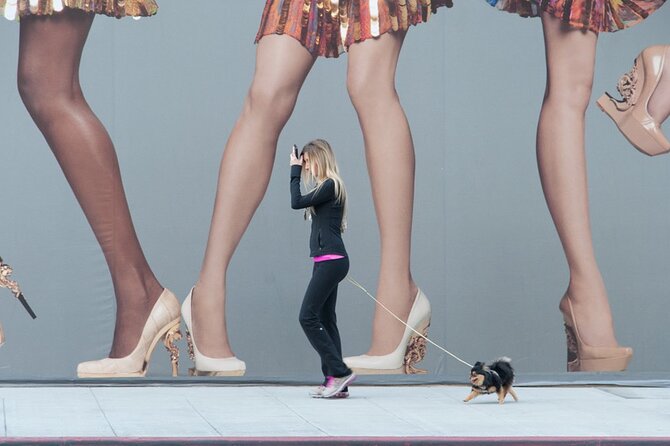
The workshop has a clear rhythm: theory, shooting, then review again. That’s the secret sauce.
If you’ve done workshops before that felt like a lecture followed by “good luck,” this is different. You’ll be forced to look at work—both your own and sometimes even the guides’ work is referenced (criticism of their work is optional, so you’re not trapped in comparison mode).
The practical effect is simple: you start building the skill of seeing. You notice what you missed earlier, you understand why certain frames hold attention, and you build confidence for the next set of photos.
It also helps that the group size stays tight. With up to 8 travelers, you’re more likely to get your specific questions answered, not just general advice.
What to Bring (and How to Prepare So You Don’t Get Stuck)
You need to bring a camera or iPhone. There’s no mention of gear being provided, so plan to show up with whatever you normally shoot with.
If you’re using an iPhone, you’ll still be practicing composition and subject choices. If you’re using a camera, focus on being ready fast. The workshop is about shooting with feedback loops, so fiddling with settings all day will steal time from learning.
Also, wear something comfortable for walking and shooting. Since you’ll be out on the streets and moving around the Fleet Street area, your best upgrade is good footwear.
One more prep tip: bring a mindset that welcomes correction. Even if you think your work is average, that’s exactly where a workshop like this helps. The training exists because you need instruction, not because your instincts are broken.
Timing and Pace: A Full Day That Moves
This is listed as 6 hours (approx.), and you should expect it to feel like a serious work session. The plan includes lecturing, critiquing, discussing, and shooting on the streets, plus time at Cyrus and Marc’s rooms.
There won’t be enough time to do every single thing you might want to do—more shooting, more editing, more critiquing, more looking at everything everyone else is doing. That’s normal for a group workshop. The upside is that you’ll leave with clear takeaways and exercises you can repeat later.
The pace is a good fit if you learn by doing and you like real coaching. It’s less of a fit if you want lots of free time, slow wandering, or a purely observational experience.
Value in Real Terms: Why This Workshop Can Be Efficient
Even without a price tag here, you can judge value by what’s included and what’s actively happening.
You’re getting:
- lecturing and critiquing
- guided street practice with assignments
- personalized attention in a small group
- feedback on your photos, including images you send in ahead of time
That’s valuable because you’re buying time with someone who can point out what to change. Many people waste months shooting without learning how to evaluate their own images. This workshop shortens that gap by putting critique and practice into the same day.
You also get the safety and confidence piece: learning how to photograph strangers without panicking. That’s not just comfort. It’s the difference between missing street moments and actually capturing them.
The one “cost” is mental energy. You may feel overwhelmed by the amount of shooting and critique. If you can handle that, the payoff is usually worth it.
Who Should Book This Street Photography Workshop
This is a strong option for:
- beginner to intermediate photographers who want direction
- people who feel nervous about photographing strangers
- anyone who wants actionable critique instead of general tips
- travelers who like learning quickly and getting out to shoot with coaching
You might think twice if:
- you hate critique
- you want a slow, casual photo walk
- you’re looking only for scenic viewpoints with no instruction-heavy format
Should You Book It? My Practical Recommendation
Book it if you want to improve your street photos in a structured way. The combo of assignments, repeated feedback, and small-group attention is the main reason this experience makes sense. You’ll leave with more confidence about what to look for, and with a clearer way to judge your own images.
Skip it if your ideal London day is relaxing and unstructured. This workshop is built to keep you working—shooting, listening, critiquing, and trying again.
If you’re on the fence, a good test is this: do you want coaching that challenges your usual habits? If yes, this is a smart use of your time in London.
FAQ
How long is the street photography workshop?
It runs for about 6 hours.
Where does the workshop start?
The meeting point is Fleet St, London EC4A 2DQ, UK.
What time does it start?
It starts at 10:00 am.
How many people are in the group?
The workshop has a maximum of 8 travelers.
Is it offered in English?
Yes, the workshop is offered in English.
Do I need to bring a camera?
Yes. You need to bring a camera or iPhone.
Will I receive feedback on my photos?
Yes. The workshop includes lecturing and critiquing, and you’ll go through photographs (including ones sent in the night before).
Will we photograph in busy tourist areas?
You’ll head to lesser-known vantage points to snap photos with less crowds.
Is it okay if I’m uncomfortable photographing strangers?
Yes. They explain how to safely photograph strangers and how to approach street situations with more confidence.
Can I cancel and get a full refund?
Yes, free cancellation is available. You can cancel up to 24 hours in advance for a full refund.
Are service animals allowed?
Yes, service animals are allowed.