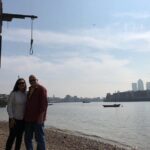
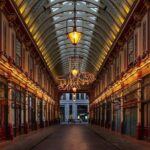
Southwark turns dark after sunset. On the Cloak and Dagger tour, you walk the South Bank at night and piece together how ordinary life, crime, and punishment shaped this part of London. Night walking keeps it lively and gives the stories sharper edges.
I love the storytelling that leans theatrical, with guides using character and humor to keep the group engaged. I also like the tight, short stops format, with historic locations you can slot into an evening. And yes, it’s grim—but it stays funny at the right moments.
The main drawback is tone: the subject matter is not for everyone, and it’s not recommended for children aged 12 and under. If you’re after a gentle overview of London, this may feel too spicy.
In This Review
- Key Things I’d Highlight Before You Go
- Night in Southwark: What This Tour Really Delivers
- George Inn Start: Hidden 17th-Century Atmosphere and Fast Context
- London Bridge at Night: Ordinary Lives Near the River
- Borough Market Through the Ages: Why You Should Look Down
- Southwark Cathedral and the Neighborhood Moods It Held
- The Crime-and-Punishment Chapter: What to Expect (and Who Should Skip)
- Returning to the George Inn: A Funny, Human Reset
- The Guides’ Style: Why Names Like Mary, Maggie, Will, and Ollie Keep Coming Up
- Price and Value: What $27.74 Buys You in London
- Duration and Pace: How to Fit It Into Your Evening
- Getting There: Meeting at 77 Borough High St
- Weather and Practical Reality: It’s a Walking Tour
- Who This Tour Is Best For (and Who Might Want Something Else)
- Should You Book the Cloak and Dagger Tour?
- FAQ
- How long is the Cloak and Dagger tour?
- Where does the tour start and end?
- Is this tour suitable for children?
- Are food or drinks included?
- What language is the tour in, and do I get a mobile ticket?
- What if the weather is bad or I need to cancel?
Key Things I’d Highlight Before You Go
- George Inn as the story engine: you start hidden inside a 17th-century landmark and return for a payoff moment with a drink option.
- A compact route that still feels substantial: multiple 20-minute chapters keep the pace moving without long hauling.
- London Bridge, but from street-level: the focus is how being near the river affected everyday lives.
- Borough Market with an eye for what’s underfoot: you’ll learn how the market life changed across time.
- Southwark Cathedral and its changing role: the tour connects architecture to community shifts, not just dates.
- Crime and punishment as the turning point: you get the darker realities and how the city dealt with wrongdoing.
Night in Southwark: What This Tour Really Delivers
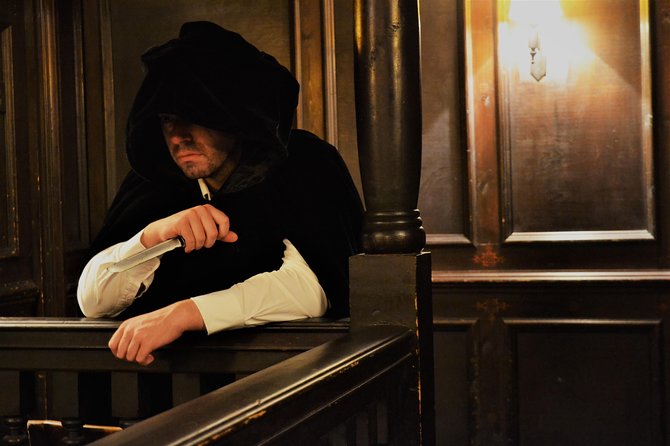
This isn’t the usual London walking tour where you collect dates and move on. The Cloak and Dagger tour is built around a single idea: Southwark wasn’t just charming streets and photo stops. It was a place where regular people lived close to hardship, and where the justice system (and public fear) left marks.
You’ll be moving through several landmark areas—George Inn, London Bridge, Borough Market, Southwark Cathedral—while your guide frames what you’re seeing in a darker story arc. The night timing matters. It changes the feel of the streets, and it makes the whole thing feel like an unfolding narrative instead of a checklist.
You can also read our reviews of more tours and experiences in London.


George Inn Start: Hidden 17th-Century Atmosphere and Fast Context
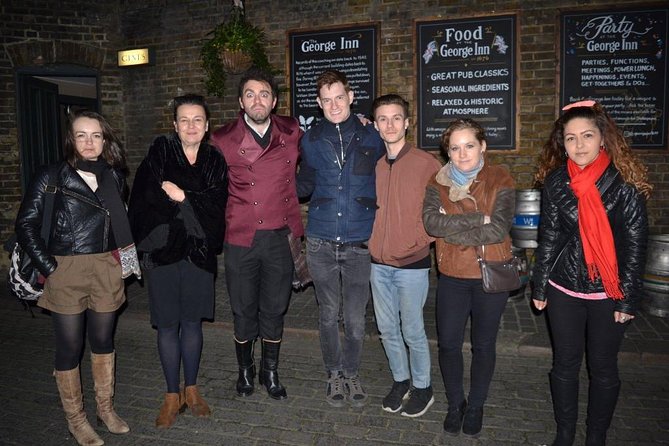
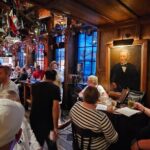
The tour begins at the George Inn, described as hidden and historic for a reason. From the first minutes, the guide sets the tone and helps you understand where you are—plus how the area’s early life connects to the things you’ll hear later. This is a smart way to start: you’re not just “visiting a building.” You’re being handed the lens you’ll use for the rest of the evening.
What I like about this opening is that it gives you a sense of cause and effect. The guide explains what you might normally take for granted, and then the next stops build on that foundation. If you’ve only got a couple of hours in London, this start helps you make them count.
There’s also something practical here. Starting at a real, still-standing inn means you get a proper anchor point, and the story doesn’t float off into nowhere. You’re grounded in place, and the group stays oriented from the start.
London Bridge at Night: Ordinary Lives Near the River
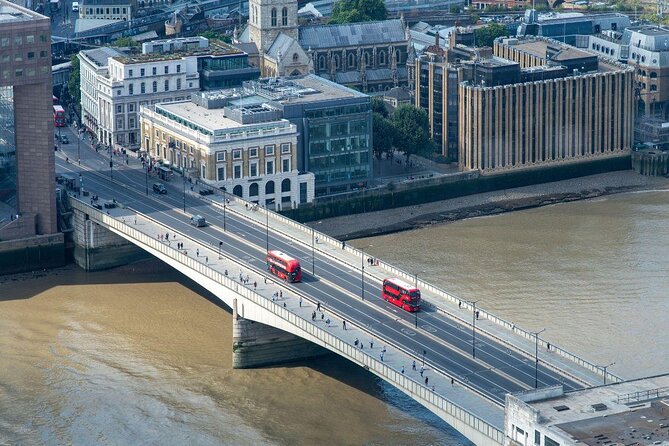
Next up is London Bridge. This part shifts from “landmark view” to “human view.” You’ll explore how people lived close to the river and what that closeness could mean in day-to-day life—especially in earlier periods.
This stop works because it doesn’t ask you to admire the bridge from a distance. Instead, you’re nudged to look at the area’s shape and think about what riverside living does to a community. It’s the difference between seeing a historic structure and understanding the pressure it put on people nearby.
At around 20 minutes, it’s also a good “breather-with-purpose.” You’ll be walking, but not so much that you lose the thread. The guide keeps you anchored to the story while you move through the bridge area.
Borough Market Through the Ages: Why You Should Look Down
Borough Market is one of those places people love for its present-day food scene. This tour takes that familiar feeling and turns it sideways. You’ll hear about what the market was really like across the ages, and you’ll get a lesson in paying attention to where you’re standing—and what’s underneath.
That single instruction changes your experience. You stop treating Borough Market as just a place to snack and start treating it like a layered site—built on generations of trade, crowding, and daily commerce. Even if you’ve been here before, the focus feels different.
One more thing: Borough Market can be sensory-heavy in general. Turning it into part of a narrative helps you handle that. Instead of being overwhelmed by noise and movement, you’re listening for the “why” behind the space.
Southwark Cathedral and the Neighborhood Moods It Held
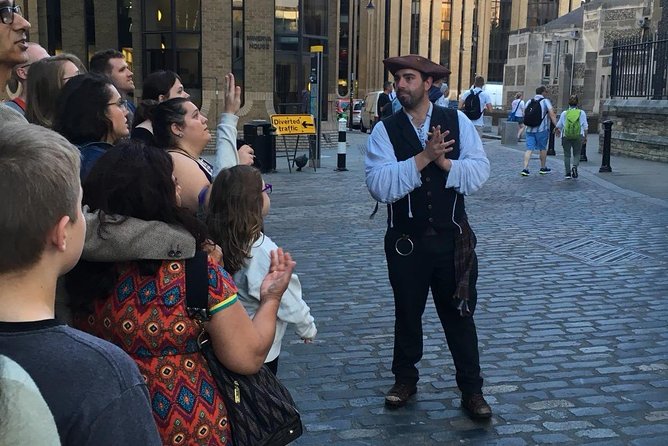
Southwark Cathedral is the kind of stop that can become just a photo moment on many tours. Here, it’s framed as part of the neighborhood story—what mysteries the area held, and how the cathedral and its inhabitants played roles that used to be different from today.
This is where you get a sense of how institutions interact with daily life. The guide talks about how the community connection changed over time, which helps explain why some places feel familiar even when the details are centuries old.
Also, because the pacing is consistent (again, about 20 minutes), this stop doesn’t drag. You’ll leave with a clearer picture of why Southwark’s identity isn’t just about one event. It’s about how religious spaces, neighbors, and rules all shaped each other.





The Crime-and-Punishment Chapter: What to Expect (and Who Should Skip)
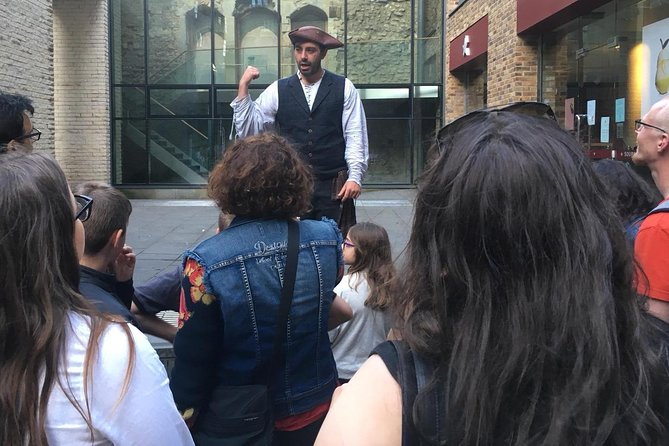
Some walking tours hint at the past and move on. This one has a turning point that gets more direct. You’ll explore areas nearby where the tour focuses on crime realities—and then, just as importantly, how wrongdoing was dealt with and punished. It also addresses how widespread the problems were and how bad it could get.
This is the part that earns the Cloak and Dagger name in full. Don’t expect cute storytelling. Expect grit, consequences, and details that can feel heavy. The tour’s tone is why it’s not recommended for children 12 and under.
Here’s the balanced way to think about it: it’s not marketed as a jump-scare horror show. You’re learning dark social reality through story and character. One review even notes it has nothing to do with Jack the Ripper, which matters if you’re expecting a specific whodunit. This is broader—about crime and punishment in the wider history of the area.
If you’re sensitive to grim topics, treat that as your biggest guide. If you can handle dark history, you’ll likely find it both educational and memorable.
Returning to the George Inn: A Funny, Human Reset
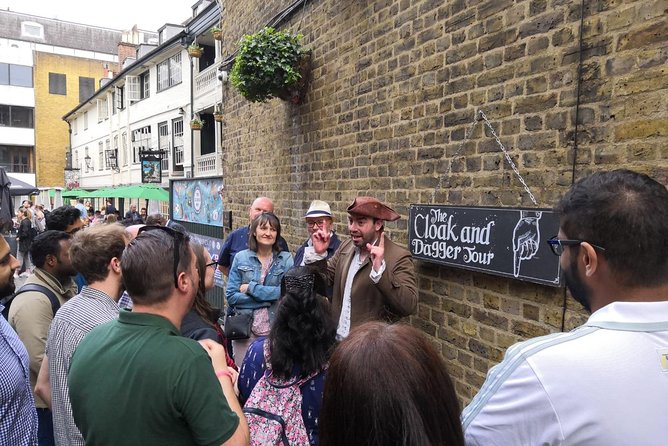
The final segment returns you to the George Inn, where the tour ties the threads together. You’ll learn how the inn functioned and how it connected to the heavier history you’ve been hearing all night.
This last stop is a clever structure choice. After serious stories, the tour gives you a place to land. The idea is you can recover with a nice ale and reignite a sense of normalcy—though any drinks are on you unless something is specified (the tour listing doesn’t include food or drinks).
I also like the “closing the circle” feeling. You don’t end with a random scene. You come back to the first landmark, and the guide uses that return to make the history feel cohesive rather than scattered.
The Guides’ Style: Why Names Like Mary, Maggie, Will, and Ollie Keep Coming Up
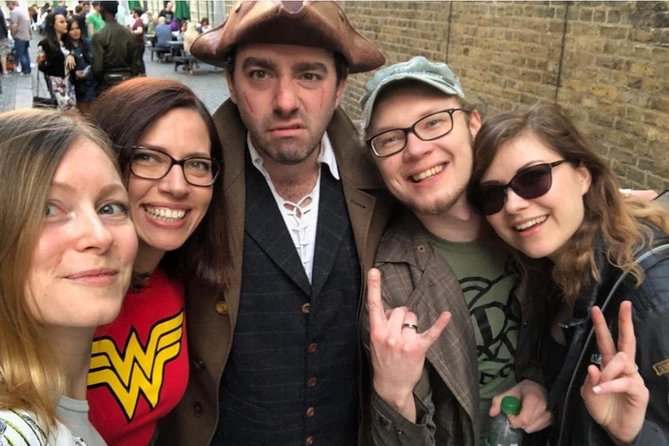
A big reason people rate this tour so highly is delivery. Multiple guides are named in feedback—Mary (including Mary B), Maggie, Will, and Oliver (also written as Ollie/Olly in some notes). Across those names, the common theme is energetic performance and character-based storytelling.
The tour often includes interaction too. You’re not just standing still and listening. Guides keep the group moving and engaged, sometimes using humor to break the tension. Even reviews that call the stories gruesome still emphasize that the guides work hard to keep it fun and understandable.
If you’re worried about whether dark history can be handled well, this is where you’ll likely feel relief. The pacing, the humor, and the character acting all help the material land without turning into pure shock value.
Price and Value: What $27.74 Buys You in London
$27.74 for a 2 to 3 hour night walking tour is strong value, especially in London where short, guided experiences can add up fast. What makes it feel like good value isn’t just the price tag—it’s the way the tour is built.
You get:
- A live guide
- A route that covers several famous South Bank areas in one evening
- Story-driven context you won’t easily get by wandering alone
Also, the schedule calls out free admission tickets at the stops. That means you’re not paying extra just to be in the places you’re learning about. You’re paying for the interpretation and storytelling.
And because the tour ends back where it started, you don’t feel stranded. It’s a clean, low-friction addition to a sightseeing plan.
Duration and Pace: How to Fit It Into Your Evening
The tour runs about 2 to 3 hours. The stop structure is tight—short segments at each location—so you’ll feel like you’re seeing and doing rather than sitting through one long lecture.
That duration matters for planning. If you’re doing the standard London day-to-night routine, this is a nice way to add something different without stealing your whole schedule. If you’re going to dinner after, you’ll still have time to eat before you melt into jet-lag or fatigue.
The main pacing tip is simple: wear comfortable shoes. You’ll be walking between stops, and it’s a nighttime route. You want to stay steady and relaxed so the story stays the focus.
Getting There: Meeting at 77 Borough High St
You meet at 77 Borough High St, London SE1 1NH, and the tour ends back at the meeting point. It’s near public transportation, which is helpful because night timing makes last-mile walking feel longer.
A mobile ticket is provided, which means you can keep things simple on your phone and avoid hunting for paperwork. Still, arrive a little early. One review notes the group may start earlier than some people expect, so aim to be on time—or slightly ahead—to avoid missing the opening context.
Weather and Practical Reality: It’s a Walking Tour
This experience requires good weather. That’s not a minor note. If London’s doing its usual mix of drizzle and damp, you want to show up with sensible outerwear. Bring a light rain layer, and plan for wet pavement.
Because the tour is outdoors most of the time, bad weather can ruin comfort—and it can also affect how smoothly the group moves. If it gets canceled for weather, the tour offers a different date or a full refund.
Who This Tour Is Best For (and Who Might Want Something Else)
This is a great fit if you:
- Like story-driven walking tours
- Want the darker, gritty side of Southwark
- Enjoy performance elements and character acting
- Prefer short stops that keep your attention
It’s not a good fit if you:
- Want a family-friendly history outing (it’s not recommended for kids 12 and under)
- Don’t want crime-and-punishment subject matter
- Are hoping for a Jack the Ripper-focused tale (it isn’t positioned that way)
If you’re on your first London visit and already feel “seen” by classic highlights, this tour gives you a different angle—one that makes Southwark feel real instead of postcard-like.
Should You Book the Cloak and Dagger Tour?
Book it if you’re after a small, story-heavy Southwark night walk with humor and character, and you’re okay with grim topics. The $27.74 price feels justified because you’re not just touring landmarks—you’re getting guided interpretation at multiple key stops, plus a satisfying return to the George Inn to close the arc.
Skip it if you need light, gentle history or you’re traveling with children under 12. If you’re sensitive to the darker side of London, treat the topic warnings seriously.
If you want your London to feel slightly unsettling in the best way—thought-provoking, funny, and honest—this one is worth your evening.
FAQ
How long is the Cloak and Dagger tour?
It runs about 2 to 3 hours.
Where does the tour start and end?
You start at 77 Borough High St, London SE1 1NH, and the tour ends back at the meeting point.
Is this tour suitable for children?
It’s not recommended for children aged 12 and under.
Are food or drinks included?
Food and drinks are not included unless specified. You can plan on buying them yourself, including any drink at the George Inn.
What language is the tour in, and do I get a mobile ticket?
The tour is offered in English, and you receive a mobile ticket.
What if the weather is bad or I need to cancel?
The tour requires good weather. If it’s canceled due to poor weather, you’ll be offered a different date or a full refund. You can also cancel for a full refund up to 24 hours in advance; within 24 hours, refunds are not available.