REVIEW · LONDON
The Great British Museum Experience
Book on Viator →Operated by The Great Weekender · Bookable on Viator
London’s biggest museum, but with a better plan.
This tour makes the British Museum feel less like a maze by keeping your group small (no more than 15) and using timed entry so you’re not stuck in the longest lines. I also like that your guide chooses the highlights based on your group’s interests, so you get more than the same three photo stops you’d get on a standard walk-through.
You’ll see big-name anchors like the Rosetta Stone and the Elgin Marbles (often discussed alongside the Parthenon Marbles), but the real value is the story behind them. One possible drawback: you’re not touring the whole museum, just selected areas, so if your goal is to roam freely for hours, this format may feel a bit structured.
In This Review
- Key things to know before you go
- Why this British Museum tour feels different than doing it alone
- Meeting outside the museum: quick setup, then straight into it
- The museum’s origin story: a smart warm-up before the highlights
- Inside the galleries: how your guide builds a highlight route
- The Rosetta Stone stop: what you actually gain from a guided approach
- Elgin Marbles and the Parthenon Marbles: context, not just photos
- How to think about “personalized” highlights in a museum this big
- Crowds and flow: avoiding the worst of London museum chaos
- Price and value: what $93.68 buys for 2.5 hours
- Who this tour suits best
- A practical checklist for your British Museum visit
- Should you book this British Museum tour?
- FAQ
- How long is the British Museum tour?
- Where does the tour meet?
- What’s the group size?
- Is admission included?
- What language is the tour offered in?
- Do I need a printed ticket?
- Are service animals allowed?
- Is there free cancellation?
Key things to know before you go
- Max 15 people means easier questions and less time weaving through crowds
- Timed museum entry helps you start sightseeing faster instead of waiting around
- Personalized highlights: your guide picks stops based on what your group cares about
- Rosetta Stone + Elgin/Parthenon Marbles are likely included, with more context than you’ll get alone
- Short intro on the museum’s origins gives you a helpful framework before you hit the galleries
- Wesley’s style is built around steering you to smart choices and less-obvious items
Why this British Museum tour feels different than doing it alone
The British Museum is famous for a reason, but it can also be overwhelming. Once you’re inside, you’re faced with hundreds of rooms and thousands of objects. This is where the tour earns its keep: it turns your visit into a guided route with a clear purpose.
The first big win is the group size. With up to 15 people, you’re not constantly getting separated or losing your place. That matters more than you’d think, because the museum is so large that a small delay at one stop can snowball into wasted time later.
The second win is timed entry. Timed entry doesn’t magically make the building empty, but it helps you avoid the “waiting, then rushing” rhythm that makes museum visits stressful. You can focus on learning instead of managing crowds.
You can also read our reviews of more tours and experiences in London.



Meeting outside the museum: quick setup, then straight into it
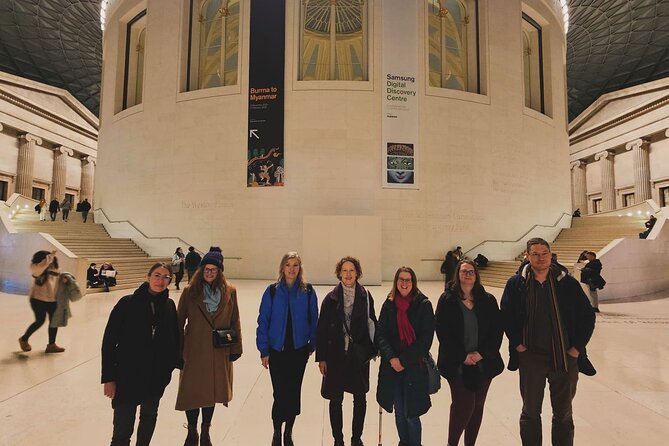
You meet at the Museum Tavern, 49 Great Russell St (London WC1B 3BA). Your guide will meet you outside the front of the museum on Great Russell Street between the two red telephone boxes, then help you with the entry process and a short introduction.
This part is practical, and it’s also psychological. Arriving at a major sight with a plan tends to reduce that feeling of standing in front of a giant building with no idea where to start. The guide’s intro helps you orient quickly, so the highlight route makes sense when you begin.
Also worth knowing: this experience runs in English, you’ll have a mobile ticket, and the tour notes a moderate physical fitness level. If you’re fine walking at a museum pace and moving between rooms, you should be good.
The museum’s origin story: a smart warm-up before the highlights
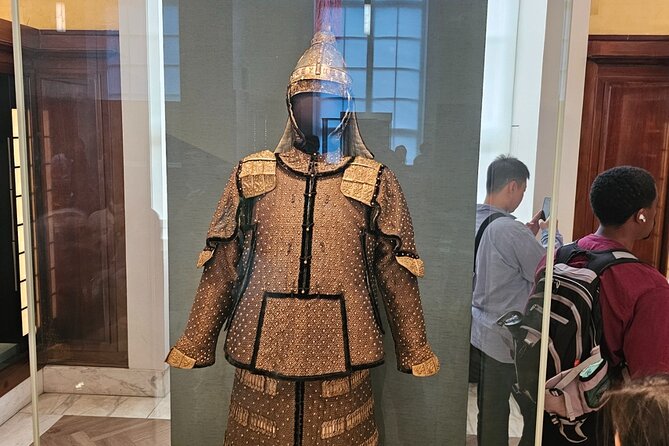
Before you jump into the galleries, you get background on the origins of the British Museum and the people behind what’s described as the earliest public museum in the world. That may sound like an extra lecture, but it’s actually useful.
When you understand the idea behind a public museum—why it exists and who pushed for open access—it changes how you read what you’re seeing. You stop treating objects like random displays and start treating them like part of a bigger story about public learning.
It’s a short warm-up, not a full history class. But it sets the tone for the rest of the experience, especially if your group includes history buffs who love context.
Inside the galleries: how your guide builds a highlight route
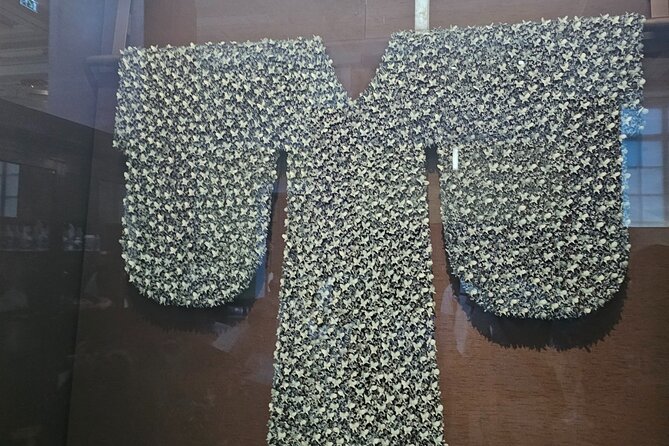
At the heart of this tour is a personalized selection of selected highlights. Your guide picks the stops based on your interests, which is a big deal in a museum like this where “just follow the crowds” can lead you to a lot of the same rooms.
In at least one standout guide story, Wesley was praised for taking people to items they never would have chosen on their own. The lesson for you is clear: the value isn’t only seeing famous objects—it’s seeing the right supporting pieces that make those famous objects land.
So what should you expect when you enter the highlight phase? You’ll get:
- an introduction to each stop,
- background that explains why the object matters,
- and a guided flow that prevents you from getting stuck in the wrong direction.
It’s also a good format if you like questions. A smaller group makes it easier for your guide to adjust and explain, instead of rushing everyone along.
The Rosetta Stone stop: what you actually gain from a guided approach
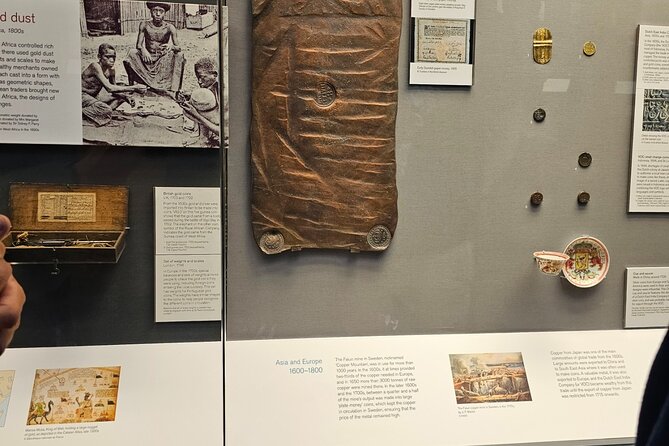
If you’ve ever looked at the Rosetta Stone online, you already know it’s important. What the tour adds is the human scale of the story—how and why this kind of object became a key to understanding languages and history.
Seeing the Rosetta Stone in person is impressive, but the guided context helps you connect the dots. You’re not just looking at inscriptions; you’re learning why that kind of breakthrough changed how people approached the past.
This is exactly the sort of object where a tour pays off. Without guidance, it’s easy to spend a few minutes staring and then move on. With a guide, you get the short explanation first, then you can really focus on what you’re seeing.






Elgin Marbles and the Parthenon Marbles: context, not just photos
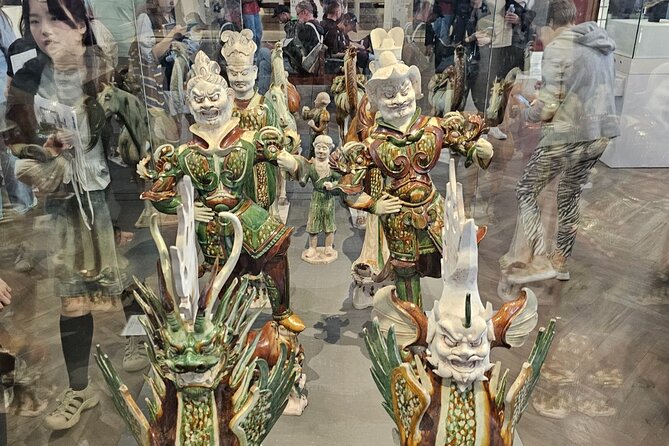
The itinerary notes that the highlights often include the Elgin Marbles from Greece, which are frequently discussed alongside the Parthenon Marbles. Expect more than a quick “these are famous” moment.
A guided stop here helps because these sculptures sit at the crossroads of art history, archaeology, and modern debate. Even without getting lost in arguments, you’ll typically walk away understanding what you’re looking at and why it has stayed in global conversations for so long.
For your visit, here’s the practical payoff: you’ll be better prepared to notice details instead of feeling like you’re just scanning for the most recognizable angles. And because your guide is choosing stops based on your interests, you might get additional attention on what matters most to you—whether that’s the craftsmanship, the historical timeline, or the bigger museum story around these collections.
How to think about “personalized” highlights in a museum this big
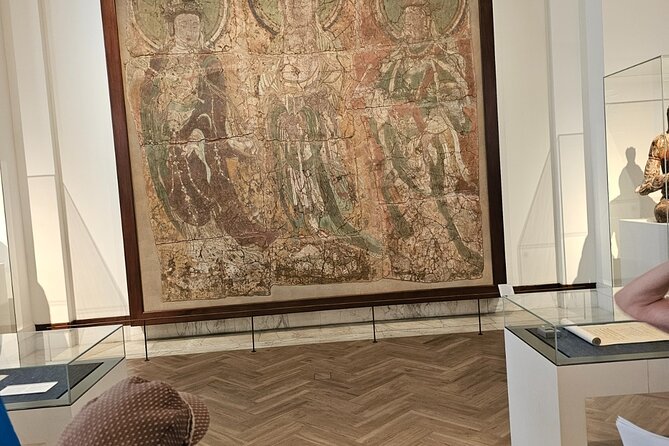
Personalization can sound vague until you see what it changes. In a museum like the British Museum, your biggest risk is spending time on things you didn’t care about as much as you thought you would.
With this tour, the guide’s job is to steer you toward the highlights that match your group’s tastes. That means if your group is leaning toward classics, you’re more likely to get the kind of context that makes those artifacts feel connected. If your group likes broader historical framing, you’ll get the narrative thread that ties the stops together.
This is also why a smaller group matters. In a crowd, even a great guide can’t slow down to match your questions. Here, the pace stays flexible enough to be responsive.
Crowds and flow: avoiding the worst of London museum chaos
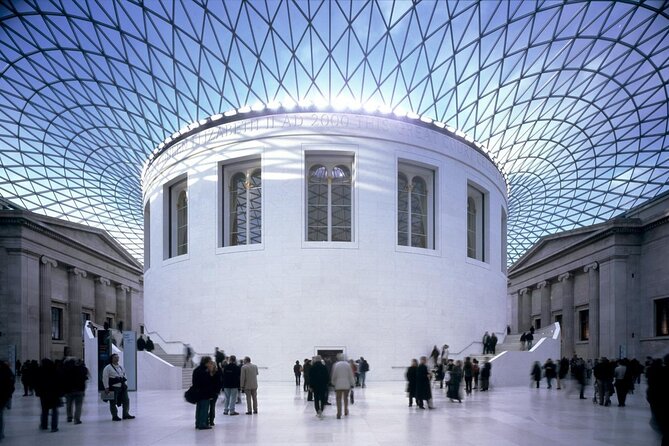
The tour promises to help you avoid the typical London crowd experience by moving through the museum in a small-group flow.
Even if you’re visiting during a busy time, timed entry and a guide-led route reduce the amount of time you spend:
- scanning and re-checking where you are,
- backtracking to find the next room,
- or arriving at the most popular artifacts only to be packed in shoulder-to-shoulder.
That doesn’t mean you’ll have the place to yourself. It does mean you’ll waste less time. And with museum visits, “wasting less time” is often the difference between a good day and a great one.
If you end up with an even smaller effective group for any reason, that’s when the guide’s attention really shines. Wesley was specifically praised for taking people to stops they wouldn’t have picked, which is easier to do when your group can actually slow down.
Price and value: what $93.68 buys for 2.5 hours
At $93.68 per person for about 2 hours 30 minutes, you’re paying for two things: a guide and an admission/timed entry setup.
If you’re thinking, Is it worth it, compare this cost to what you’d spend on your own entry tickets plus the value of someone helping you choose the right path. The museum is huge. Even a well-prepared self-guided plan can drift once you’re inside, because the building is full of distractions and you can’t see everything.
Here, the value is that the guide chooses selected highlights (often including Rosetta Stone and the Elgin/Parthenon-related sculptures), gives you background, and keeps the route manageable for a small group. For history buffs, that “guided learning + efficient flow” combination tends to justify the price.
Who this tour suits best
I think this tour is a strong fit if:
- you love history and want context, not just labels,
- you’d rather ask questions than speed-run the museum,
- your group prefers fewer people and a calmer experience,
- you want to see major artifacts but also get guided picks that go beyond the obvious.
It may be less ideal if:
- you want full freedom to browse the entire museum at your own pace,
- you’re only interested in a tiny number of objects and you’re comfortable building your own route,
- you need a very specific theme tour (since this one focuses on guided selected highlights).
A practical checklist for your British Museum visit
To make the most of a 2.5-hour guided route, plan for efficient museum time. Here’s what tends to work:
- Wear comfortable shoes; the tour is designed around moving between rooms.
- If you have strong interests, mention them when you meet your guide so your highlight list can reflect that.
- Expect a guided flow: you’re going to move through several key stops, not stay planted in one room for long.
Should you book this British Museum tour?
If your goal is a high-quality visit that balances big-name artifacts with useful context—and you want to avoid the worst crowd flow—this is an easy yes. The small group size, timed entry, and guide-chosen highlights make it a smart way to see major items like the Rosetta Stone and the Elgin/Parthenon-related sculptures without wasting half your time figuring out where to go next.
Book it if you like learning while you walk and you’re happy with selected highlights instead of covering every corner of the museum. Skip it only if you want complete freedom to roam on your own schedule.
FAQ
How long is the British Museum tour?
It lasts about 2 hours 30 minutes.
Where does the tour meet?
The meeting point is Museum Tavern, 49 Great Russell St, London WC1B 3BA, UK. Your guide meets you outside the museum between the two red telephone boxes on Great Russell Street.
What’s the group size?
The maximum group size is 15 travelers.
Is admission included?
Yes. Timed entry to the museum is included, along with an admission ticket.
What language is the tour offered in?
The tour is offered in English.
Do I need a printed ticket?
No. A mobile ticket is used.
Are service animals allowed?
Yes, service animals are allowed.
Is there free cancellation?
Yes. You can cancel up to 24 hours in advance for a full refund.