REVIEW · LONDON
The Sweet Spots of Covent Garden
Book on Viator →Operated by Top Tasting Tours · Bookable on Viator
London tastes better with theater lore. This 2-hour walk pairs Covent Garden’s covered market, churches, and stages with story-driven stops that make the West End feel personal fast—especially if you have a sweet tooth. You’re not just passing landmarks. You’re learning why the people who worked in the area cared about the places you’re seeing.
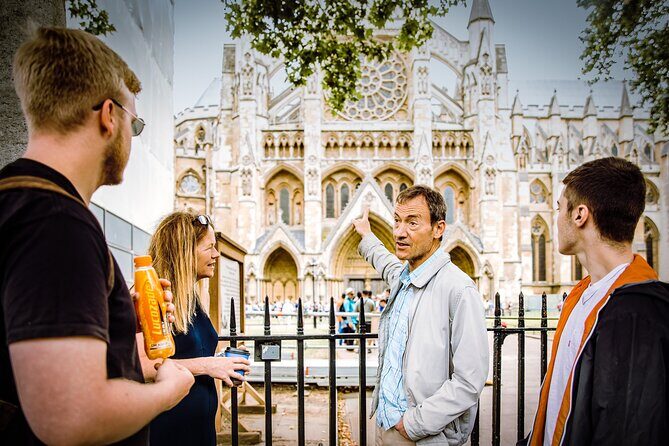
Two things I like a lot: the mix of theatre history plus food-market time, and the way the guide ties everyday corners to creative lives across the years. In particular, the guide Paul (a longtime local) brings in funny anecdotes and real neighborhood detail, so the route feels like a guided day with a friend, not a lecture.
One thing to consider: not every theatre stop is entered. Some buildings are explained from the outside, and access can vary depending on the time of day and whether a venue is in use—so if you’re hoping for lots of interior sightseeing, plan to enjoy the walk and look closely at architecture instead.
In This Review
- Key things to know before you go
- Why Covent Garden Sweets Work Better With a Guide
- Meeting at St Martin-in-the-Fields and Getting Your Bearings Fast
- A quick practical note on pace
- Theatre Royal Drury Lane: The Royal Boxes Angle Changes How You Look at It
- Covent Garden Market: Street Theatre Energy Plus Real Food-Stop Time
- St Paul’s Church: A Quiet Pause in the Middle of Acting London
- Royal Ballet and Opera Area: Learning the Buildings Without Extra Admissions
- Seven Dials: From Dangerous Past to Art-and-Food Fashion
- Novello Theatre and Cambridge Theatre: Architecture Fans Will Enjoy This
- Trafalgar Square, Nelson’s Column, and Two Big Art Neighbors
- What the Tour Gives You for the Price
- Who This Tour Suits Best (and Who Might Skip It)
- Should You Book The Sweet Spots of Covent Garden?
- FAQ
- Where does the tour start and where does it end?
- How long is the tour?
- What language is the tour offered in?
- Do I get a mobile ticket?
- How big are the groups?
- Is the tour suitable for most people?
- Are there sweet or food stops during the tour?
- Are theatre admissions included for every stop?
- What if I need to cancel?
- What happens if the minimum number of travelers isn’t met?
Key things to know before you go
- Sweet stops are part of the point: plan around tastings, including classic treats like macarons, plus hot chocolate and pastries.
- Small group feel: capped at 20 travelers, so questions and side stories actually happen.
- You’ll learn through stops, not screens: churches, theatres, squares, and galleries are connected by creative history.
- A “theatre land” route that stays walkable: you move through the Covent Garden area and nearby West End landmarks in a couple hours.
- Some entrances are conditional: one theatre’s access depends on timing, while other venues are viewed externally.
Why Covent Garden Sweets Work Better With a Guide

Covent Garden can be loud and fast on your own. With a guide, the area turns into a timeline you can walk through—market to theatre district to calm church corners to the big public spaces around it. That’s the smart trick here: the sweets don’t distract from the story. They punctuate it.
I also like that the tour doesn’t pretend the West End is only red velvet and curtain calls. You get the practical side too: food stops, street theatre atmosphere, and spaces where the working arts community has always mixed with everyday life.
And if you’re visiting with kids or you just want a break from museum rooms, this format helps. You’re outdoors and moving, which keeps attention easier for most people.
You can also read our reviews of more tours and experiences in London.



Meeting at St Martin-in-the-Fields and Getting Your Bearings Fast
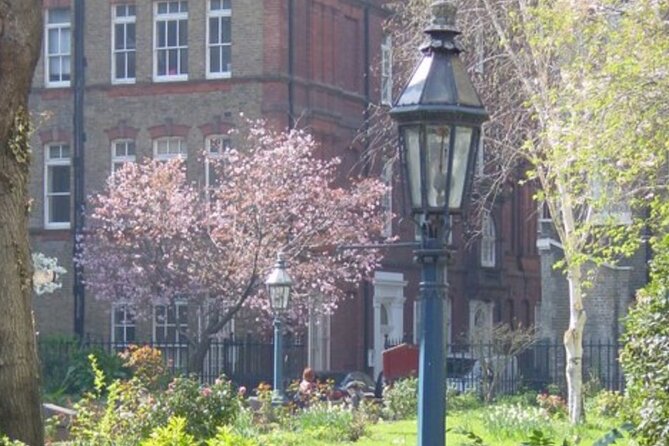
The tour starts at St Martin-in-the-Fields Church Path (top of the stairs), then you end at 90 St Martin’s Ln. That start point is useful because it puts you right in the center of the action while still feeling like you’re stepping into the neighborhood rather than hunting for a random pickup spot.
You’ll also spend time near major landmarks like Trafalgar Square, which helps you confirm you’re oriented and not just wandering. Plus, it’s described as near public transportation, so if you need to adjust timing, you’re not stuck far from transit.
A quick practical note on pace
This is roughly a 2-hour walk. It’s “most travelers can participate,” so it’s not designed as a long-distance endurance event, but you should still be ready for steady walking and a few stairs at the start area.
Theatre Royal Drury Lane: The Royal Boxes Angle Changes How You Look at It
One of the first stops is Theatre Royal Drury Lane, where you stroll through theatre-land streets and learn what makes this venue special—especially its two royal boxes. Even if you don’t see the stage area, the building itself tells a story, and the guide gives you the context so the details don’t feel random.
Access here can be a variable. Admission depends on the time of day and whether the theatre is in use. That’s actually good to know before you go, because it means your experience may be more about observation and history than “full interior tour mode.”
Either way, this is a strong opener. It sets the theme right away: Covent Garden’s creative crowd didn’t just entertain; it built institutions, traditions, and status.
Covent Garden Market: Street Theatre Energy Plus Real Food-Stop Time
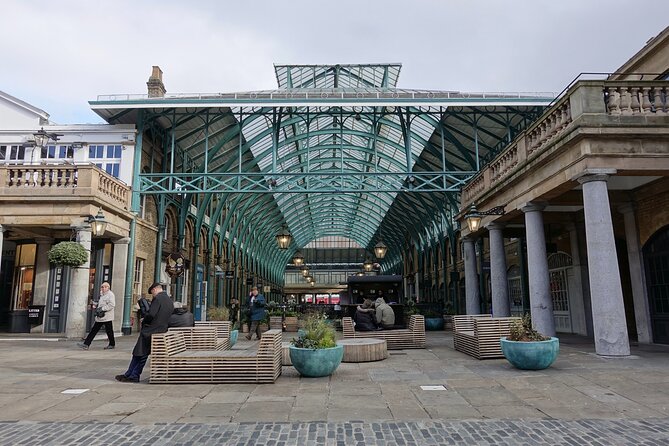
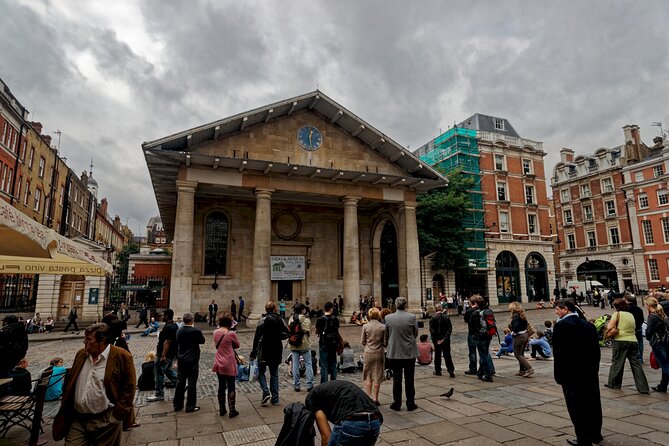
Next you’re in Covent Garden itself, where you get street theatre atmosphere and the covered market vibe. This is where the tour’s sweet focus really shows up—because you’re not only looking at shops, you’re also getting time for bites and tastings as you walk.
I like that this stop gives you breathing room. The market area is naturally interesting on its own, but with guidance you know what to notice: how the covered market layout shapes the experience, and how the place functions day to day—not just on weekends.
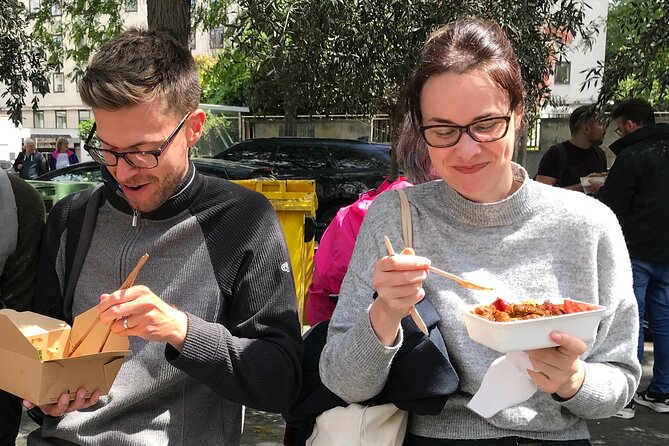
And yes, this is where the sweet-tooth payoff lands. The route has featured treats like a Godiva hot chocolate, pastries, and standout macarons. If you’re the kind of person who plans dessert first, you’ll feel very at home.






St Paul’s Church: A Quiet Pause in the Middle of Acting London
Right in the middle of the West End story, you stop at St Paul’s Church, described as a tranquil haven that the acting fraternity favors. I love this contrast. The streets can feel like performance mode; then suddenly you’re somewhere calm, where the sound changes and you can actually absorb the setting.
This stop is also a reminder that creative work isn’t only lights and costumes. Churches and everyday community spaces show up in the lives of performers and writers too, because artists are still people with routines, hopes, and rituals.
If you enjoy atmosphere and not just sight points, this is one of the best “reset” moments.
Royal Ballet and Opera Area: Learning the Buildings Without Extra Admissions
From St Paul’s, the tour moves into the broader Royal Ballet and Opera area. You get guidance about the history of the buildings here, but the tour doesn’t position this as a paid-entry museum stop. In other words, you’re paying for interpretation and context more than for a ticket price.
The practical benefit for you is control. You can focus on exterior architecture and the story the guide shares, without worrying that you’ll miss the main event if a specific door isn’t open.
If you’re someone who likes to look up at facades, notice design choices, and connect them to what institutions were trying to project, you’ll get more out of this section than just a quick photo.
Seven Dials: From Dangerous Past to Art-and-Food Fashion
Then you hit Seven Dials, a place with a dramatic turnaround. It used to be described as one of the most dangerous spots in the West End, and now it’s a more fashionable mix of art and food.
That contrast matters, because it changes the way you read the street. You’re not just walking through trendiness. You’re seeing how neighborhoods evolve when the creative economy takes over and reshapes what the street is for.
I also like the energy of this stop for timing. It gives you a different kind of Covent Garden feel—slightly off the main drag—so your photos and mental map don’t blur into one long street.
Novello Theatre and Cambridge Theatre: Architecture Fans Will Enjoy This
Two theatre-adjacent stops come next: Novello Theatre and Cambridge Theatre. At Novello, the guide admires the architecture, and you don’t enter the building. You also hear a story hook about the theatre’s connection to being originally the Waldorf, plus a bit of wordplay.
At Cambridge, the building details matter. It’s described as designed in a 20th-century Art Nouveau style by Wimperis, Simpson and Guthrie. You’ll also learn it’s where Matilda played, and that it’s used as a trade location during its periods of darkness. Again, you admire rather than enter.
This approach is actually great value if you’re short on time. You still get theatre-craft context, but you’re not losing the whole tour waiting in lines or dealing with shifting opening schedules. If you want “walk up, look carefully, learn quickly,” this is your style.
Trafalgar Square, Nelson’s Column, and Two Big Art Neighbors
After Seven Dials, you meet near Trafalgar Square, and the guide points out views from there—especially the Nelson’s Column overlooking the square. This part helps you connect the theatre district to the broader civic London image. The West End isn’t isolated; it’s woven into the city’s main public spaces.
You’ll also walk past the National Gallery and later the National Portrait Gallery. Neither is positioned as a full entry stop here. Instead, they function as landmarks that tell you where you are and why this area is so important to London’s cultural brand.
If you’re the type who likes art even when you’re not “touring art,” walking past these galleries can feel like a bonus without adding extra time commitments.
What the Tour Gives You for the Price
The price is listed at $107.26 per person for about 2 hours, with a mobile ticket and an English-speaking guide. For that money, you’re buying three things: a curated route, interpretation at multiple stops, and time for sweet tastings and food-market moments.
Some theatre-related admissions are handled in different ways. Theatre Royal Drury Lane is noted as free, but access can depend on timing and whether the building is in use. Other venue explanations (like Royal Ballet and Opera, and the Novello and Cambridge theatre stops) are described as not included for admission, and you generally don’t enter them.
So the value question becomes: do you want guided context more than you want inside-the-building sightseeing? If yes, this tour fits nicely. It’s designed to keep you moving and learning, while the sweet stops make it feel like a treat, not just a walking lecture.
Who This Tour Suits Best (and Who Might Skip It)
This is a great fit if you:
- Have a sweet tooth and want tastings built into the route
- Like theatre culture but don’t want to spend your day managing ticket lines
- Prefer walking tours with small group energy (max 20 travelers)
- Want a different side of the West End, including churches and quieter corners
It might be less ideal if you:
- Need lots of indoor venue time, every time, no exceptions
- Are very sensitive to walking and stairs (the start is at the top of stairs)
Also, it’s described as service animals allowed and near public transportation, and it says most travelers can participate—so it’s broadly practical.
Should You Book The Sweet Spots of Covent Garden?
I’d book it if you want a theatre-and-food walk that feels smart and fun. The guide style matters here, and Paul being a local with funny, personal-sounding stories is exactly what turns the neighborhood from postcard London into real London.
Skip it only if your must-have is guaranteed interior access to specific theatres. Since some venues are explained from the outside and one theatre’s entry depends on timing, you’ll get your best experience by keeping your expectations flexible and enjoying the route itself.
If you’re planning one or two “experience blocks” in London and you want one that mixes culture with sweets, this is a strong choice.
FAQ
Where does the tour start and where does it end?
The tour starts at 6 St Martin-in-the-Fields Church Path, St. Martin’s Pl, London WC2N 4JH. It ends at 90 St Martin’s Ln, London WC2N 4AP.
How long is the tour?
It lasts about 2 hours.
What language is the tour offered in?
It’s offered in English.
Do I get a mobile ticket?
Yes. The tour includes a mobile ticket.
How big are the groups?
The tour has a maximum of 20 travelers.
Is the tour suitable for most people?
Most travelers can participate, and it’s near public transportation. Service animals are allowed.
Are there sweet or food stops during the tour?
Yes. The tour is described as ideal for tourists with a sweet tooth, and the experience includes sweet treats during the walk.
Are theatre admissions included for every stop?
Not for every venue. Theatre Royal Drury Lane admission depends on the time of day and whether the theatre is in use, while some other theatre-related stops note admission is not included and the tour does not enter those buildings.
What if I need to cancel?
Free cancellation is available up to 24 hours in advance for a full refund. If you cancel less than 24 hours before, you won’t get a refund.
What happens if the minimum number of travelers isn’t met?
If the minimum isn’t met, the experience may be canceled, and you’ll be offered a different date/experience or a full refund.