REVIEW · STRATFORD UPON AVON
Traditional Afternoon Tea Experience and Baking Class in Stratford-upon-Avon
Book on Viator →Bookable on Viator
Scones, jam, and a class in Stratford. This private afternoon tea baking experience in Stratford-upon-Avon turns you from hungry spectator into the person who actually makes the treats. You’ll work in an old-style kitchen setting, using organic ingredients at The Dough House, then sit down for a full afternoon tea with your bakes.
I particularly love the hands-on mix of tasks, led by Fulden (with helpful support from Lola), so you’re not just watching. I also like that you get serious take-home value: leftovers plus a mini jar of jam and an antique piece of crockery as a souvenir. One consideration: this is a 3-hour, food-and-alcohol included format, so if you’re not into baking or you avoid alcohol, you’ll want to confirm what you can swap before you go.
In This Review
- Key Highlights Worth Booking For
- Why This Stratford Afternoon Tea Feels Like a Real Food Workshop
- Starting Smooth: Your Welcome, Your Stations, Your First Tasks
- The Baking Line-Up: Scones, Cakes, and Sweet-and-Savoury Variety
- Organic Ingredients and the Flavor Payoff
- The Afternoon Tea Table: Clotted Cream, Jams, Cakes, and Bubbly
- Take-Home Value: Leftovers, Recipe Booklets, and a Clever Souvenir
- Who Will Enjoy This Most (and Who Should Rethink It)
- Practical Tips for Planning Your Day in Stratford
- Should You Book This Baking and Afternoon Tea Class?
- FAQ
- Is this afternoon tea and baking class private?
- How long is the experience in Stratford-upon-Avon?
- What’s included with the baking class and afternoon tea?
- Will I get recipes to take home?
- Can children attend?
- What should I do if I have an allergy or dietary restriction?
- What language is the class offered in?
Key Highlights Worth Booking For
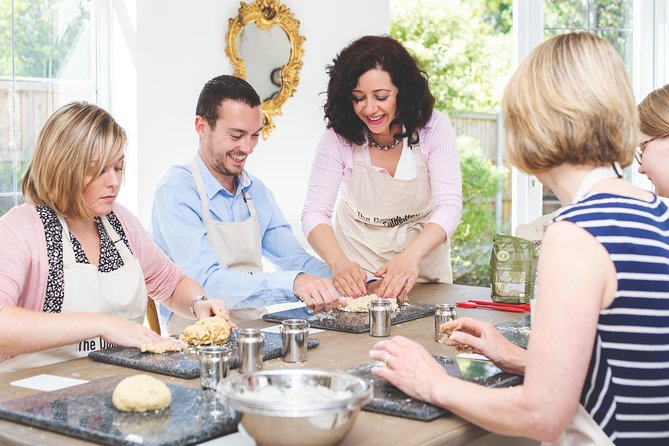
- Make your own jam and clotted cream first so the flavor feels handmade from start to finish
- Bake a variety of items, including traditional and seasonal/unique scones, plus cakes and puddings
- Small-group energy with a real host (Fulden is the name you’ll hear most)
- Afternoon tea is part of the lesson, not a separate add-on, with bubbly and tea/coffee
- Take-home treats and keepsakes so you don’t leave Stratford with just photos
Why This Stratford Afternoon Tea Feels Like a Real Food Workshop
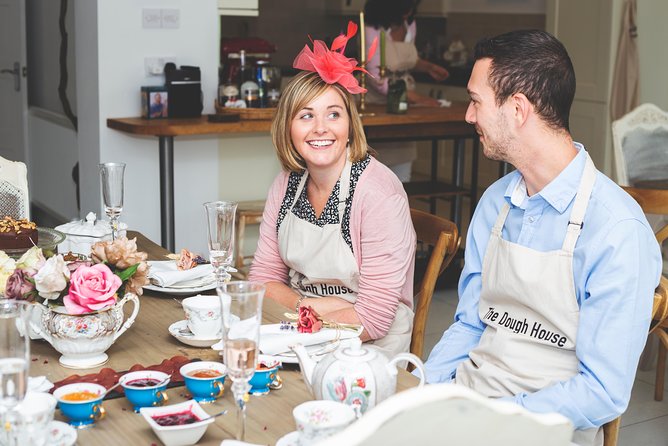
Stratford-upon-Avon is famous for culture and walks, but this experience gives you another way to “do the town”: by cooking your own version of an English tea table. The big win here is the structure. You’re not handed a plate and told to enjoy it. You learn the steps, get assigned roles, and then you eat the results together.
It’s also a private tour/activity, so your group cooks on your own schedule without the awkward shuffle of joining a random crowd. In plain terms: you’ll likely feel less rushed, and the host can help more easily when someone’s rolling dough slightly wonky (it happens).
The setting matters too. One of the most repeated details from the experience is that the building feels special: a kitchen in a historic place, described as over 400 years old. That kind of atmosphere doesn’t just look good. It changes your pace. You slow down, focus, and actually taste what you’re making.
You can also read our reviews of more tours and experiences in Stratford upon Avon.



Starting Smooth: Your Welcome, Your Stations, Your First Tasks
When you arrive at 9 Ely St, Stratford-upon-Avon (CV37 6LW), expect a warm start rather than a hard sell. The experience is set up so you can settle in before everyone is ready. You’ll be shown where things happen—baking stations, prep work, and the tea area—so you’re not spending your first minutes figuring out the room.
Before you bake, you’ll make key components:
- Homemade mixed berry jam
- Homemade clotted cream
- A seasonal pudding
That early step is smart. Jam and clotted cream aren’t just “toppings” here. They’re the backbone of the afternoon tea. You’ll understand why clotted cream tastes the way it does, and you’ll get a sense of how sweetness and fruit balance in a classic tea spread.
Then the class moves into the playful part: you shift from making to baking. And yes, the schedule is designed so you’re doing multiple things rather than babysitting one dough bowl for three hours.
The Baking Line-Up: Scones, Cakes, and Sweet-and-Savoury Variety
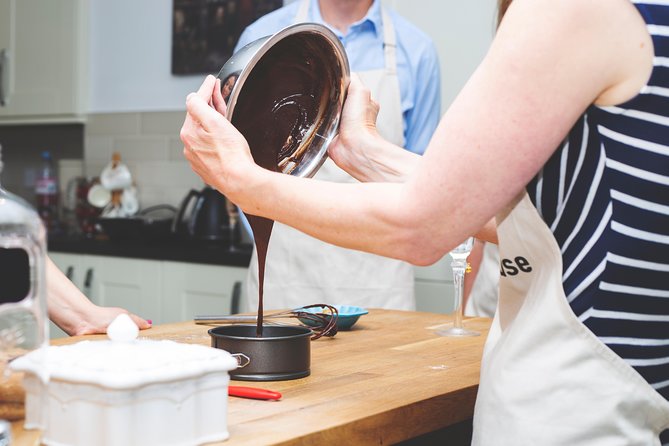
This class focuses on the most iconic tea items—scones and the surrounding cake/pudding world—but it doesn’t treat everything like a clone. You’re taught how to make several types, including:
- Traditional scones
- Seasonal/unique scones
- Sweet and savoury scones (you might even get unusual options, like pizza-style scones, depending on the day)
You’ll also bake cakes and desserts such as:
- Mini chocolate fudge cakes
- Victoria sponges
- Afternoon tea cakes or meringues (varies by the plan)
- Seasonal pudding (handled before baking time)
What I like about this approach is that you don’t just leave with one skill. You leave with pattern recognition: how dough behaves, what “right” texture feels like, and how baking times shift depending on size. You’ll also learn practical technique tips you can use at home, especially for scones, where small changes can mean big differences.
And because this is a class, not a demo, you’ll usually get a job at the station. That hands-on role is why people describe it as fun and relaxed rather than stressful. You’re working, yes, but you’re also guided. It’s the kind of cooking day where you can be an absolute beginner and still end up with something you’re proud to put on a plate.
Organic Ingredients and the Flavor Payoff
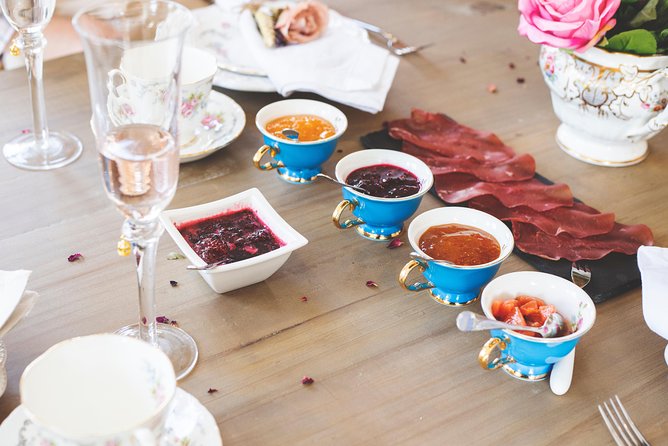
The Dough House uses organic ingredients, and that matters more than you might think. When you’re making jam, cream-based components, and baked goods from scratch, ingredient quality shows up quickly in taste and aroma. Organic doesn’t mean magic—but it often means fewer shortcuts and a clearer flavor profile.
Here’s what that does for you: it makes the final afternoon tea taste like it came from a kitchen, not a display case. You’ll notice it most with the “simple” things. Scones are a good example. When the base is good and handled carefully, you don’t need heavy fixes. The scone becomes the star: crisp outside, tender inside, and ready for jam and clotted cream without fighting for attention.
Also, because you’re making multiple items, you can taste across textures: baked cake crumb, scone structure, and pudding softness. That’s an education you actually enjoy.
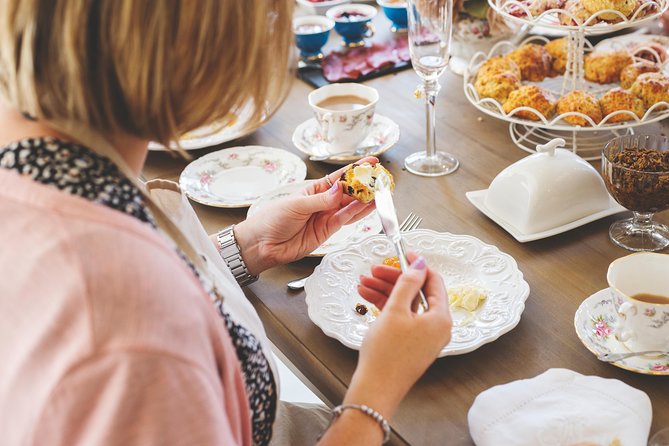
The Afternoon Tea Table: Clotted Cream, Jams, Cakes, and Bubbly
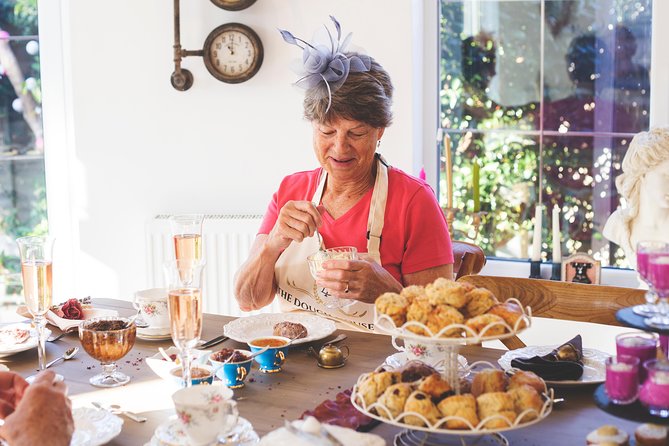
After the baking, it all becomes a meal. This is where the experience shifts from cooking class to proper afternoon tea.
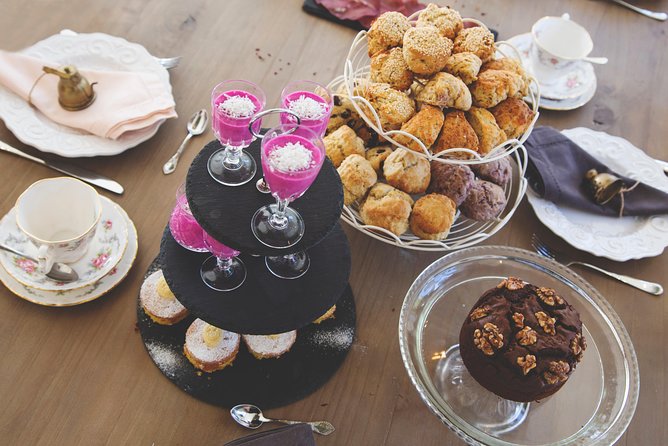
You’ll have an afternoon tea spread that includes:
- Your scones
- Clotted cream
- Jams
- Cakes (and sometimes meringues)
- Dips/charcuterie (part of the included set)
- Tea
- Coffee
- A glass of sparkling wine (bubbly)
One detail that pops up in the experience is that the tea table can include extra spreads alongside the core items. In other words, it doesn’t feel like just jam and cake. It feels like a real tea spread built around your work.
The sparkling wine is included, and that’s a helpful vibe choice: it makes the whole thing feel like a celebration rather than “work, then eat.” If you don’t drink alcohol, you’ll want to mention that in advance when you advise dietary needs and restrictions, since the plan includes alcoholic beverages.
The best part is how the meal connects to your effort. You didn’t only taste scones—you shaped them, baked them, and then paired them correctly. That last step is where the class pays off.






Take-Home Value: Leftovers, Recipe Booklets, and a Clever Souvenir
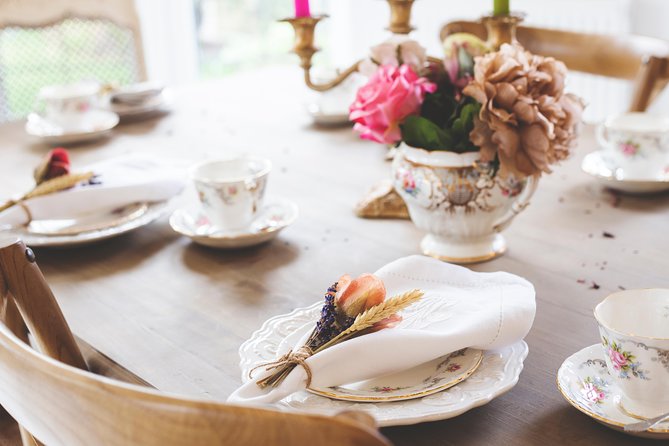
This is one of the strongest reasons to pick this class over a plain tea. They build in take-home leftovers. You’re told you’ll likely have extra, and that means you can bring something back to your hotel, your friends, or your next meal.
You also get:
- A mini jar of jam
- An antique piece of crockery as a souvenir
- Written recipes and lots of tips emailed after the class
That recipe follow-up is practical. If you want to recreate the experience later, you’ll have a clear starting point. And because scone technique can be finicky, having written guidance cuts down on guesswork.
It’s the kind of class where you don’t just walk away full. You walk away prepared.
Who Will Enjoy This Most (and Who Should Rethink It)

This works best for people who like food with a hands-on twist.
Great fit if you:
- Want a rainy-day friendly activity that still feels special
- Like cooking and want quick, repeatable technique
- Enjoy eating what you make (and want a full tea, not a snack)
- Are traveling with kids who can handle a short, structured activity (ages 10 and up with an adult)
It’s also a solid choice for small groups because it’s private. If you’re on a solo trip, you can still enjoy it, but the vibe is more fun when you share the process with at least a few people.
You might want to rethink if you:
- Hate baking or don’t want to touch dough at all
- Have strict dietary limits and haven’t arranged accommodations in advance
- Prefer a classic sit-down tea only, with no kitchen work
One more note: you should advise in advance if you have any food allergy or restriction. The class includes lots of ingredients, and even with swaps, it’s safest to give them time.
Practical Tips for Planning Your Day in Stratford
Plan this as a main event, not a rushed stop. With about 3 hours on the clock, you’ll want to avoid placing it right before a show or right after a long train walk.
For your schedule:
- Build in time to arrive at 9 Ely St and settle in.
- Expect to be active the whole time—mixing, shaping, baking, and then eating.
- Wear clothes you don’t mind getting a little flour-dusted, just in case.
If you’re also touring Stratford that day, think of this like a centerpiece. Stratford is great for strolling, but you’ll need a calmer block of time around the class so you can actually enjoy the tea table at the end.
Should You Book This Baking and Afternoon Tea Class?
Yes, if you want a traditional English tea experience that you actively create. The value isn’t only the food. It’s the combination of jam/clotted cream making, multiple bake items (including different scone styles), and then sitting down with your group for the finished meal with tea, coffee, and bubbly.
I’d especially book it if you care about:
- Learning scone technique
- Getting a full, proper tea spread
- Leaving with leftovers plus take-home items and written recipes
Book it only if the format works for you. It’s a baking class with an afternoon tea finale, not a silent tasting. If you’re okay with that hands-on pace—and you give them your dietary needs early—this is the kind of Stratford activity that turns into a real memory, not just a meal.
FAQ
Is this afternoon tea and baking class private?
Yes. It’s listed as a private tour/activity, meaning only your group participates.
How long is the experience in Stratford-upon-Avon?
It runs for about 3 hours (approx.).
What’s included with the baking class and afternoon tea?
You’ll get scones, clotted cream, different types of jams, dips, and charcuterie, plus cakes or meringues. Tea and coffee are included, along with a glass of sparkling wine and alcoholic beverages.
Will I get recipes to take home?
Yes. You’ll be emailed written recipes and lots of tips after the class.
Can children attend?
Yes, guests ages 10 and up can attend with their parents.
What should I do if I have an allergy or dietary restriction?
You should advise in advance of any food allergy or restriction. The experience also asks you to message in advance for alternative dates and times if needed.
What language is the class offered in?
The experience is offered in English.