REVIEW · LONDON
Ultimate introduction to photography in Central London
Book on Viator →Operated by Photography Workshops by Matthew Williams-Ellis · Bookable on Viator
A camera can be smart. Your brain has to catch up. This hands-on Central London photography workshop turns famous sights into real learning moments, from day scenes through blue hour and night.
I especially like the small groups and the coaching style—no cram classes, just time to experiment. I also like how Matt works the core settings into what you’re actually seeing, so ISO–aperture–shutter don’t stay as theory.
One thing to consider: this experience depends on good weather and you’ll be out during changing light, so plan for standing and walking in the evening chill.
In This Review
- Key Highlights You’ll Actually Use
- Central London, But With a Real Photography Plan
- Meeting at Starbucks, Then Getting Moving Fast
- The Core Lesson: ISO, Aperture, Shutter Speed as a Team
- London Eye: Learn Composition on a Big, Clear Subject
- Leake Street Arches: Graffiti Tunnels and Tough Lighting
- St. Paul’s Cathedral: From Day Mood to Evening Promise
- South Bank Skate Park: Capture Energy, Then Slow It Down
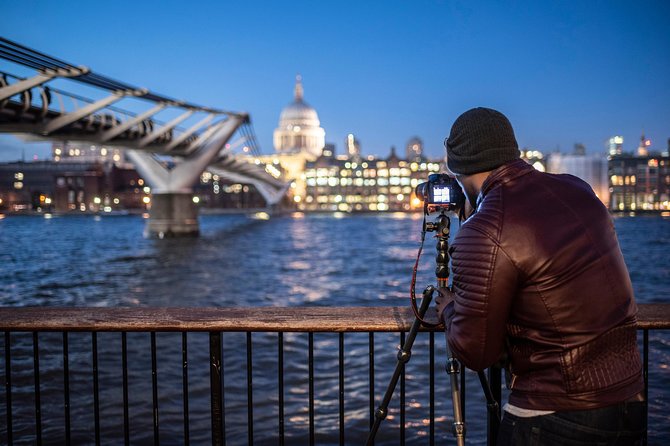
- Thames Sunset, Blue Hour, and Night: The Grand Finale
- The Secret Sauce: Thinking Before You Press the Shutter
- Phone Cameras, Too: Help That Transfers
- Price and Value: Why This Costs What It Costs
- Logistics That Matter: Timing, Ticket, Weather
- Who Should Book This Workshop?
- Should You Book This Central London Photography Workshop?
- FAQ
- FAQ
- How long is the workshop?
- What’s the group size?
- What language is the workshop taught in?
- Where do we meet, and where does it end?
- What will I learn about camera settings?
- Will there be night photography?
- Is the workshop good for beginners?
- Can I use a phone camera instead of a traditional camera?
- What happens if the weather is bad?
- What’s the cancellation policy?
Key Highlights You’ll Actually Use
- Max 8 people, so you get real feedback instead of generic tips
- Learn the ISO–aperture–shutter relationship and how to choose settings on purpose
- Shoot at multiple lighting moments: action at the skate park and slower long-exposure-style looks as night falls
- Stop-by-stop practice at the London Eye, Leake Street Arches, and St. Paul’s with composition guidance
- Wrap with a Thames sunset + blue hour/night shoot so you leave with varied results
- Matthew Williams-Ellis teaches calmly, with enough patience for true beginners (and even phone-camera users)
Central London, But With a Real Photography Plan
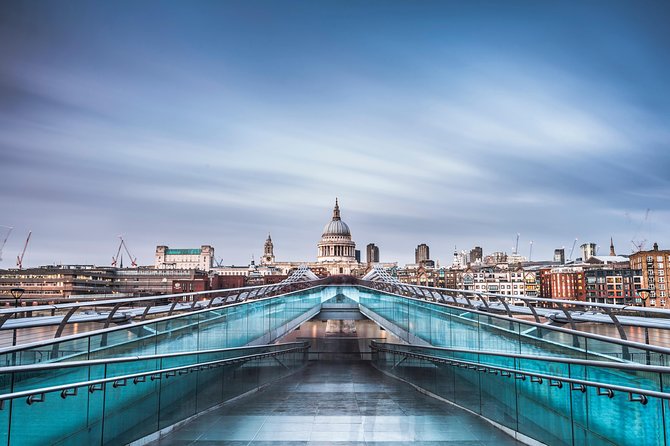
If you’ve ever stared at your camera and thought, I have no idea what any of these knobs do, you’ll feel at home here. This workshop is designed as a practical street course: learn one concept, then use it immediately on London scenes that actually change as you go.
The group stays small (up to eight), which matters more than people think. In big groups, you watch. Here, you can ask, adjust, try again, and get the kind of feedback that stops you from repeating the same mistake for the next month.
The teaching approach also goes beyond settings. You’ll work on the thought process of making photos—framing, deciding what story you want, and developing a habit of looking harder before you shoot. That’s the difference between a snapshot and something you’re proud to keep.
You can also read our reviews of more tours and experiences in London.
Meeting at Starbucks, Then Getting Moving Fast
The experience starts at Starbucks Coffee, Belvedere Rd, London SE1 7GQ. That’s useful because you can get oriented quickly, grab a coffee if you like, and be ready to walk once the session begins.
You’ll also end back at the meeting point. So you’re not dealing with mystery transit at the end of a long, camera-filled evening.
Also note the physical side: it’s rated for moderate fitness. That usually means you should be comfortable on foot for a few hours, standing during key moments (especially sunset/blue hour), and moving between viewpoints.
The Core Lesson: ISO, Aperture, Shutter Speed as a Team
This workshop is built around the classic three settings—ISO, aperture, and shutter speed—but it teaches them as an interconnected system instead of three separate facts you’ll forget.
Here’s what you’re really learning:
- ISO controls how sensitive your camera is to light. In practice, that affects noise and the look of your image in darker scenes.
- Aperture affects depth of field, from sharp-and-everything visible to more blurred, subject-focused frames.
- Shutter speed freezes motion or captures movement. In your later night scenes, it becomes your tool for slower, moodier images.
You’ll also cover shooting modes and focusing, which helps when you’re stepping off auto and trying to stop the camera from deciding everything for you.
The best part is timing. You learn fundamentals, then you go “in the field” and test them right away. That instant feedback loop is what makes this kind of session worth doing instead of watching videos at home.
London Eye: Learn Composition on a Big, Clear Subject
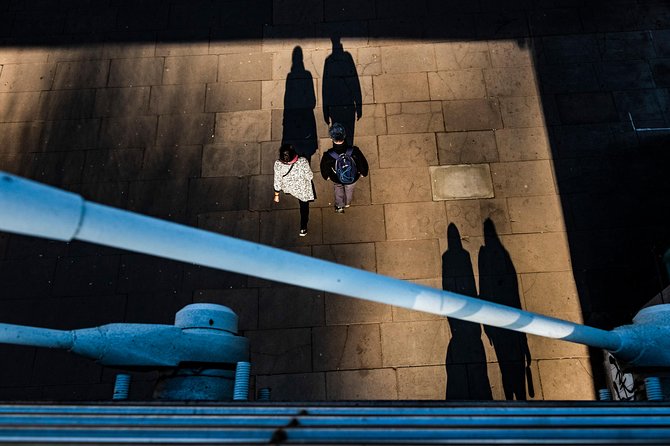
Your route kicks off with the London Eye. This is a great first stop because it’s iconic and visually strong. It lets you practice composition without scrambling for something hard to find.
At an early landmark, you can focus on the basics:
- where you place the horizon line,
- how close you get,
- what you include and what you leave out,
- and how to keep your subject from turning into a messy background.
It’s also helpful for beginners because you can compare images quickly. If your settings produce blur, underexposure, or a flat look, you can see it fast and adjust.
Leake Street Arches: Graffiti Tunnels and Tough Lighting
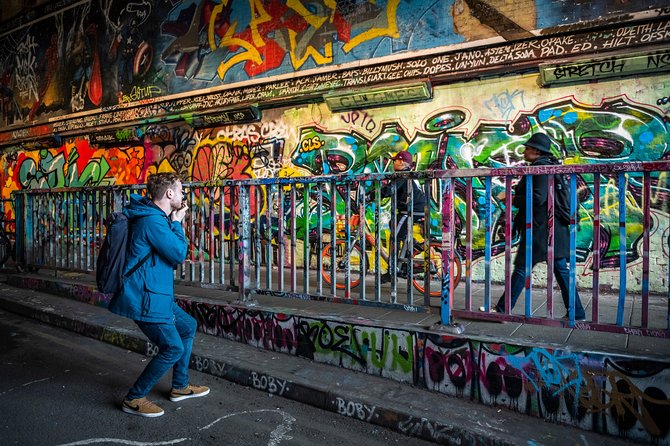
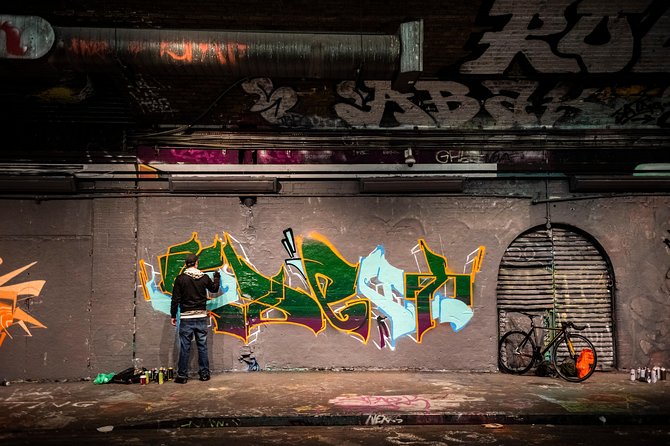
Next up: Leake Street Arches. This is where your camera skills get stress-tested—in a good way. Tunnels and street art areas often give you high contrast, mixed light, and subjects that aren’t evenly lit.
This stop is ideal for learning how to focus and expose correctly when the scene doesn’t behave like a studio. It’s also where the workshop’s “make photos, not just take them” philosophy shows up. You’ll be pushed to think about your frame as a story: subject choice, background lines, and why the scene matters.
If you’re photographing with a phone, you may still find the coaching useful because the lesson is about control and choice—not just “press here, hope for best.” (Past participants have specifically noted learning to use phone cameras more effectively.)

St. Paul’s Cathedral: From Day Mood to Evening Promise
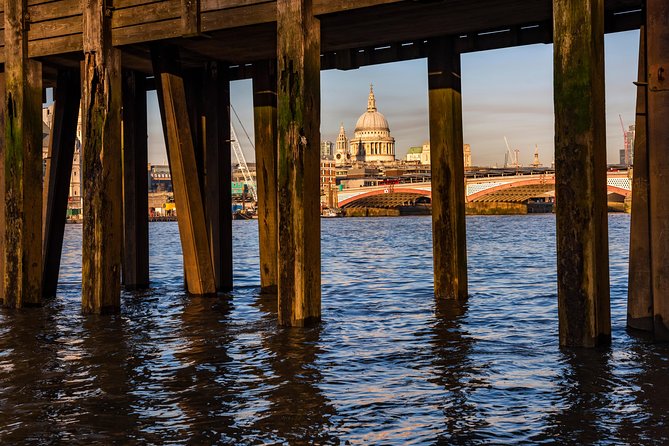
The session continues at St. Paul’s Cathedral. This area is excellent for practicing how light shapes a scene. Even if you’re using the same “camera settings idea” you used earlier, the subject and lighting feel different because the architecture and angles give you new composition options.
You’ll likely be balancing:
- detail vs. atmosphere,
- keeping lines from looking weird,
- and deciding whether you want the cathedral to be the star or part of a wider city scene.
This is also a good moment to train your eye for timing. The workshop ends with sunset and night, so building confidence during daylight helps when the light drops and you need to make faster decisions.
South Bank Skate Park: Capture Energy, Then Slow It Down
One of the most practical parts of the highlights is the South Bank skate park focus. Action photography forces you to understand shutter speed in a way that feels immediate. Instead of “shutter speed controls blur,” you see what happens when motion is frozen vs. when it flows.
Then, as the day moves toward evening, the workshop shifts to slower looks. That’s your bridge into longer exposures and night-style results—without turning the whole day into a math class.
This section is valuable for anyone who wants variety in their photos. You’re not only photographing landmarks. You’re photographing people-in-motion, street texture, and the change in London as night approaches.
Thames Sunset, Blue Hour, and Night: The Grand Finale
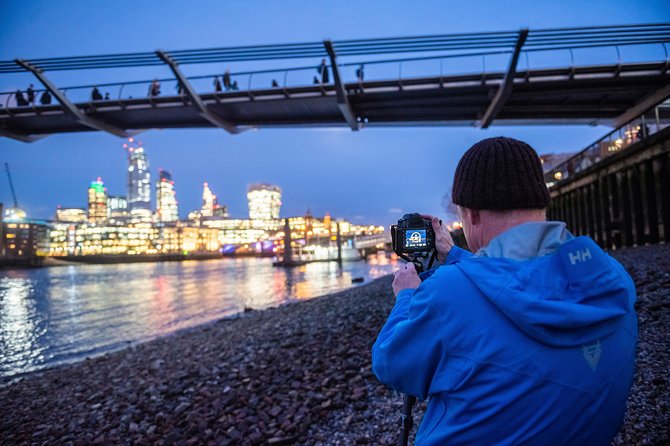
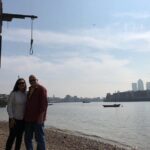
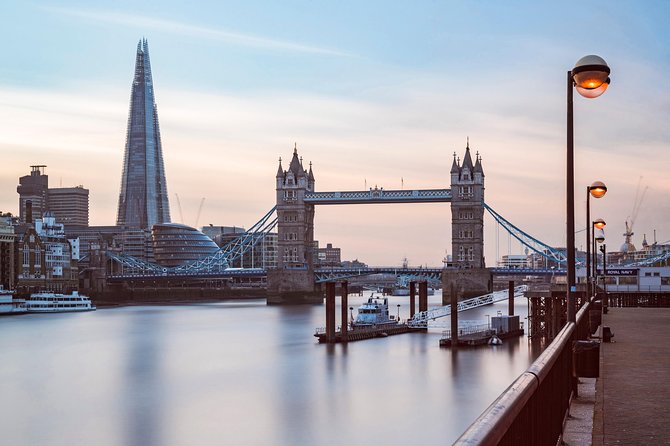
The workshop ends with a riverside sunset, then blue hour, and finally a night shoot with views looking over the Thames.
This is where all the earlier learning gets rewarded. Once the sky darkens, you have to decide:
- Do you raise ISO to keep shutter speed steady?
- Or do you slow shutter speed to get a more cinematic blur?
- How do you protect sharpness with focusing choices?
Blue hour is a sweet spot because the world looks “almost night” but still has color and shape. Night is different again, and the workshop gives you time to experience both instead of rushing to only one.
You’ll leave with a range: daytime landmark frames, tunnel texture images, action shots, and moody evening compositions. That mix is exactly what most people want from a short workshop in one area.
The Secret Sauce: Thinking Before You Press the Shutter
A lot of photography classes teach you settings. This one also trains your mental workflow.
You’ll talk about the thought process of creating photos—how to look proactively, not reactively. That means you start planning your shot before you lift the camera, and you start noticing composition opportunities while you’re still walking.
It’s also why the course is so good for beginners and for “I’ve used my camera for years but stayed on auto” folks. When you understand why you’re choosing a setting, you stop feeling helpless.
Participants have highlighted that Matt is patient and communicates his passion clearly, which helps if you’re learning with confidence issues. He’s also described as adjusting to different skill levels, which is smart when the group includes true beginners and people who know a bit already.
Phone Cameras, Too: Help That Transfers
Not everyone shows up with a DSLR. Some people want to learn what to do with a phone camera and still get stronger results.
The workshop is rooted in core photographic thinking—light, exposure choices, focusing ideas, and composition. That kind of guidance transfers well, even if the controls aren’t identical on every device.
So if your goal is simply better photos for sharing (or for personal satisfaction), you’ll likely appreciate the coaching and the chance to practice.
Price and Value: Why This Costs What It Costs
At $232.25 per person for about 5 hours 30 minutes, you’re paying for three things you can’t easily replicate on your own:
1) A small-group setup (max eight)
2) Real-time feedback as you practice
3) A planned route that takes you through changing light fast, including a full sunset/blue hour/night segment
A private lesson would usually cost more, especially with the route built around multiple photographic challenges. And generic city tours don’t teach you anything repeatable.
So the value is in efficiency. You’re not just walking London. You’re getting coached through the exact moments where your camera settings matter.
If you’re the kind of person who loves learning by doing, the cost starts to make sense quickly.
Logistics That Matter: Timing, Ticket, Weather
You’ll get a mobile ticket, and confirmation is expected within 48 hours of booking, subject to availability.
The session also requires good weather. That’s not a small footnote. Sunset and blue hour photos depend on the sky and visibility. If conditions aren’t right, you’ll be offered a different date or a refund, so keep that in mind when you’re planning your London days.
Because this ends with night shooting, you’ll want to treat it like an evening activity: dress for changing temperatures and be ready to stand and wait for the best light.
Who Should Book This Workshop?
I’d point this toward you if:
- you’re stuck on auto mode and want to understand what your camera is doing,
- you feel lost with ISO, aperture, and shutter speed, and want them explained with real examples,
- you want a small-group session that won’t leave you behind,
- you like a route that mixes landmarks with street-level, action, and nighttime scenes,
- or you want to improve your photos without spending months teaching yourself in the dark.
It’s also a great choice if you want a fun shared activity. Parents have even done it with teens and found it boosted both confidence and practical understanding.
And if you’re already fully advanced and looking for ultra-specialized techniques, you might find the fundamentals review less urgent. But for most people who want better images quickly, it hits a sweet spot.
Should You Book This Central London Photography Workshop?
Yes—if you want fast progress with a calm coach and a course built around real lighting changes. The combination of small-group attention, hands-on setting practice, and an ending focused on Thames sunset/blue hour/night is a strong package for the time you’re spending.
Book it especially if you’ve been overwhelmed by camera settings or if you want to build a photo habit that lasts past this one day. You’ll likely walk away with more than photos—you’ll walk away knowing what to do the next time the light changes.
FAQ
FAQ
How long is the workshop?
It runs for about 5 hours 30 minutes (approx.).
What’s the group size?
The workshop has a maximum of 8 travelers.
What language is the workshop taught in?
The experience is offered in English.
Where do we meet, and where does it end?
You start at Starbucks Coffee, Belvedere Rd, London SE1 7GQ, UK and the activity ends back at the meeting point.
What will I learn about camera settings?
You’ll learn the basics of ISO, aperture, shutter speeds, shooting modes, and focusing, and you’ll also experiment with slower shutter speed approaches later in the session.
Will there be night photography?
Yes. The day includes a sunset, blue hour, and a night shoot with views over the Thames.
Is the workshop good for beginners?
Yes. The course is structured to teach true basics and help you understand how settings work together, especially if you’re new to manual controls.
Can I use a phone camera instead of a traditional camera?
The workshop is centered on photography fundamentals, and past participants have specifically noted learning to make full use of phone cameras more effectively.
What happens if the weather is bad?
This experience requires good weather. If it’s canceled due to poor weather, you’ll be offered a different date or a full refund.
What’s the cancellation policy?
You can cancel for a full refund up to 24 hours before the experience starts. If you cancel less than 24 hours before, the amount paid isn’t refunded.