REVIEW · LONDON
Walking Tours – Sights of London- price includes upto 10 people
Book on Viator →Bookable on Viator
Literary London turns streets into plot lines. This walk is interesting because you connect writers to actual corners of the City of London, and I love the story-led stops plus the fact that the commentary comes from a Cambridge University literature graduate. One drawback: it’s an early start and the stops are tight, so plan to move with the group instead of lingering.
You’ll cover five major City locations in about two hours, with free entry for the listed stops and a route that keeps you oriented in London’s geography. The experience also runs as a private group for up to 10 people, and you get a mobile ticket—easy for you, and it cuts down on hassle before you begin.
You’re starting at 7:00 am near St. Paul’s Churchyard, so bring layers and something comfortable to walk in. Also note bottled water isn’t included, so pack a bottle if you want one.
In This Review
- Key things to know before you go
- Before You Go: Early Start, Small Group, and a Clear Plan
- The Guide’s Role: Why Sam’s Style Works for a Tight 2 Hours
- Stop 1: Blackfriars—13th-Century Monastery Remains and Shakespeare’s City
- Stop 2: St. Paul’s Cathedral—Baroque Architecture with London’s Bigger Story
- Stop 3: Bank of England Museum—From Literature to the Economy You Live With
- Stop 4: Mansion House—The Lord Mayor’s Home and a City Power Symbol
- Stop 5: Guildhall—Medieval Seat of the Corporation, Roman Amphitheatre, and St Lawrence Jewry
- What You Really Get from a Literature Tour Like This
- Logistics That Affect Your Experience (Good and Bad)
- Price and Value for a Up-to-10 Group
- Who This Tour Suits Best
- When to Book and How to Plan Your Day
- Should You Book This London Literature Tour?
- FAQ
- How long is the walk?
- What’s the price?
- Is it a private tour?
- Where is the meeting point?
- What time does the tour start?
- What language is the tour in?
- Do I get a mobile ticket?
- Are tickets for the stops included?
- Is bottled water included?
- Is free cancellation available?
- Are service animals allowed?
Key things to know before you go
- A literature-to-streets route through the City of London instead of a random monuments crawl
- Shakespeare locations paired with City landmarks, so names become places
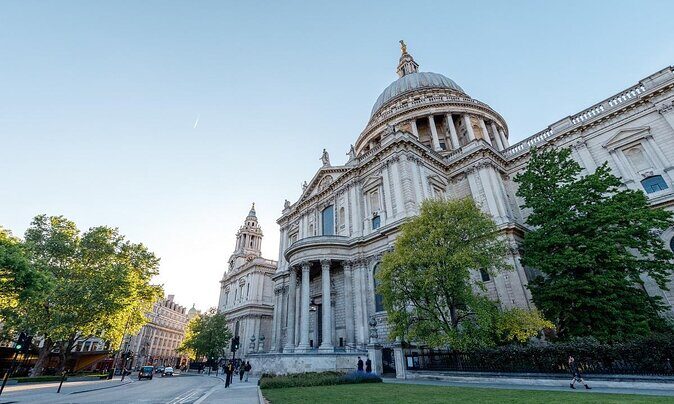
- Baroque St. Paul’s Cathedral stop gives you architecture context fast
- Bank of England Museum stop connects literature-time London to today’s economy
- Guildhall layers: medieval, Roman amphitheatre, and a Christopher Wren church view
- Private group of up to 10 makes it easier to ask questions and keep the pace sane
Before You Go: Early Start, Small Group, and a Clear Plan
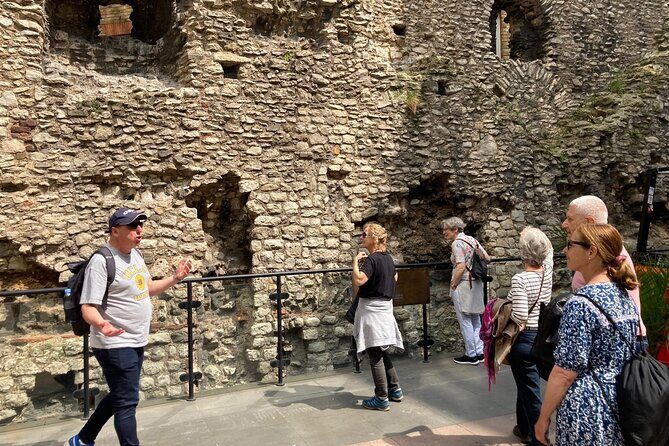
This is a 2-hour walking tour focused on how major UK writers connect to London, with a route through the City of London that’s built for understanding, not sightseeing overload. You’re meeting at the City of London Information Centre, St. Paul’s Churchyard, London EC4M 8BX, and the tour ends back at the same meeting point.
The group size is up to 10 people, which matters more than you might think. With a small group, the guide can keep comments moving and respond to questions without turning the walk into a loud queue. You’re also told it’s a private tour/activity, meaning it’s only your group.
You’ll want to think of this as a morning-bright way to get your bearings. Many tours start later and lose some of that clean, just-opened feeling. Starting at 7:00 am also means you’re less likely to be stuck in crowds at the first few stops.
On pricing: it’s $388.19 per group (up to 10). That’s not “per person cheap,” but it can be good value when you price it as a shared experience. If you’re traveling with a partner or a small group, you can spread the cost and end up with a guided, story-based route through multiple major sites. If you’re solo, it’s worth checking whether you’d rather pay for a smaller group or even pair with another activity on the same morning.
You can also read our reviews of more walking tours in London



The Guide’s Role: Why Sam’s Style Works for a Tight 2 Hours
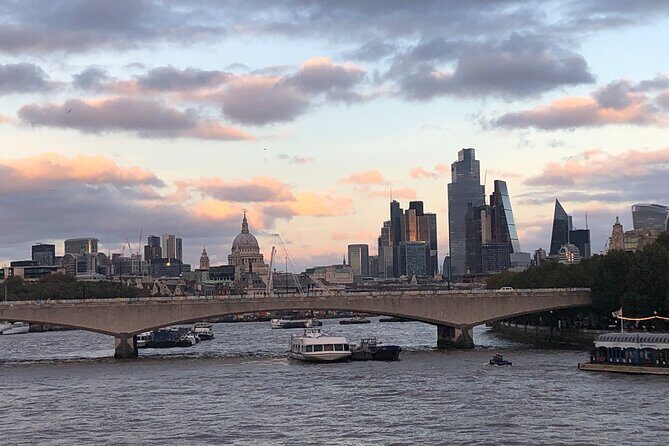
The tour’s big strength is the guiding style. You’re promised insightful commentary from a Cambridge University literature graduate, and the write-ups around Sam consistently point to a guide who keeps things easy to follow—so you don’t have to work hard to keep up.
That matters on a tour like this because the content ranges from medieval writers to Shakespeare to modern references like T.S. Eliot. A less practiced guide might turn it into a lecture. Here, the structure by stops helps you track the story in your head as you move.
You’re also likely to get more than street-level facts. One theme in the feedback is how the guide shares details in a way that makes you want to look at the buildings again afterward. There’s also mention of receiving information ahead of time, which is great for you because it means you can arrive with a few names and questions ready.
Stop 1: Blackfriars—13th-Century Monastery Remains and Shakespeare’s City
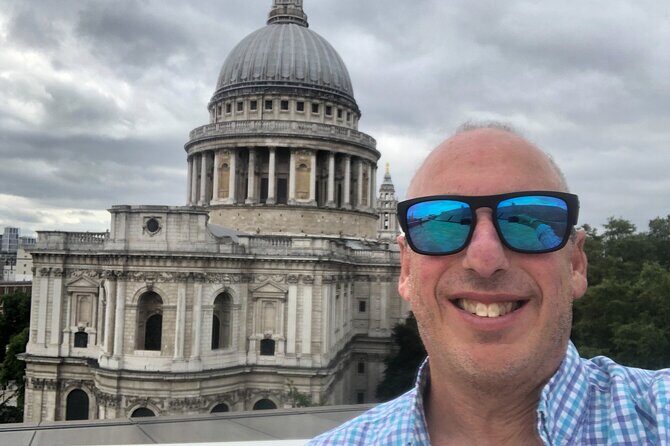
Stop 1 is Blackfriars, and this is where the tour’s premise really turns from concept to reality. You look at remnants of a 13th-century monastery and then connect that setting to where Shakespeare lived and where his playhouse was.
This is the kind of stop that can go two ways: either it stays vague (“Shakespeare was around here somewhere”) or it gives you enough orientation to understand the City in Shakespeare’s time. The description here leans toward the second option. You’re not just told that Shakespeare existed; you’re guided to specific City connections and then linked onward to plays and other local sites.
One practical point: Blackfriars is historically layered, so you may feel like you’re seeing only fragments. That’s normal. This stop works best when you treat it like a map exercise. The goal is to learn how the City’s streets and institutions formed the stage for stories, not to expect a museum recreation.
If you’re a Shakespeare fan, this is a highlight. If you’re newer to him, it’s still useful because the guide ties the place directly to the plays discussed, helping you connect text to geography.
Stop 2: St. Paul’s Cathedral—Baroque Architecture with London’s Bigger Story
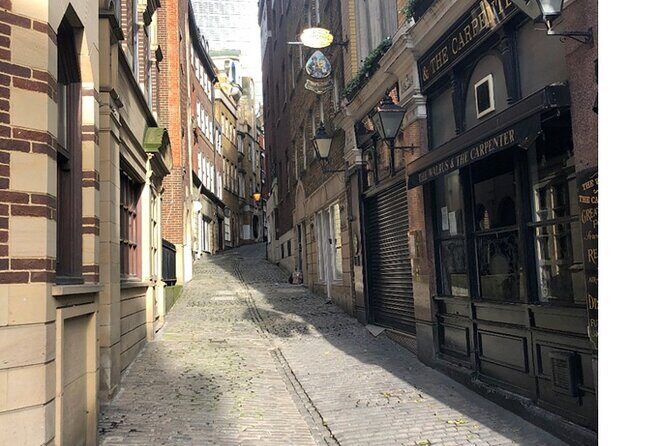
Stop 2 is St. Paul’s Cathedral, and the focus is on the cathedral’s baroque architecture and its place in London’s history.
St. Paul’s is one of those buildings people photograph without really looking long enough. This stop can fix that by giving you a framework: what makes the architecture stand out, and how the cathedral fits into London’s changing story. Even if you only spend a few minutes, having an explanation for what you’re seeing changes the experience.
Drawback to keep in mind: St. Paul’s is a large site, so your time here is limited. The tour schedule lists the stop at about 5 minutes, which means you’ll get a guided glance, not a full interior visit. If you want to spend lots of time inside, you’ll likely need separate time before or after the walk.
What you can do to make the most of it: bring your phone camera and get one or two angles you want to revisit later. If you listen closely, you’ll know what to look for once you’re outside the noise of the walk.
Stop 3: Bank of England Museum—From Literature to the Economy You Live With
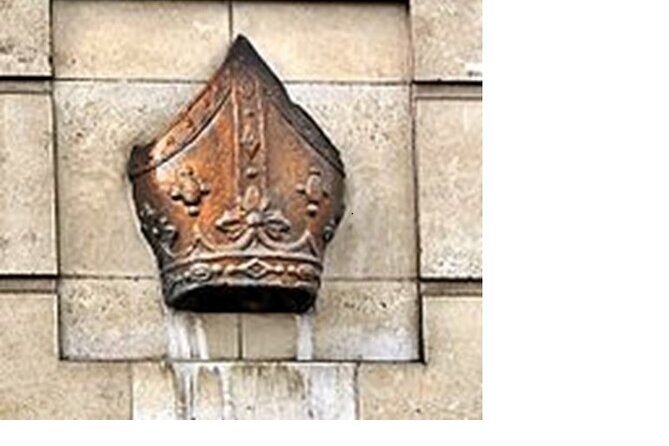
Stop 3 is the Bank of England Museum. Here the tour shifts from writers and stages to finance and the role of the central bank today.
This stop sounds like a left turn, but that’s exactly why it can be valuable. London’s literary figures didn’t live in a vacuum; the City’s institutions shaped daily life, politics, trade, and the rhythm of power. By pairing an economic landmark with literature-focused context, you’re reminded that the City’s big buildings aren’t just backdrops.
The practical upside: the museum stop gives you a more modern anchor point after the older layers of Blackfriars and Shakespeare connections. Even if your interest is primarily books, this is an easy way to widen the lens without extending the tour.
As with other stops, you don’t have hours here. The stop is listed at about 5 minutes, so you’re getting the overview and the important role summary. If you love finance history, plan an additional return visit later on your own time.






Stop 4: Mansion House—The Lord Mayor’s Home and a City Power Symbol
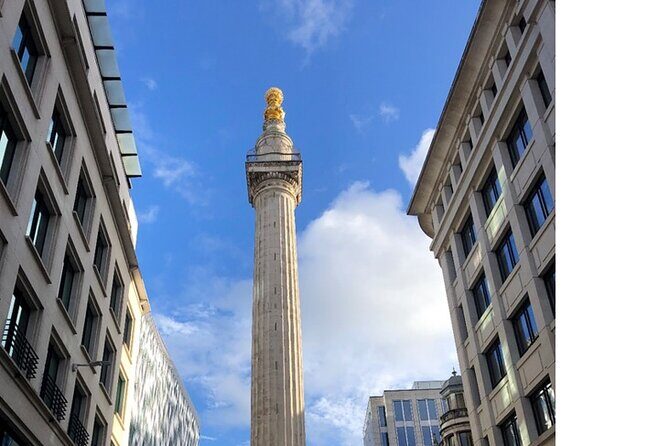
Stop 4 is the Mansion House, described as the home of the Lord Mayor of London, plus commentary on its architecture and history.
This is a smart stop for you if you like understanding how London’s governance shows up in stone and design. Writers often reflect society, and society is shaped by institutions. The Mansion House helps you see London as a working system, not only a sightseeing map.
The “why this matters” angle here is that the Mansion House isn’t just pretty—it’s a City of London power symbol. That means the building’s role can connect back to the tour’s literary theme: London’s writers lived through power structures and public events, and these structures still leave visible traces.
Again, you’re moving quickly through the stops. Mansion House is best approached with the right expectation: you’ll get oriented and interpret what you see, then keep walking.
Stop 5: Guildhall—Medieval Seat of the Corporation, Roman Amphitheatre, and St Lawrence Jewry
Stop 5 is Guildhall, and it’s probably the most “layer-cake” stop on the route. You visit the ancient seat of the corporation of London, then look at the medieval building, a Roman amphitheatre, and an ornate Christopher Wren church of St Lawrence Jewry.
This is one of the tour’s strongest ideas because it shows you how London stacks eras. You don’t have to memorize dates on the spot—you just need to learn what to look for and how to interpret what you’re seeing. A guide who can connect the eras to the City’s identity can turn a short stop into a lasting mental picture.
One consideration: when there are multiple layers in view, it’s easy to lose track if you skim the explanations. If you want the stop to land, slow down for a minute during the transition between medieval and Roman references. The architecture details matter less if you don’t understand what era you’re staring at.
If you’re the kind of traveler who likes “why is this building here?” questions, this stop will give you plenty to think about after the walk.
What You Really Get from a Literature Tour Like This
This kind of tour works best for you if you enjoy two things: pairing big names with real places, and learning enough to look smarter in the streets afterward. Instead of asking you to read long excerpts, it helps you link writers to London geography and City landmarks.
You’ll cover writers including Chaucer, William Wordsworth, and T.S. Eliot, plus the Shakespeare focus at Blackfriars. The result is a route that isn’t just about one author. It’s about how London gave English literature its backdrop—politically, culturally, and geographically.
You’ll also learn how theatre and public life tied into where people gathered and worked. That’s not just trivia. It changes how you understand London’s role in the stories themselves.
Logistics That Affect Your Experience (Good and Bad)
Let’s talk practicality, because it can make or break a walking tour.
Pace and timing: Each listed stop is around 5 minutes, which suggests quick guided viewing. Between stops, there’s time for walking and narrative. So you should expect a guided tempo, not a slow stroll where you pick your own photo moments.
Meeting point: You’re starting at a clearly defined place near St. Paul’s Churchyard. Still, arriving a few minutes early is smart since you’ll likely want to confirm you’re in the right spot before the walk begins.
Public transportation: It’s marked as near public transportation, which helps. You’ll have a simpler time getting there if you’re doing other plans in central London later.
What’s not included: bottled water is not included, and private transportation isn’t included. If you’re walking in warm weather, bring water so you’re not stuck rationing.
Mobile ticket: You’ll receive a mobile ticket, which is convenient and usually faster than prints.
Service animals: Service animals are allowed, which is good to know if that affects your travel.
Price and Value for a Up-to-10 Group
At $388.19 per group for up to 10, the value depends on who’s sharing. For two to four people, it can work out better than it sounds because you’re paying for a guided route that touches major sites across the City. You’re also getting admission tickets listed as free for the stops, and the tour covers multiple landmarks in one structured morning.
For solo travelers, it might feel pricey, but it can still be worth it if you strongly prefer having a guide connect the literary dots. If you’re the type who likes explanations and you’ll actually use the information afterward, this can turn a standard walk into a lesson you remember.
A practical way to decide: ask yourself whether you want a guided “story route” or a self-guided “see everything fast” route. This is the first one.
Who This Tour Suits Best
This walk fits you if:
- you want literature links to real London locations, not just general sightseeing
- you appreciate architecture context, especially at St. Paul’s and Guildhall
- you like walking with a guide who keeps the story clear in a short window
- you travel with family or friends and prefer small group interaction (up to 10)
It may be less ideal if:
- you need lots of time at each site to explore independently
- you dislike early starts and want a slower mid-morning pace
- you’re only interested in one author or one building
When to Book and How to Plan Your Day
This experience is commonly booked about 16 days in advance on average, so if you’re traveling in a busy season or you’re planning a specific morning, don’t wait until the last week. Also, since it’s an early 7:00 am start, schedule your day with the assumption that you’ll be moving quickly and will want lunch or a rest afterward.
Pair it with a second activity later in the day at one of the sites you want to revisit. Since some stops are brief, you’ll likely find yourself wanting a longer look at St. Paul’s or Guildhall once you know what to focus on.
Should You Book This London Literature Tour?
Book it if you like your London with an explanation attached. The tour’s best promise is that you’ll walk away understanding how Shakespeare, Chaucer, Wordsworth, and T.S. Eliot connect to the City, with guide commentary that stays easy to follow and stays grounded in real buildings.
Skip it or look for another option if you’re hoping for long time inside each site or a flexible route where you can wander off script. This is a guided route with fixed stops and a tight schedule, so it rewards travelers who want direction and story.
If you want a smart first step into central London’s literary layer, this is a solid choice.
FAQ
How long is the walk?
The tour lasts about 2 hours.
What’s the price?
It’s $388.19 per group, for a group size of up to 10 people.
Is it a private tour?
Yes. It’s a private tour/activity, and only your group participates.
Where is the meeting point?
You meet at the City of London Information Centre, St. Paul’s Churchyard, London EC4M 8BX, UK.
What time does the tour start?
The start time listed is 7:00 am.
What language is the tour in?
The tour is offered in English.
Do I get a mobile ticket?
Yes. A mobile ticket is included.
Are tickets for the stops included?
The tour notes admission for the listed stops as Free.
Is bottled water included?
No. Bottled water is not included.
Is free cancellation available?
Free cancellation is available if you cancel up to 24 hours in advance for a full refund.
Are service animals allowed?
Yes. Service animals are allowed.